Dr Brian Elmore witnessed a public health crisis unfold at the border near El Paso. He reflects on why it was like a ‘perverse Groundhog Day’
In late spring 2024, Dr Brian Elmore was working out of a mobile clinic, providing medical treatment to migrants in Ciudad Juárez, just south of the US-Mexico border wall. One of his patients, a Venezuelan man with a fractured arm and a detached left chest from his sternum and clavicle, told Elmore that Mexican immigration officials broke his arm when he first got to town, and that rubber bullets fired by Texas national guardsmen had caused his chest injuries.
The man somehow had managed to fashion a shoddily made splint for his arm, but his chest would require surgery. When an ambulance arrived, the criminal group that controlled the riverine area refused to let him leave. The Texas guardsmen looked on from the US side of the river. “It was heartbreaking,” Elmore said of the spectacle.
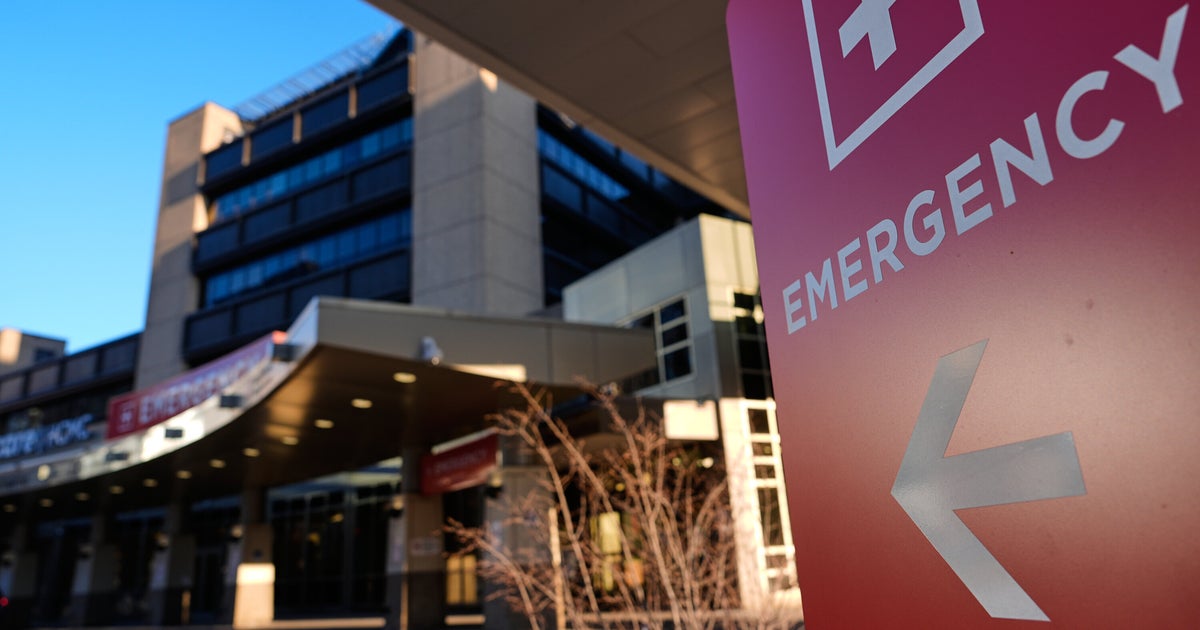
Two years prior, Elmore had begun his medical residency in El Paso, Texas, at the region’s only level 1 trauma center. The city sits at the western tip of Texas in the Chihuahuan desert, with the Rio Grande marking its border with Mexico. To Mexicans, it was known during the late 19th and early 20th centuries as the Ellis Island of the south-west. These days, migrants continue to arrive from Latin America and around the world – a fair number require immediate medical aid.