RIYADH: As geopolitical tensions escalate across the Middle East, a flurry of legal declarations is sending shockwaves through the global energy market.
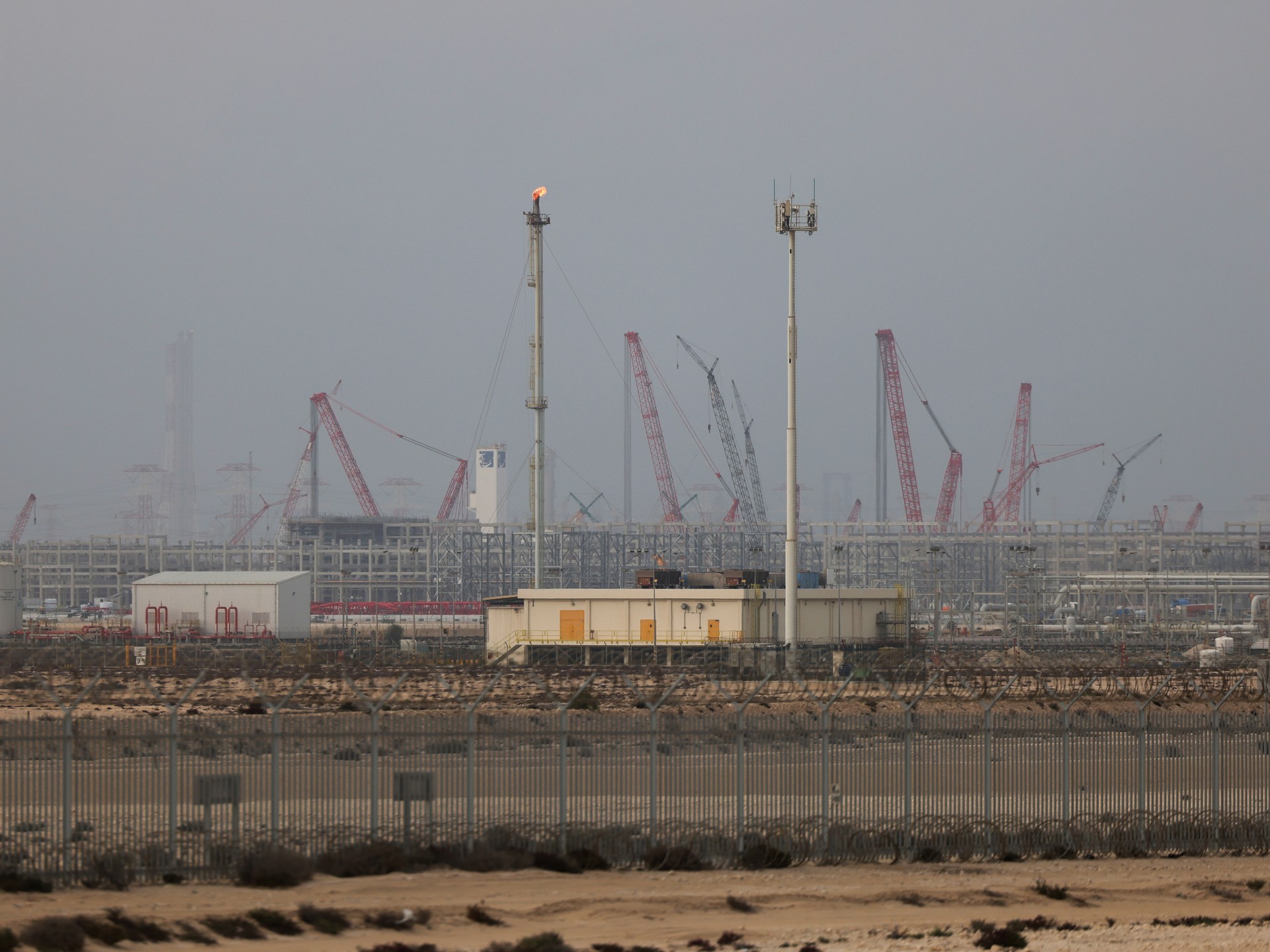
From Bahrain to Qatar to Kuwait, companies are invoking a contractual mechanism known as force majeure — a legal provision included in contracts to protect parties from being penalized when unforeseen and uncontrollable events make it impossible to fulfill their obligations.
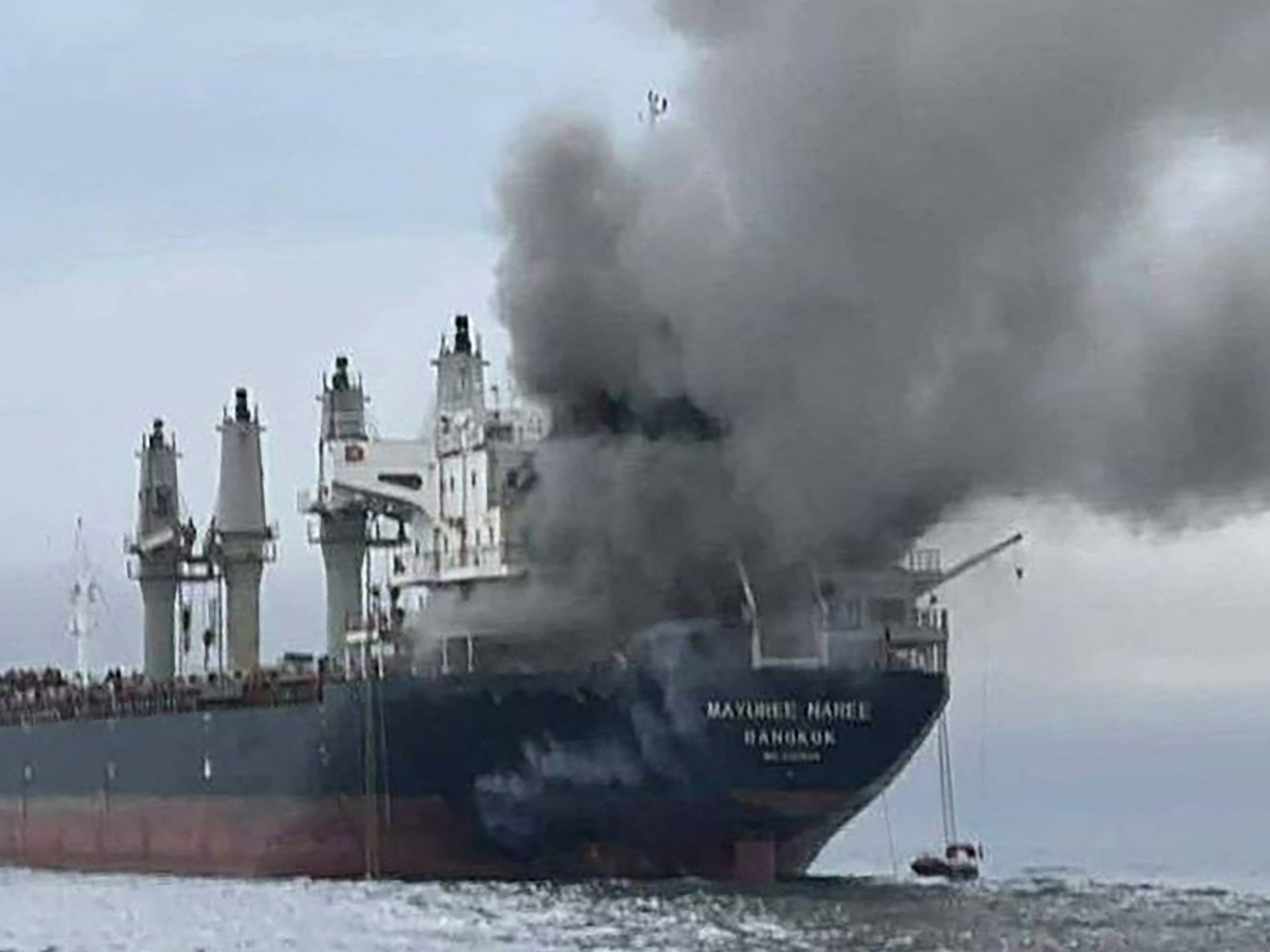
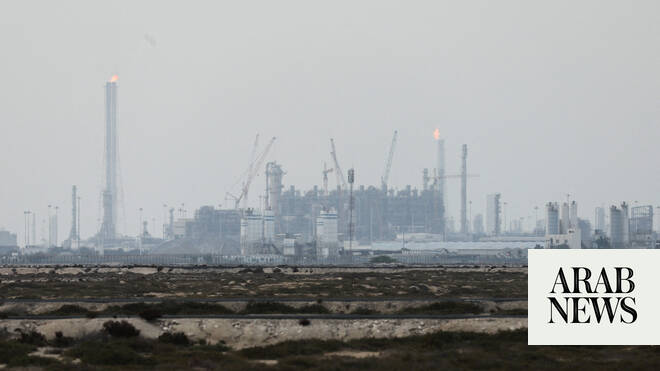
Since the start of the US-Israel war in Iran, at least four energy companies have invoked the clause, citing concerns over infrastructure safety and delivery restrictions caused by the virtual closure of the Strait of Hormuz.
“In the context of the current crisis affecting the Middle East, the term signals that the disruption is not routine volatility but a genuine breakdown in operating conditions, ports may close, airspace may be restricted, supply routes may become unsafe,” Tobias Aebi, partner at Arthur D. Little, told Arab News.
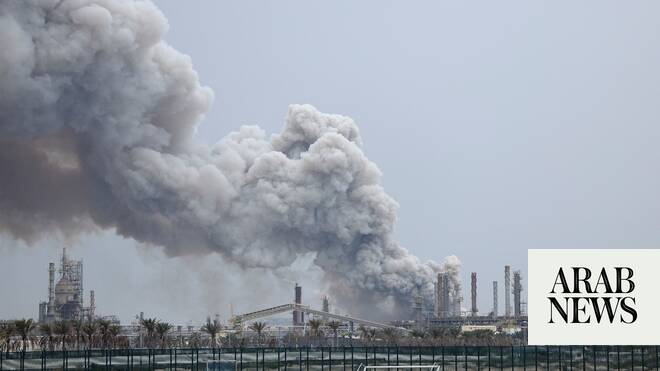
Bahrain’s state-owned Bapco Energies was forced to declare force majeure after a strike hit its refinery complex in Al-Ma’ameer, sparking a fire and causing significant material damage.