JAKARTA: The Indonesian government introduced on Thursday a new policy regulating the use of digital technology in education, limiting access to artificial intelligence for students.
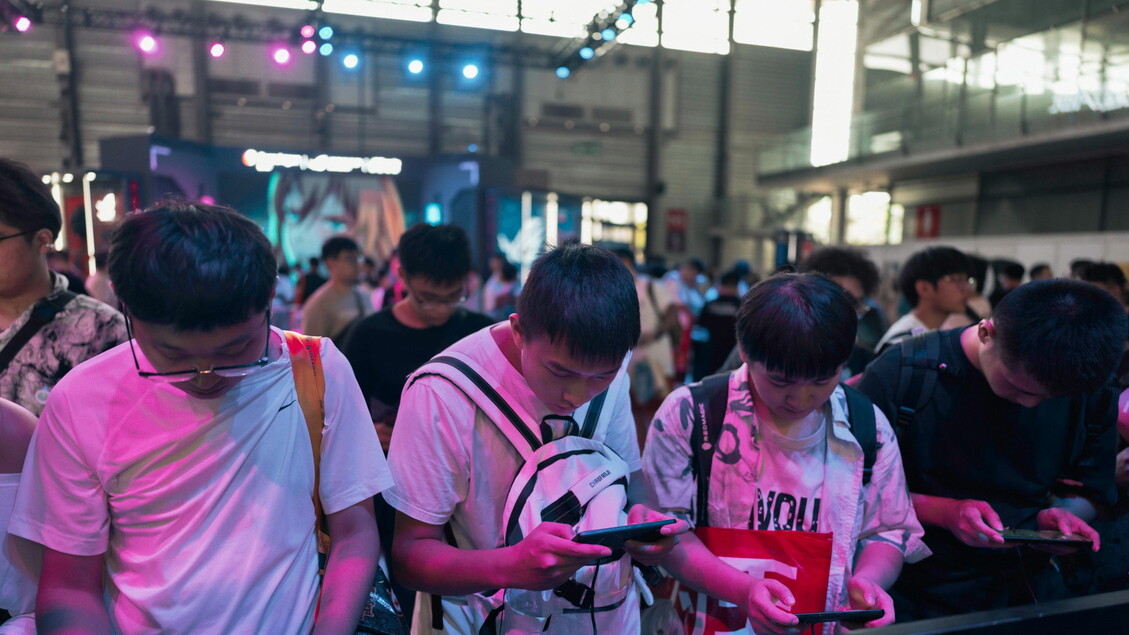
Generation Alphas and Gen Zs make up almost half of Indonesia’s online population, which reached nearly 230 million people in 2025, according to a survey conducted by the Association of Indonesian Internet Service Providers.
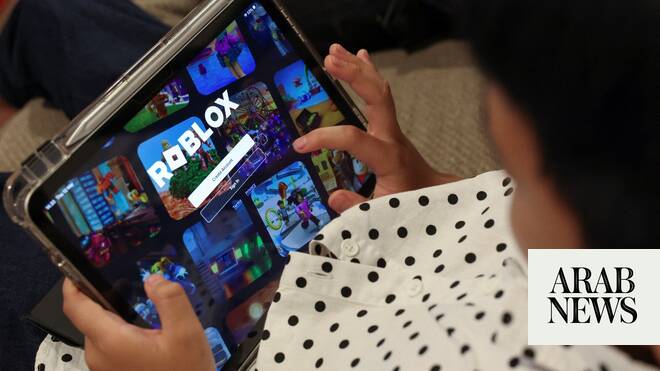
As Indonesian children clock around 7.5 hours of daily screen time, the joint ministerial decree seeks to boost the benefits of digital technology and AI in formal and informal educational institutions, while also protecting the youth from risks in digital spaces.
“There are a lot of factors but the number of teenagers with mental health issues are high and continue to increase, and one of the suspected triggers — that have been proven academically — is the uncontrolled, unmitigated use of digital technology,” said Pratikno, Indonesia’s Coordinating Minister for Human Development and Cultural Affairs.
“The effects on education are also concerning, such as how it weakens brain activity due to dependence on digital technology tools and reduces critical thinking and cognitive and reflective abilities. This is what we have to regulate.”