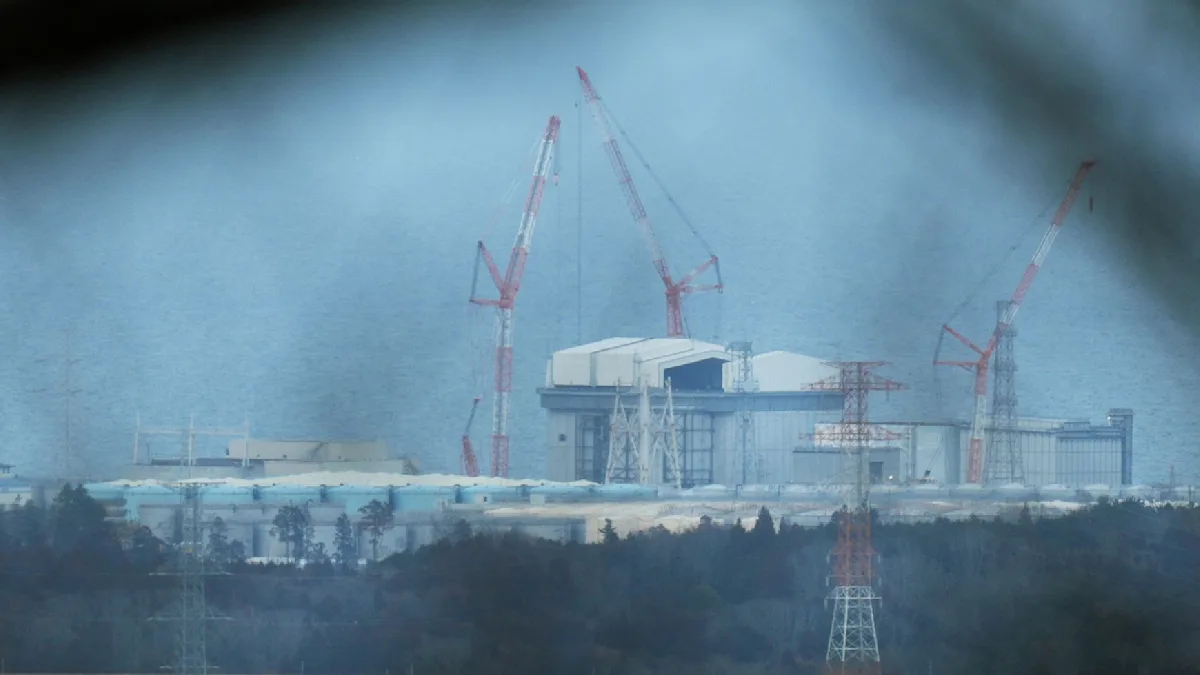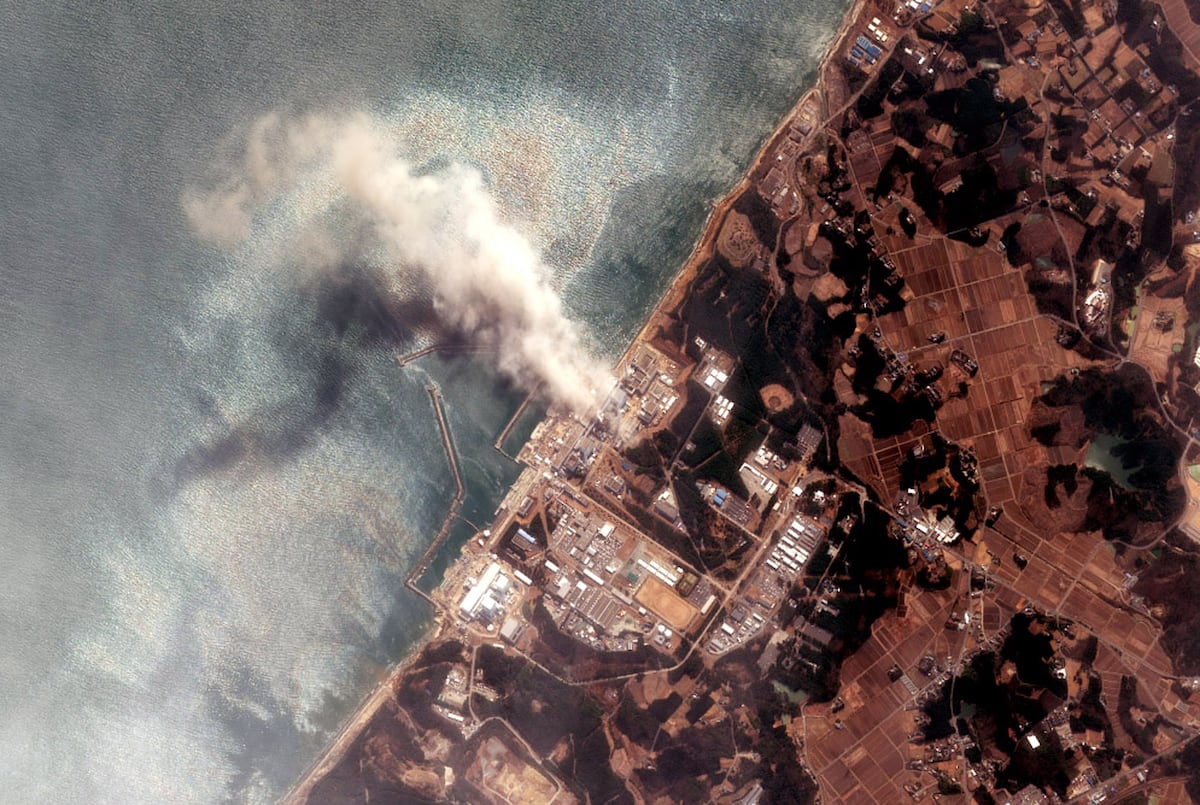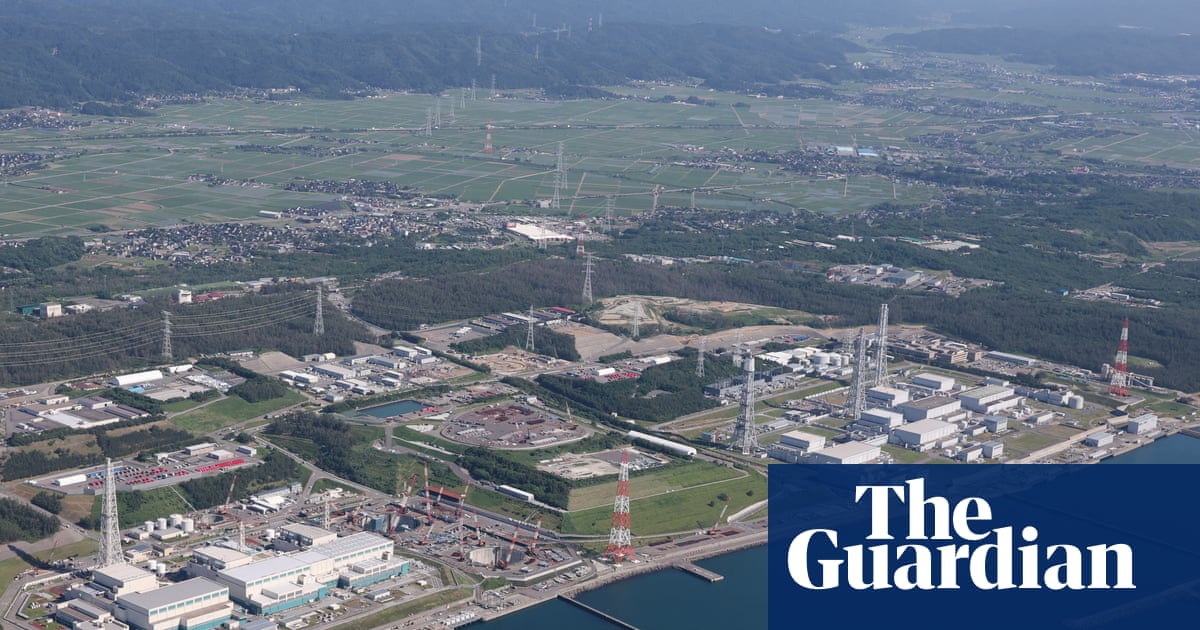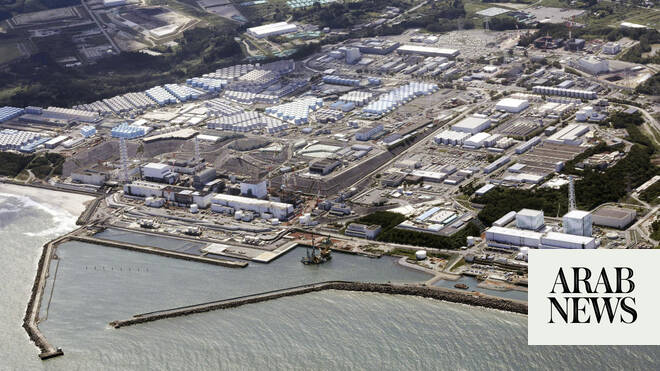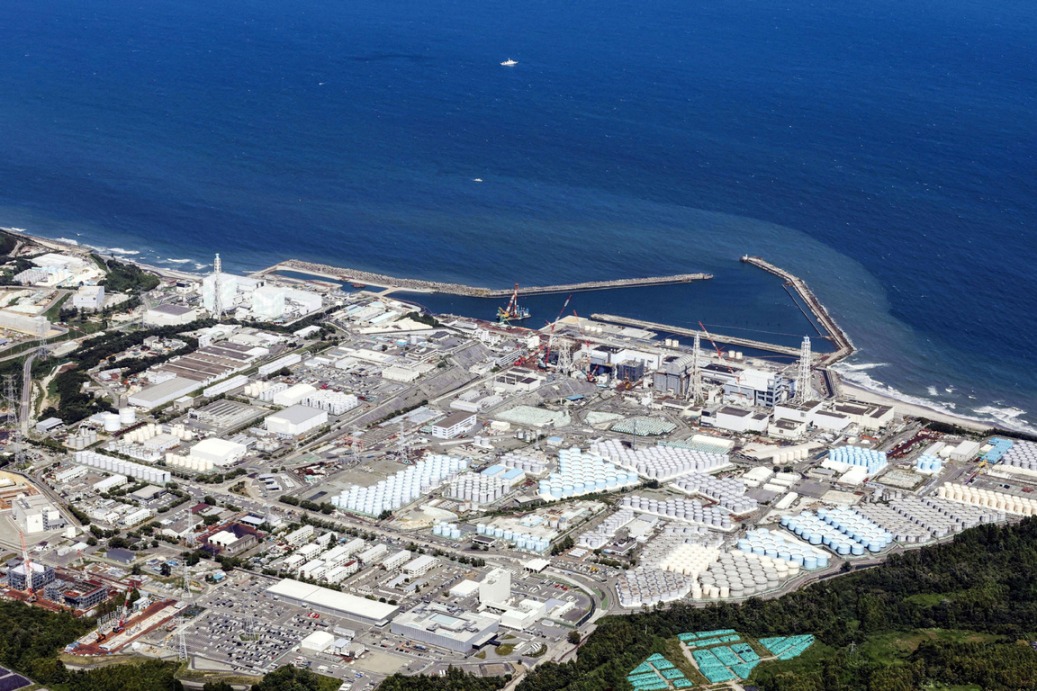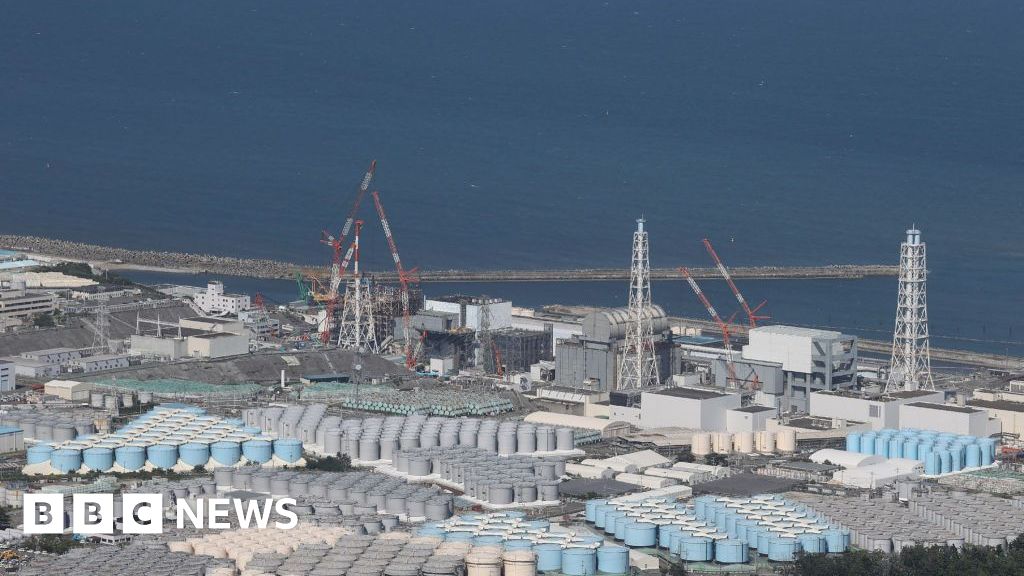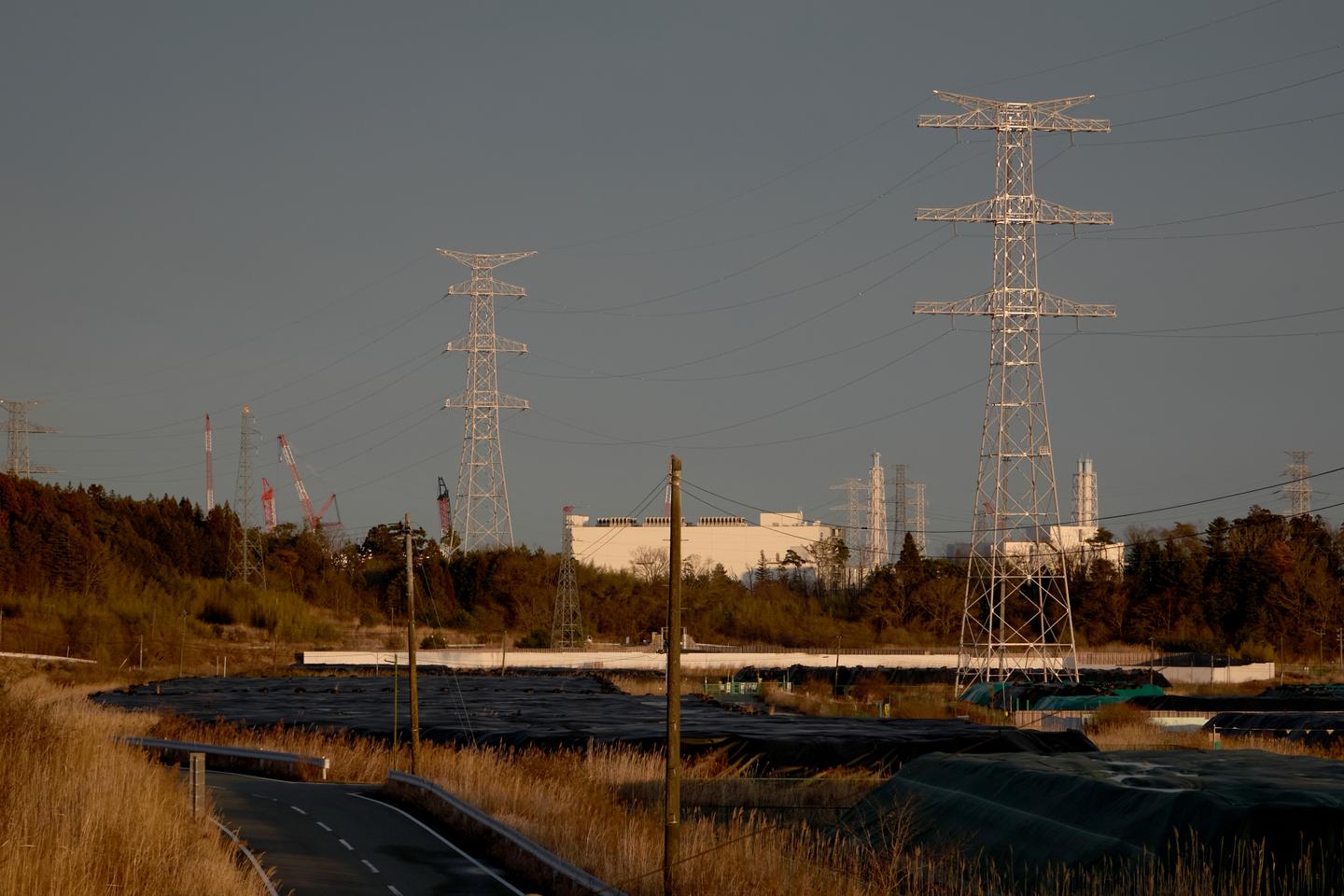
The Fukushima Daiichi nuclear power plant, March 9, 2026. HISASHI MURAYAMA FOR « LE MONDE »
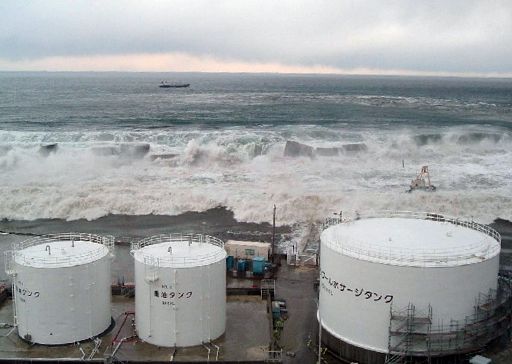
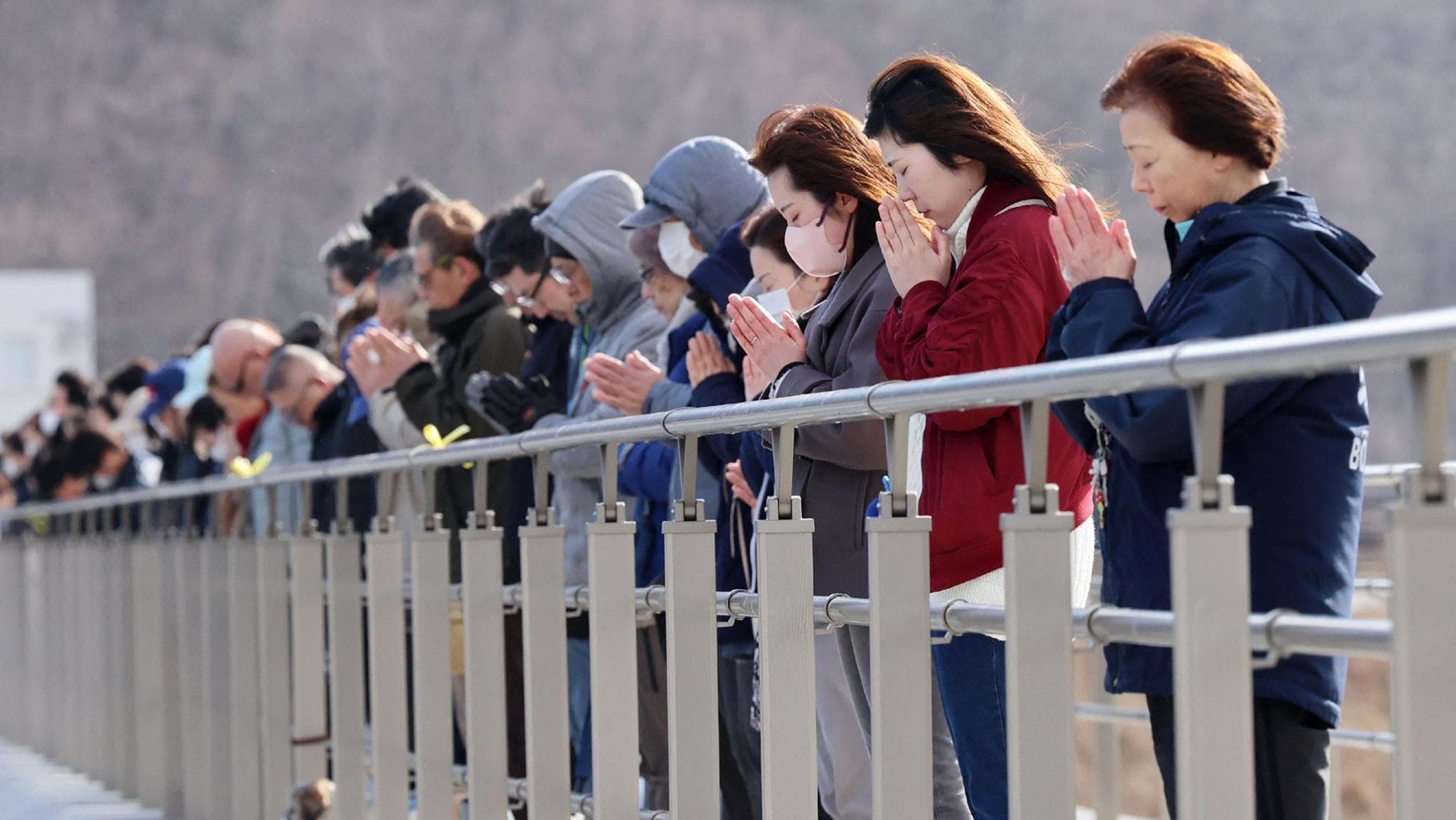
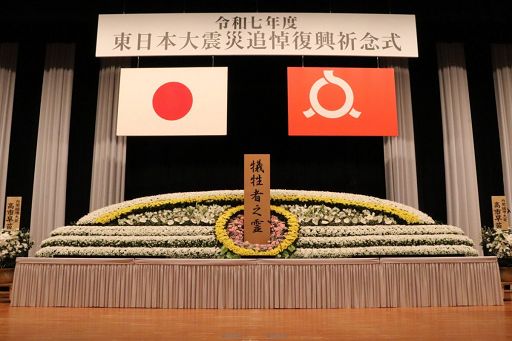
On March 11, 2011, an earthquake and tsunami triggered the meltdown of three reactor cores at the Fukushima Daiichi nuclear power plant in Japan. Populations were evacuated, the area was contaminated for the long term and part of the nuclear industry was shut down. Since then, the context has shifted. On Tuesday, March 10 – 15 years later, almost to the day –France hosted a global summit on civil nuclear energy, where about 20 countries called for the mobilization of funding for this energy source that is being presented as "a genuine sector of the future."
In a few weeks, April 26 will mark the 40th anniversary of the Chernobyl disaster in Ukraine (which was then part of the Soviet Union). Chernobyl and Fukushima are the two worst nuclear accidents in history, both classified as level 7 on the International Nuclear Event Scale (INES, from 0 to 7).
As nuclear energy attracts renewed global interest, and as France has included the construction of new reactors and the extension of its current fleet in its new energy roadmap, what lessons have we learned from these accidents?
You have 82.37% of this article left to read. The rest is for subscribers only.