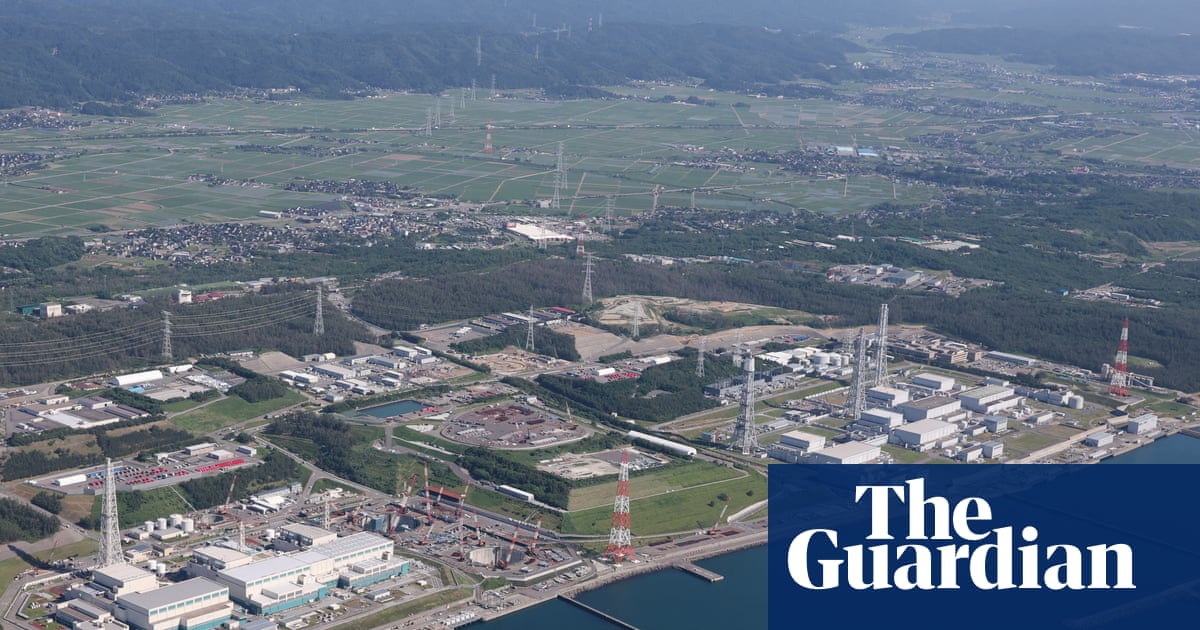
A return to nuclear power is at the heart of Japan’s energy policy but, in the wake of the 2011 disaster, residents’ fears about tsunamis, earthquakes and evacuation plans remain
T
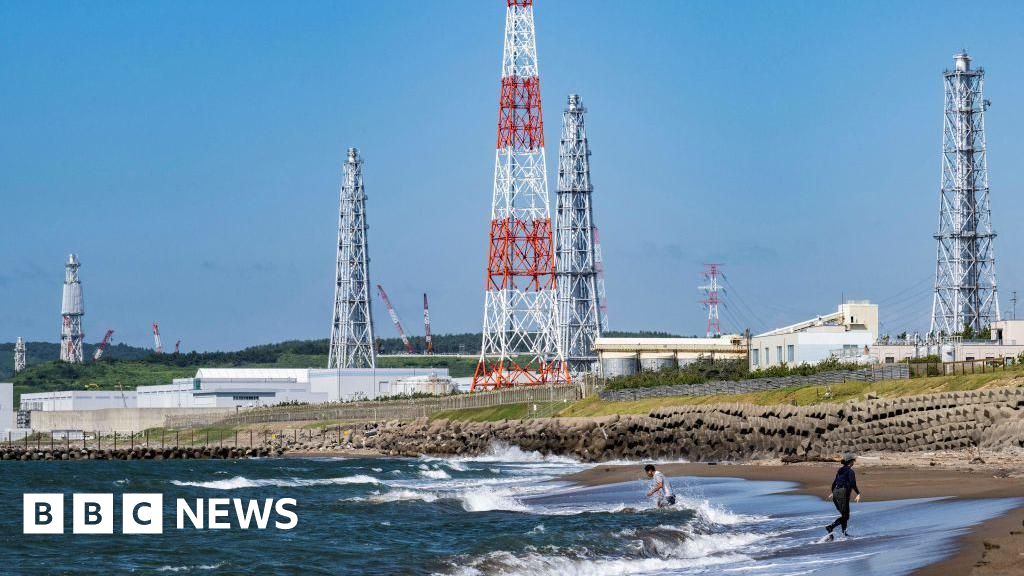
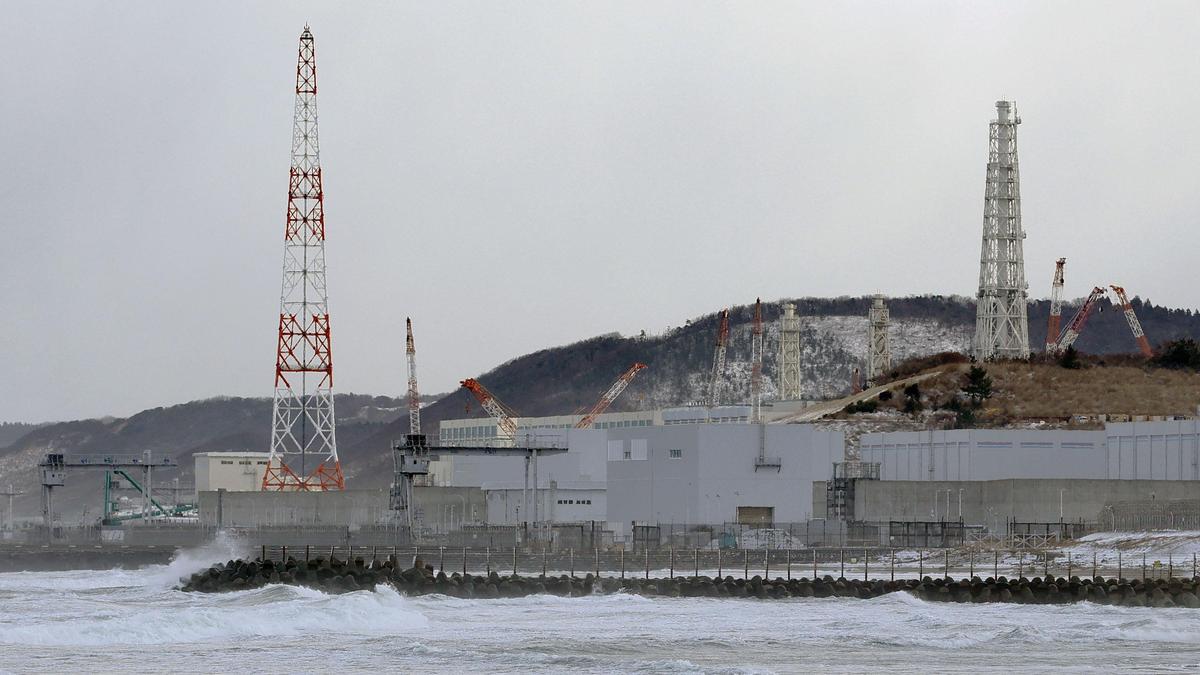
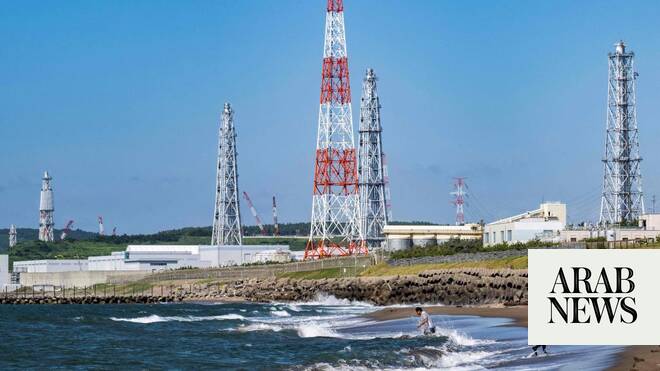
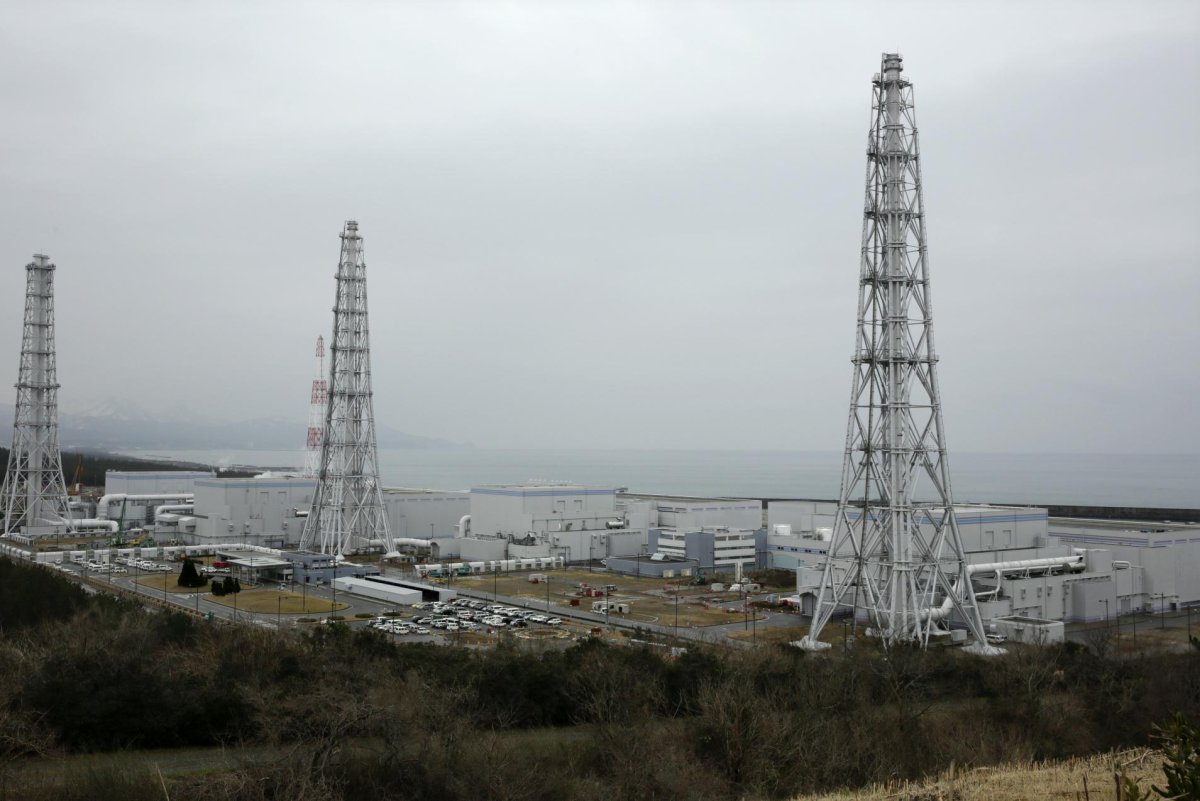
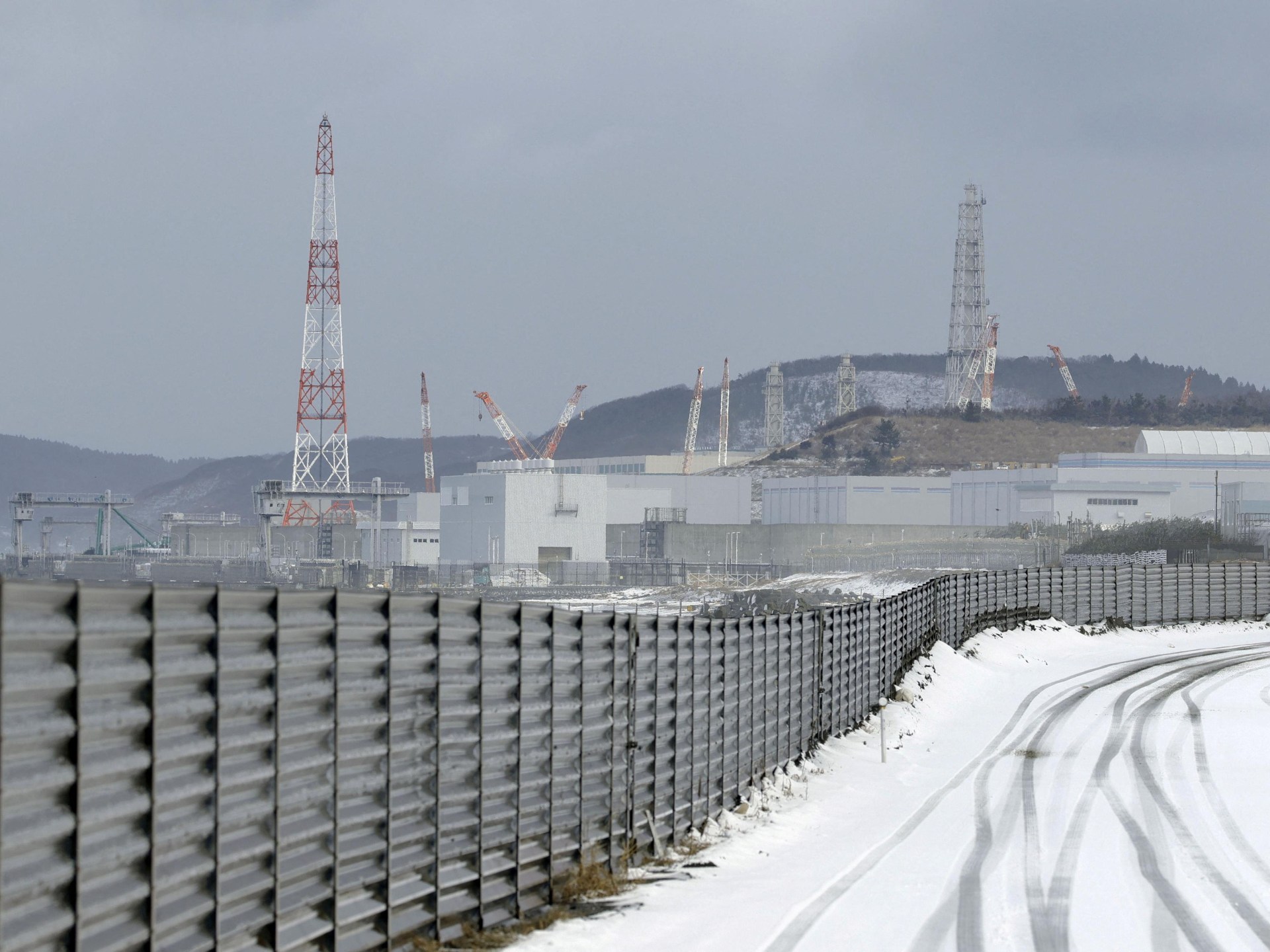
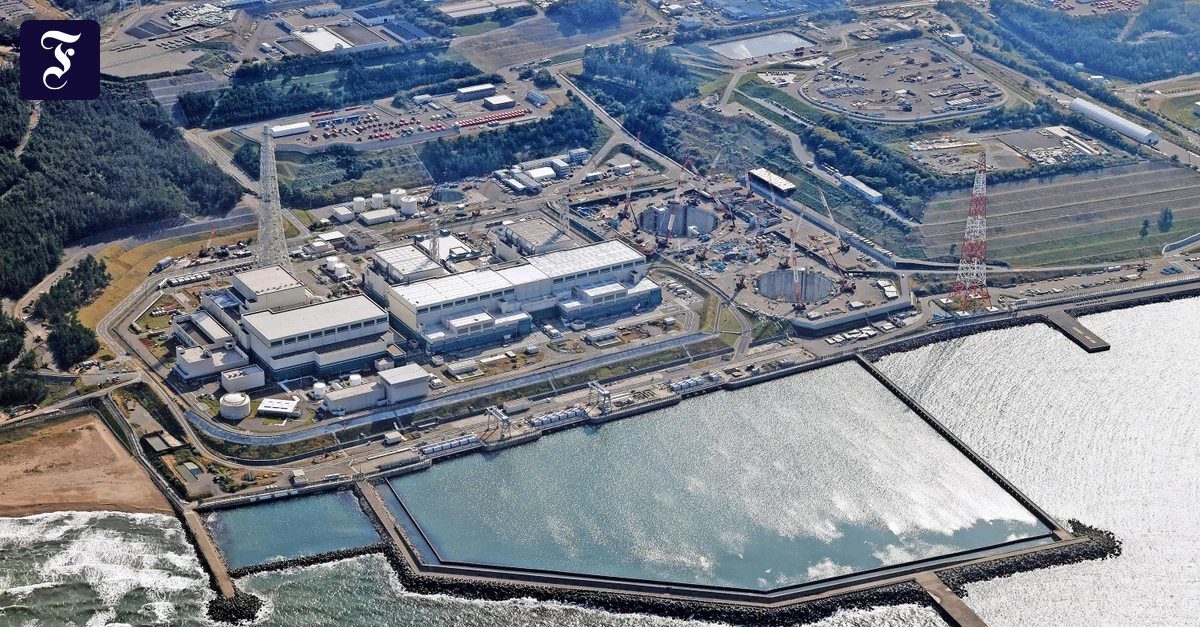
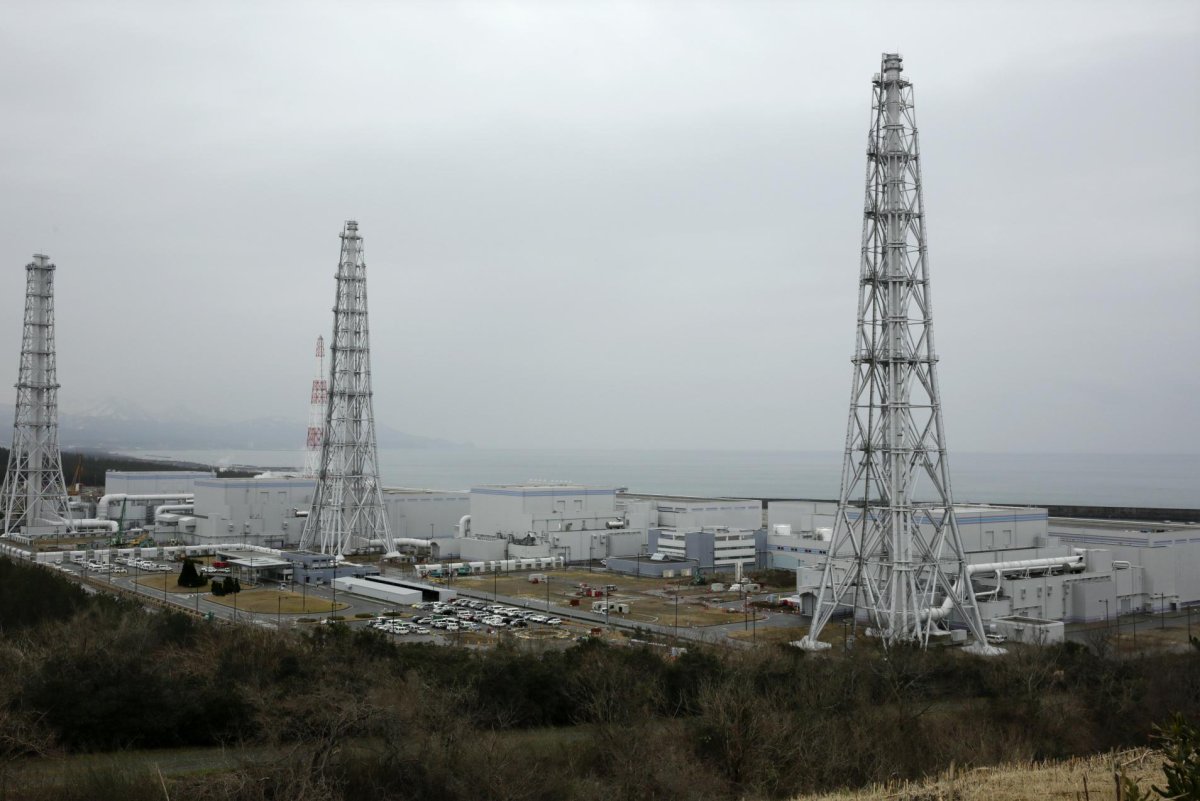
he activity around the Kashiwazaki-Kariwa nuclear power plant is reaching its peak: workers remove earth to expand the width of a main road, while lorries arrive at its heavily guarded entrance. A long perimeter fence is lined with countless coils of razor wire, and in a layby, a police patrol car monitors visitors to the beach – one of the few locations with a clear view of the reactors, framed by a snowy Mount Yoneyama.
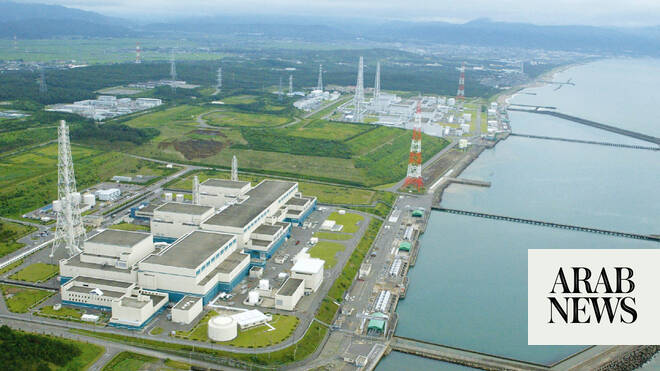
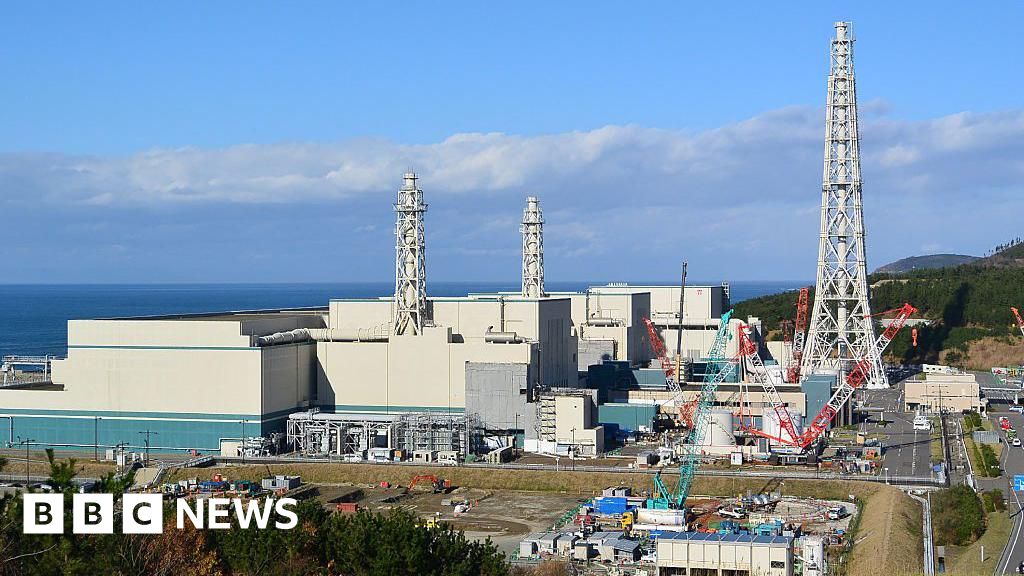
When all seven of its reactors are working, Kashiwazaki-Kariwa generates 8.2 gigawatts of electricity, enough to power millions of households. Occupying 4.2 sq km of land in Niigata prefecture on the Japan Sea coast, it is the biggest nuclear power plant in the world.
Since 2012, however, the plant has not generated a single watt of electricity, after being shut down, along with dozens of other reactors, in the wake of the March 2011 triple meltdown at Fukushima Daiichi, the world’s worst nuclear accident since Chornobyl.