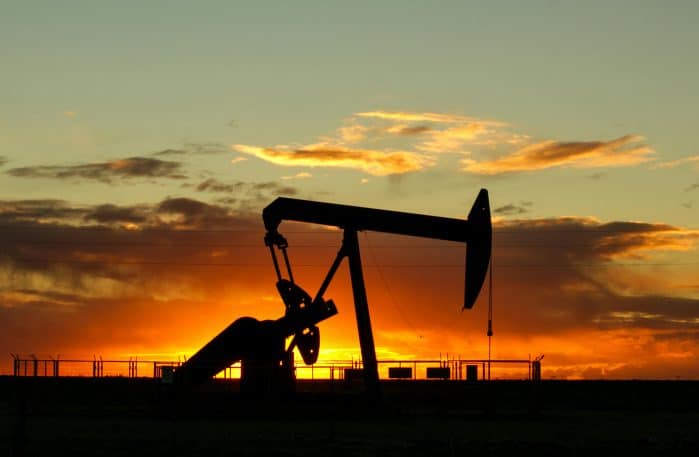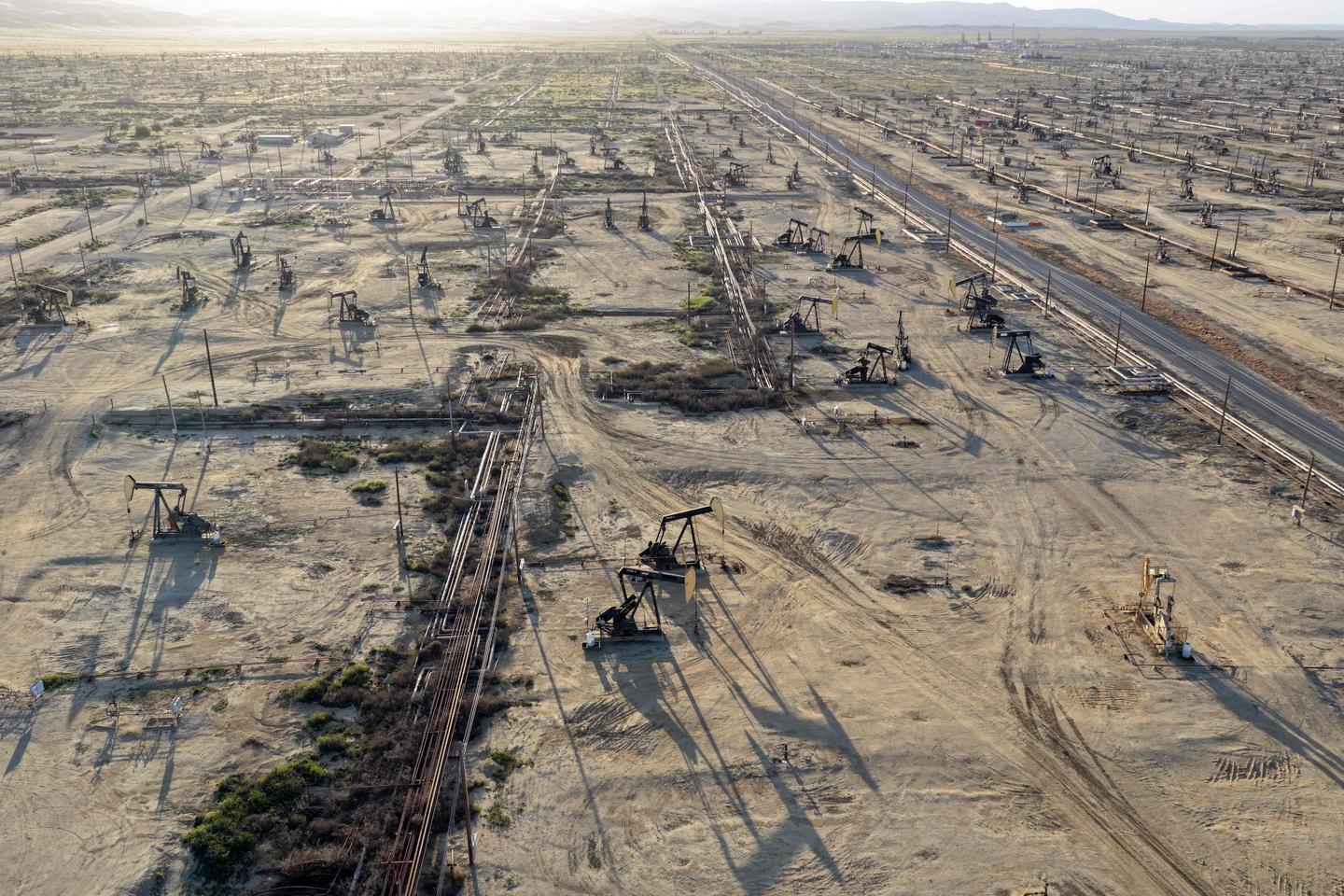
The Belridge oil field, near McKittrick, California, March 10, 2026. MARIO TAMA/GETTY IMAGES NORTH AMERICA/AFP
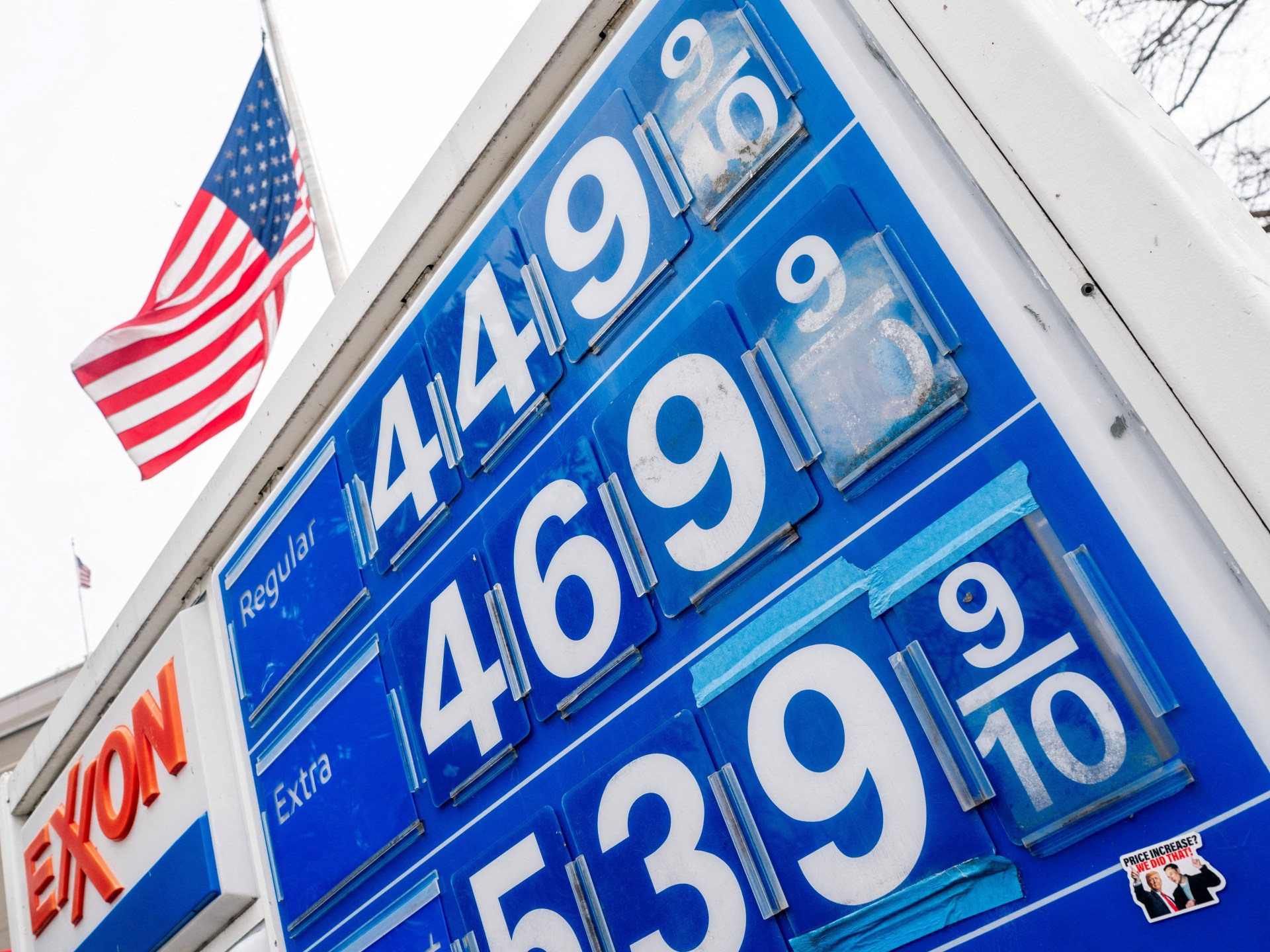
All US political leaders have been closely watching oil prices for the past 10 days. With eight months to go before the November midterm elections, the sharp rise in oil prices linked to the US-Israeli offensive against Iran, which threatens to drive up the cost of living, is widely seen as detrimental to the American economy, and by extension, the Trump administration. The risk is real, particularly for energy-intensive industries, but it is important to remember that in just a few years, the United States has become the world's leading oil producer, and high oil prices benefit the country in certain ways. At the very least, they benefit the oil and gas sector, if not consumers.
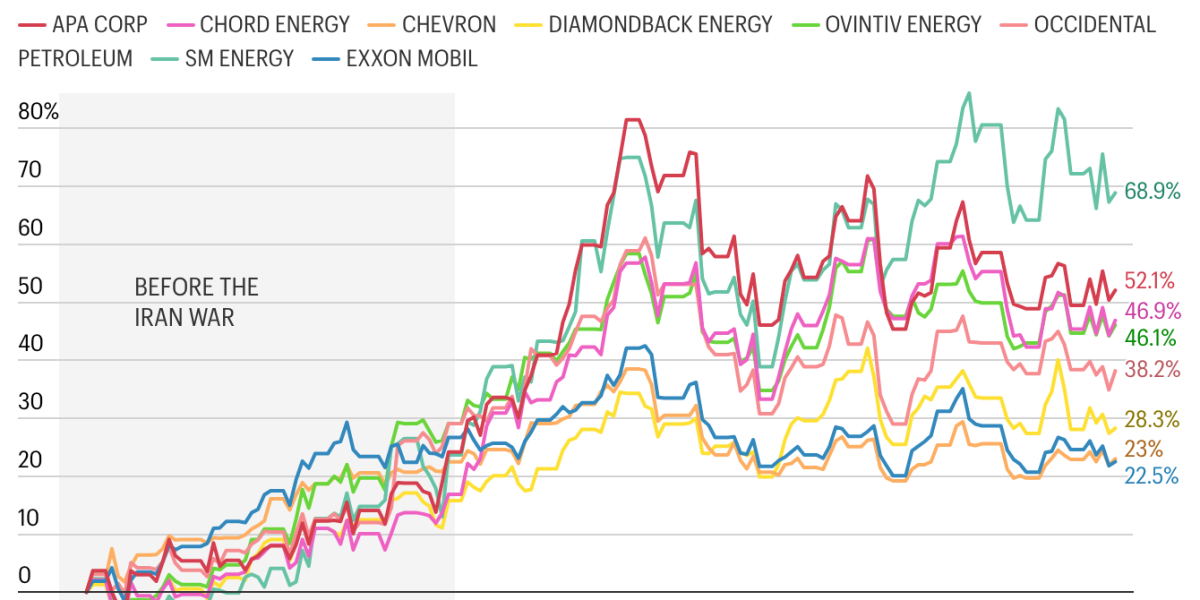
To what extent are US oil majors benefiting from the ongoing crisis? At first glance, the situation appears to play in their favor. Roughly 20% of the world's daily oil consumption typically passes through the Strait of Hormuz from Gulf countries, a route that is now blocked. US companies, which are relatively shielded from this disruption – even though some have a financial stake in the Gulf – should gain a competitive edge as a result.