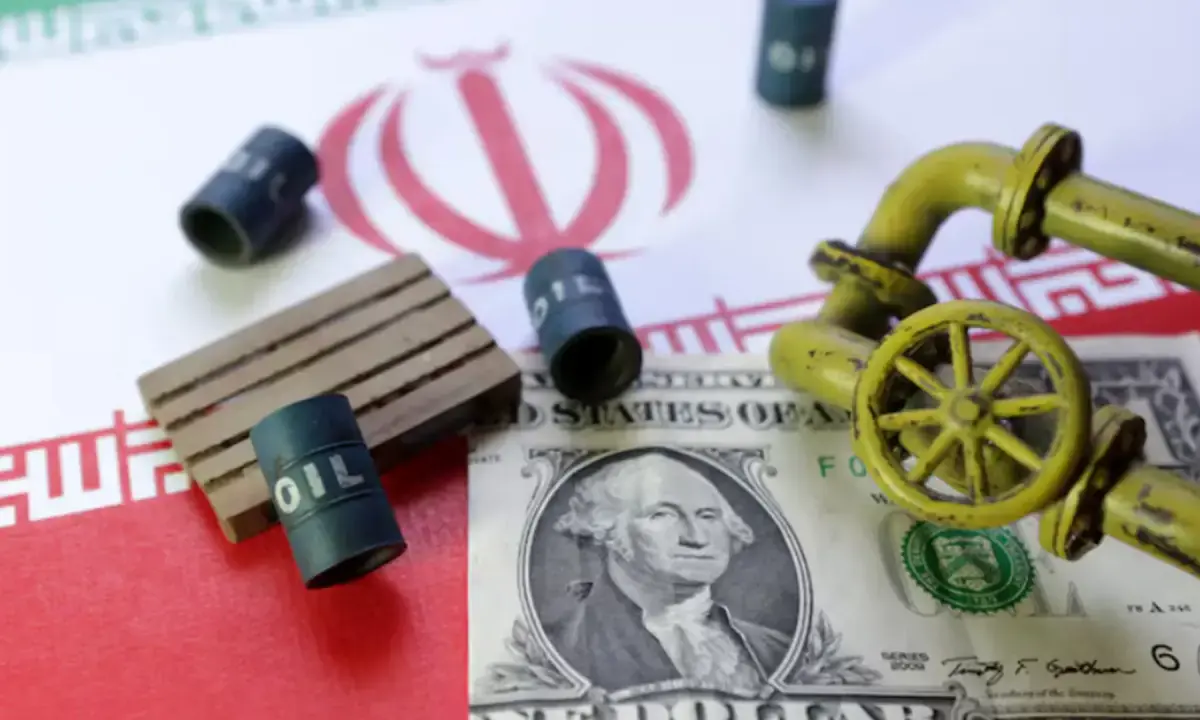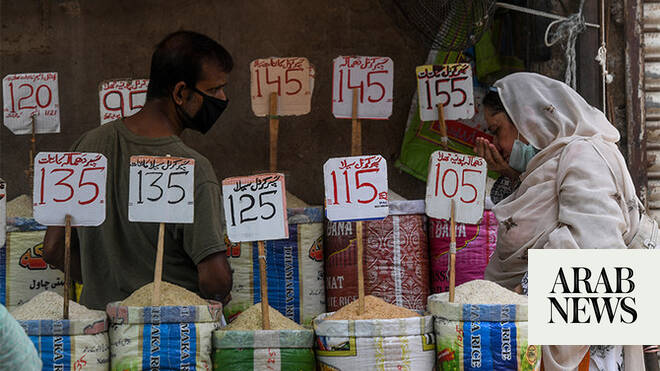
KARACHI: Pakistan’s fragile economic recovery could face renewed inflationary pressure if global oil prices surge to $130 per barrel amid the escalating Middle East conflict, economists and industry stakeholders warned this week.
The warning comes after crude prices briefly spiked above $110 per barrel following hostilities involving the United States, Israel and Iran, raising fears of disruptions to energy shipments through the Strait of Hormuz, a strategic waterway that carries roughly one-fifth of the world’s oil supply.
Although prices have since retreated from their recent highs, analysts say continued volatility could quickly translate into higher fuel costs in Pakistan, which imports most of its energy needs.
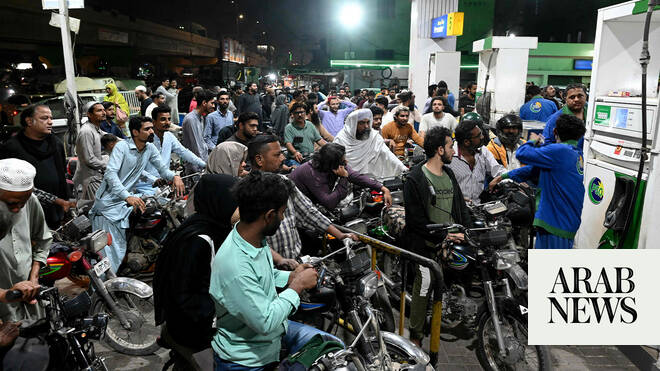
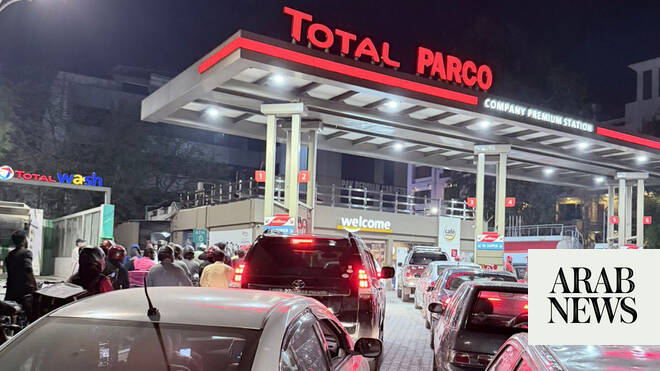
On Friday, Pakistan raised consumer prices for diesel and petrol about 20 percent, citing the higher oil prices caused by the Iran war. Last week, the central bank said headline inflation accelerated to 7 percent in February from 5.8 percent in January, while core inflation reached about 7.6 percent.
It said inflation could remain above 7 percent through the rest of the fiscal year ending in June and into the next fiscal year, though improved food supply and better agricultural prospects may partly offset pressure from higher energy prices.