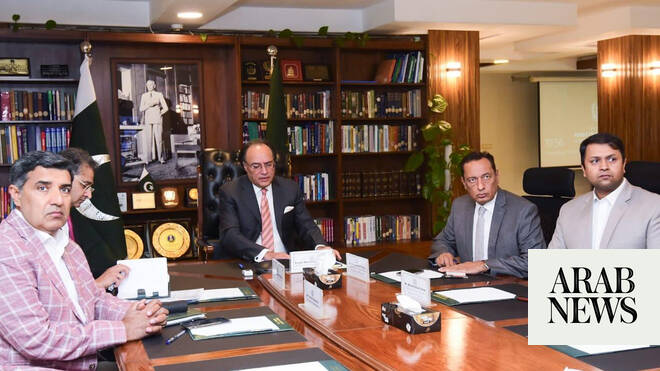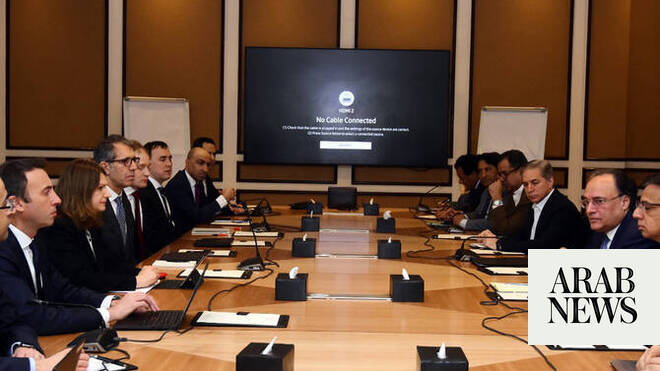
KARACHI: Pakistan’s Finance Minister Muhammad Aurangzeb this week told a visiting International Monetary Fund (IMF) delegation that volatility in global energy markets poses potential risks for the country’s economic recovery, as oil prices rise sharply amid the ongoing conflict between US, Israel and Iran in the Middle East.
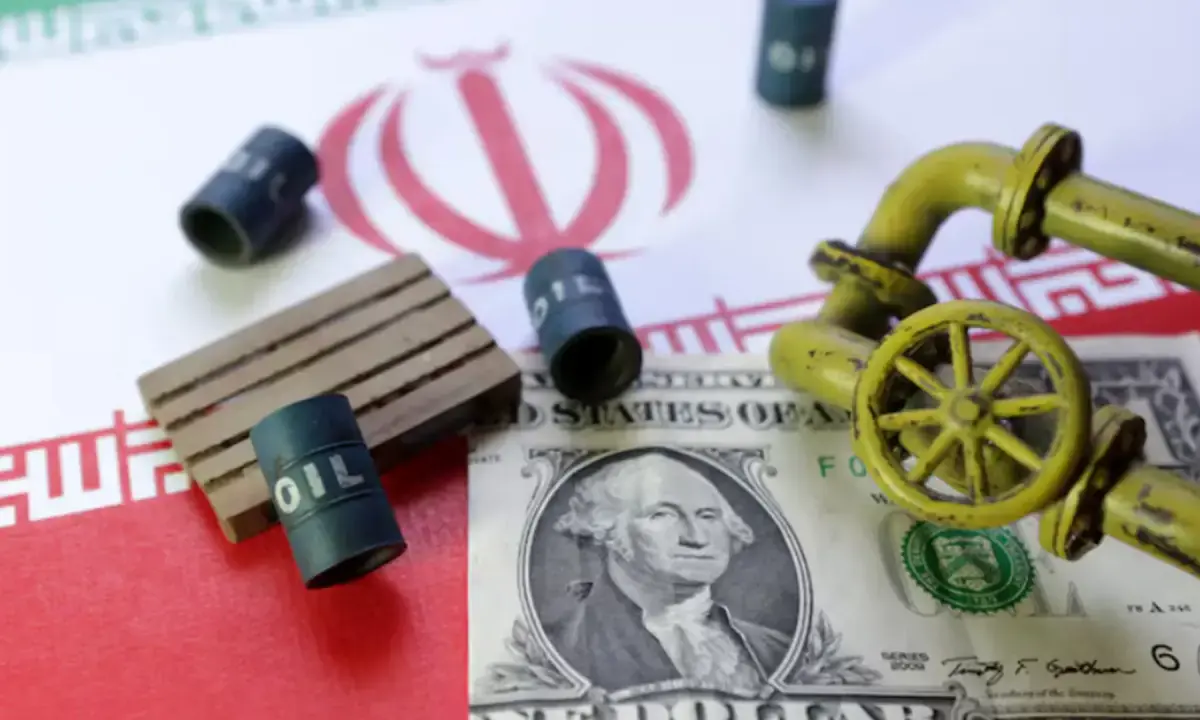
Oil prices rose sharply on Monday as US and Israeli attacks on Iran, as well as Tehran’s retaliatory strikes around the Gulf sent disruptions through the global energy supply chain. Attacks throughout the region, including on two vessels traveling through the Strait of Hormuz, have restricted countries’ ability to export oil to the rest of the world.
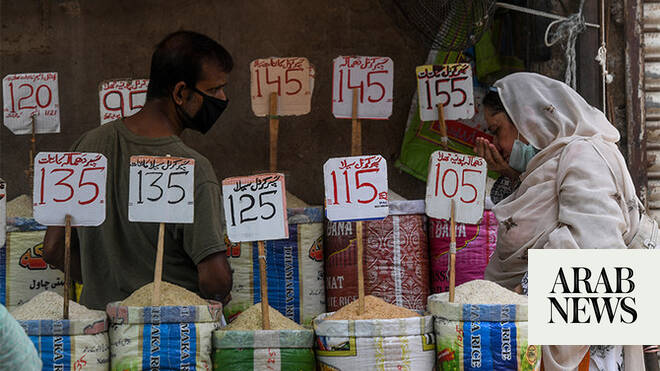
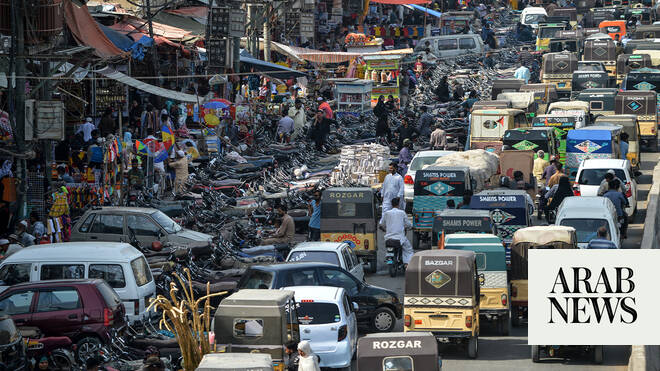
Higher global energy prices could lead to consumers worldwide paying more for petrol and shelling out more for groceries and other goods, at a time when many in Pakistan and around the world are already feeling the impacts of inflation.
Pakistan began formal talks with an IMF delegation on Monday, as Islamabad prepares for the next review of its $7 billion bailout program. The IMF team is in Pakistan to conduct a review under the Extended Fund Facility (EFF) approved in September 2024, a multi-year program aimed at stabilizing the economy after a balance-of-payments crisis, high inflation and dwindling foreign exchange reserves.