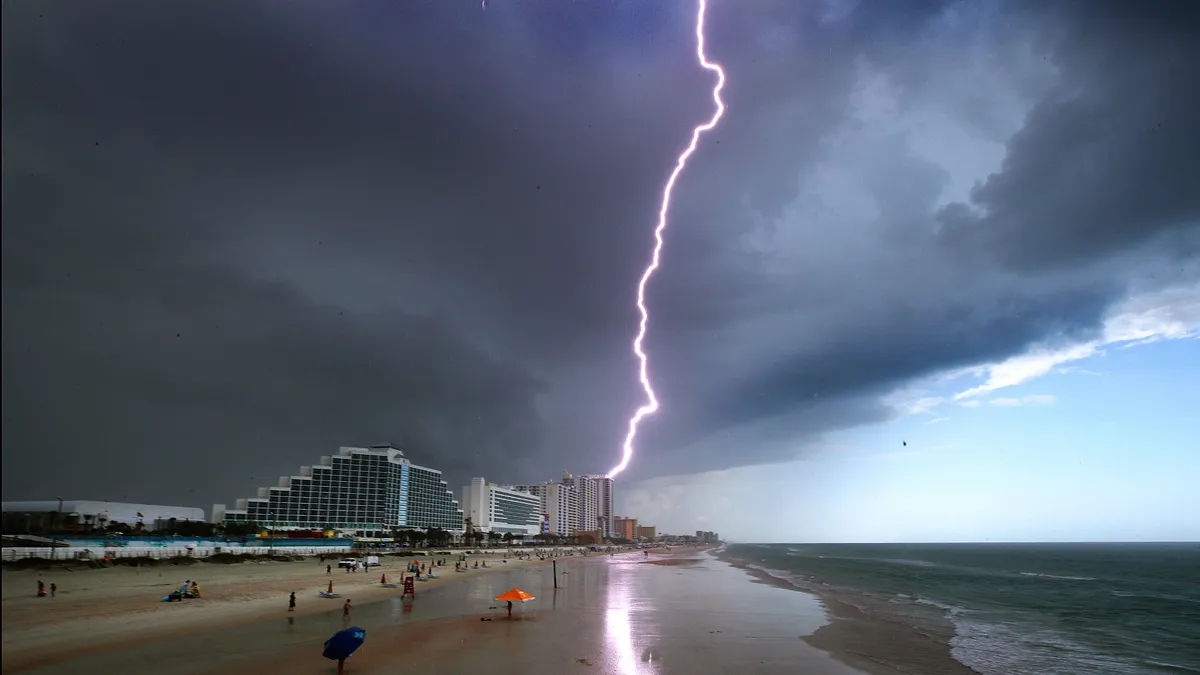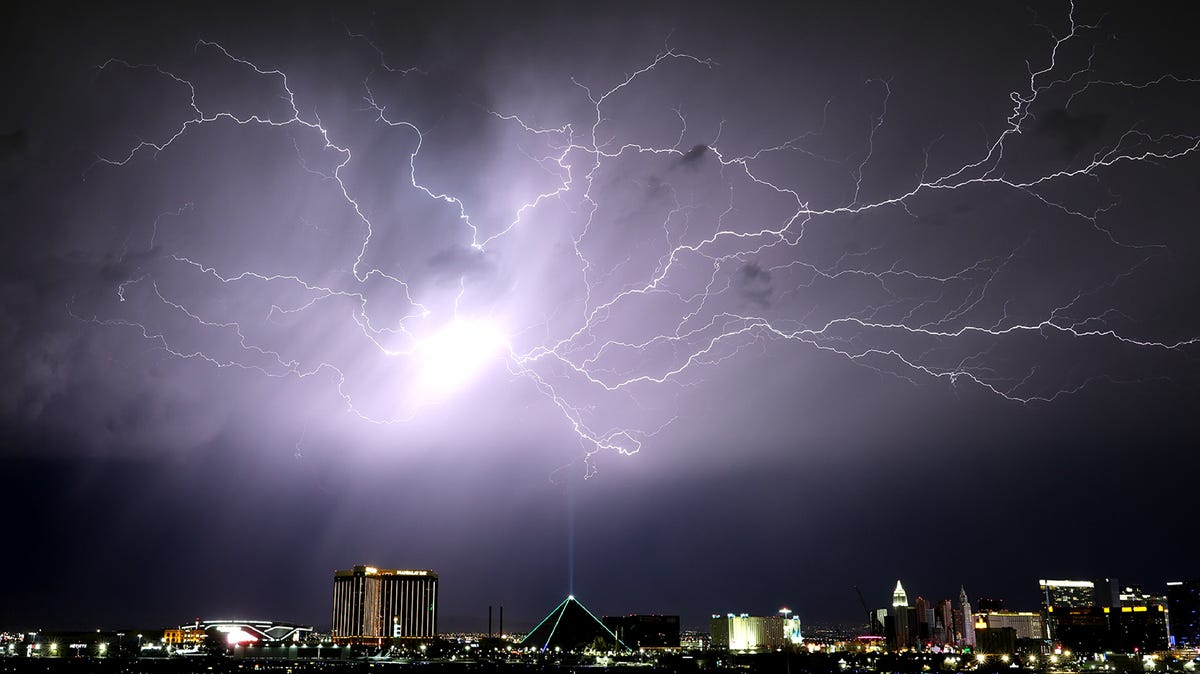
As spring approaches, we can expect more severe storms, which can bring deadly lightning strikes. While summer is the busiest season for storms, springtime brings greater activity as temperatures rise and thunderstorm frequency increases.
The United States and its territories reported 21 lightning-related deaths last year. This marks the highest annual number of lightning-related deaths in the U.S. since 2019 and is slightly higher than the 10-year average of 20, according to the National Lightning Safety Council.
Here is a breakdown of when and where lightning struck in the United States in 2025 based on data from Vaisala Xweather, a meteorological data company.
There are two essential elements that are necessary for thunderstorms to form: moisture and fast-rising warm air. The combination of high humidity and high temperatures causes large amounts of warm, moist air to rise into the atmosphere. That's where it can easily produce a thunderstorm and the chance of lightning, according to the National Weather Service.
The chart below provided by Xweather shows the valleys of calmer weather and the peaks of lightning activity as storm systems moved across the country last year.