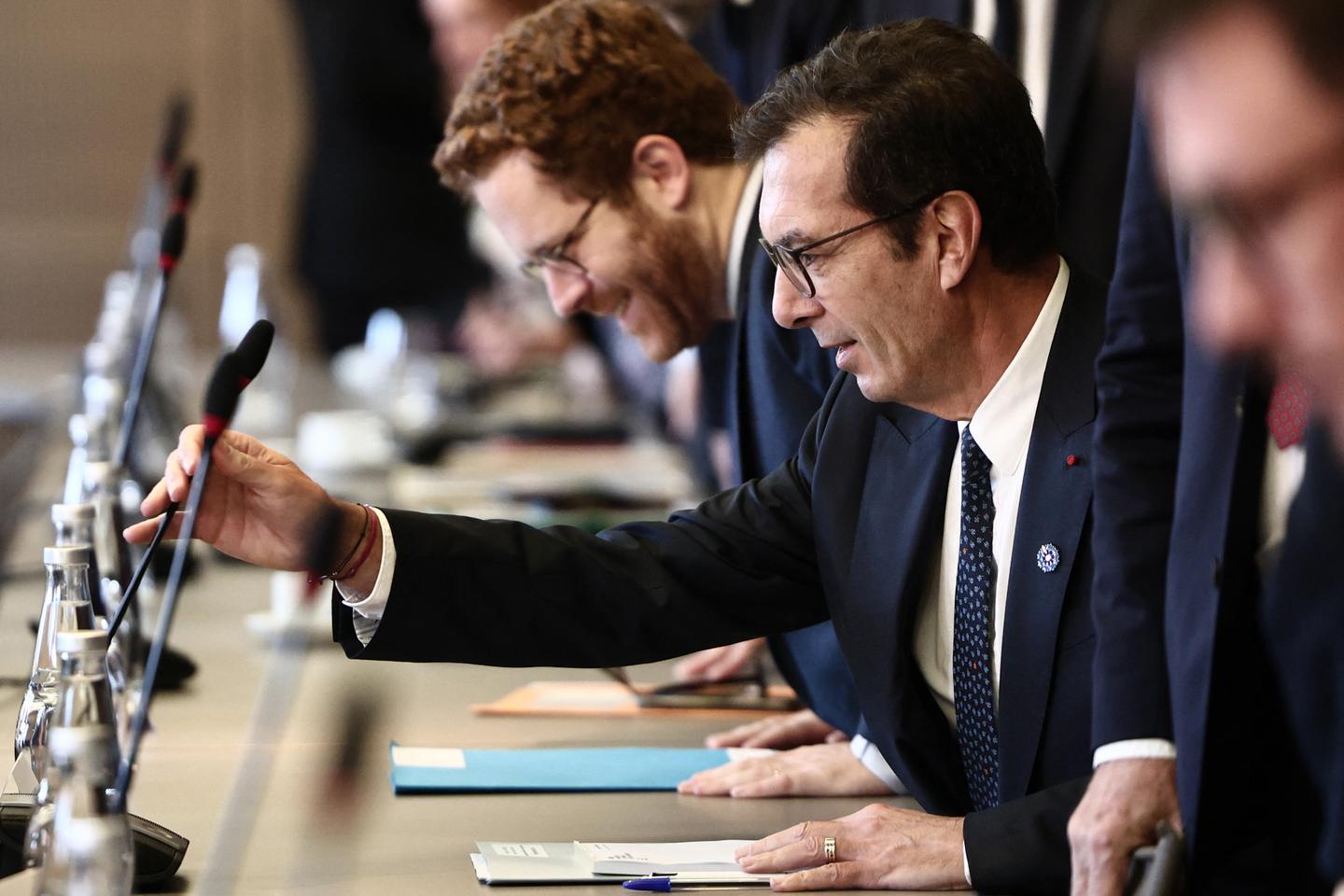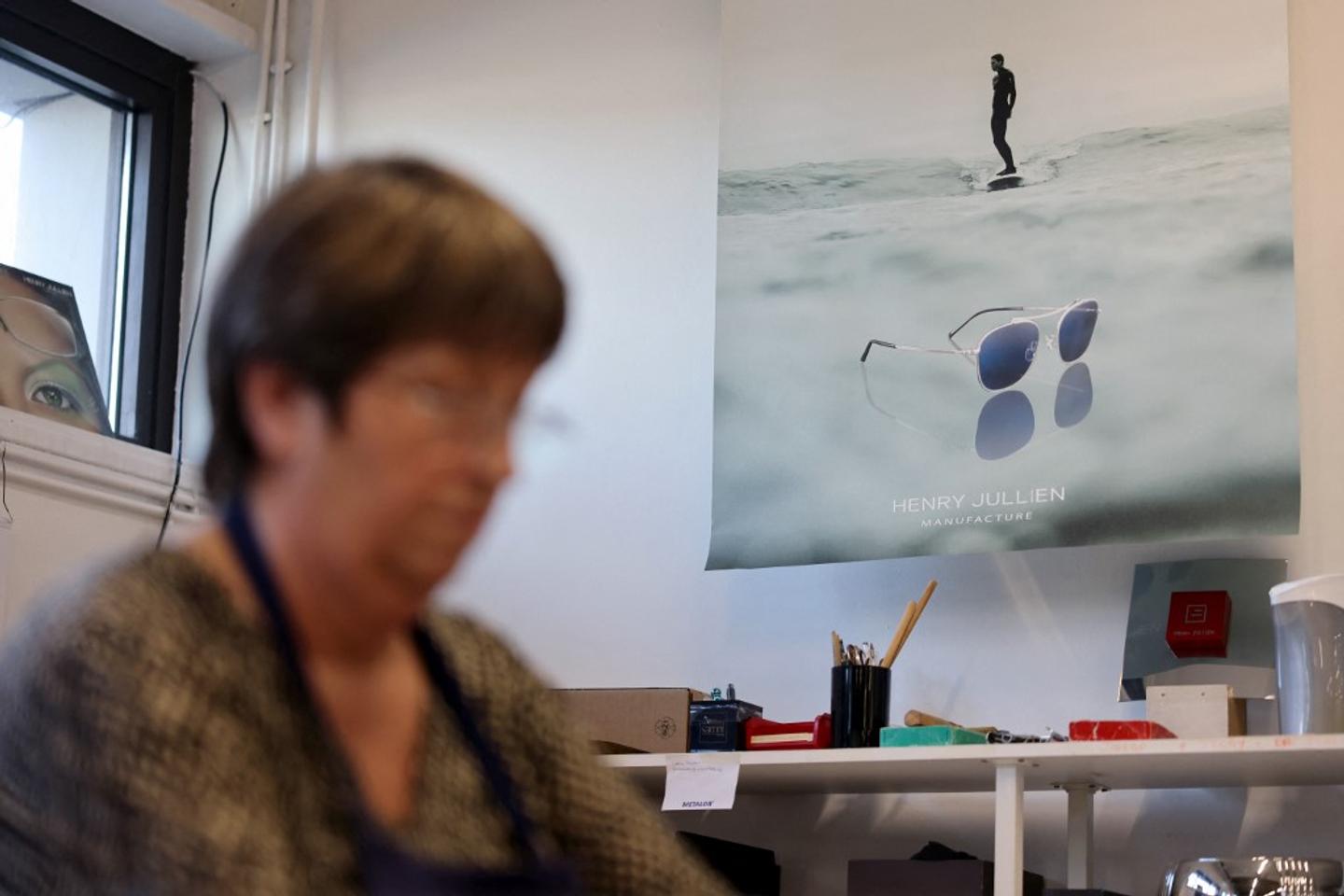
In the offices of the French eyewear manufacturer Henry Jullien in Lons-le-Saunier, January 29. ALEX MARTIN/AFP
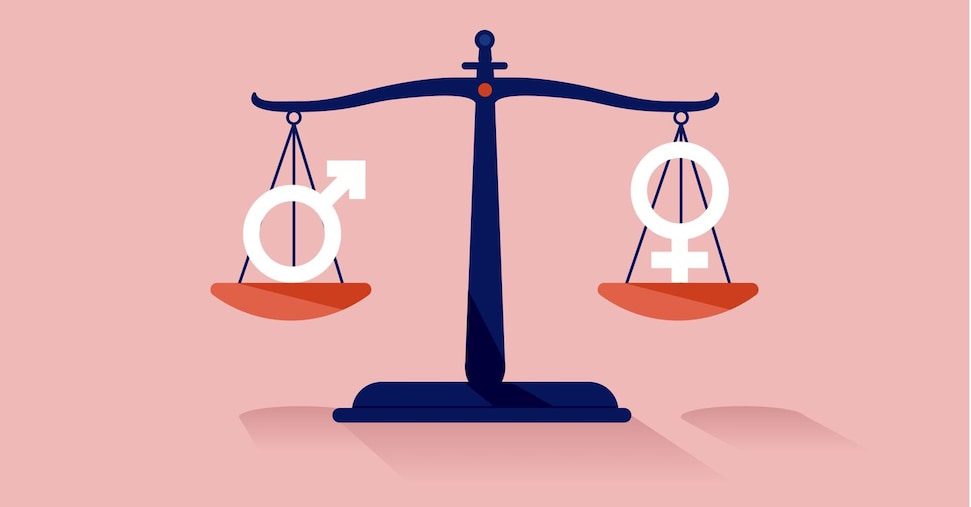
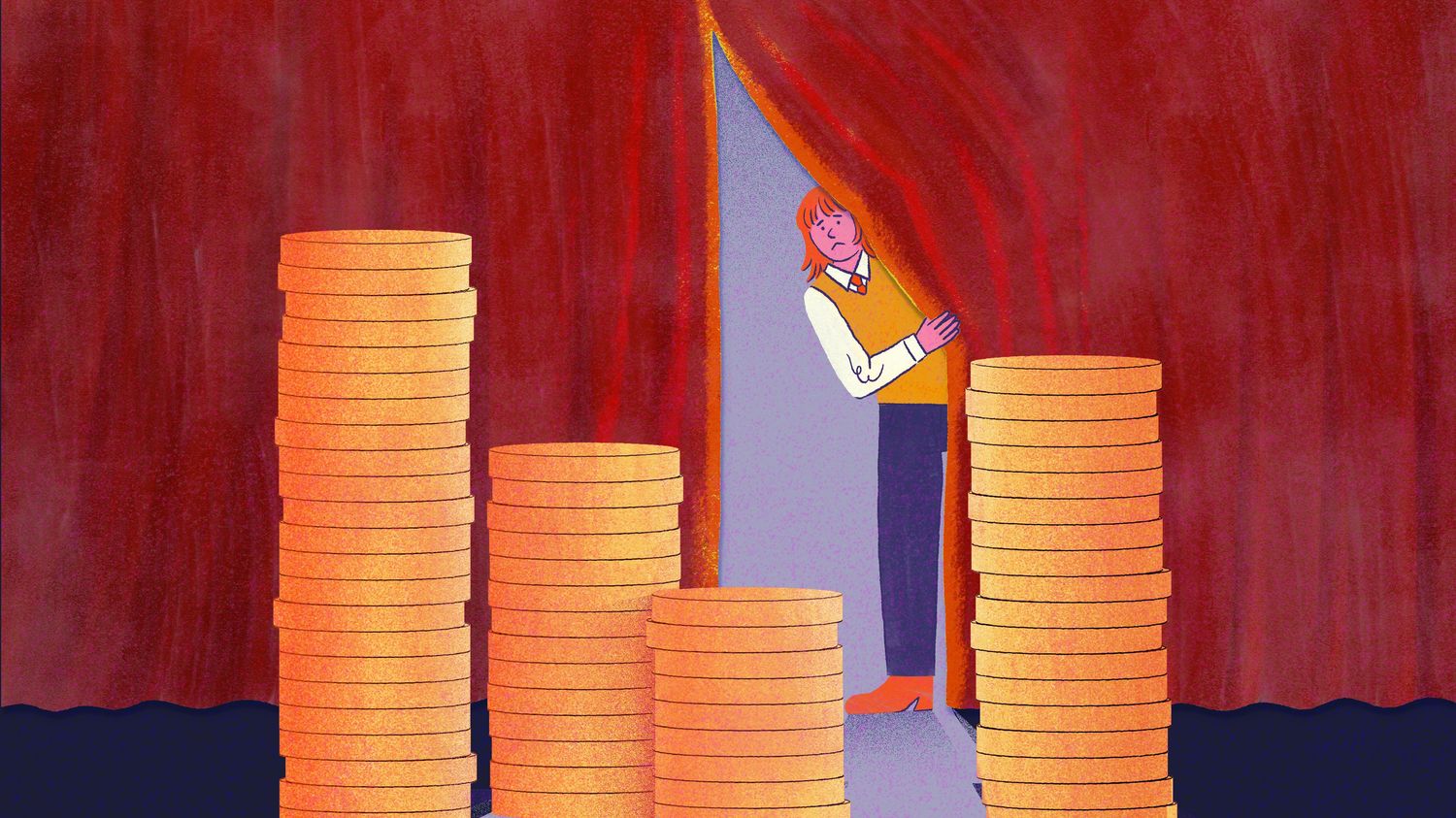
The fight for pay equality between male and female executives is far from won in France. In 2025, women still earned 16% less than their male colleagues (gross, including bonuses, on a full-time equivalent basis), a gap that has remained steady since 2018. When comparing equivalent profiles – that is, after factoring out the effects of job type, sector, age, company size, and so on – women still earned 6.8% less than men. This difference, too, has held steady for seven years. Forty percent of women executives felt they had fewer opportunities to succeed in their company compared to their male counterparts.
These are the main findings of the study published on March 3 by the Association for the employment of executives (APEC), which surveyed a sample of 2,000 executives and 1,000 private-sector companies in December 2025. The reasons for the persistence of pay gaps are well known. The gross gap – the aforementioned 16% difference – is largely due to the gendered division of professions. Women executives are underrepresented in the highest-paid roles (such as industrial production and IT) and at the top of corporate hierarchies. Conversely, they are overrepresented in less lucrative sectors (healthcare, welfare, culture, training, communications, human resources, and so forth) and in lower levels of the organization.