https://arab.news/vwt26
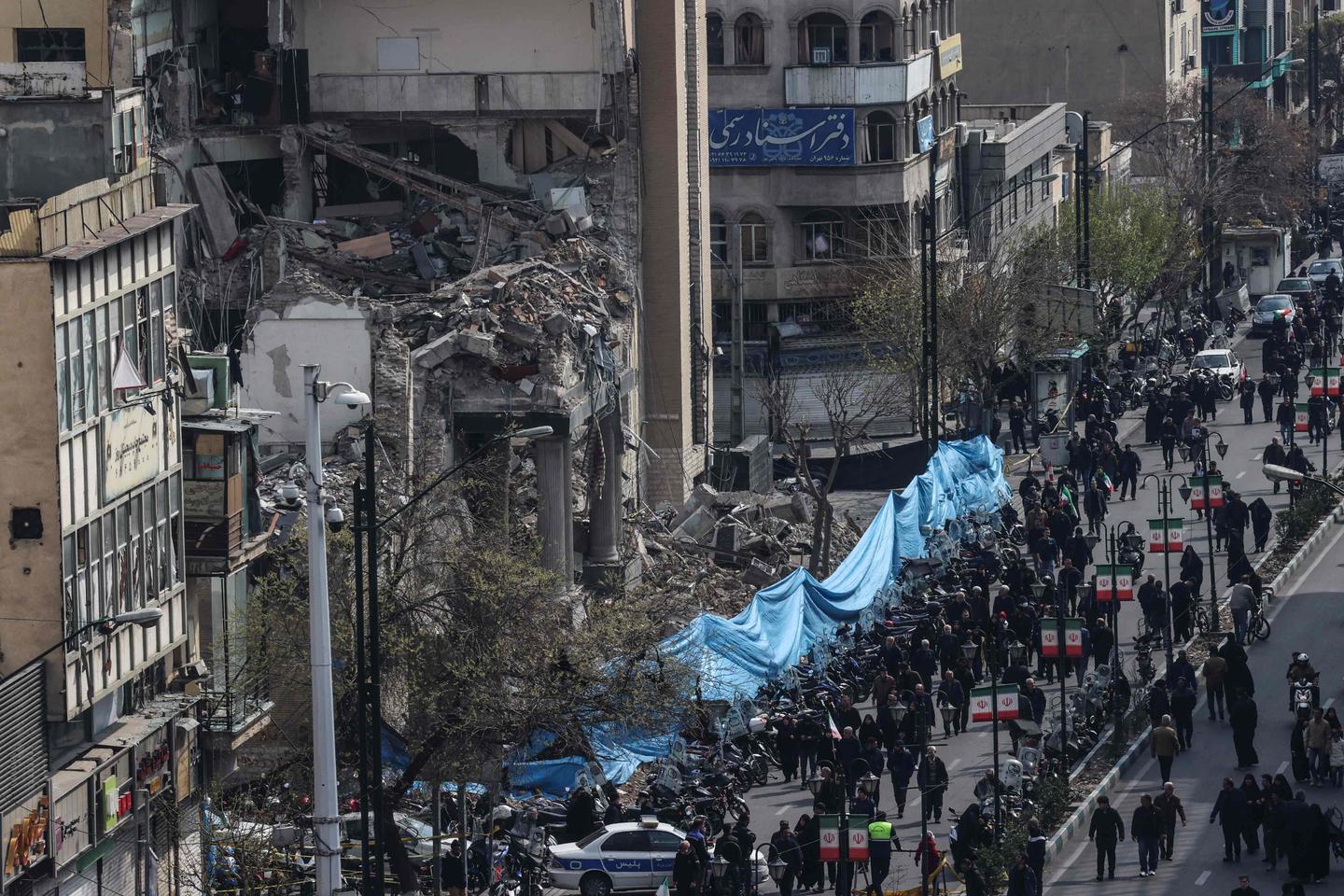
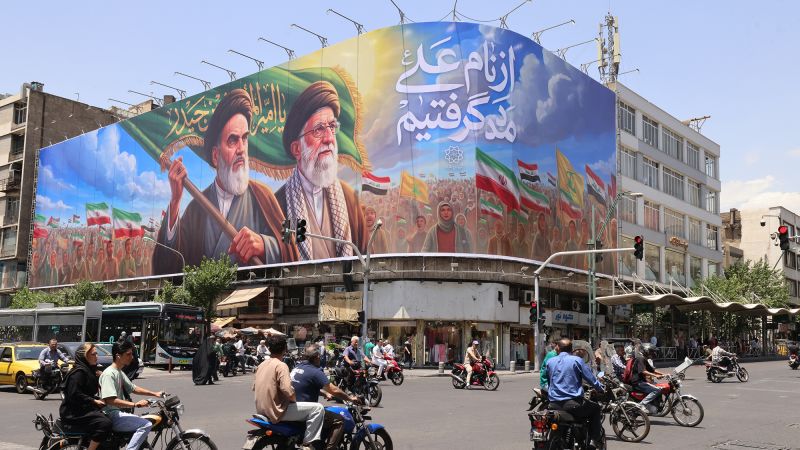
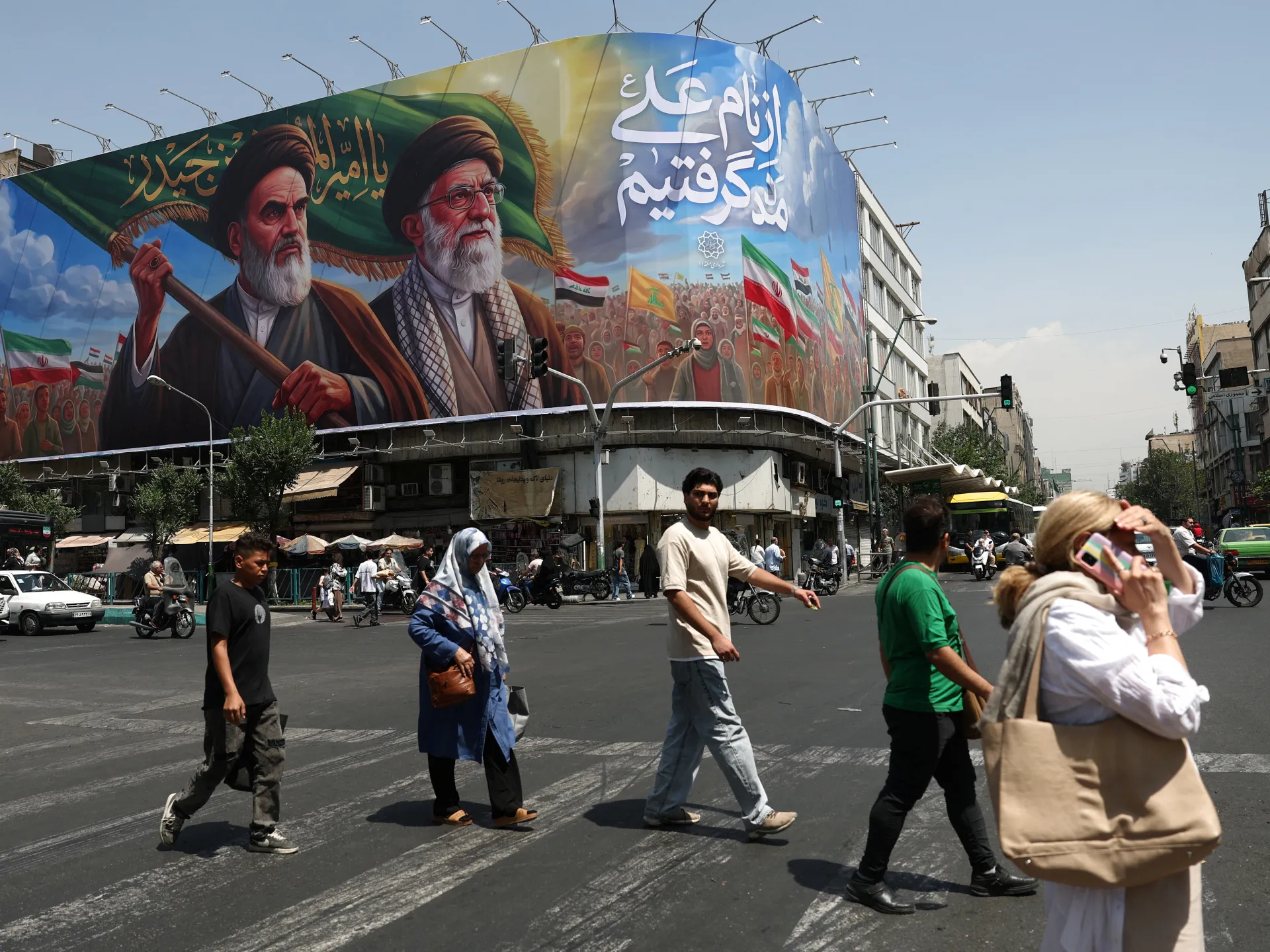
Although only one week has passed since the outbreak of large-scale war, the imbalance in the balance of power is already undermining the capabilities of Iran’s regime, which had long refused to give up these capabilities through negotiations. The outcome is largely expected, despite Iran’s extensive propaganda.
From an analytical perspective, the early results can be viewed as a success in containing the Iranian threat, even if they fall short of a complete victory. At the same time, however, the regime itself remains intact. Current assessments suggest the fighting could end within a few weeks, perhaps even sooner if the Iranian Islamic Revolutionary Guard Corps, which effectively controls decision-making in Tehran, accepts a form of partial surrender that allows the system to survive.
So far, the signs of what will come after the war do not suggest that the regime is on the verge of collapse, either through internal unrest or external pressure.
That may mean the world will have to accept living with a weakened but still functioning regime. This recalls the “Safwan tent” scenario, when Iraq signed its surrender after its defeat in Kuwait and the destruction of much of its military. Saddam Hussein’s regime remained in power for another 12 years before it was finally removed in 2003. A similar pattern may now be unfolding.