Most residents of Canadian province wanted change for years; Trump’s unneighbourly rhetoric helped seal the deal
Since 1918, the clocks in Creston, a town in eastern British Columbia, ran an hour ahead of nearby communities for half the year. For the other six months, they slipped back into sync. Not because they town changed them but because its neighbours changed back and forth from daylight saving time.
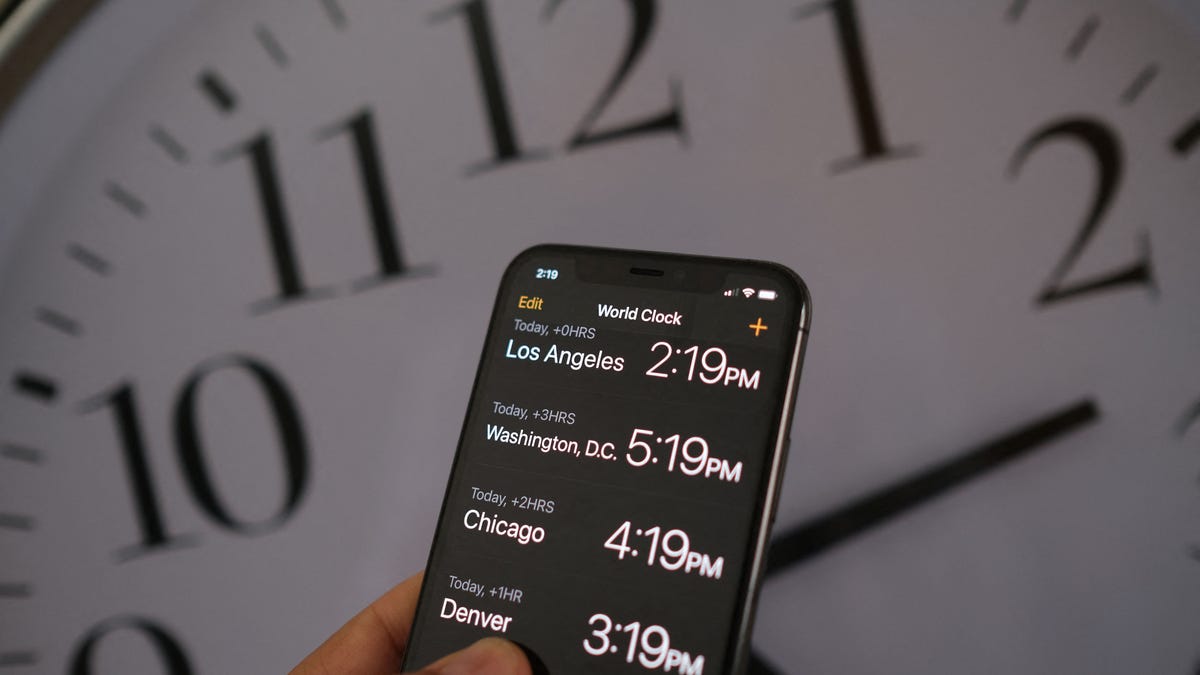
Creston was an outlier: a community that effectively created its own time zone. But when residents in most parts of the province shift their clocks forward on Sunday, they will be doing it for the last time – and permanently joining Creston for the first time in nearly 70 years.
Last week, British Columbia announced plans to create the Pacific time zone, a decision that reflects both a broad dislike in the province of changing clocks – and an increasingly tense relationship with the United States. But the province then said that while it will create the new Pacific time zone, municipalities will be free to choose their own time zones, raising the possibility of more “time zone islands” like Creston.
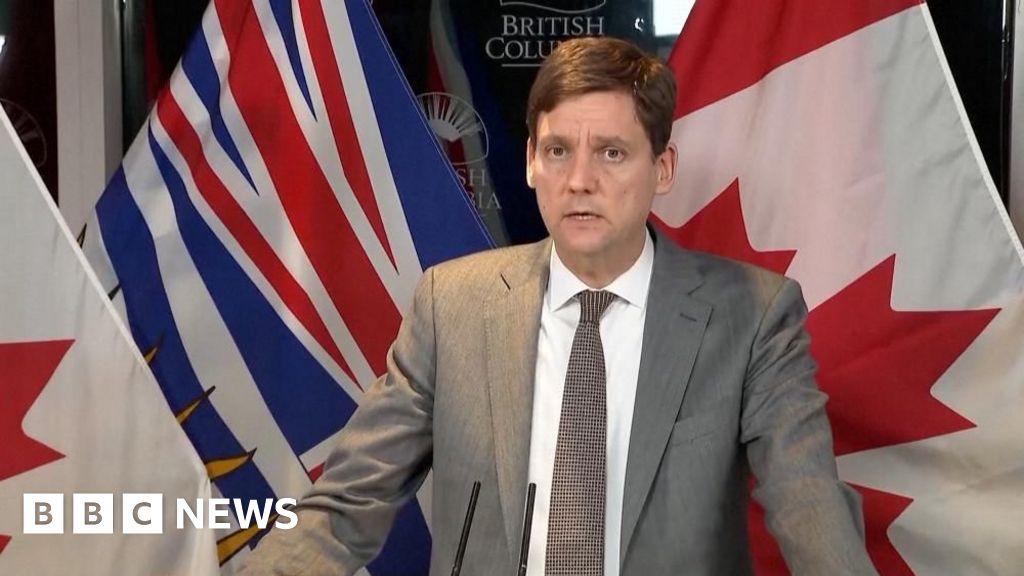
“We are done waiting. British Columbia is going to change our clocks just one more time – and then never again,” BC’s premier, David Eby, told reporters, adding he hoped “our American neighbours” will adopt a similar change. The move puts BC in line with the Yukon territory to its north.