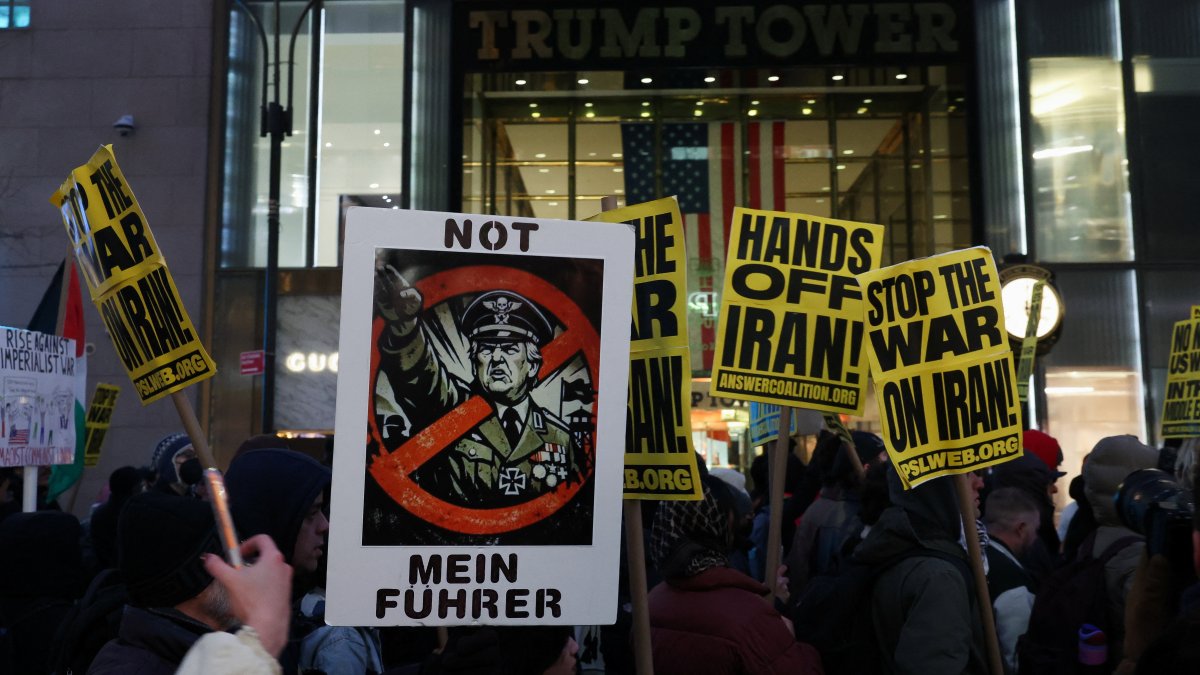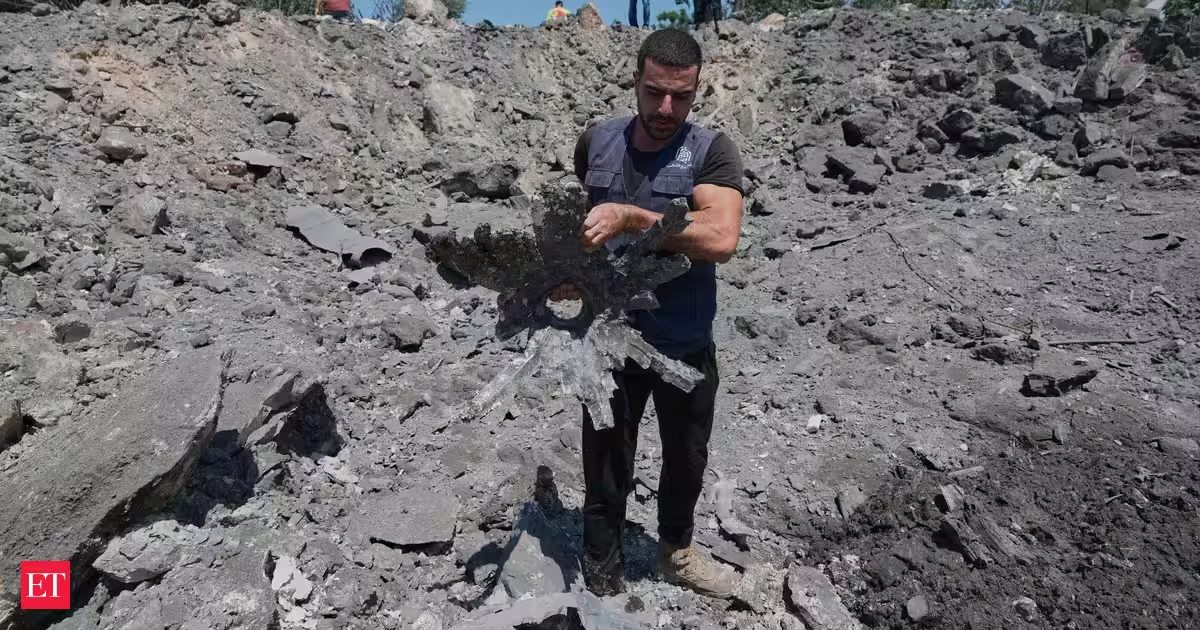
For many veterans of post-9/11 wars, the strikes on Iran bring troubling echoes of the 2003 invasion of Iraq
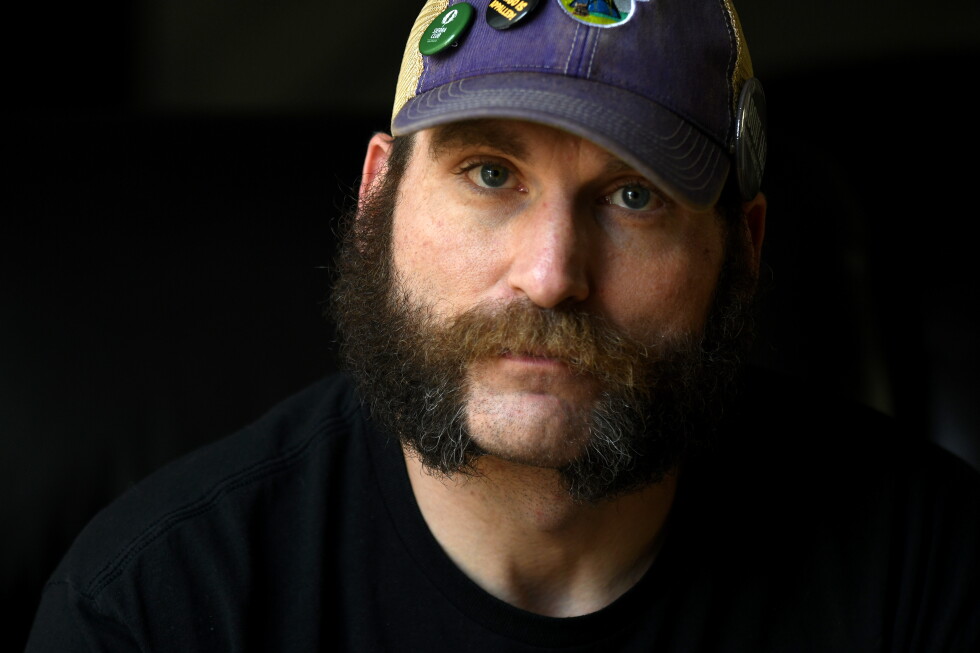
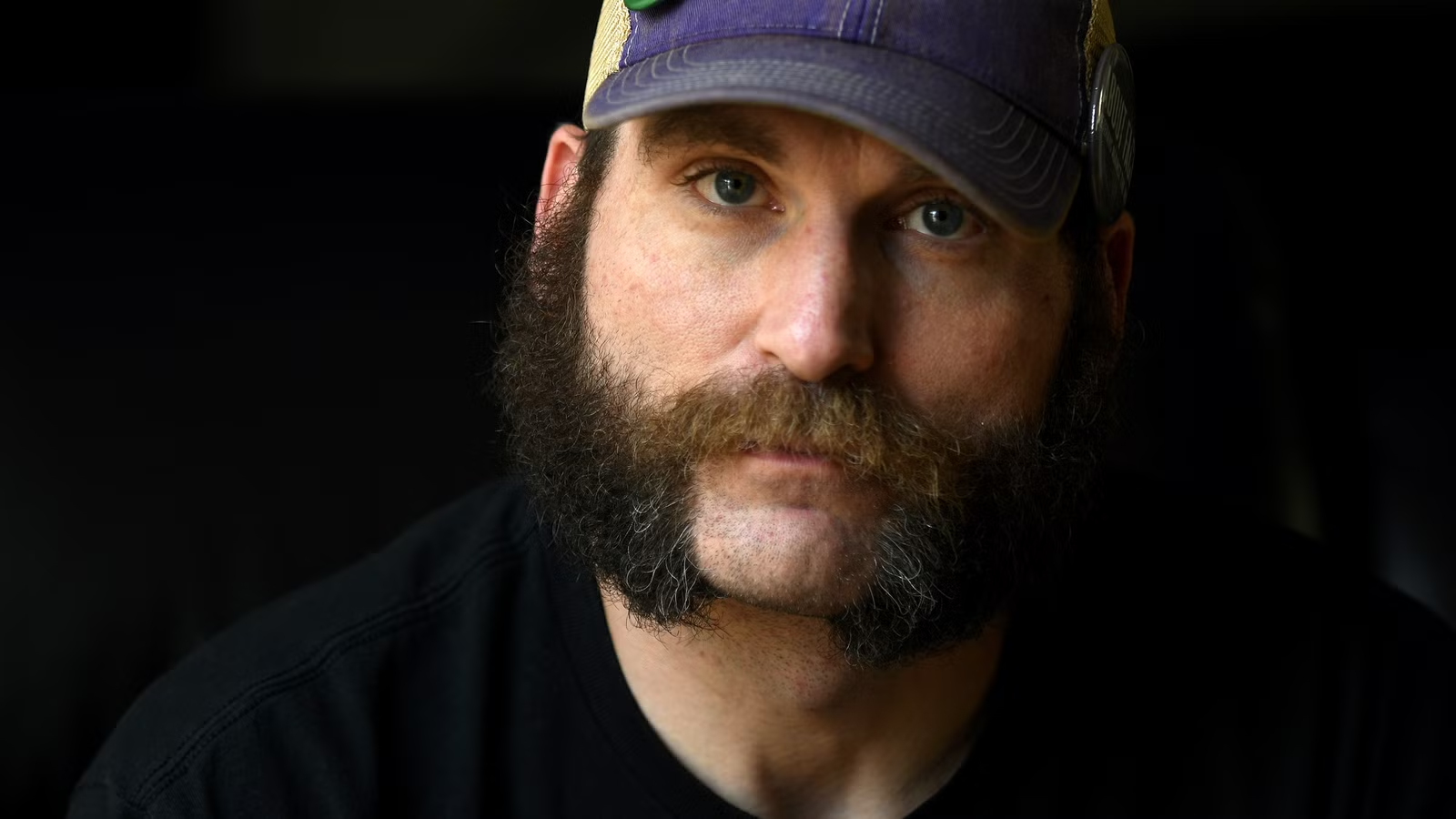
Nearly two decades after his second tour, Nathan Wendland is still troubled by his experiences in Iraq.
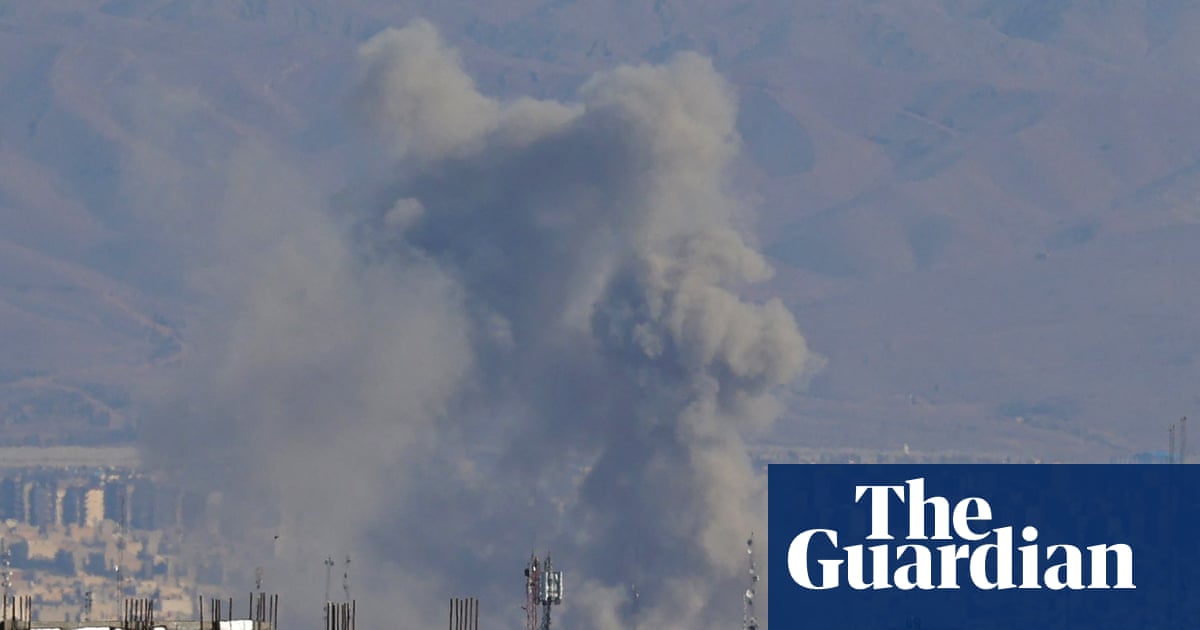
Like 700,000 other Iraq and Afghanistan veterans, the 46-year-old former US army staff sergeant receives compensation for post-traumatic stress disorder. Last January, Wendland checked himself into a psychiatric emergency room because he was worried he would kill himself. He was on the mend, but then Donald Trump ordered a sustained campaign of airstrikes on Iran. All those memories came flooding back.
“This war brings triggers into the news cycle every hour,” he said. “I cannot focus on my daily life.”
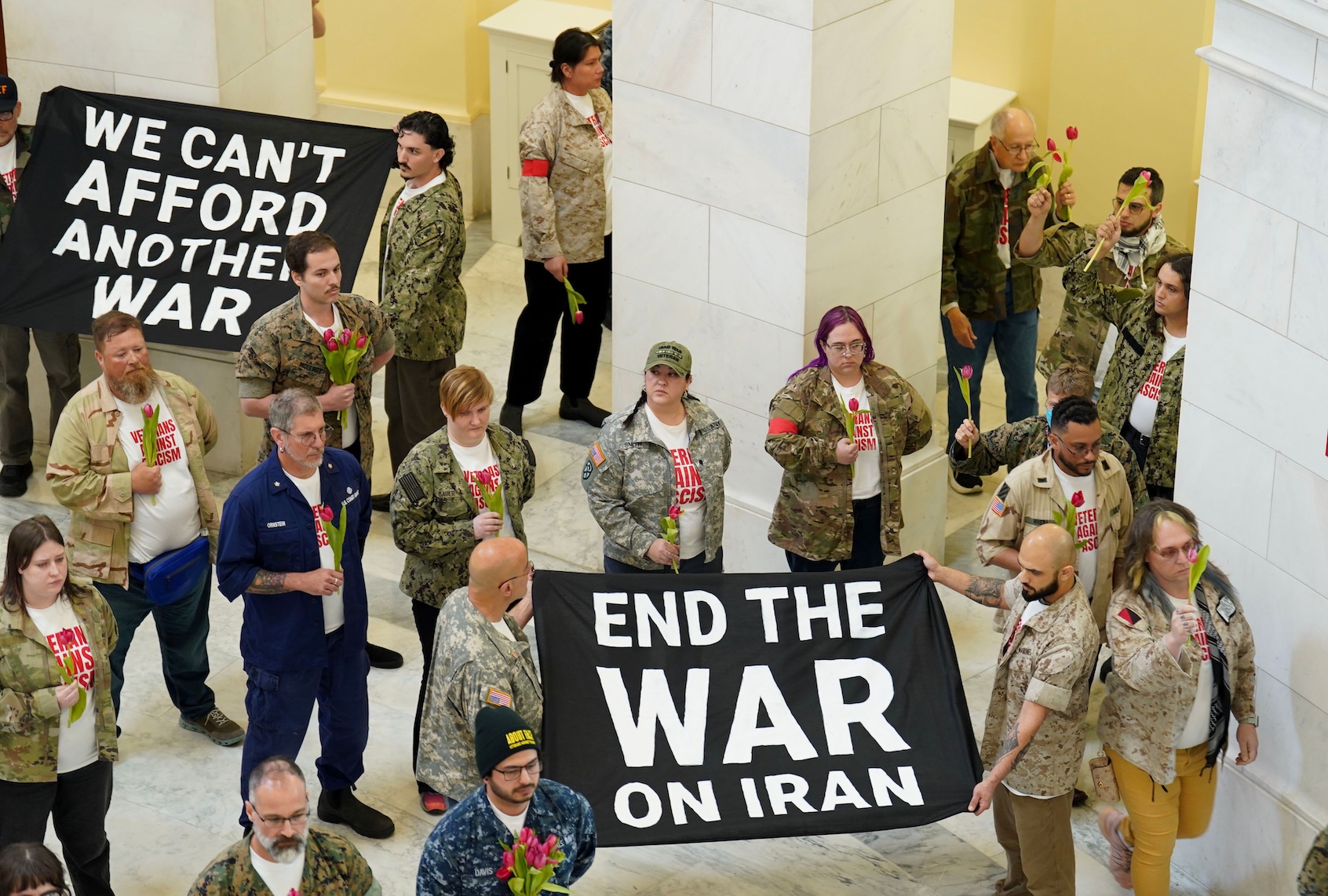
For Wendland and other veterans of the post-9/11 wars, the attack on Iran brings troubling echoes of the 2003 US invasion of Iraq, another war of choice based on questionable claims of weapons of mass destruction that threatens to destabilize the entire region, with no clear endgame and a seemingly callous disregard for civilian casualties.