On February 11, the Congressional Budget Office released its closely-watched, 10-year projections for the U.S. budget, this addition covering FYs 2026 to 2035. As expected, the numbers were extremely dire, positing deficits and debt that by the decade’s close respectively each 6.5% of GDP and 120% of GDP. The sundry economists and think tanks that evaluated the numbers, and members of Congress on both sides of the aisle, called the forecast extremely dire and our current course unsustainable. The trend sounding the loudest alarm: An explosion in interest costs that even today account for almost one-fifth of all U.S. spending.
Then came the war in Iran.
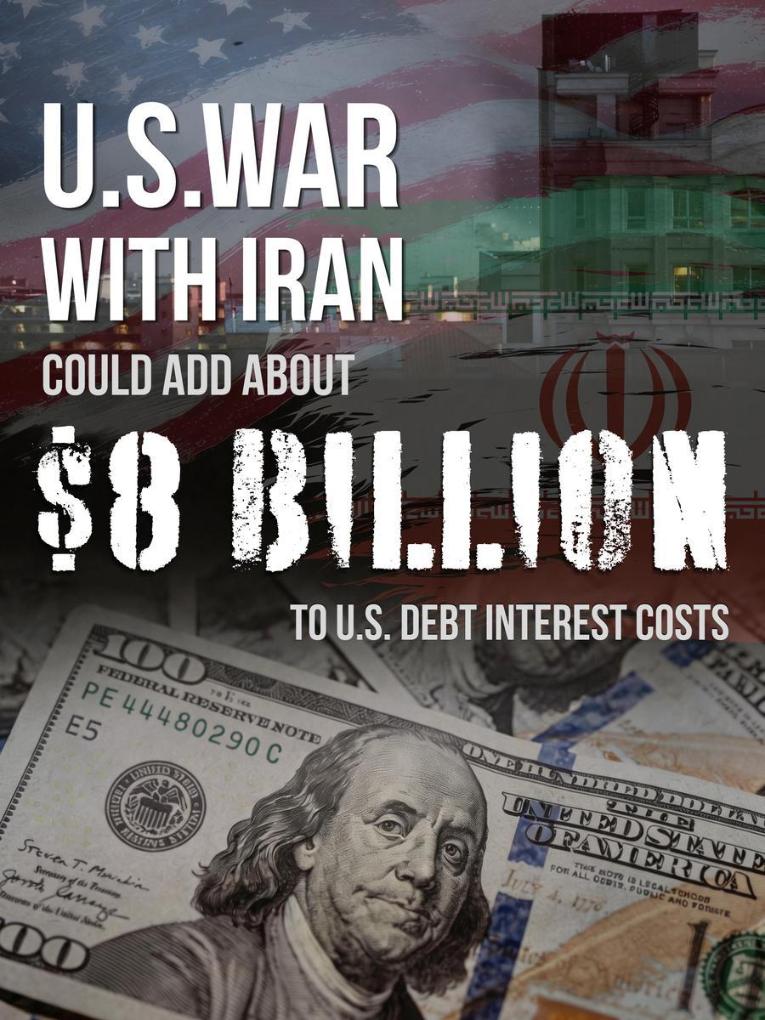
The conflict is pushing the accelerator on a train that already risked hopping the tracks. Though the conflict’s costs over its first ten days are immense, the budget burden would be relatively light were it to end in, say, the next few days, or a week. In his Florida press conference on March 9th, President Trump avowed that “the war is very complete” and stop conclude “soon.” But should the the U.S. and Israel’s joint campaign to crush Iran’s nuclear program and crush its capacity to fire ballistic missiles and “kamikaze” drones drag on for even several more weeks, the damage to America’s fragile finances will prove substantial. Especially when you add a second blow that fell a week before the onslaught on Iran—the probable lost revenue arising from the Supreme Court’s decision to scotch the Trump tariffs.