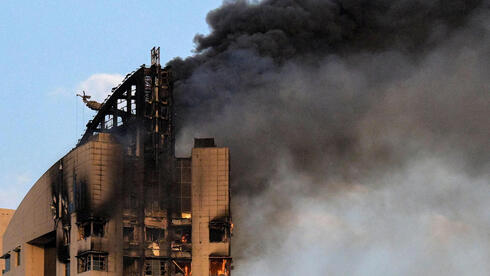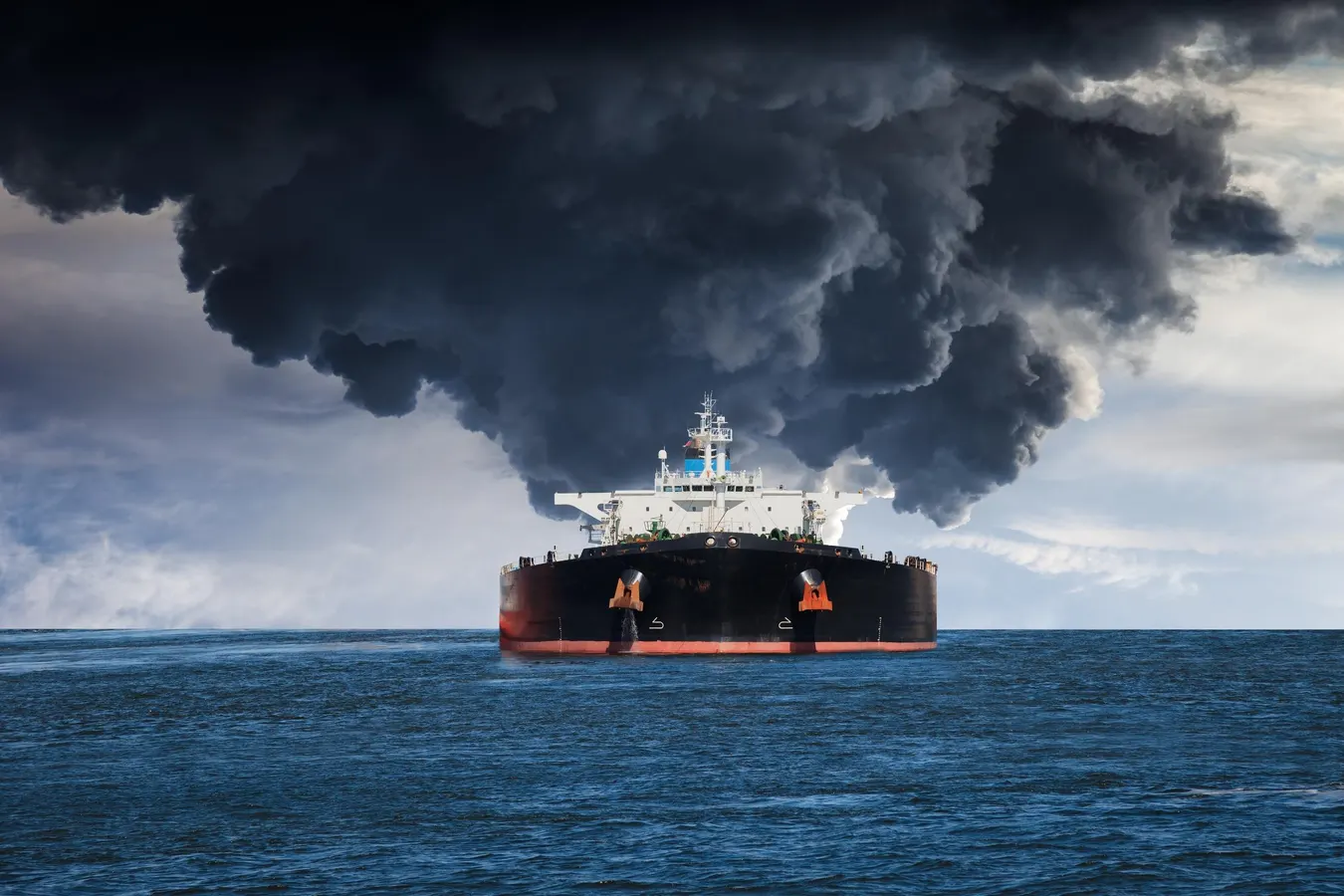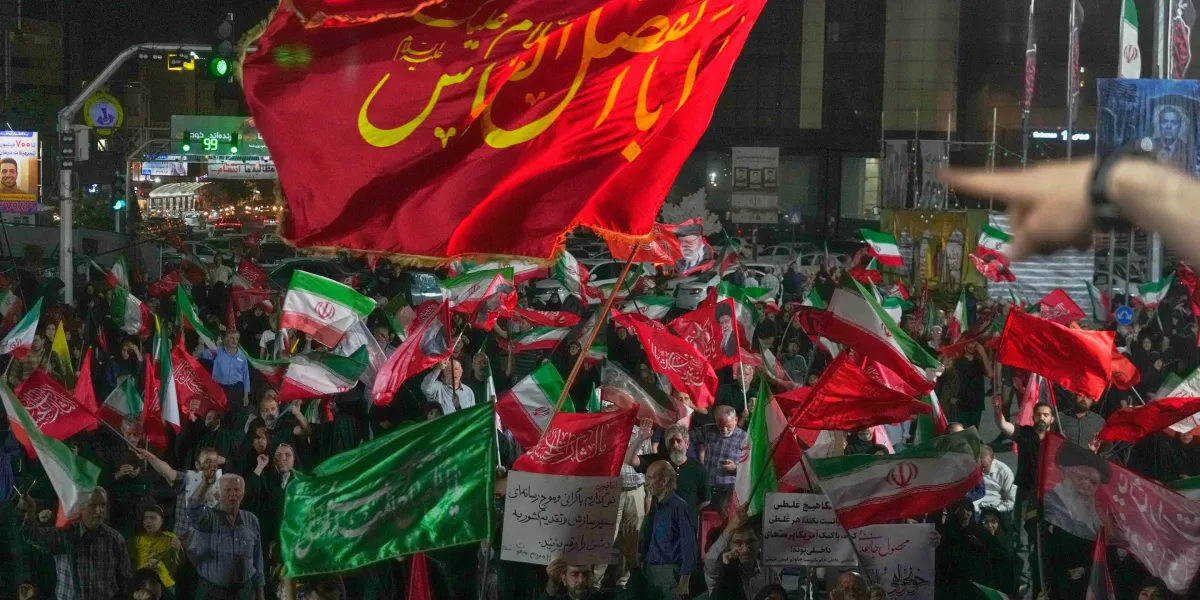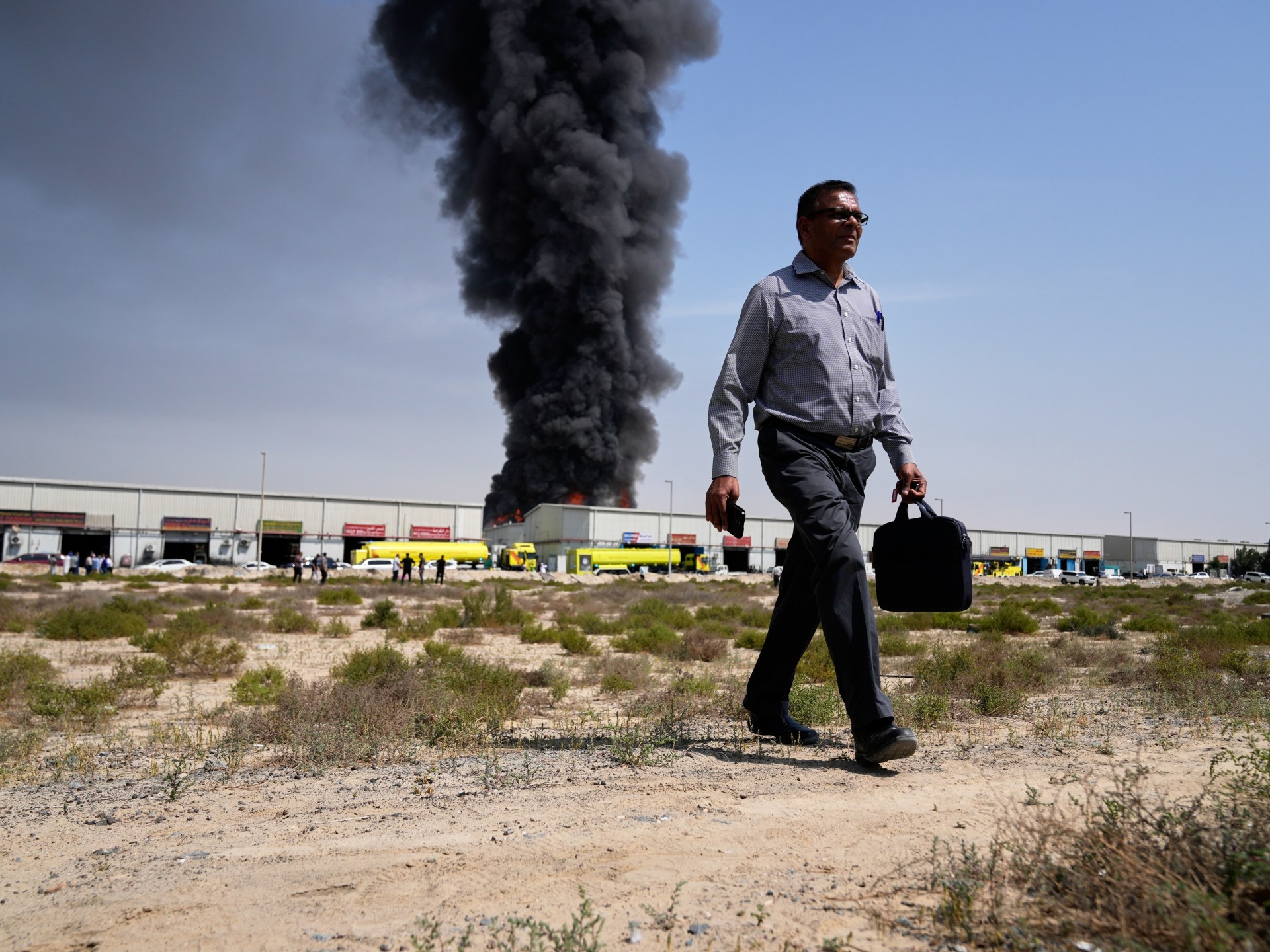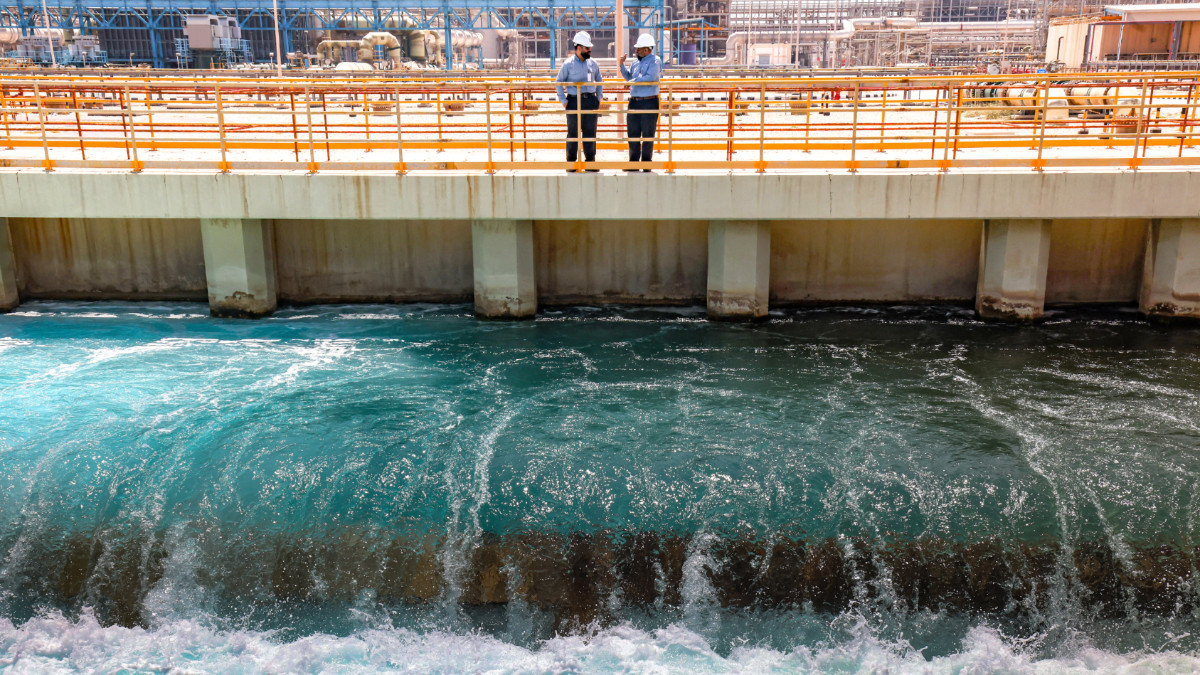
Gulf countries are shutting down oil and gas production as a result of the US-Israeli war on Iran, but it's not just their energy infrastructure that is currently held hostage to Iran’s retaliatory missiles and drones: food and water are, too.
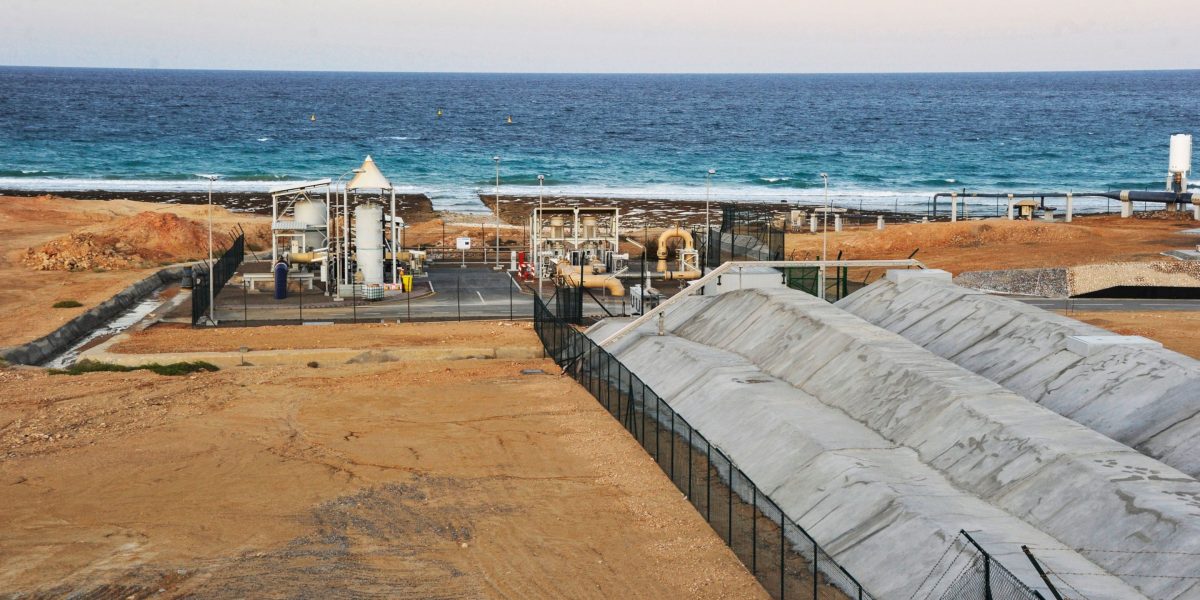
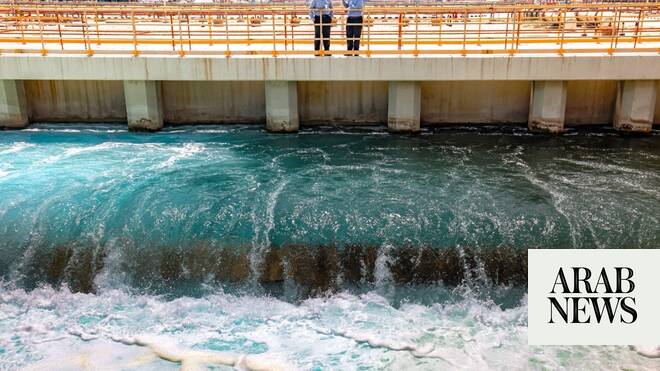
Over 400 water desalination plants line the Persian Gulf. They are used to keep the industry running, keep golf courses green, and, most importantly, quench the thirst of the region's residents.
“It would be absolutely devastating if Iran started attacking those facilities. That infrastructure is a huge vulnerability spread out along the coast,” Mohammed Mahmoud, Middle East lead at the United Nations University Institute for Water, Environment and Health, told Middle East Eye.
Some Gulf countries, like Saudi Arabia, had large volumes of fresh water underground, but it was depleted as their economies transitioned from Bedouin and small trading societies into major global economies and expatriate destinations. Desalination plants started springing up in large numbers in the 1960s and 1970s, and have since mushroomed.
The Gulf accounts for some 60 percent of global water desalination capacity, but the numbers are even starker when states are examined individually. In the UAE, 90 percent of drinking water comes from desalination plants; in Kuwait, it is 90 percent; in Oman, 86 percent; and in Saudi Arabia, 70 percent.