LONDON: Wars in the Middle East have long been measured in spikes to global oil prices, the sight of burning refineries, and missile trails crisscrossing over busy shipping lanes. Now, for the first time, it is also being measured at the tap.
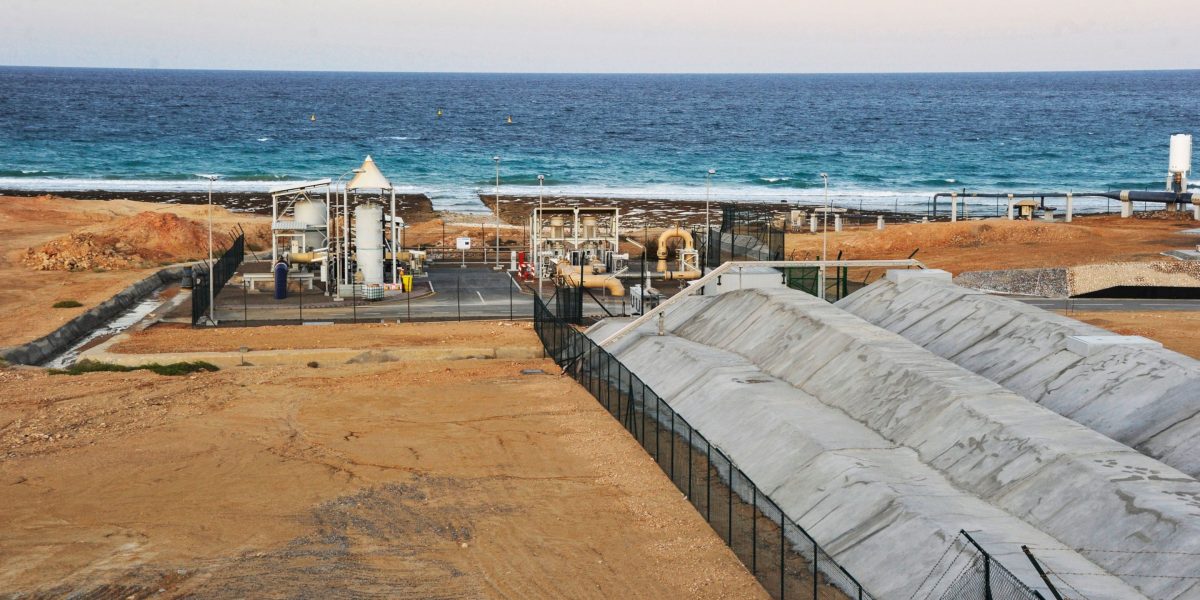
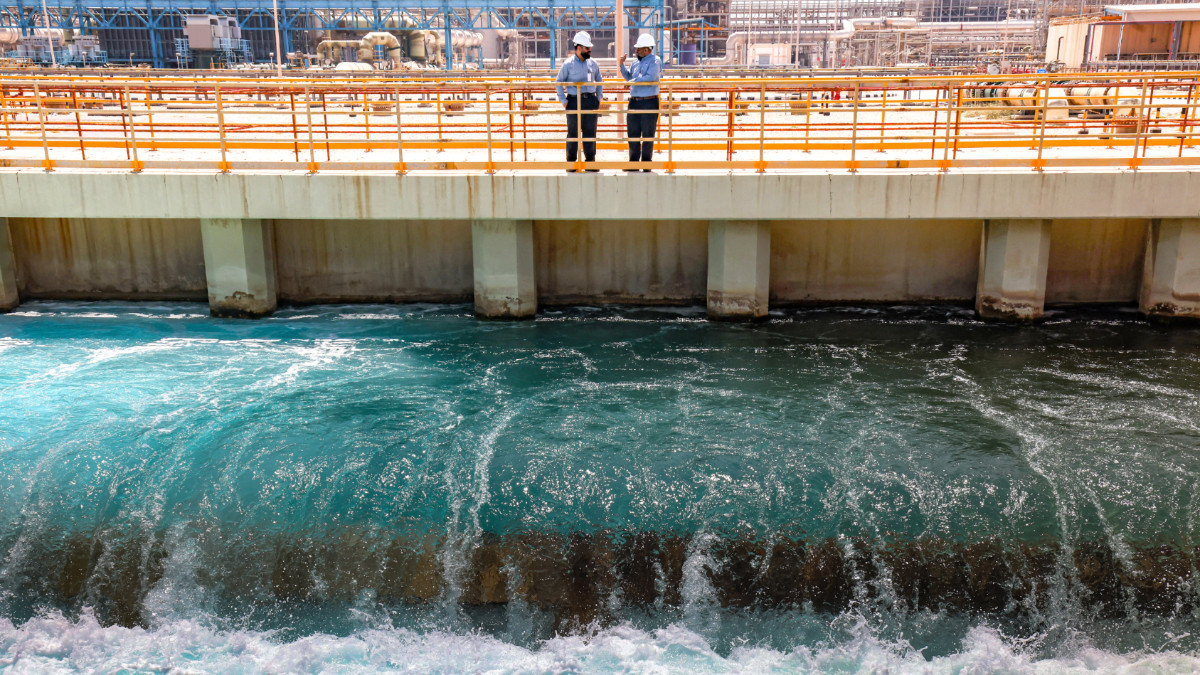
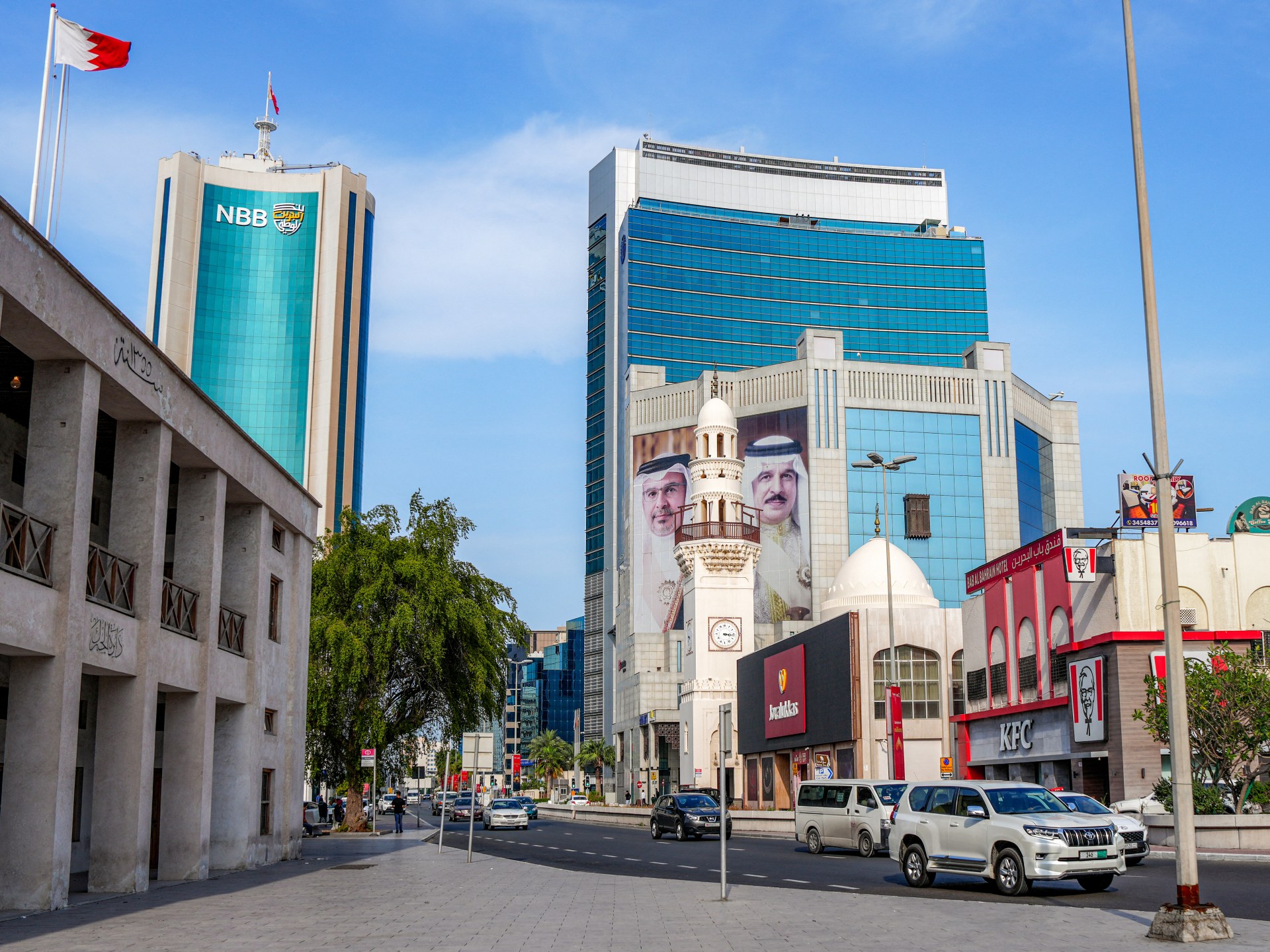
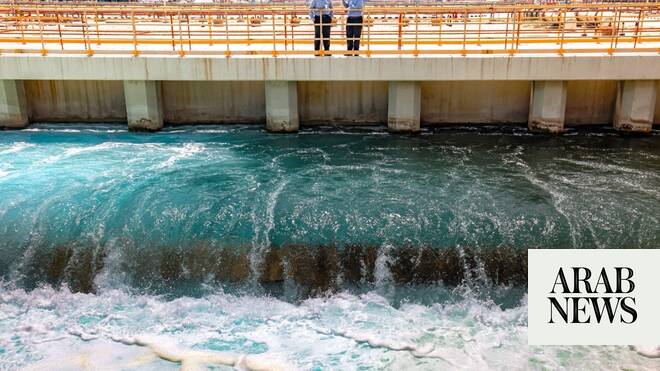
Early on March 8, Bahrain’s Interior Ministry said an Iranian drone struck a desalination plant near Muharraq, causing material damage and injuring three people, labeling it an indiscriminate civilian attack.
It was the first time a Gulf government publicly acknowledged a strike on its drinking-water infrastructure — a red line analysts had long warned about.
Iran’s Foreign Minister Abbas Araghchi insisted Iran was only responding in kind, accusing the US of first hitting a plant on Qeshm Island and cutting off water to some 30 villages, although he did not provide evidence.
As both sides trade accusations, the Bahrain strike has turned a piece of civil engineering that few ever think about into an overt military target — with profound implications for a region that quite literally runs on seawater.