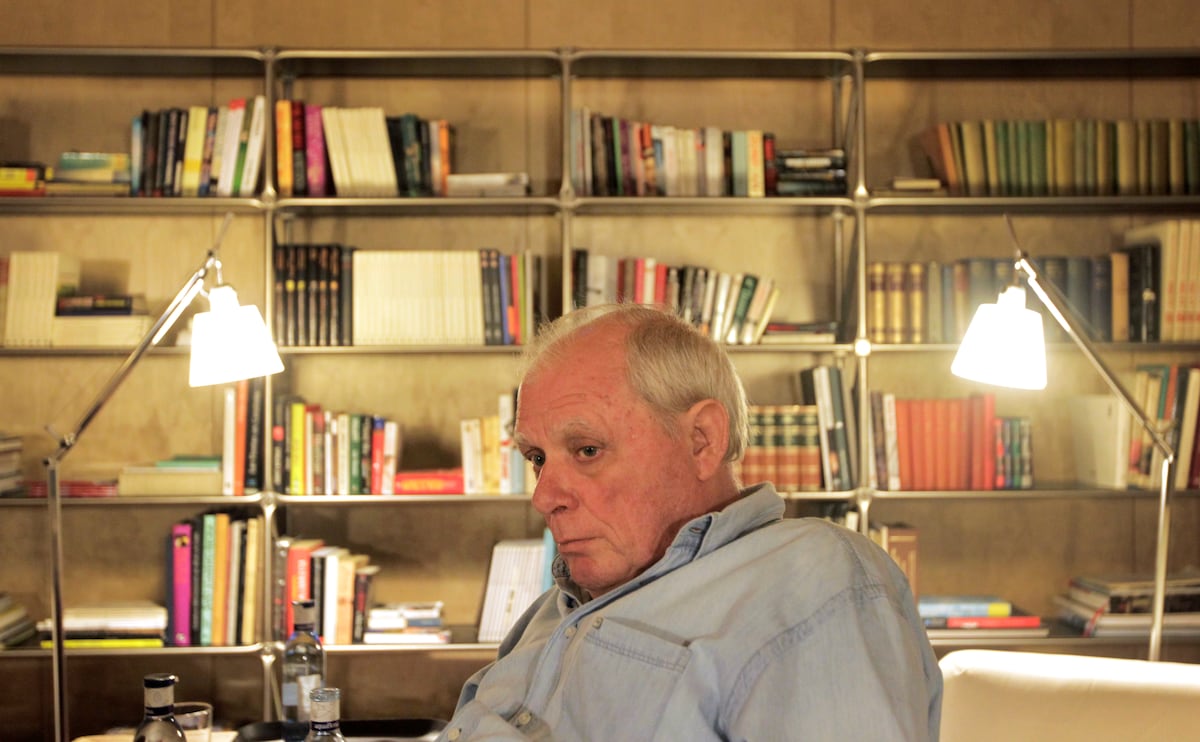
Author of more than 30 novels, including Fado Alexandrino and The Inquisitors’ Manual, was widely seen as one of the most important voices in modern Portuguese literature
António Lobo Antunes, the Portuguese novelist whose dark, polyphonic fiction confronted the traumas of dictatorship, war and Portuguese society, has died aged 83.
Widely regarded as one of the most important Portuguese writers of the late 20th and early 21st centuries, he produced more than 30 novels that reshaped Portuguese writing and made him a perennial contender for the Nobel prize for literature. He received numerous honours, including the Camões prize, the most prestigious award in the Portuguese language, and several major European literary prizes. His death was confirmed by the publisher Dom Quixote.
Born in Lisbon in 1942 into a middle-class family, Lobo Antunes was the son of a neurologist and initially followed his father into medicine. He trained as a psychiatrist and worked in hospitals for several years, experiences that would later inform the psychological intensity of his writing.
In the early 1970s he was drafted and sent to Angola to serve as an army doctor during Portugal’s brutal colonial war. The experience marked him profoundly. “There I learned that I wasn’t the centre of the world and that others existed,” he later told a journalist. The war’s moral disorientation and emotional wreckage would haunt much of his fiction. In 1973 Lobo Antunes returned to Lisbon, where he practised psychiatry and wrote in the evenings.