The city was portrayed as an aspirational place to live, but now those who moved there are realising the precarity that comes with being an economic migrant
T
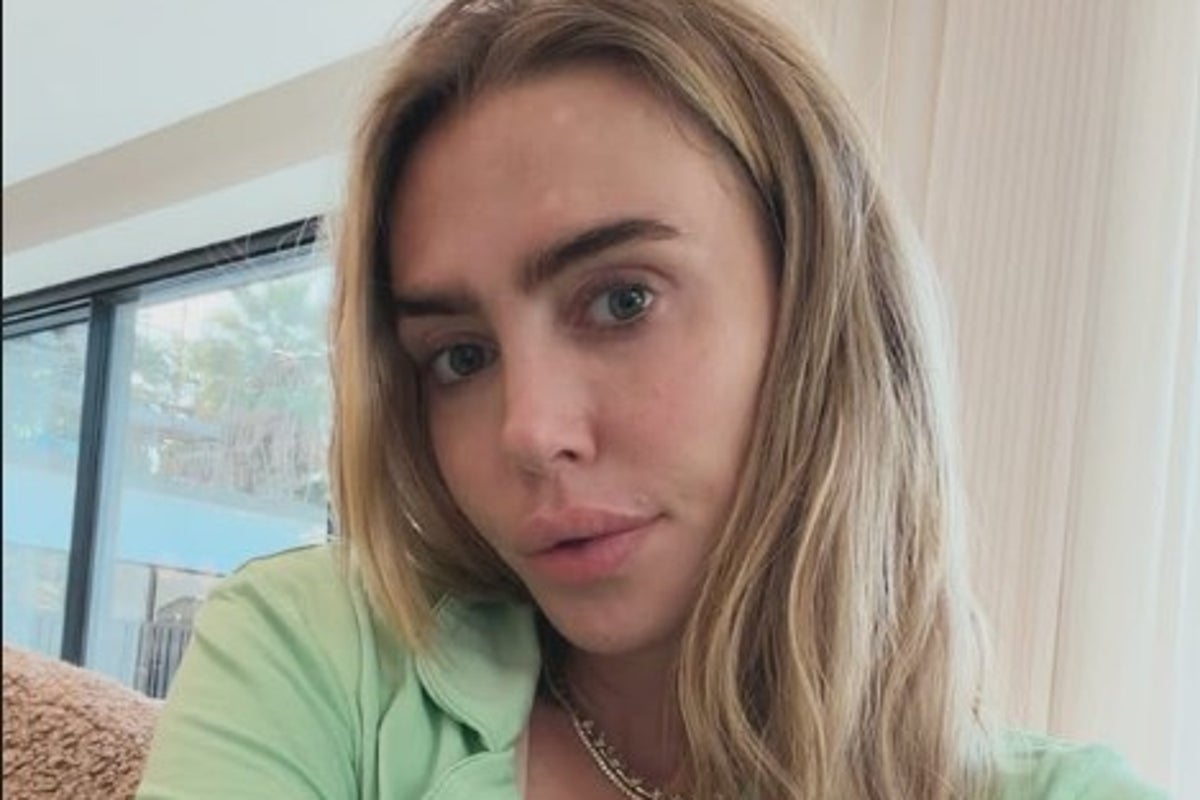
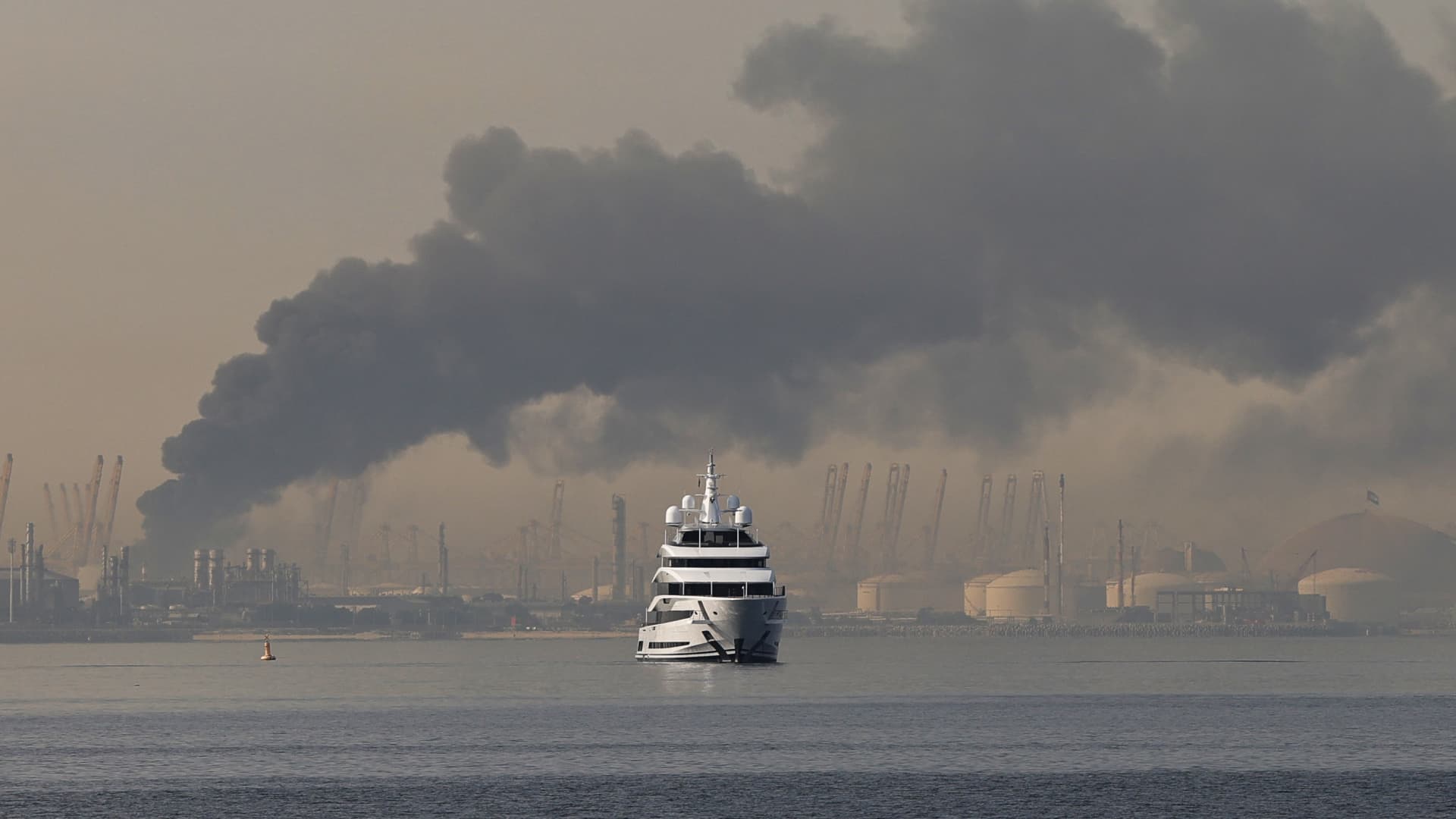
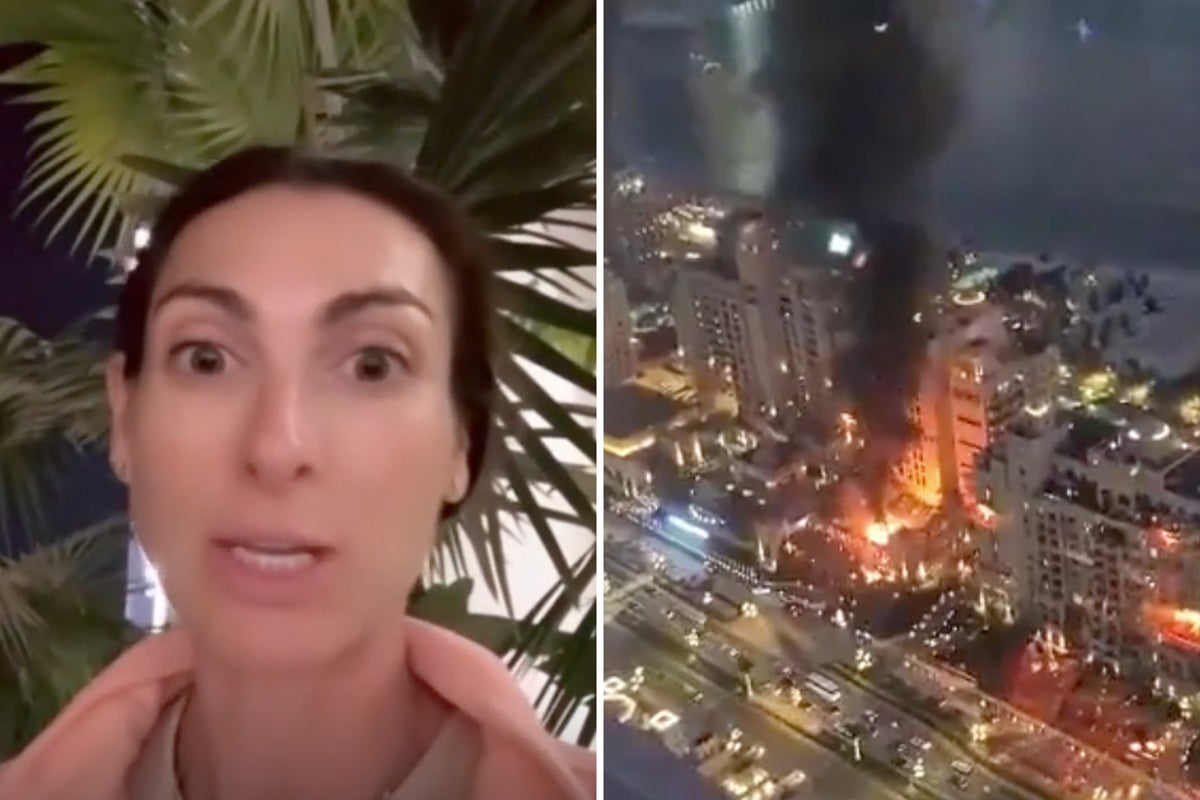
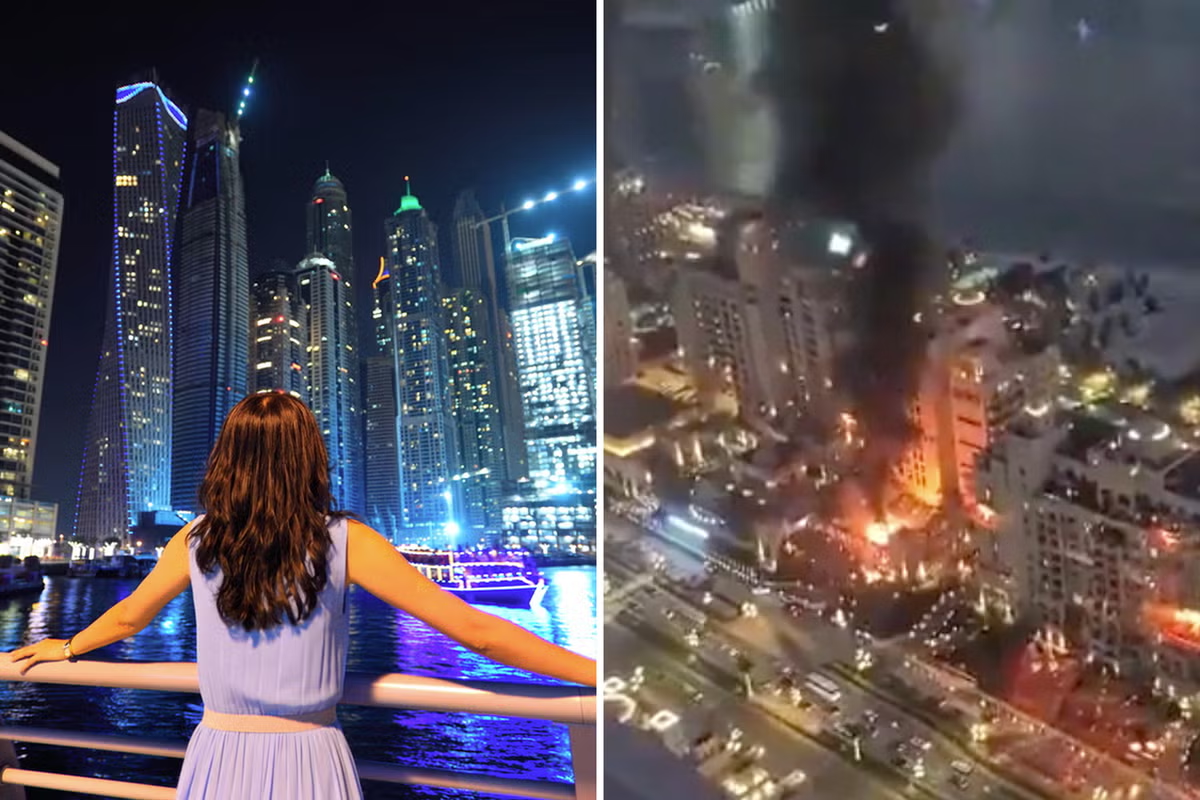
o be fooled by a mirage, you needn’t be lost in the desert. Sometimes, the illusion is strongest just when you thought you were safely home, posting from the pool about your teenage daughter’s spa party and your own glittering life in a city where “the possibilities are endless”, as they tend to be for billionaires’ daughters living in tax havens. Only then does the fantasy explode in a puff of intercepted missile smoke, leaving just another woman in her pyjamas telling Instagram (as Petra Ecclestone did at the weekend) that she moved to Dubai “to feel safe” and war was never mentioned in the small print.
Who could have guessed that living a few hundred miles as the drone flies from Tehran might have risks? Certainly not the anonymous hedge funder who fumed to the Financial Times that “the trade was not that you were getting exposed to geopolitics”.
But if it’s hard to sympathise with the super-rich, as they discover that there are some things money can’t buy, then they are not the only Britons trapped in the Gulf. The deal Dubai offered economic migrants – which is what Britons seeking a better life in the Gulf are, much as some will hate the label – was a kind of real-life Truman Show: a sunny, shiny, sterilised low-crime haven for anyone itching to get rich or stay that way, sustained by stiff penalties for anyone publicly shattering its illusions.