Is the Islamic Republic a messianic theocracy or a brittle dictatorship? It’s neither – as those attacking it are finding out
W
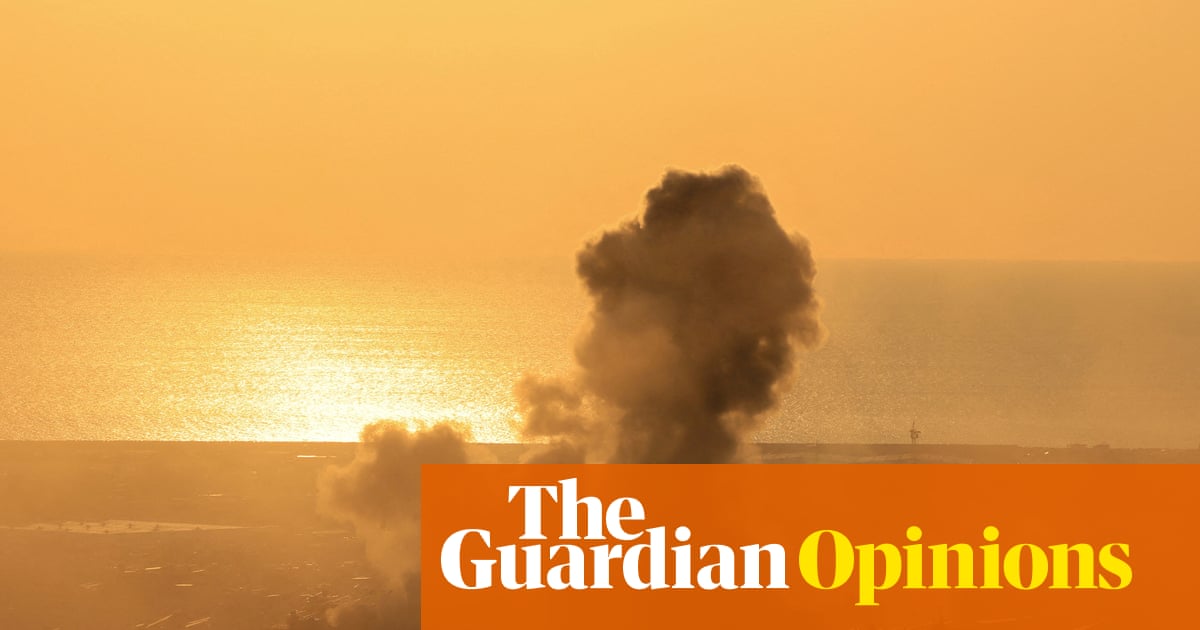
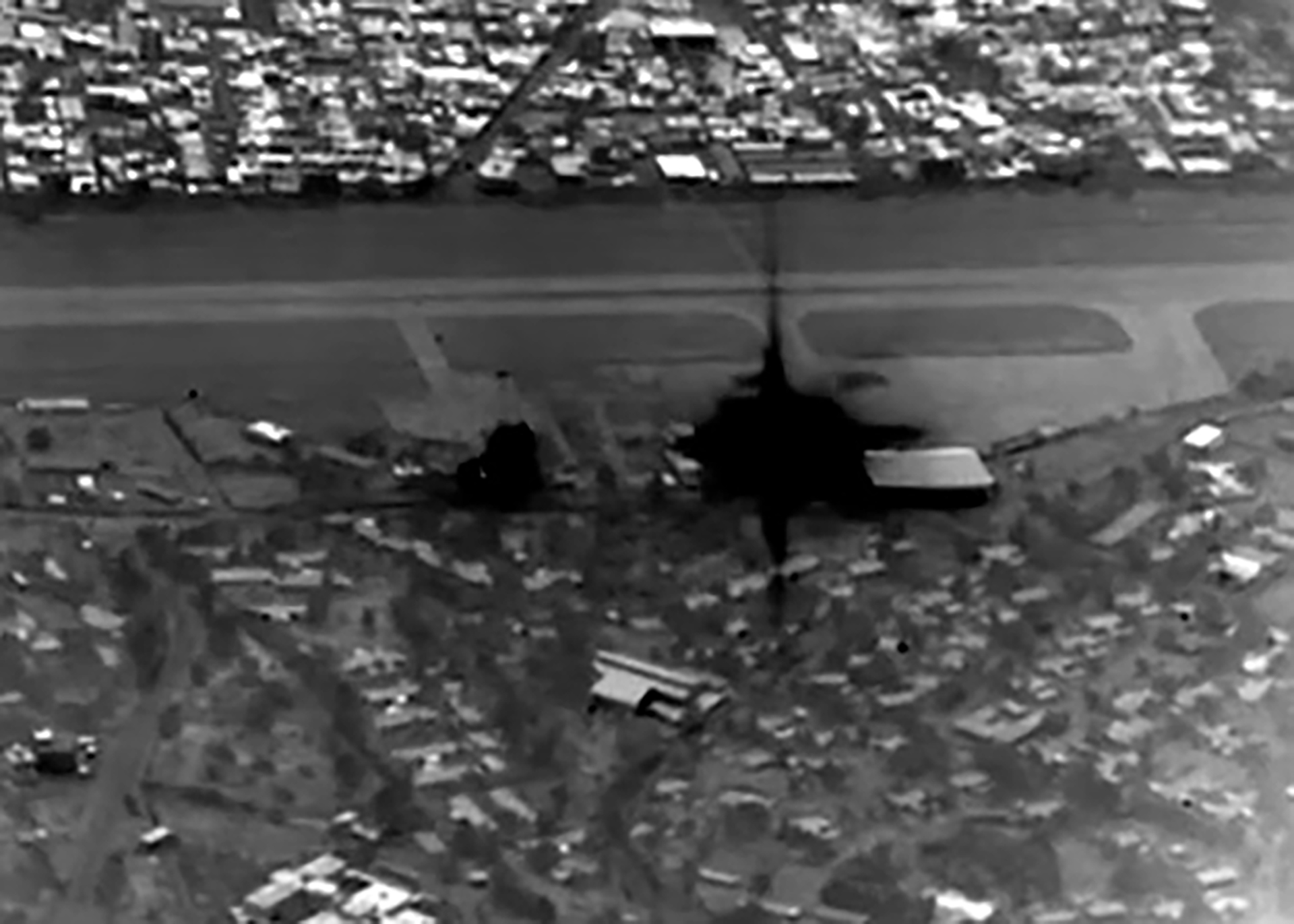
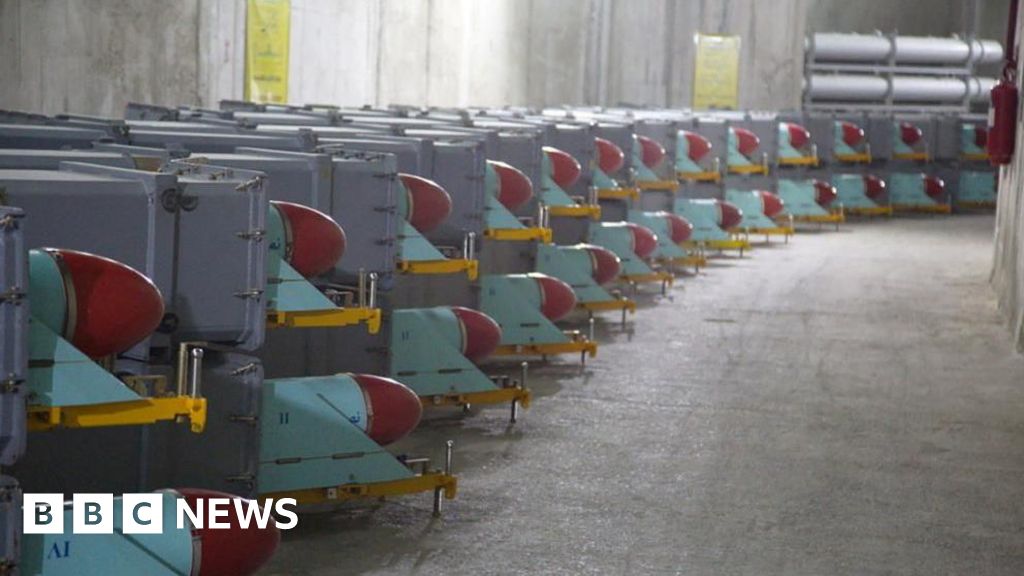
hen the US and Israel launched coordinated strikes against Iran on 28 February, the campaign was structured like a textbook air war: destroy defences, degrade retaliatory capabilities and decapitate leadership. Iranian air defences – already battered in last summer’s war – were further dismantled to secure uncontested skies. Missile factories, drone infrastructure and naval assets were hit to erode Iran’s ability to retaliate. And a steady cadence of precision strikes removed senior commanders in what amounted to a sustained attempt to disorient Tehran’s decision-making.
From a purely operational perspective, the advantages have been stark. Once skies are open, the war becomes cheaper: plentiful, relatively inexpensive munitions can replace the long-range systems that defended airspace typically demands.
The decapitation element reflects a familiar military concept: get inside the enemy’s decision loop. If seasoned leaders are constantly “knocked off”, the thinking goes, the system becomes consumed by succession, suspicion and internal coordination. Decision quality degrades; response time slows; coherence frays. Turbulence at the top becomes a weapon in itself.