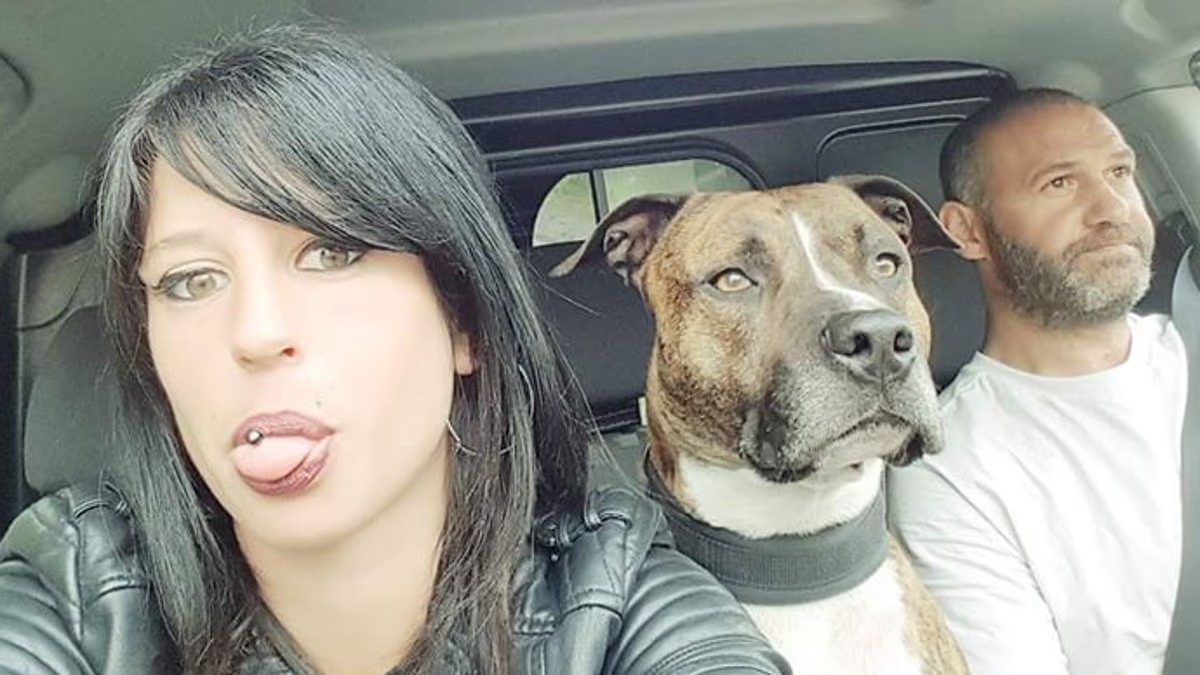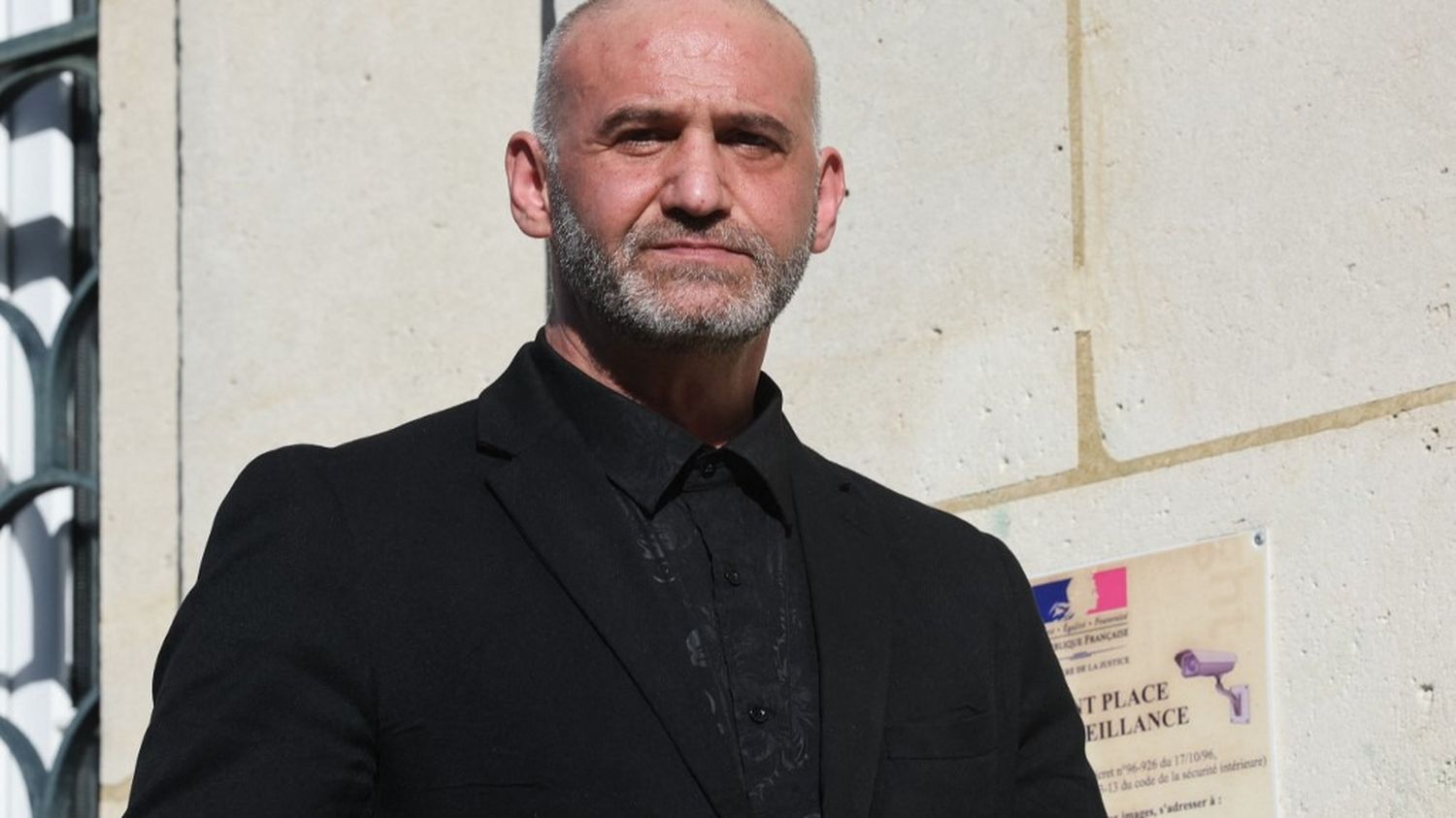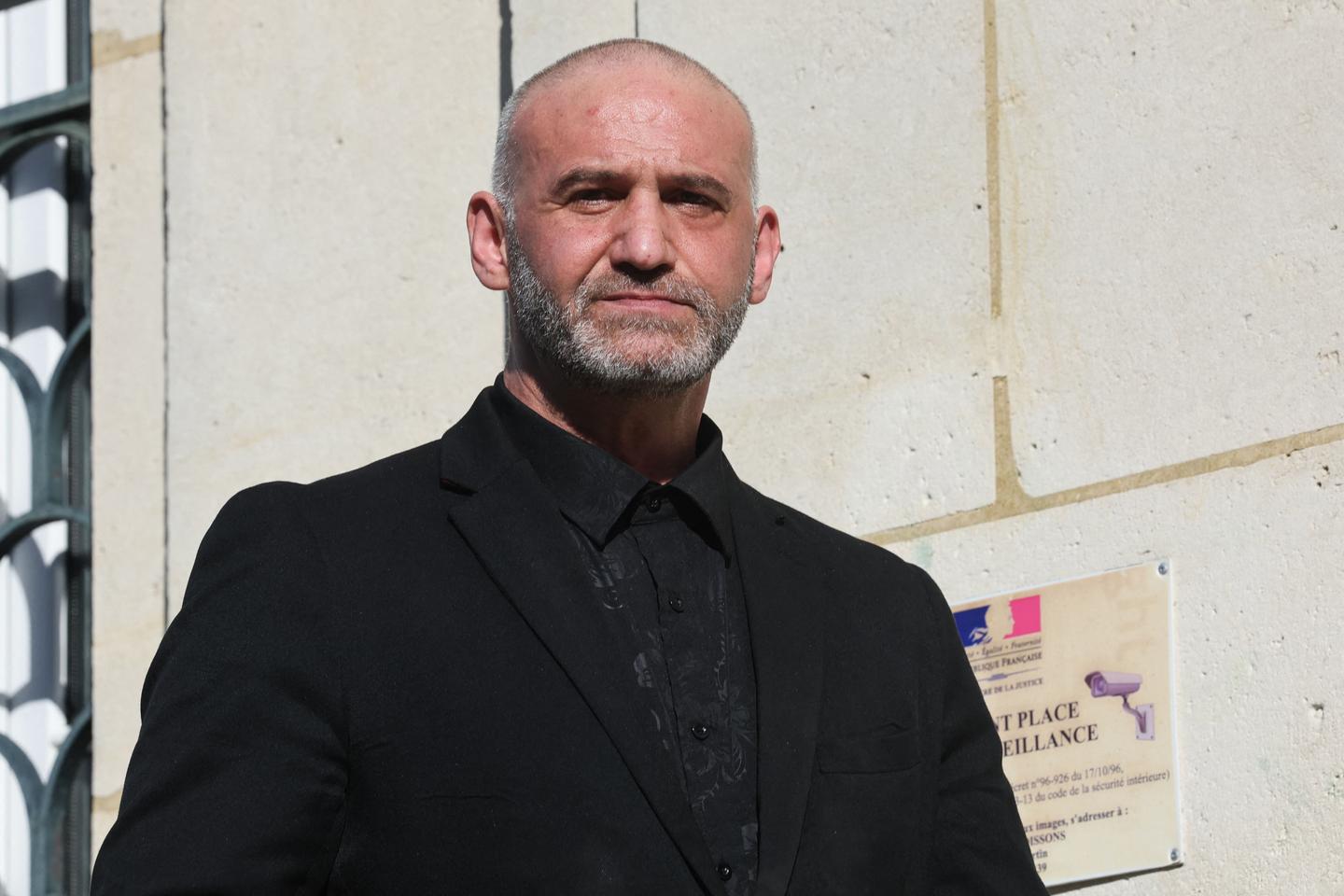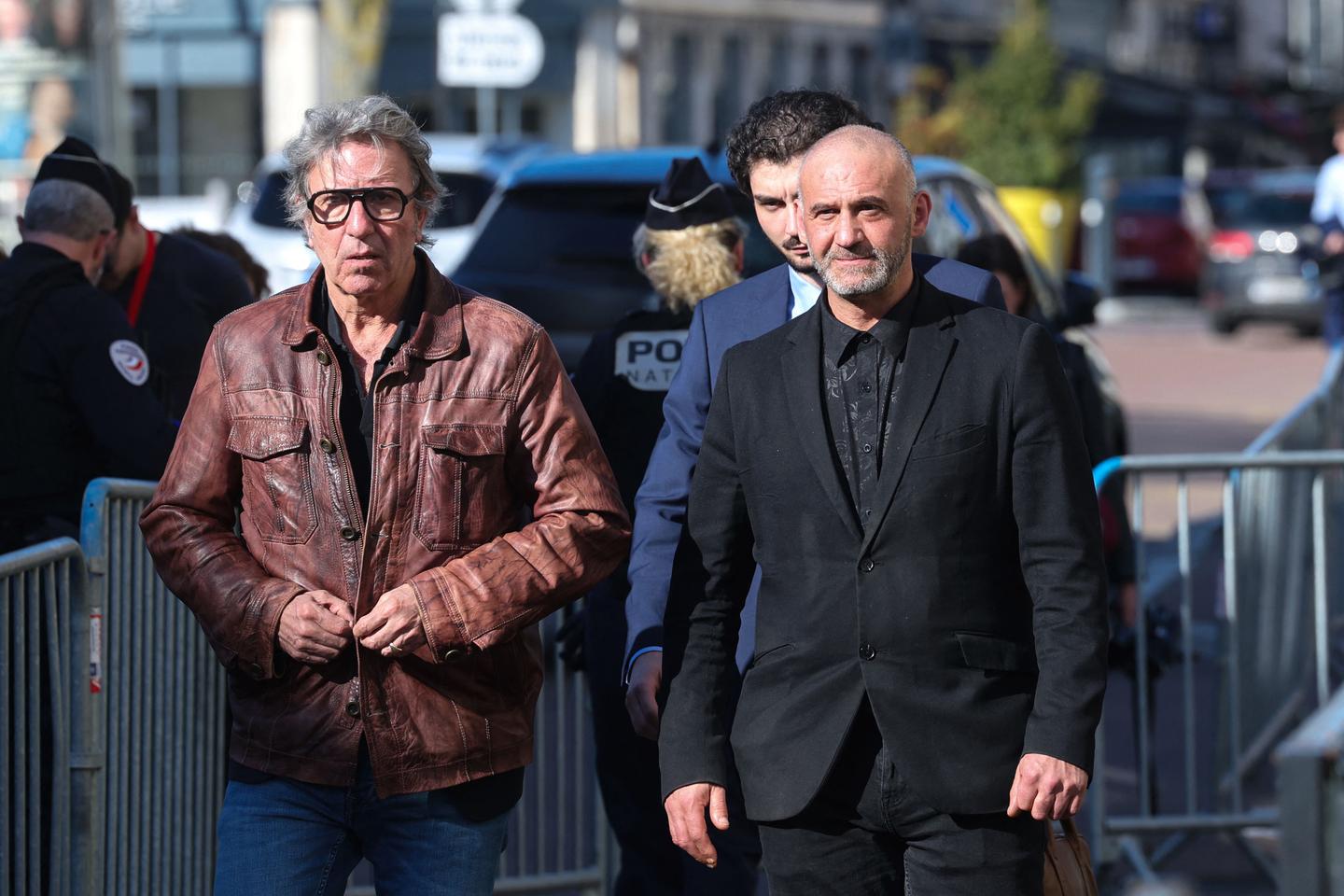
Christophe Ellul, right, and his lawyer Alexandre Novion, arriving at the Soissons courthouse in northern France, March 3, 2026. FRANCOIS LO PRESTI/AFP
"Your situation is unusual. You are the defendant and also a victim," said the presiding judge to a tense man, in his 50s, wearing all black as he stood in criminal court in Soissons, northern France, on Tuesday, March 3.
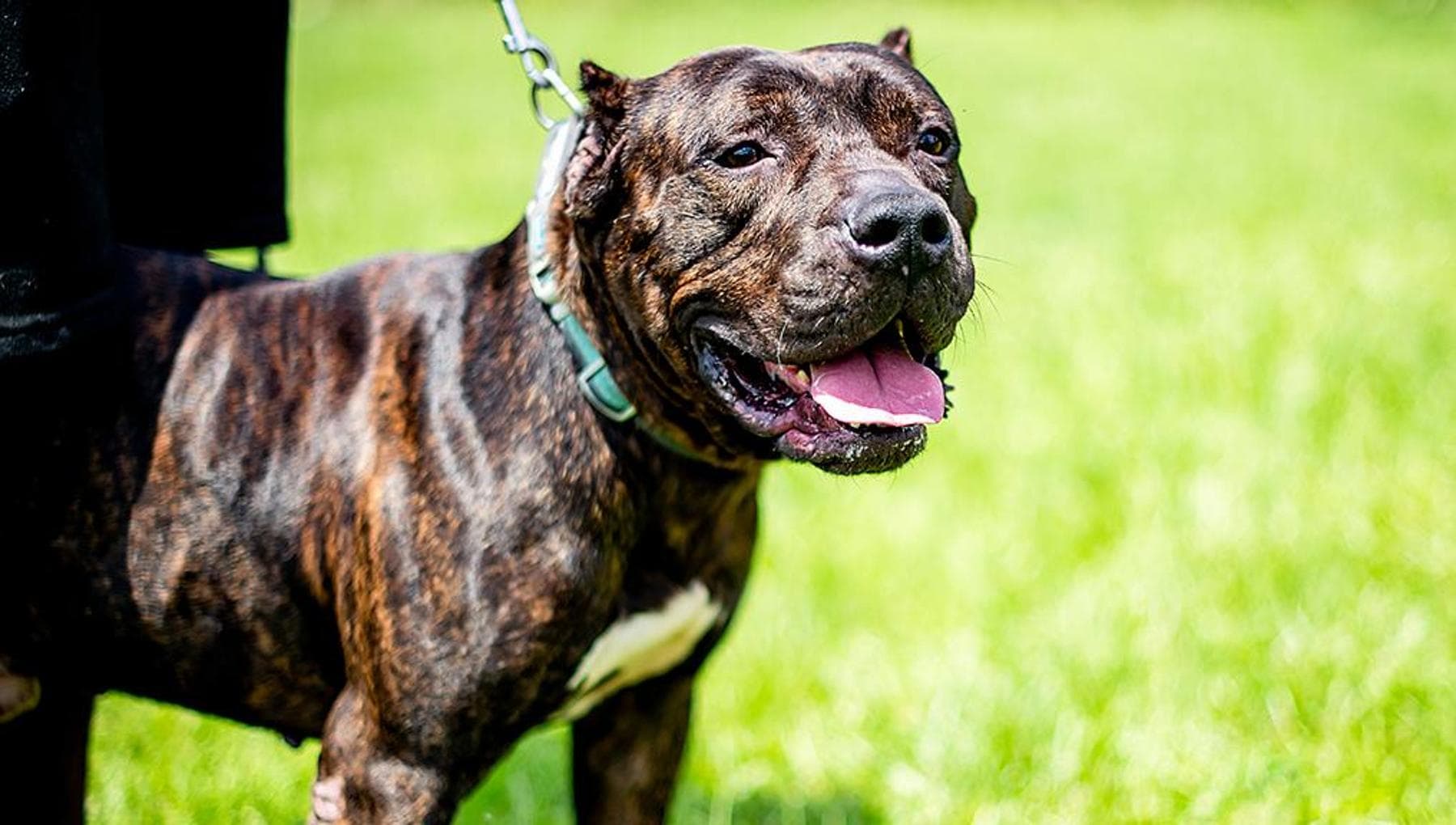
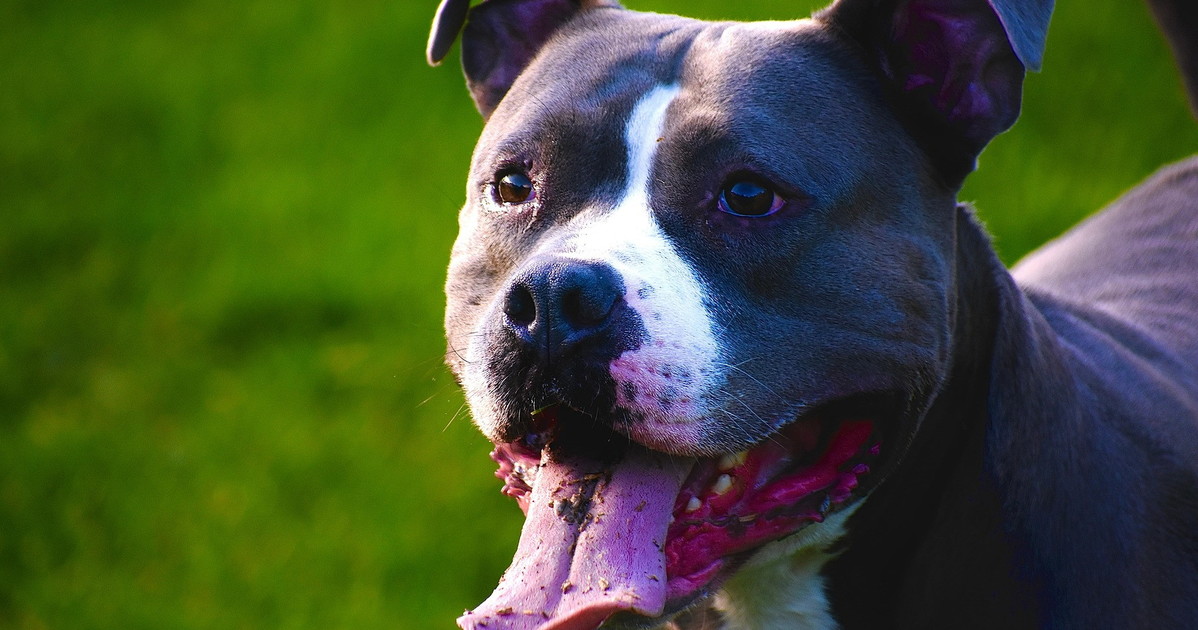
Seven years ago, on November 16, 2019, Christophe Ellul discovered the partially dismembered body of his partner just below a hiking trail in the Retz forest, near the northern town of Villers-Cotterêts. There were about 10 bites on her neck, 9 on her left arm and 19 on her right arm. Her scalp and right thigh were missing. Elisa Pilarski was 29 years old and six months pregnant with a boy. They had already chosen his name: Enzo. Next to her body was Ellul's dog, Curtis. Ellul is now appearing before the court for "aggravated involuntary manslaughter," an offense punishable by up to 10 years in prison. "I want to know the truth. If Curtis is guilty, put him down. But show me the evidence," the defendant declared at the start of his questioning.
Ellul lost his partner and his unborn son, but for the past seven years he has fought against the idea that his dog was the sole killer. On that Saturday, November 16, just a few hundred meters from where Pilarski's body was found, a pack of 21 dogs was participating in a chasse à courre, a traditional French horseback hunt. Among the guests invited to discover the pleasures of this hunt, after the blessing of the hunting crew by the local priest and a buffet of pork delicacies served outside the church, was the head of the local gendarmerie.