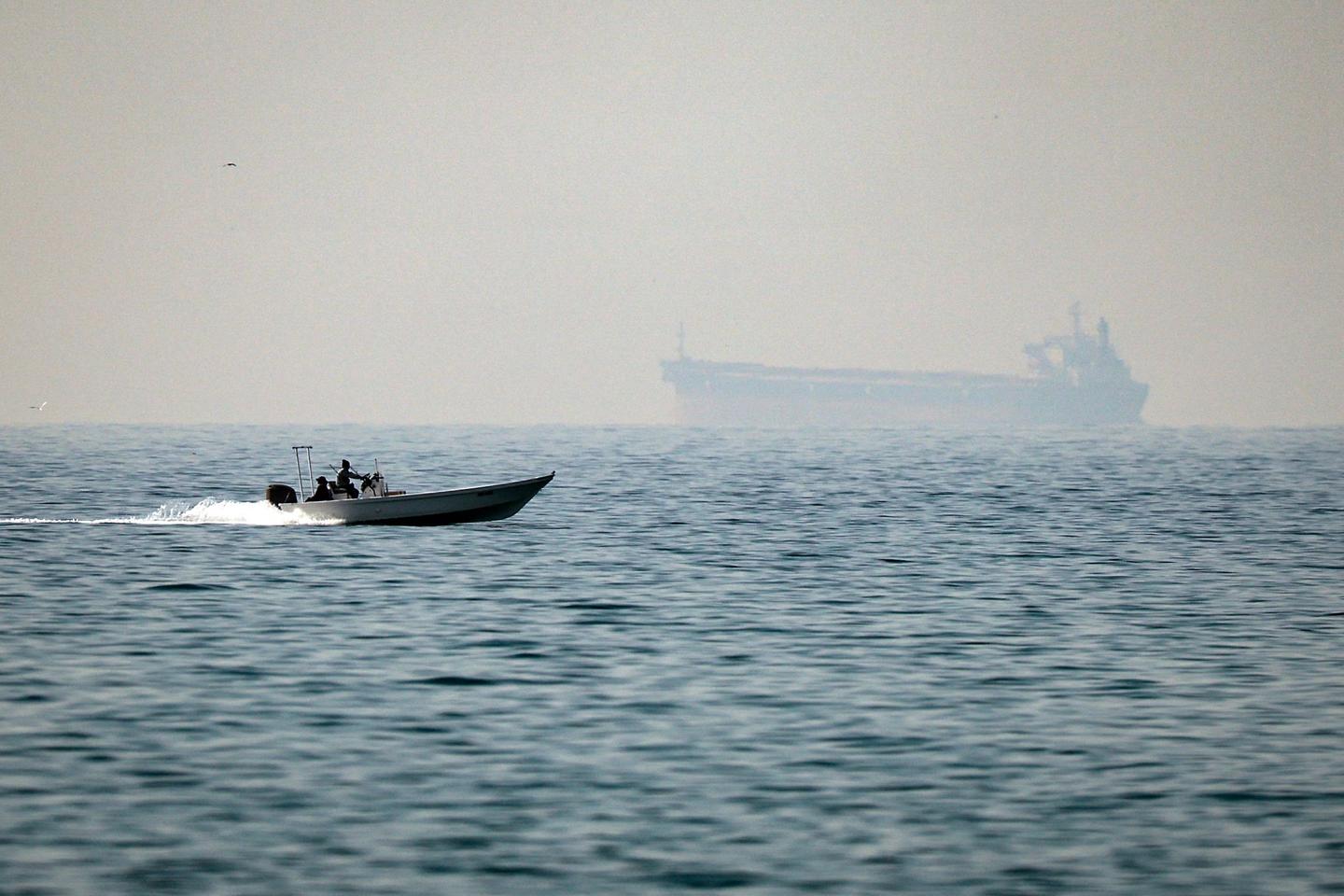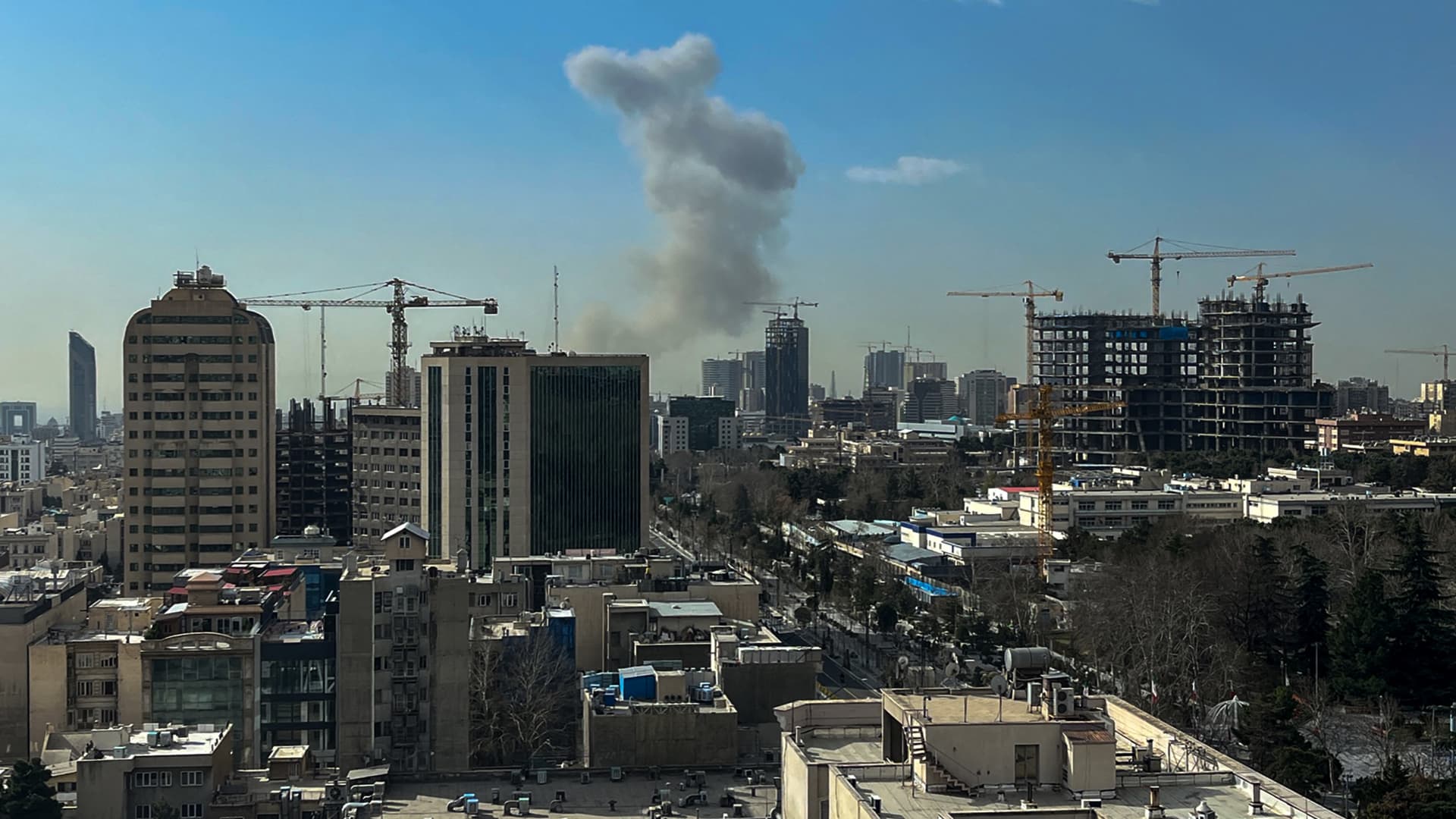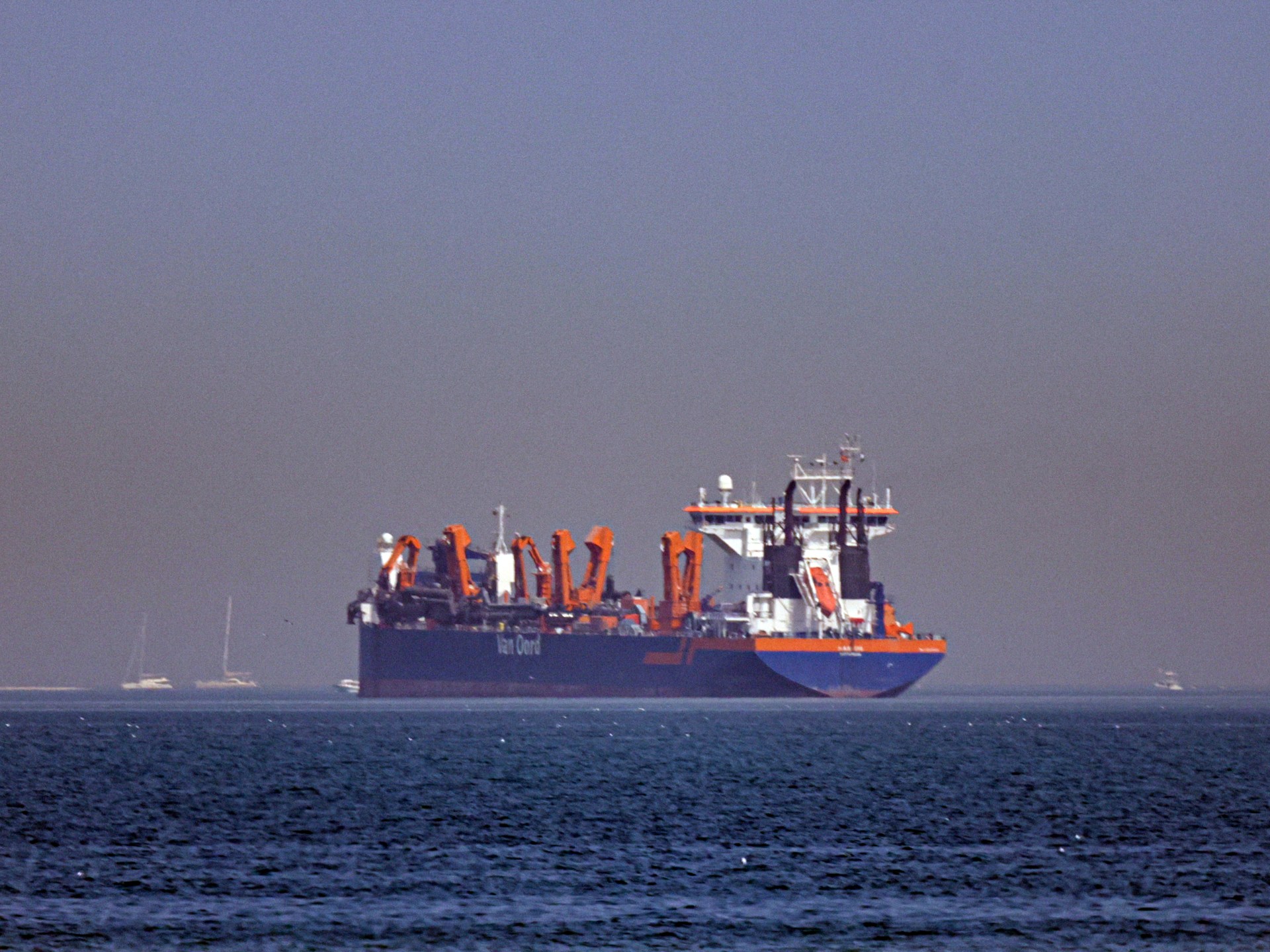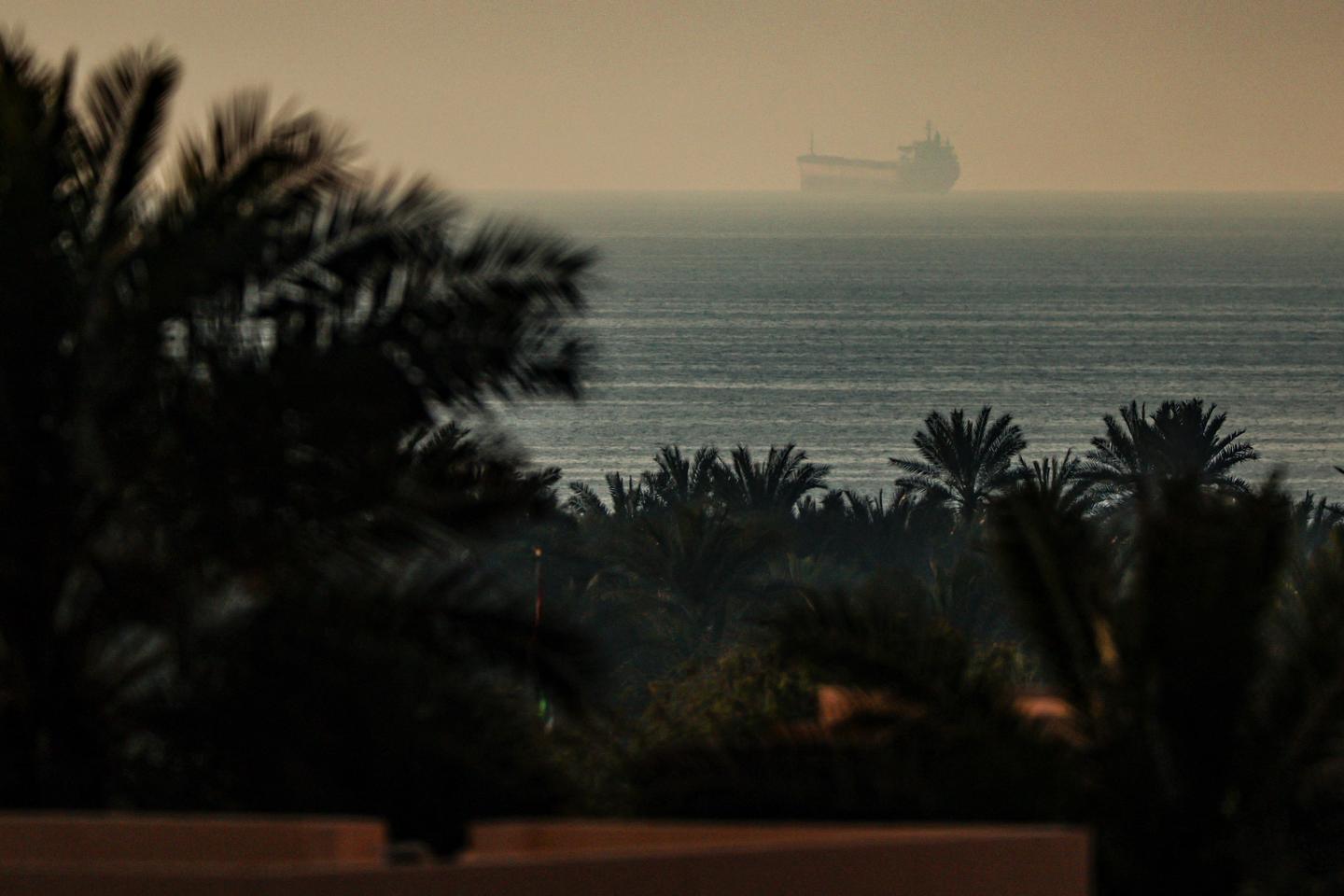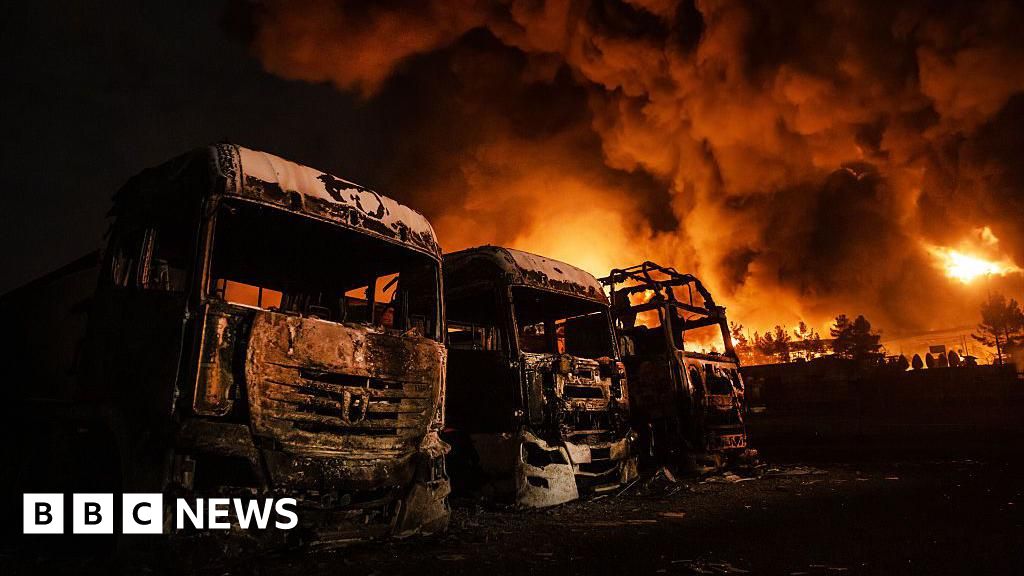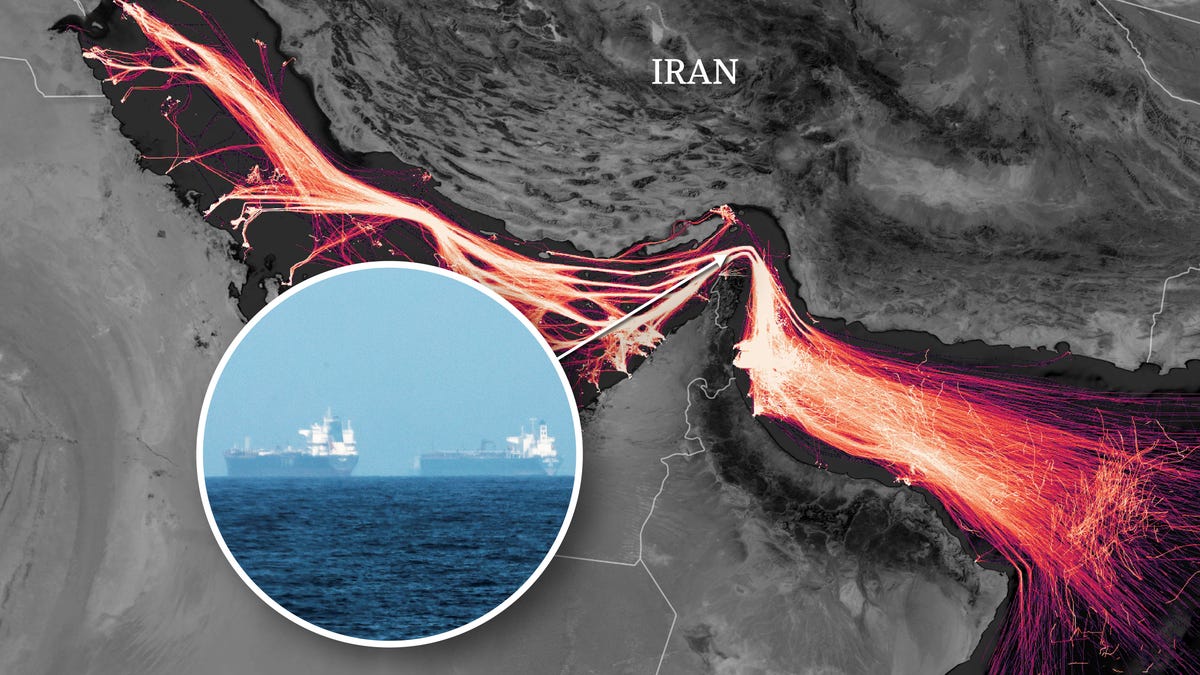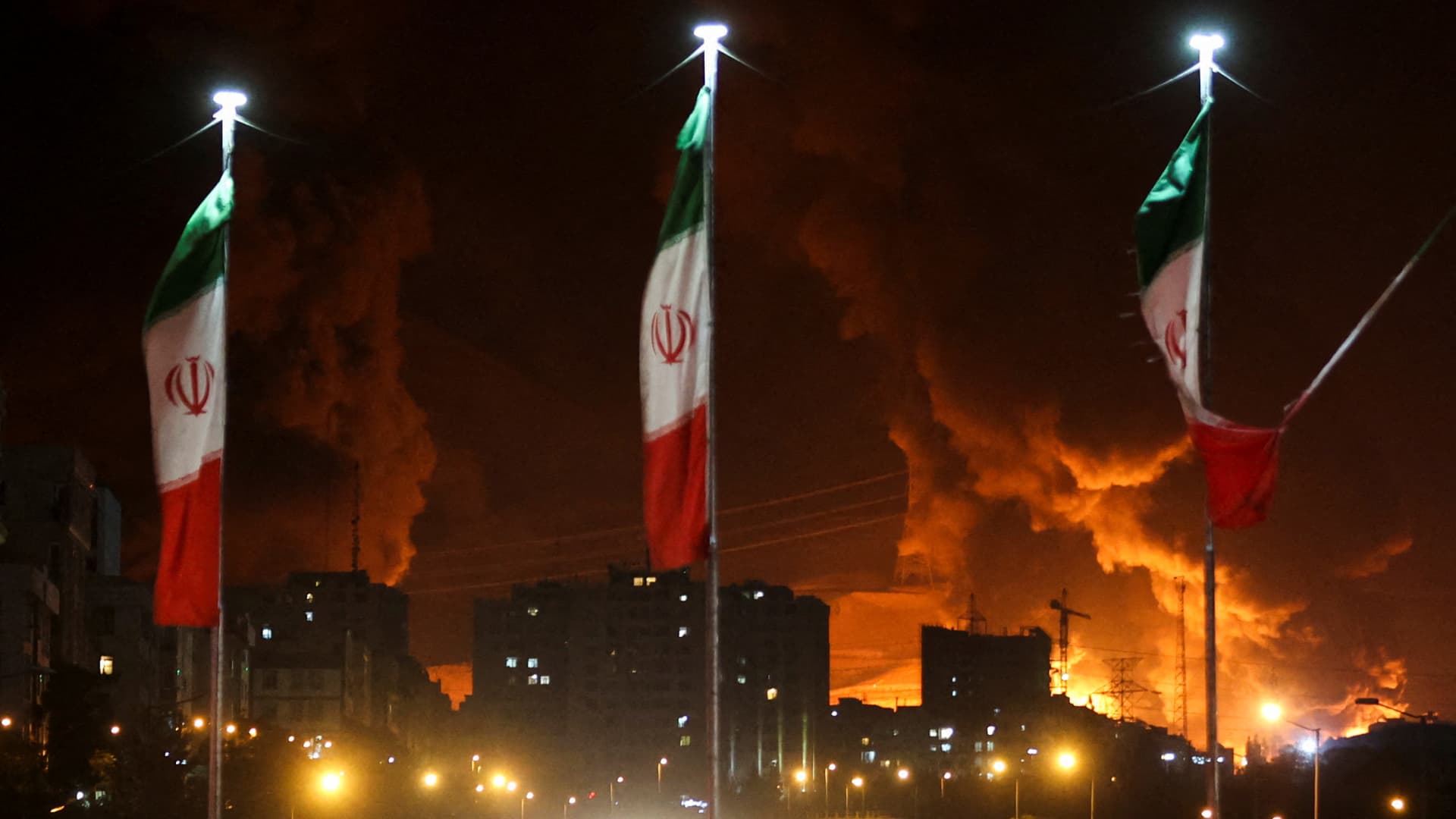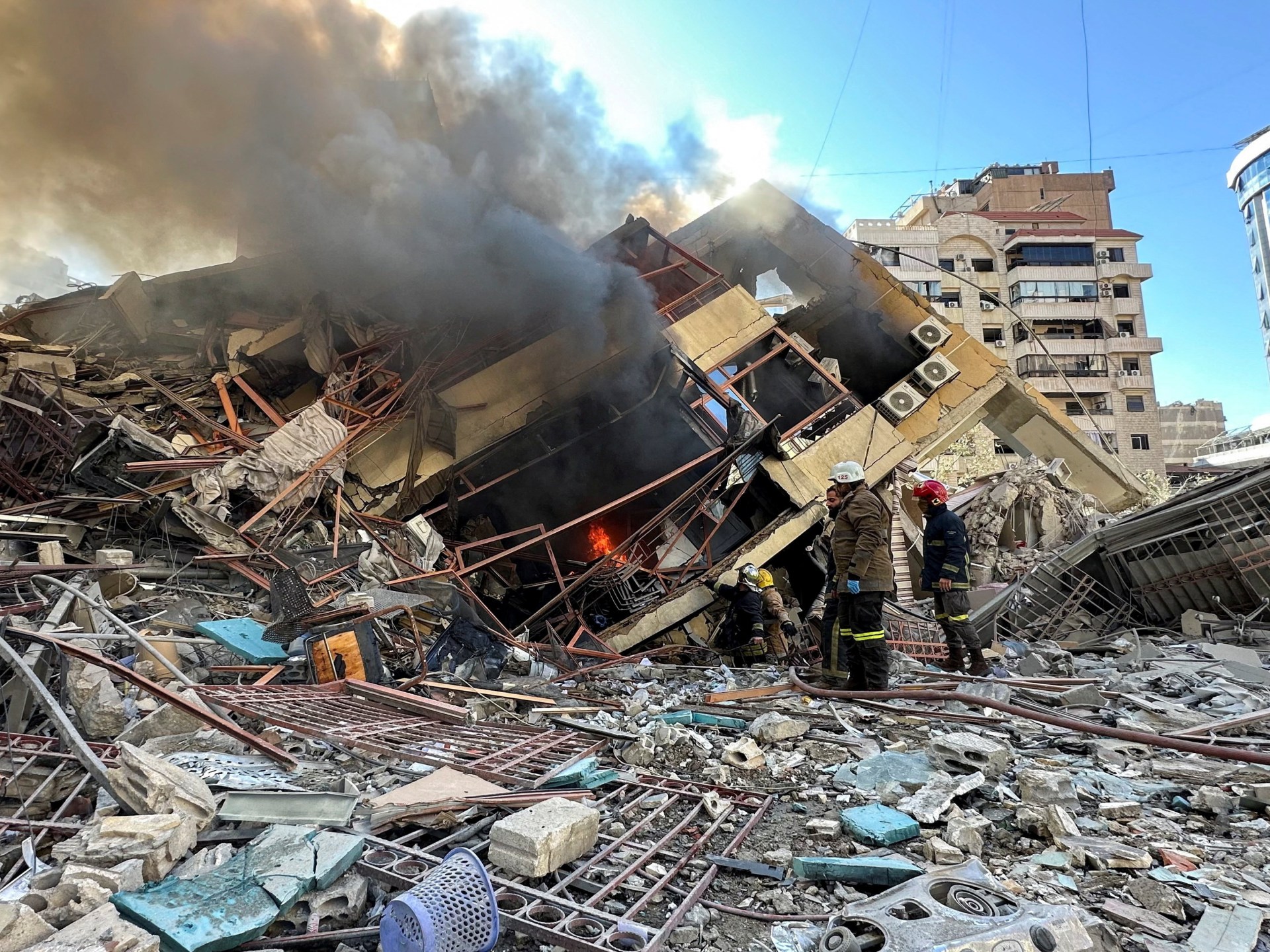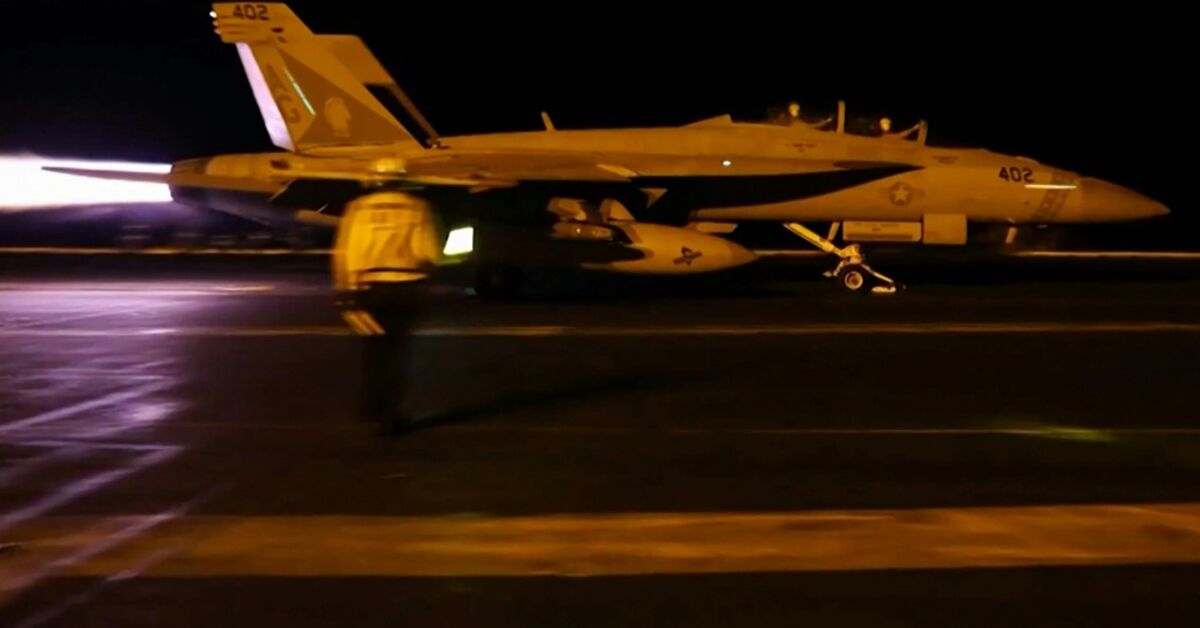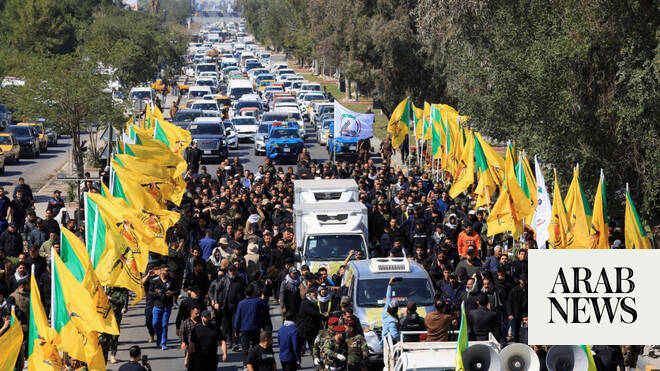
LONDON: Missiles and drones are again crossing Middle Eastern skies, while tanker traffic stalls at the Strait of Hormuz, raising fears that the killing of Iran’s supreme leader could spiral into a regional war with far-reaching consequences.
Oil has jumped beyond $80 a barrel, with warnings it could go much higher if key shipping lanes remain disrupted. The economic shock waves caused by any prolonged disruption could reverberate across the globe.
So far, Tehran’s retaliation against US-Israeli strikes has generated more alarm than advantage.
Arab capitals have condemned the attacks and markets have wobbled, but Iran has not succeeded in forcing governments into a stark choice between backing Israel or appearing weak by calling for restraint.
Instead, leaders have tried to hold the line, denouncing violations of sovereignty while keeping diplomatic channels open, even as the risk of miscalculation grows.