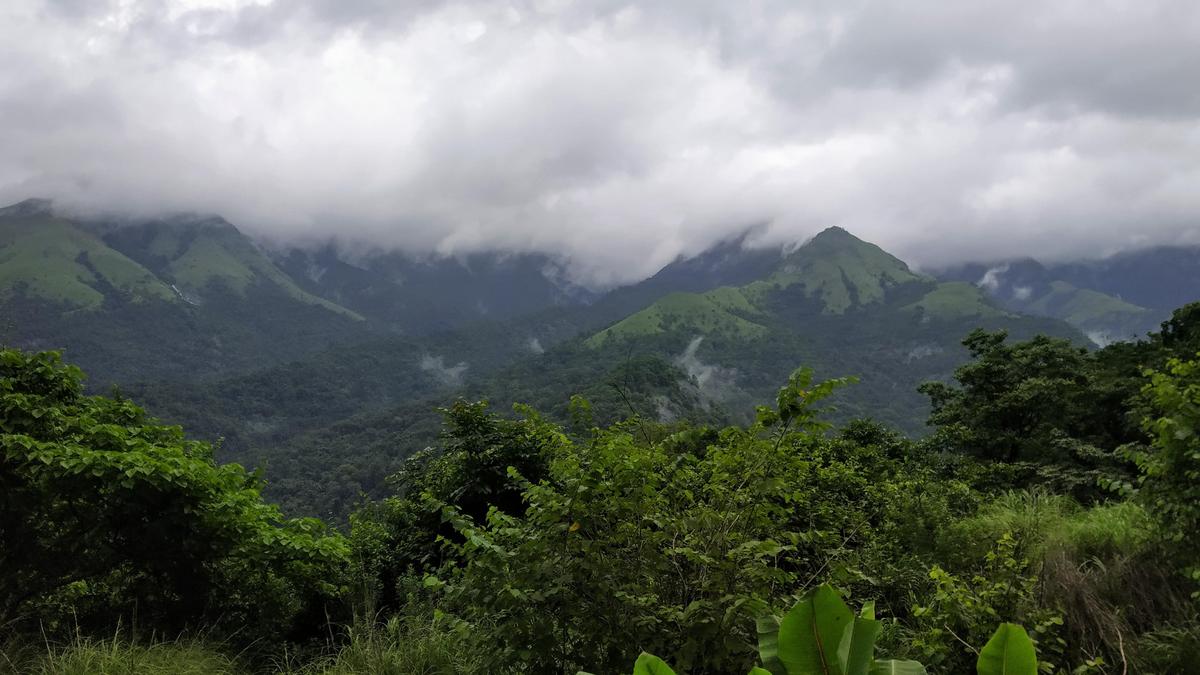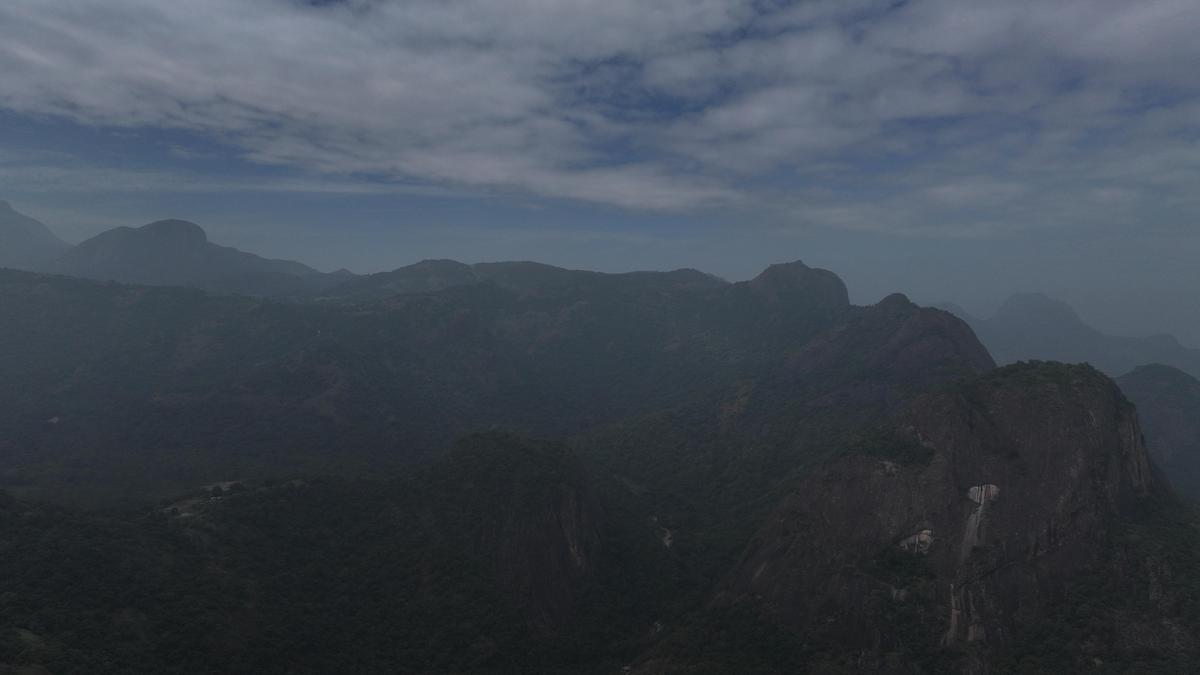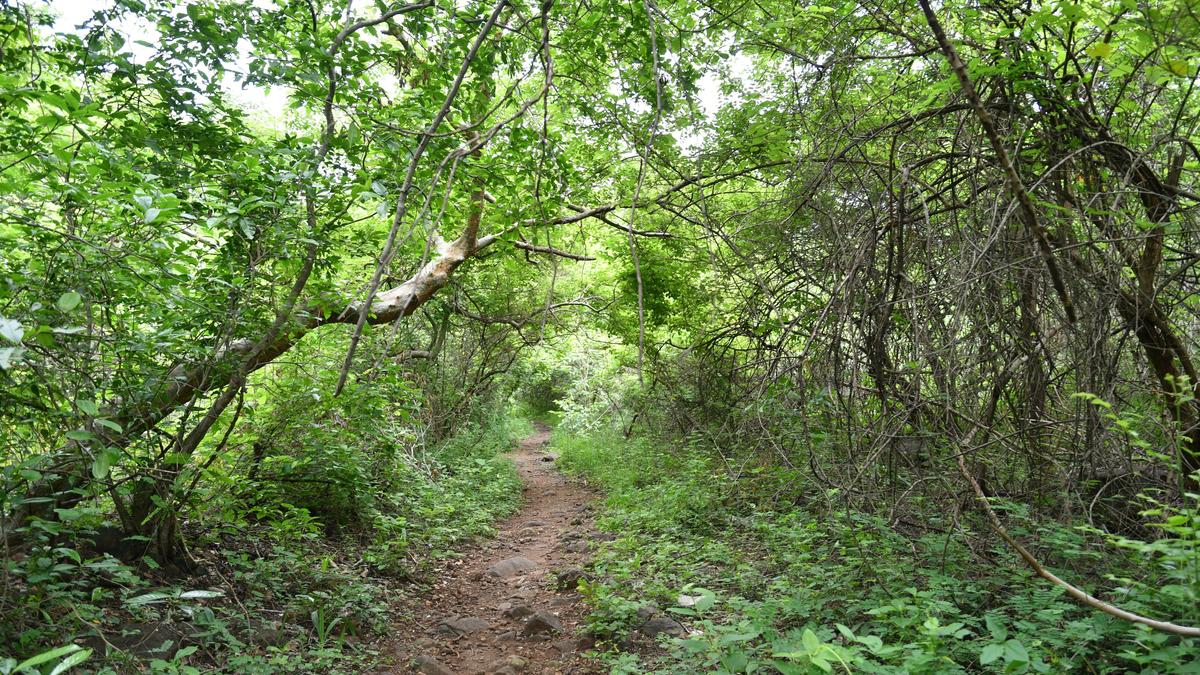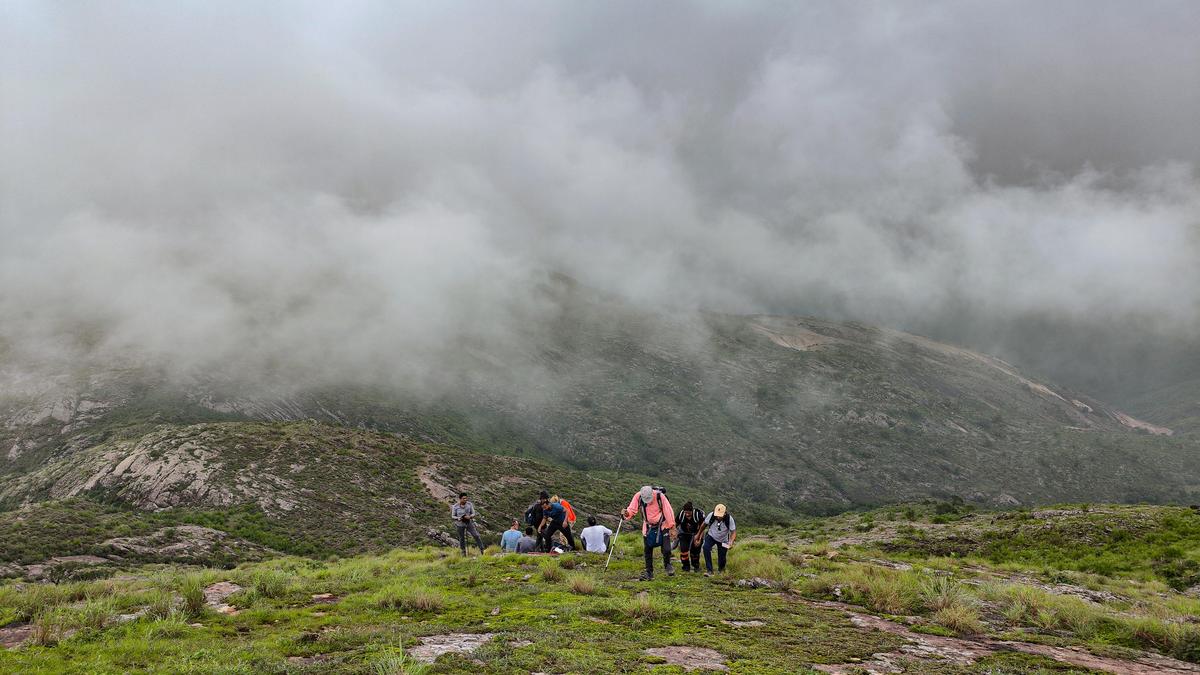
A picturesque view of the Sunkarametta trek near Araku in the Eastern Ghats of Andhra Pradesh.
| Photo Credit: File Photo
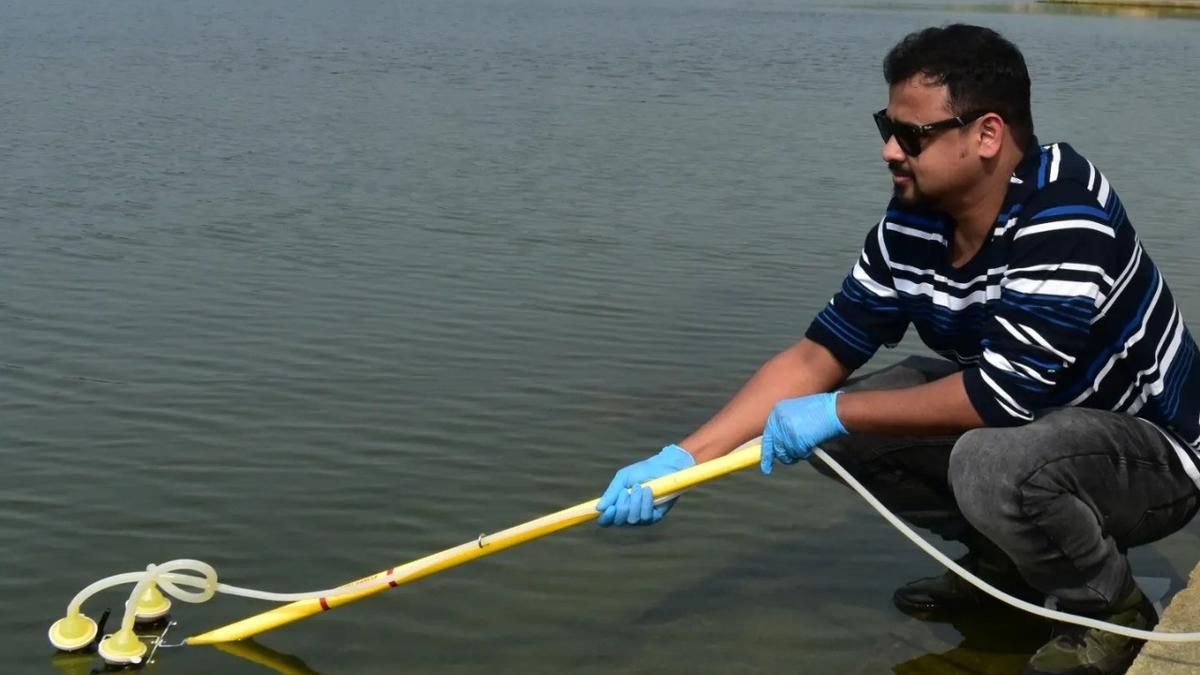
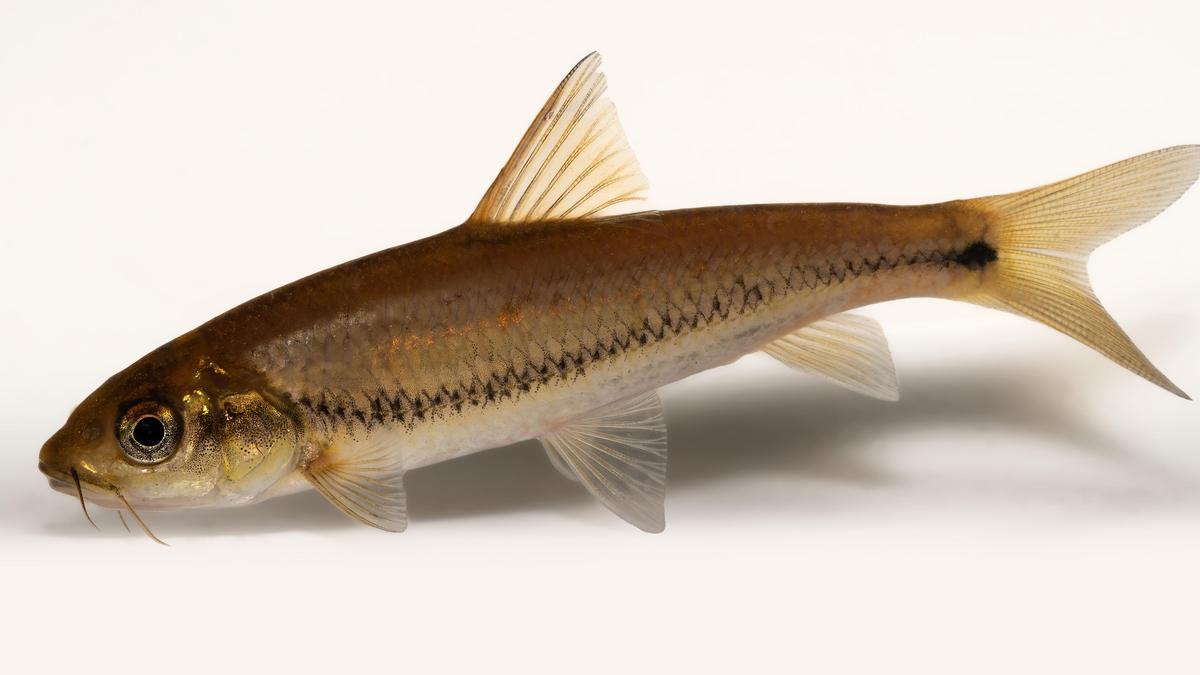
A combination of genomic tools, species-level research and large-scale ecological studies can help scientists better understand how species originated and spread, how habitats have transformed over time, and which areas in the Eastern Ghats require urgent conservation attention, said G.Umapathy, chief scientist at the CSIR-Centre for Cellular and Molecular Biology’s Laboratory for the Conservation of Endangered Species (LaCONES).He said the Eastern Ghats are among India’s most complex and least-studied mountain systems. Spread across eastern India in fragmented hill ranges, they merge with the Western Ghats and eastern forests. Older than the Western Ghats, they have a distinct ecological history, but their rich biodiversity is poorly documented and increasingly threatened by habitat loss, fragmentation and climate change.Recognising these challenges, researchers, students, conservation practitioners, NGOs and officials from the Forest department gathered for a four-day workshop at LaCONES last week to deepen scientific understanding and strengthen conservation planning for the region. Mr. Umapathy, who served as the chief organiser, said the workshop aimed to foster collaborative research networks and expand technical expertise.“We need a community of scientists who can work in the field and also interpret genomic data. Only then can we integrate state-of-the-art conservation strategies for India. The underexplored biodiversity of the Eastern Ghats demands such efforts urgently,” said co-organisers Siddharth Kulkarni and Gopi Krishnan.The symposium, ‘Discerning the Eastern Ghats: From Genes to Landscapes’, highlighted LaCONES’ recent use of environmental DNA (eDNA) to estimate biodiversity. Unlike traditional methods that rely on collecting physical samples, eDNA detects genetic material that organisms shed into their surroundings. This approach has revealed a remarkably rich and previously undocumented array of insects, arthropods, fishes, reptiles, birds, mammals, plants and micro-organisms across the Eastern Ghats. These insights were integrated with findings from landscape-level ecology studies.Speakers from institutions including IIHS Bengaluru, IISER Tirupati and NCBS Bengalurupresented research spanning freshwater ecology, forest-grassland dynamics, pollination biology, animal behaviour, remote sensing, systematics, ancient DNA and conservation genomics.Researchers emphasised that effective conservation planning must combine genomic data, species interactions, ecosystem processes and spatial information on land use, habitat connectivity, and topography. The workshop introduced participants to advanced genomic tools such as high-throughput sequencing technologies, aimed at empowering researchers working in the Eastern Ghats to integrate modern genomics into ecological and conservation studies, the release added. Published - March 03, 2026 07:24 pm IST