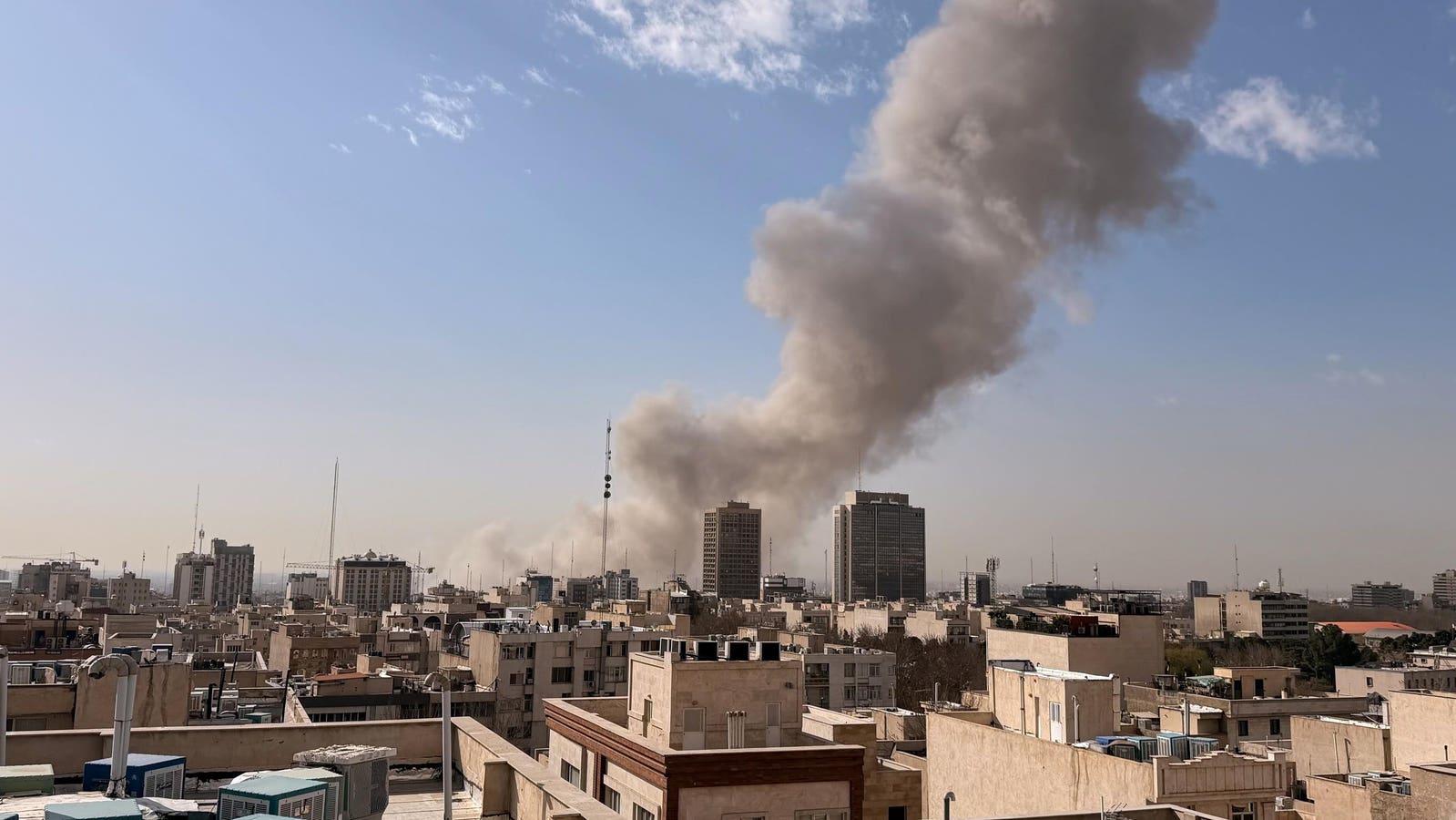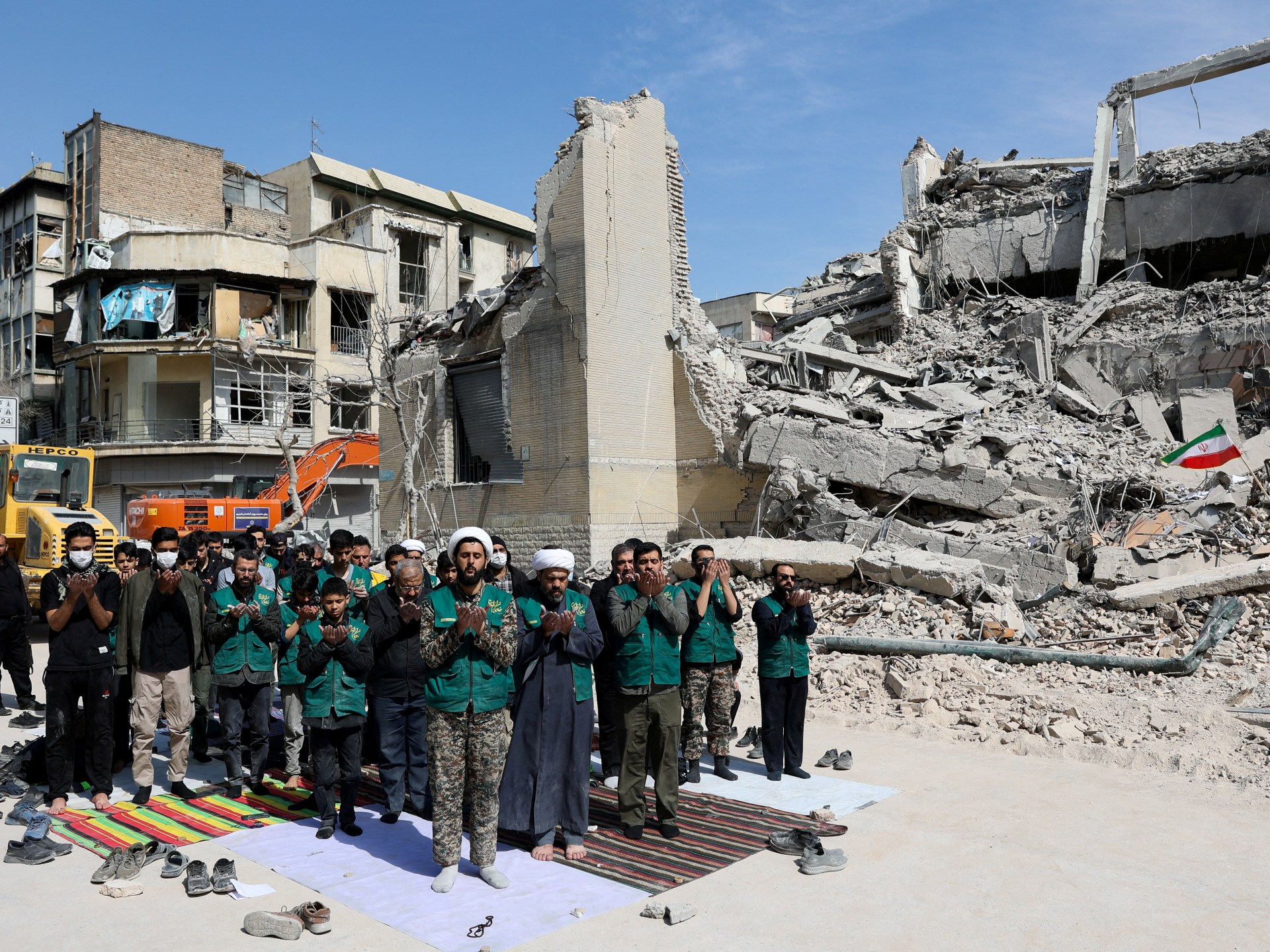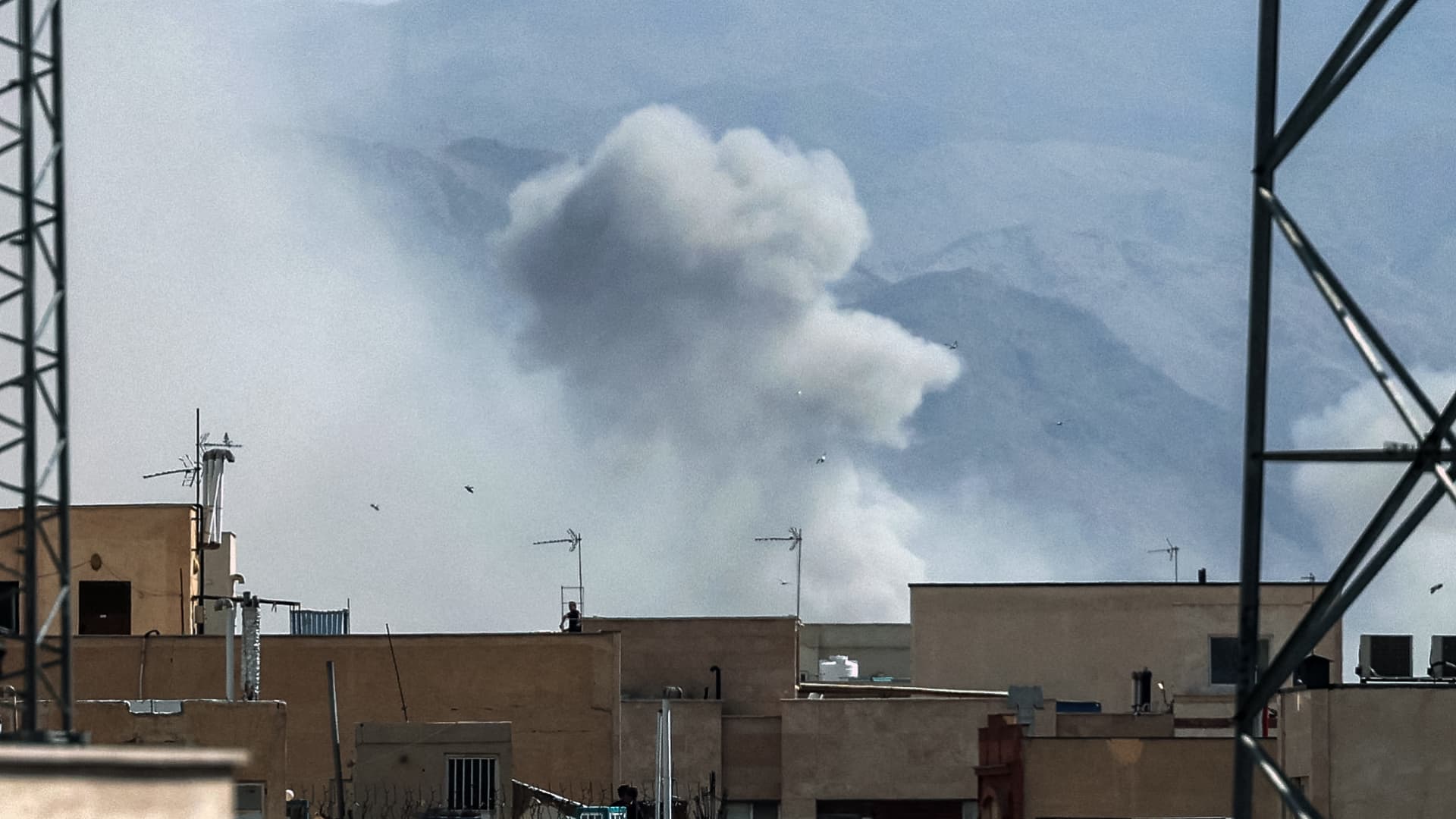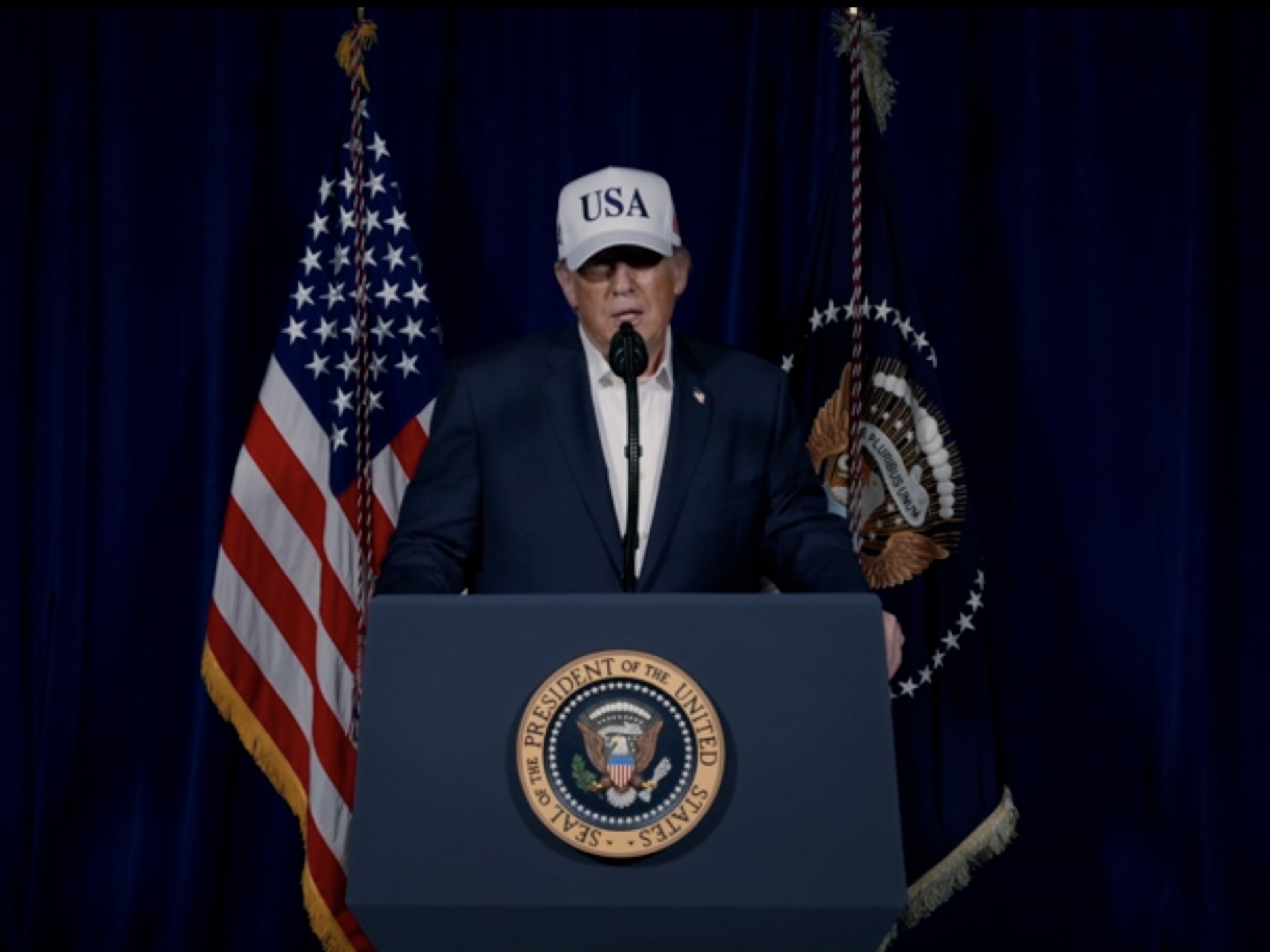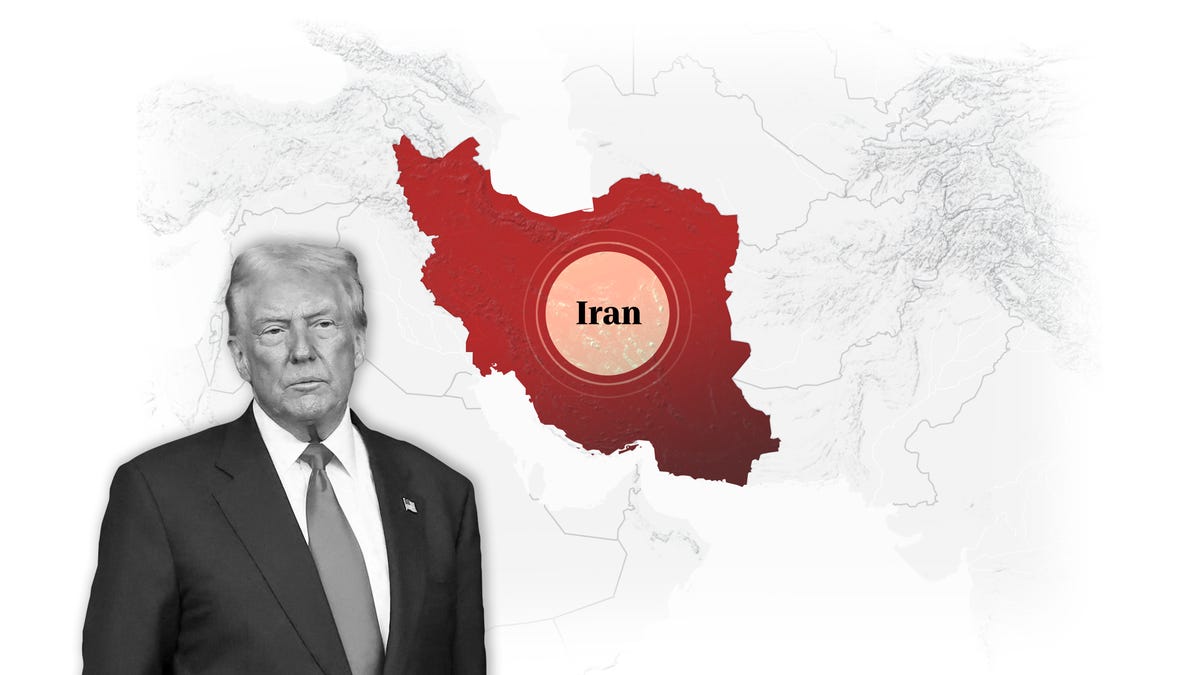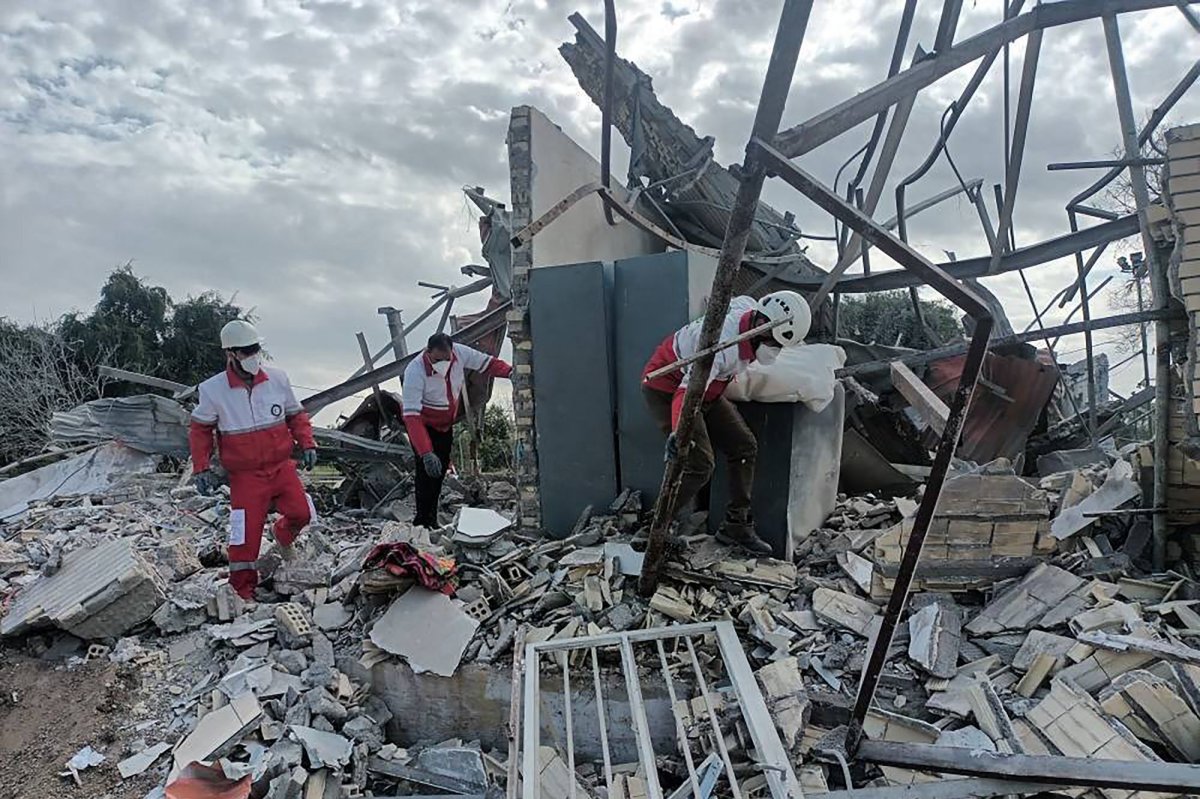
March 3 (UPI) -- The U.S.-Israel joint operation in Iran is in its early phases. It has already eclipsed U.S. operations in the Caribbean as the most significant military action of the second Trump administration. President Trump has indicated that the military action may continue for several weeks.
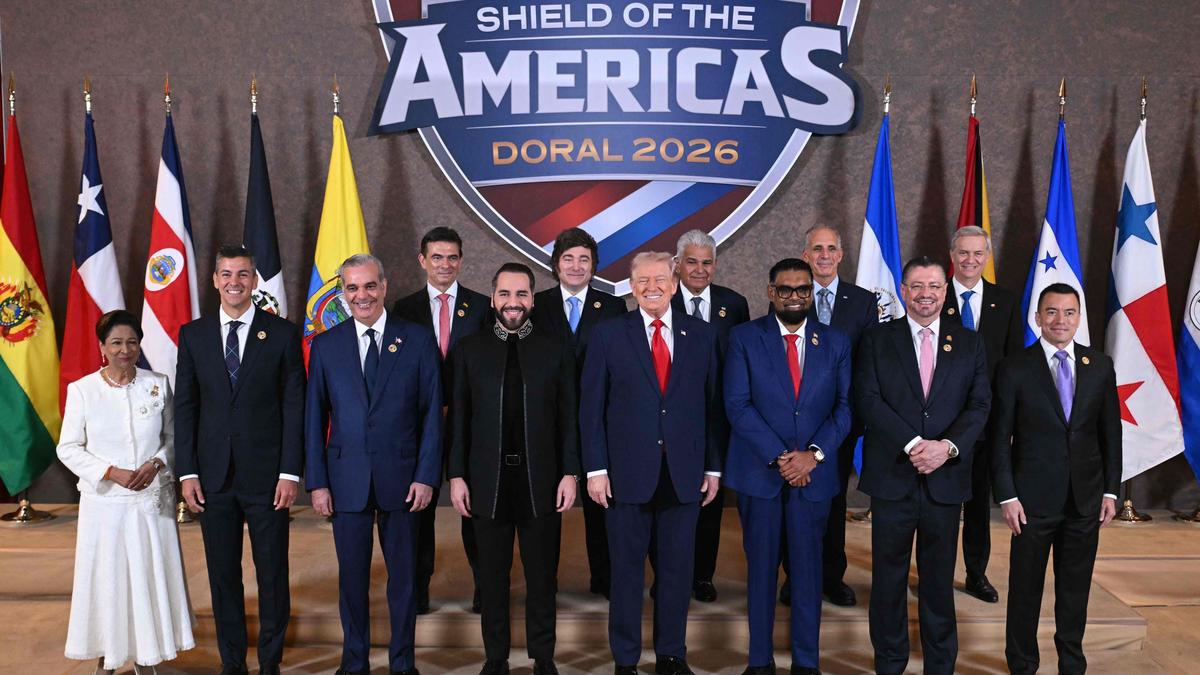
Iran's response, launching attacks against both Israel and countries hosting U.S. forces, or perceived as supporting the campaign, has created a serious risk of escalation. The fallout could reach international commerce and the broader global financial system. This article offers an early look at possible strategic consequences for Latin America, building on analysis by James Bosworth, founder of Hxagon and author of the Latin America Risk Report, one of the most closely followed political risk newsletters focused on the region.
Economic shockwaves: energy and logistics
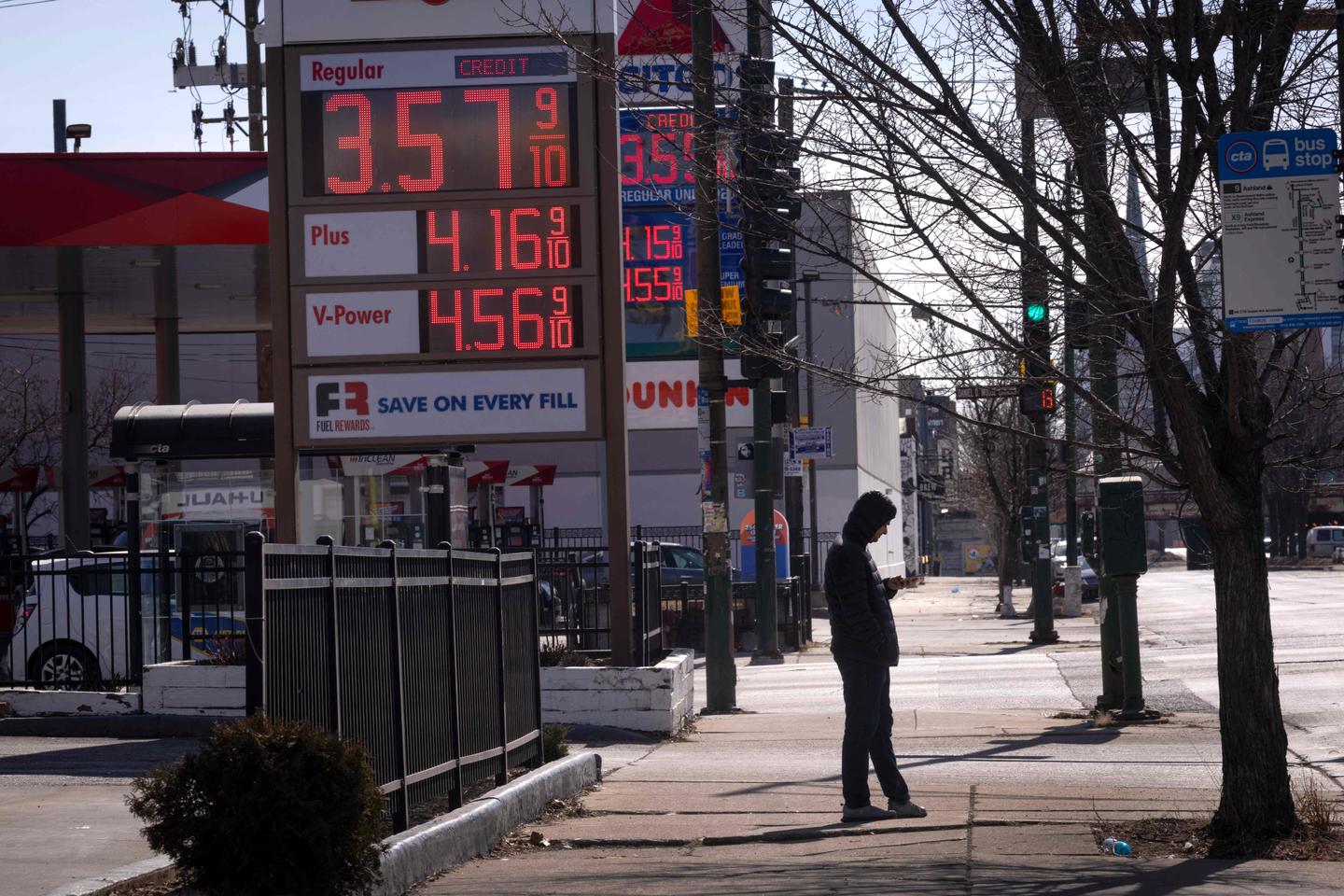
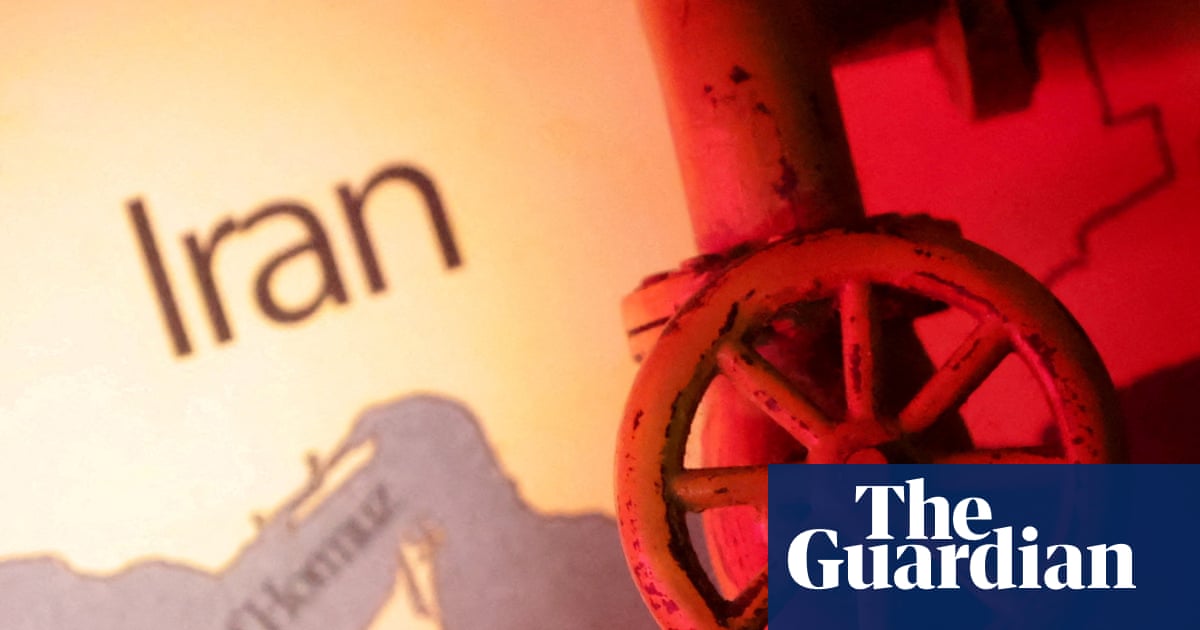
In the short term, the conflict's impacts will likely be principally economic. Oil prices are already rising and could increase significantly if Iran further restricts traffic through the Strait of Hormuz, creating immediate difficulties for oil-dependent countries in the Caribbean and Central America.
Disruptions to logistics flows between Latin America and Asia could also grow more substantial, affecting prices and inventories, if a broadening conflict puts transits through the Red Sea, the Suez Canal, and other key routes at risk.