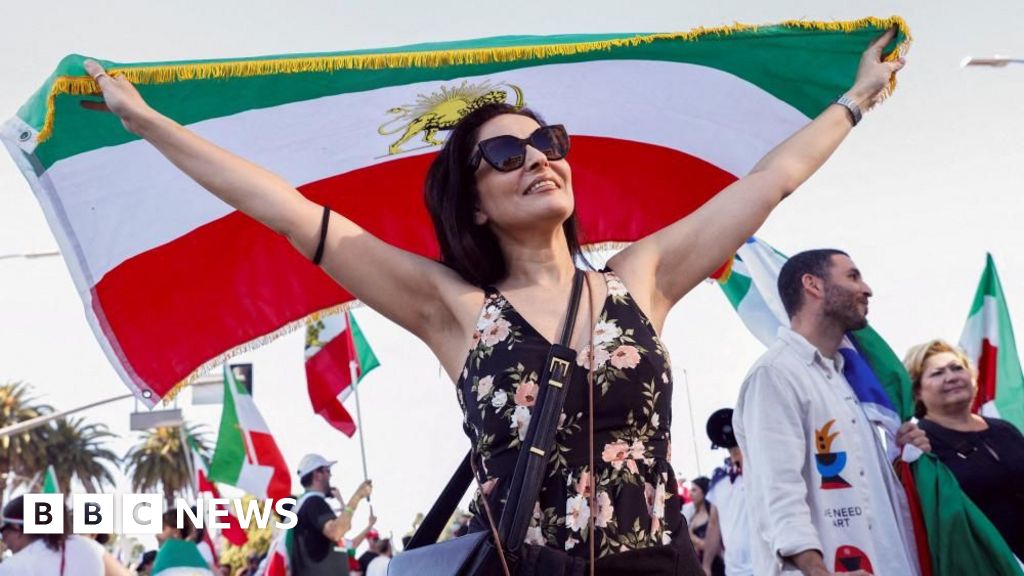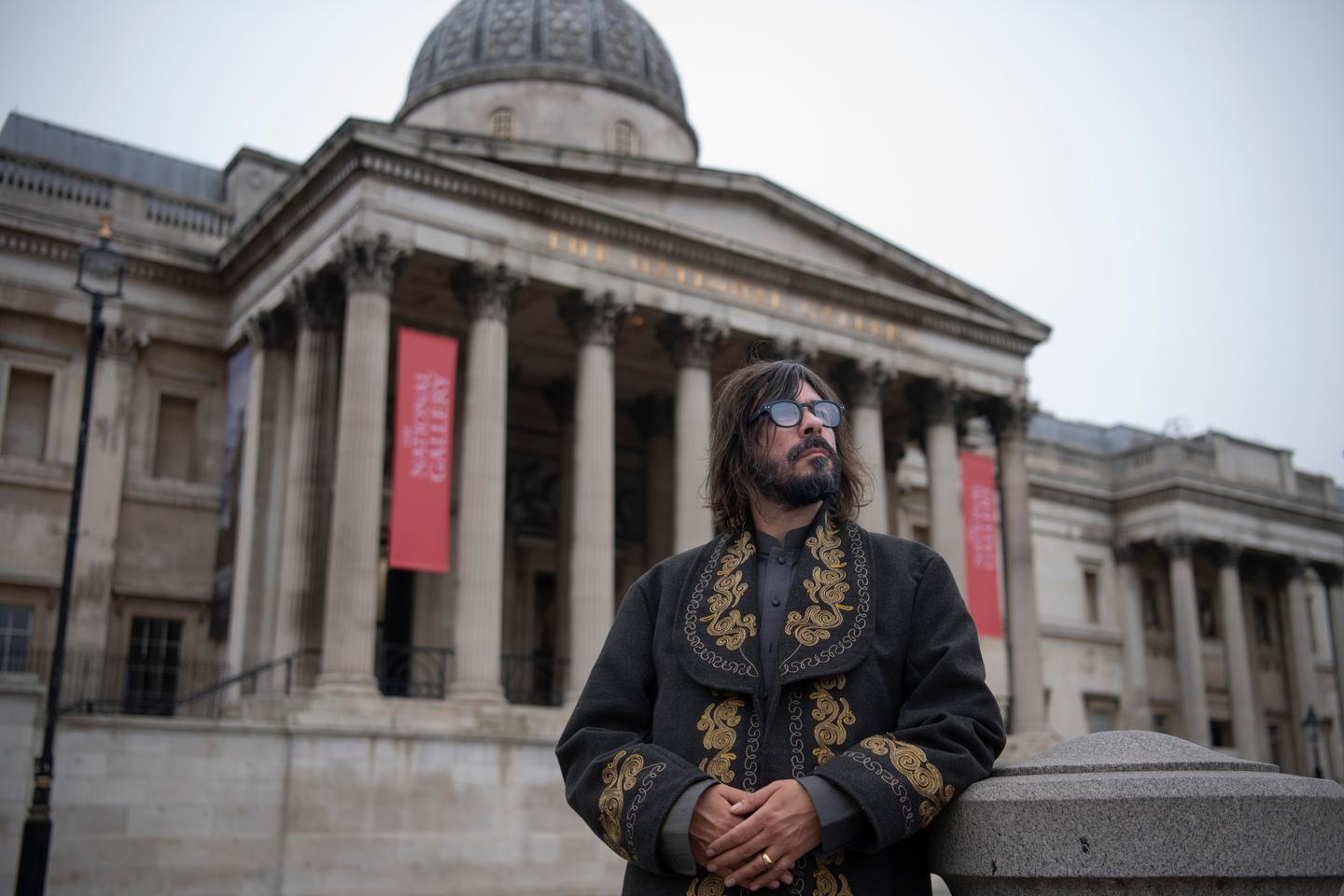
Artist Firouz Farman Farmaian, at Trafalgar Square, London, March 4, 2022. KI PRICE/GETTY IMAGES
"Being an Iranian woman at such a time means living in a state of constant contradiction," said Sara Bigdeli Shamloo, an experimental musician who has lived in Paris since 2014. "There is a very real fear for human lives, and at the same time, a kind of almost guilty hope."
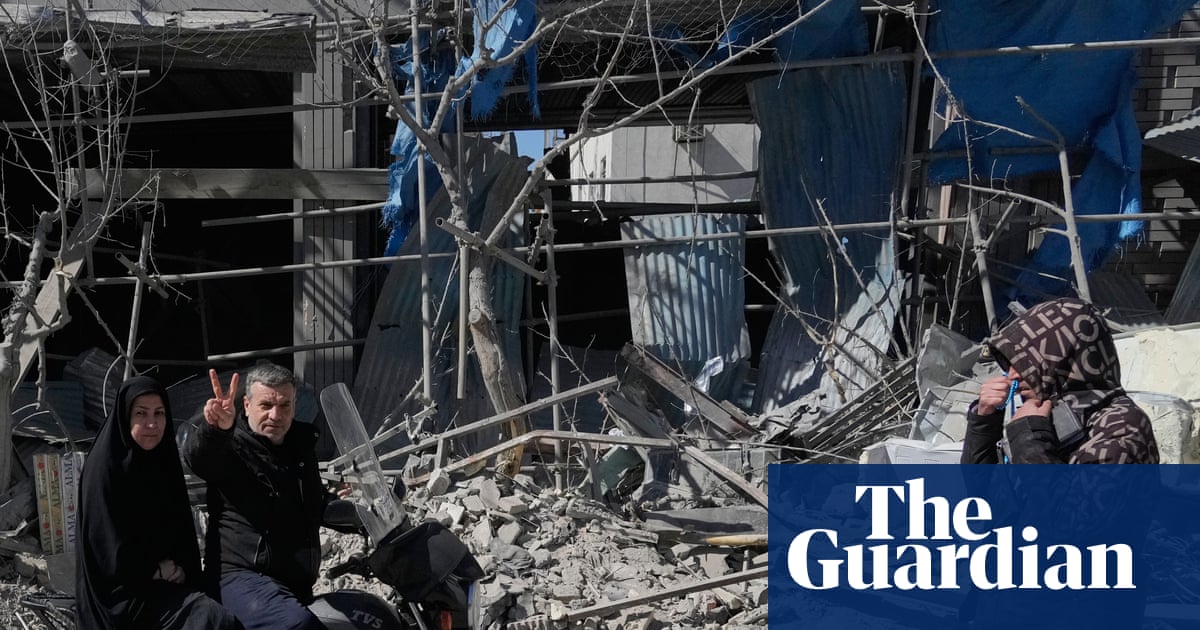
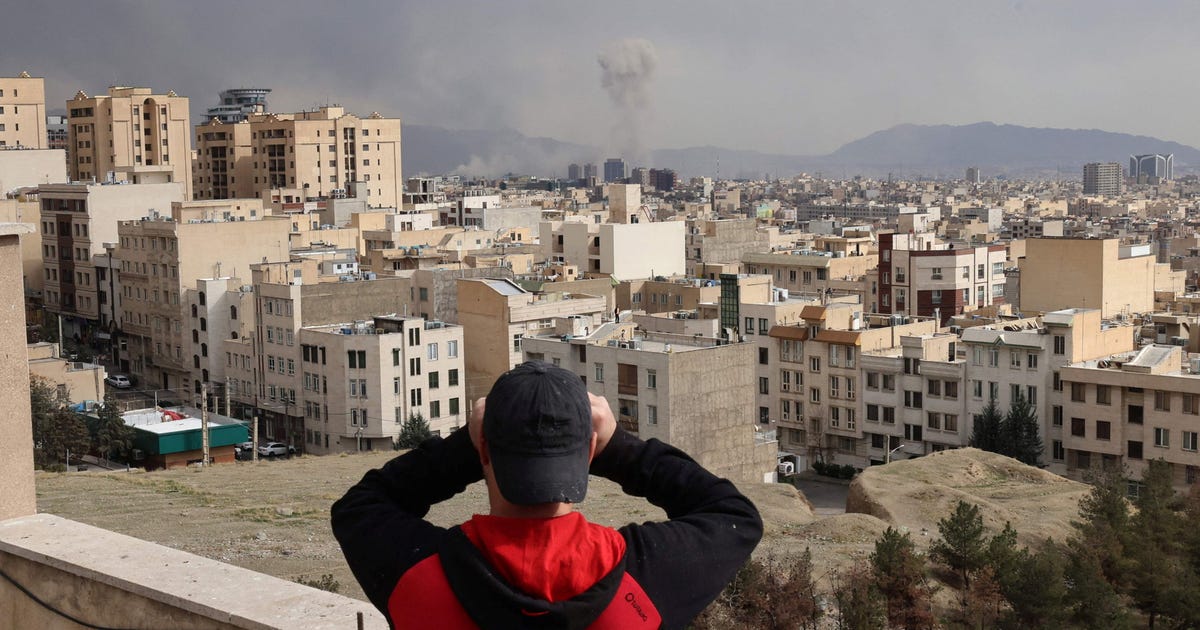
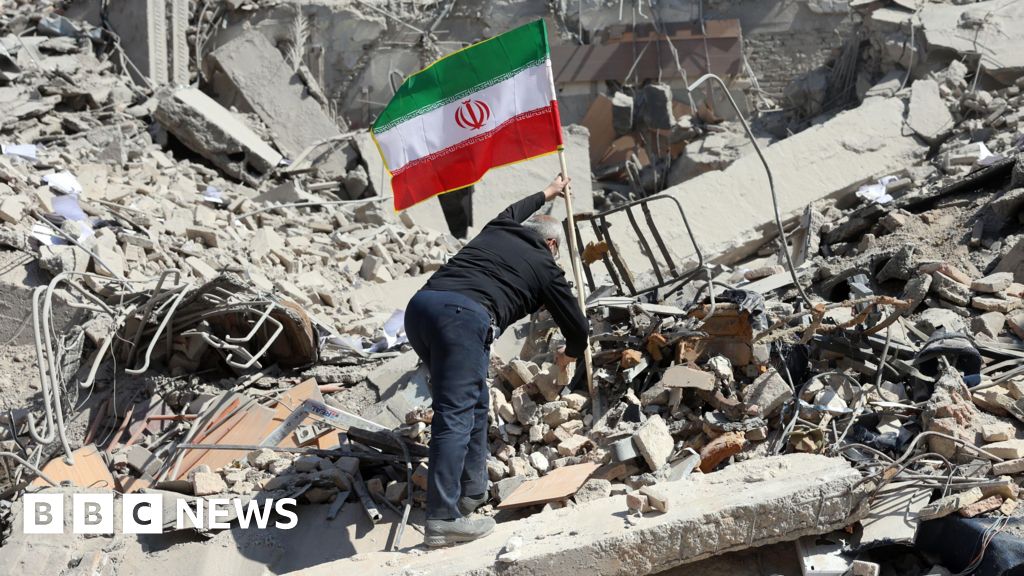
Like all Iranians in exile, since the beginning of the US-Israeli strikes in Iran on Saturday, February 28, the young woman has tried to untangle the chaos of her emotions – an odd mix of fear, disbelief and jubilation. "A lot of people, despite the danger, feel that this crisis could offer a way out after decades of violence and suffocation. We are already seeing footage of people dancing in the streets under missile fire. An image nearly impossible to grasp from the outside, but it reveals just how tired people are and how strong their will to live has become after so long."
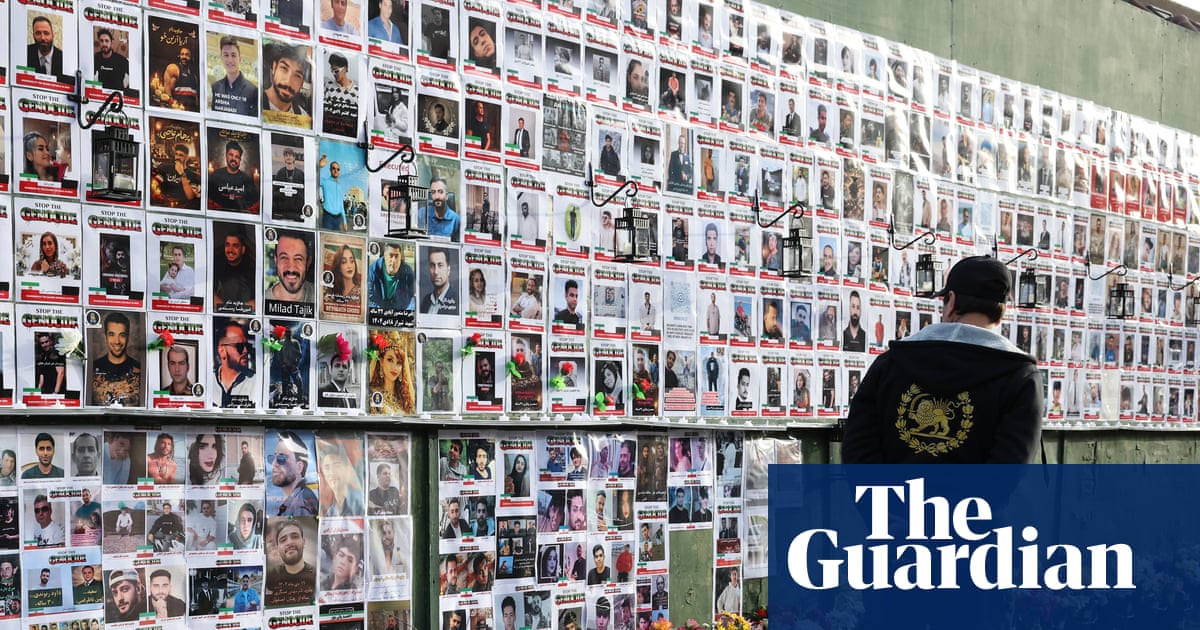
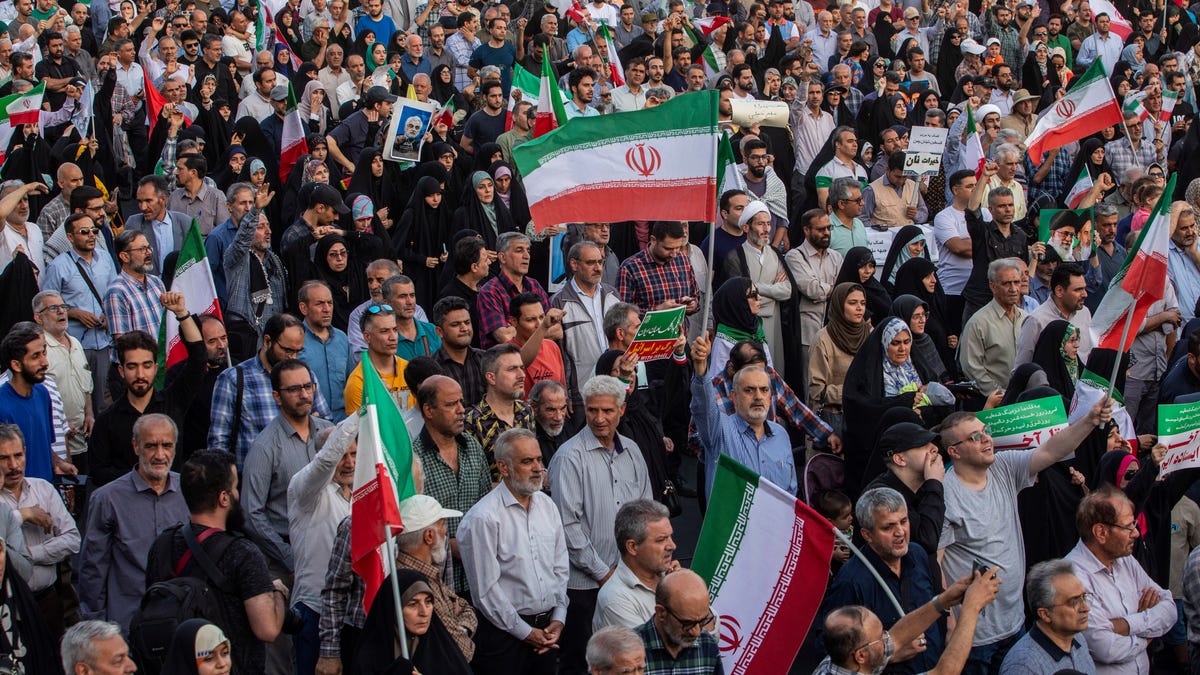
Back in December 2025, Bigdeli Shamloo had already started to hope as protest crowds grew week after week in cities across Iran. For the first time, voices on the streets were openly calling for the fall of the Supreme Leader of the Islamic Republic, Ali Khamenei. But that momentum was brutally cut short on January 8, behind closed doors. Tales of horror have poured in ever since: a crackdown of unprecedented brutality, even fiercer than the regime's usual standards, with tens of thousands dead in a single week, according to some estimates. Like many Iranians of her generation, Bigdeli Shamloo lost loved ones during the protests.