https://arab.news/mvzv9
Over the past few decades, global health financing has relied on a narrow base. As of 2023, official development assistance grants accounted for 75 percent to 95 percent of health-related aid flowing into developing economies, making the system highly dependent on the public budgets of a handful of donor countries.
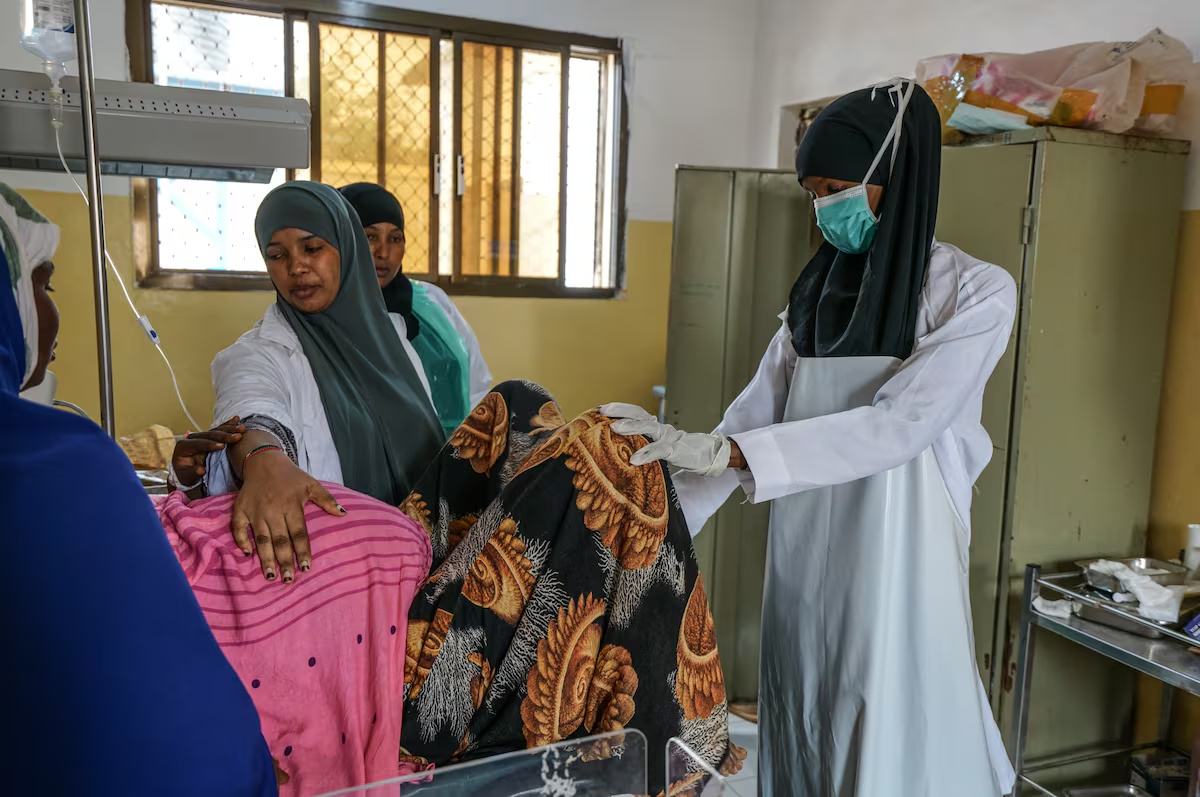
To be sure, this model has delivered major gains. Mortality rates among children under 5 in low-income countries, for example, fell by 19 percent between 2011 and 2019, from 1,837 deaths per 100,000 children to 1,485. Official development assistance-funded institutions also underpinned collective responses to global crises, including the COVID-19 pandemic. But dependence on a small number of provider countries has become a structural vulnerability, as shifts in their political and fiscal priorities reverberate across the entire system.
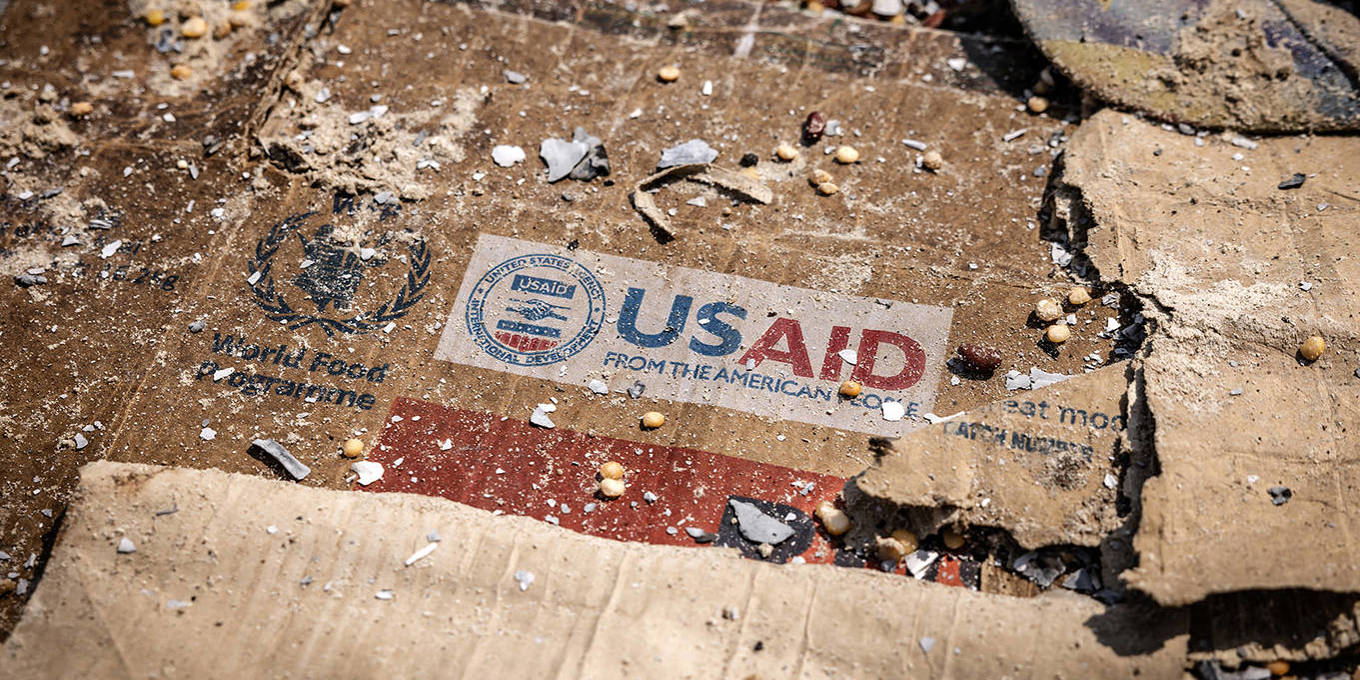
As a result, global health financing is at a turning point. In 2024, total official development assistance fell by more than $15 billion. Funding is estimated to have fallen by another 9 percent to 17 percent in 2025 and cuts are expected to continue through 2027, placing $40 billion to $55 billion in development assistance at risk. Bilateral official development assistance for health is shrinking even faster, falling by 19 percent to 33 percent between 2023 and 2025 to below pre-pandemic levels.