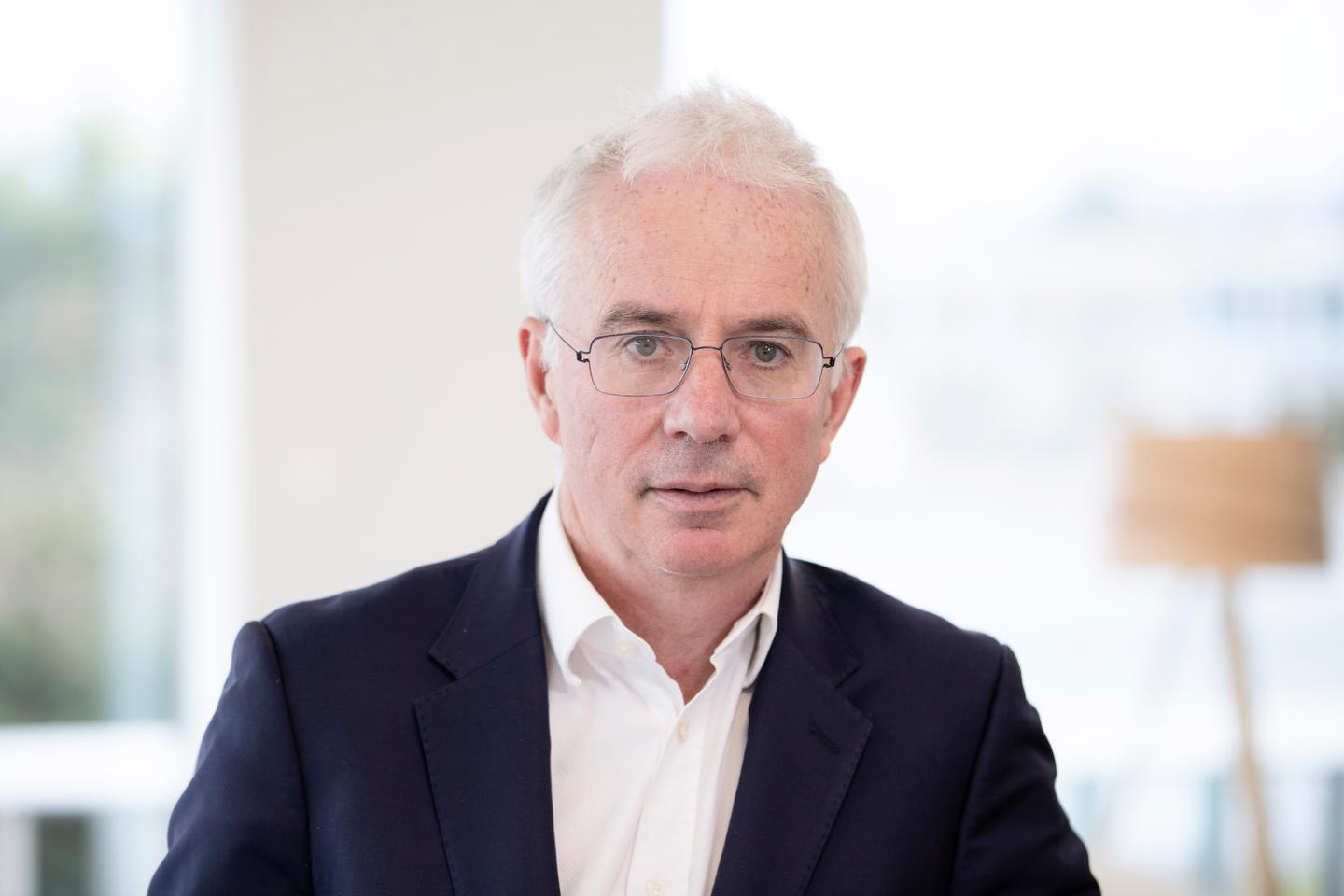
Peter Sands, director of the Global Fund to Fight AIDS, Tuberculosis and Malaria, Geneva, Switzerland, January 2020. VINCENT BECKER/THE GLOBAL FUND
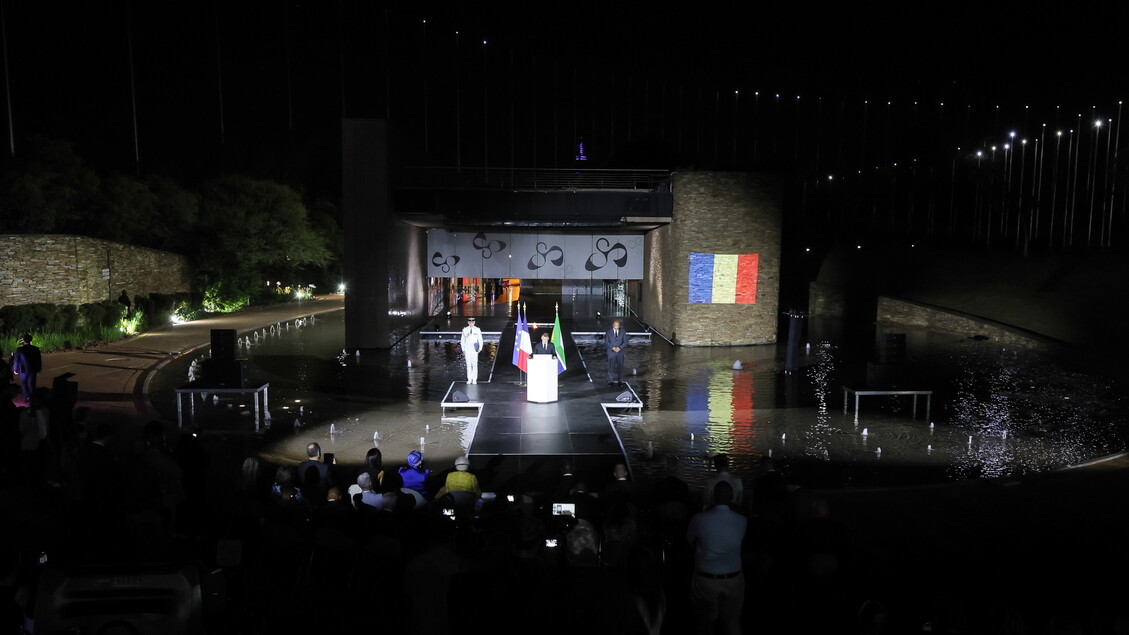
Donor countries of the Global Fund to Fight AIDS, Tuberculosis and Malaria are scheduled to meet at a summit in Johannesburg on November 21 to announce funding available for the organization's next three-year cycle. The goal is to raise $18 billion (€15.6 billion), even as development aid is expected to decline by 30% to 40% in 2025 compared to 2023. Peter Sands, the director of the Global Fund, discusses the challenges that this summit will face.
What are the issues at stake at the Global Fund’s Eighth Replenishment Summit on Friday?
This is a real test of the global community’s commitment to the ambitions of the third sustainable development goal of ending HIV and tuberculosis and malaria as public health threats. I know there’s a lot of skepticism about the effectiveness of international aid but look at the facts. The Global Fund Partnership has reduced the combined mortality rate of HIV, tuberculosis and malaria by 63%.
In a country like Zambia, life expectancy at the time the Global Fund was created was 43. By 2022, two decades later, it's 58. And most countries in Sub-Saharan Africa would have seen similar improvements or greater ones. Over half, in some cases two-thirds, of that improvement is due to the reduction in mortality of HIV, tuberculosis and malaria.