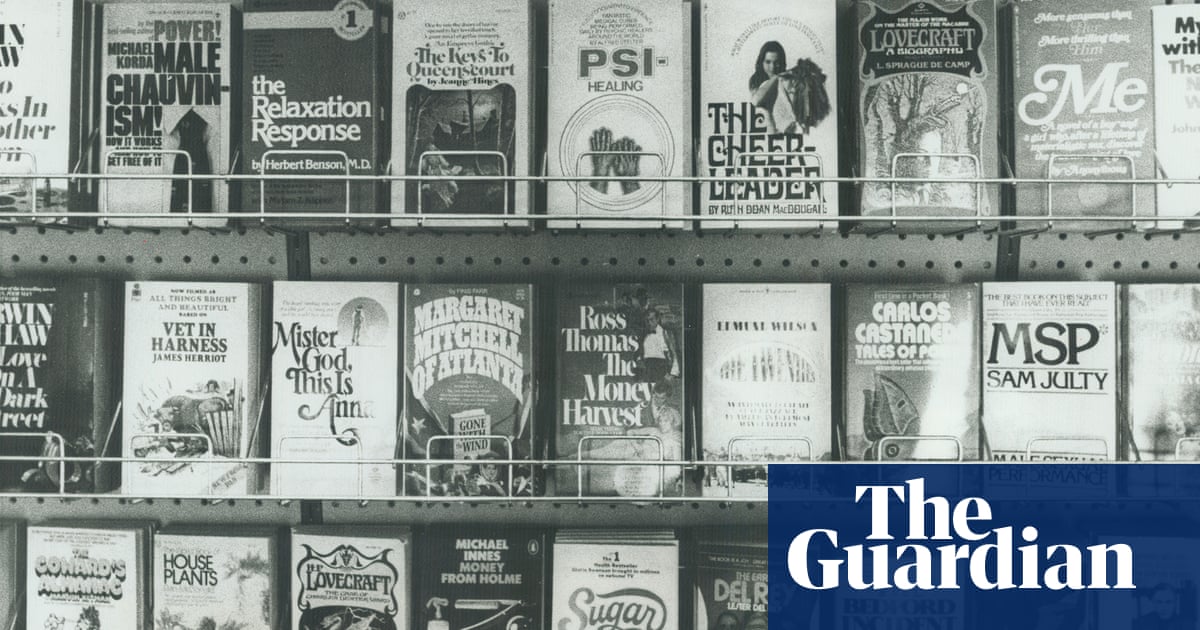
The so-called ‘pocket book’ sold in supermarkets is being phased out across the US, the latest sign of an ongoing shift in how people are choosing to read
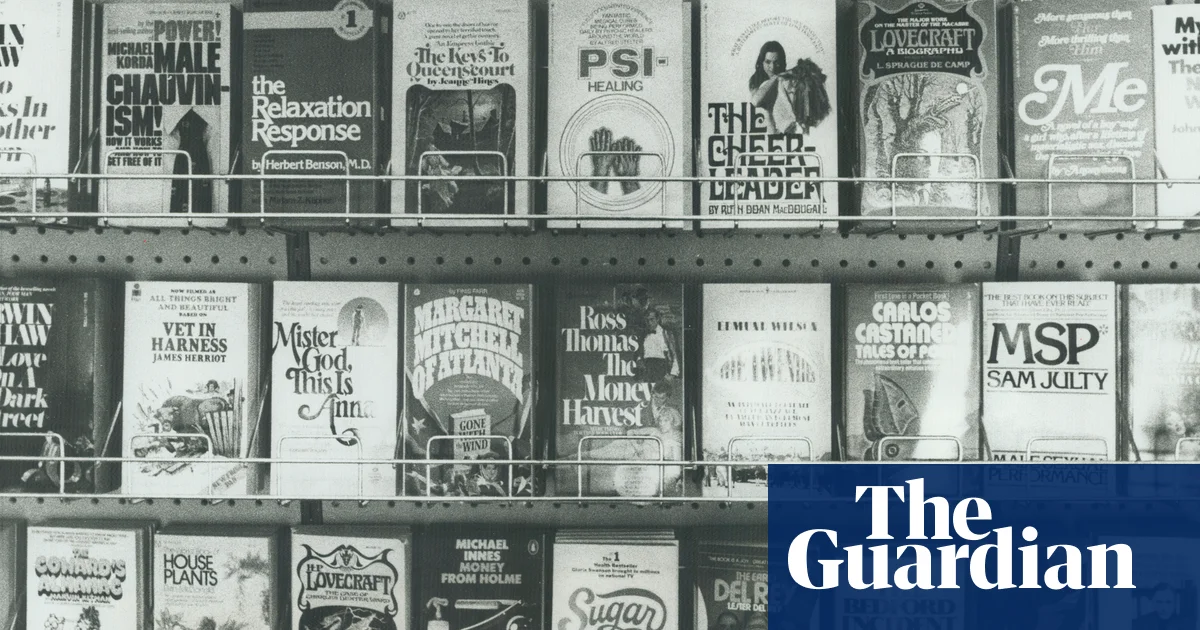
Shelly Romero has early memories of going to her local supermarket and picking pulp fiction off the shelves. “We were very working class; my mom was working two jobs sometimes,” she recalls. “The appeal of books being cheaper and smaller and able to be carried around was definitely a thing.”
For generations of readers, the gateway to literature was not a hushed library or a polished hardback but a wire spinner rack in a supermarket, pharmacy or railway station. There, amid chewing gum and cigarettes, sat the mass-market paperback: squat, roughly 4in by 7in and cheap enough to be bought on a whim.
But the era of the “pocket book” is drawing to a close. ReaderLink, the biggest book distributor in the US, announced recently that it would stop distributing mass-market paperbacks. The decision follows years of plummeting sales, from 131m units in 2004 to 21m in 2024, and marks the end of a format that once democratised reading for the working class.
Romero, who grew up in the working-class, Latino and industrial city of Hialeah, Florida, says: “I don’t remember a bookstore. I had the library in Miami Springs across the bridge but in Hialeah around us, what was in walking distance because we didn’t have a car, was the Publix [supermarket] and sometimes we would get books from Goodwill [thrift store] as well.