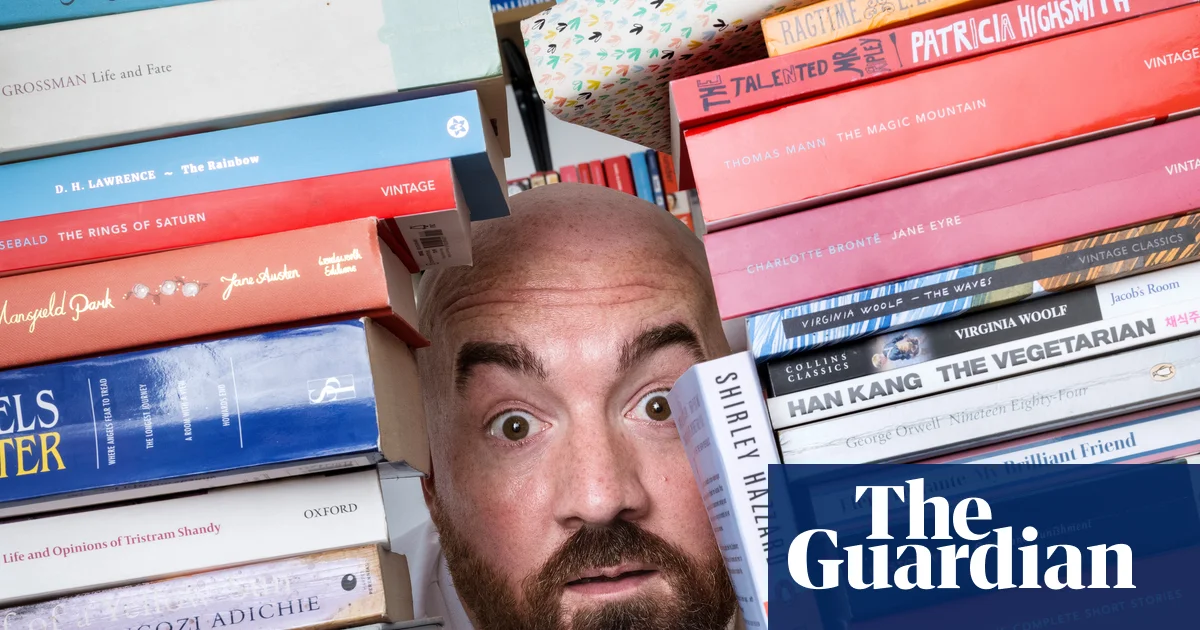
You can keep your ebooks. There is no better way to engage with words than through a paperback
E
verything changes so everything can stay the same. In the beginning I read a lot. I read paperback books. The Famous Five, the Secret Seven and all that stuff. I had – have, actually – all 21 Famous Five books. They’re in paperback, apart from the fifth one, Five Go Off in a Caravan, which is in hardback. A present from my nan. Nice. But I preferred paperbacks. I’ve never seen the point of hardbacks. They’re unwieldy, harder to hold in bed, especially under the sheets when I was supposed to be asleep.
In my teens I raced through Agatha Christie, Alistair MacLean and the like, and Reader’s Digest too, countless editions of which were lined up beside every toilet in the house. Then schooling started interfering with my tastes and I got into Thomas Hardy in a big way, and other big thick, proper paperback novels. After my A-levels I went cycling in France with a mate, which was a miserable experience, saved only by the enjoyment I got from reading Anna Karenina, the battered doorstop edition of which I still have but am fearful of looking at lest it completely falls apart.
Then I went to university to study English literature and had the love of reading sucked out of me. Reading, in my book, was for enjoying, not for studying. I didn’t enjoy the studying of it, so I inevitably stopped enjoying the reading of it. Those reading years are a dismaying blur. The only writer to survive the cull in my love of literature was Evelyn Waugh. Everything else seemed to be a struggle. I blamed myself for not being clever enough. When I left university, I all but left reading behind too. I came across Raymond Carver, who I found easy to read and loved very much. And Richard Ford, who I found hard to read but still managed to love. Apart from that, the rest of my 20s and, and my 30s, passed by almost fiction-free.