https://arab.news/mxxa4
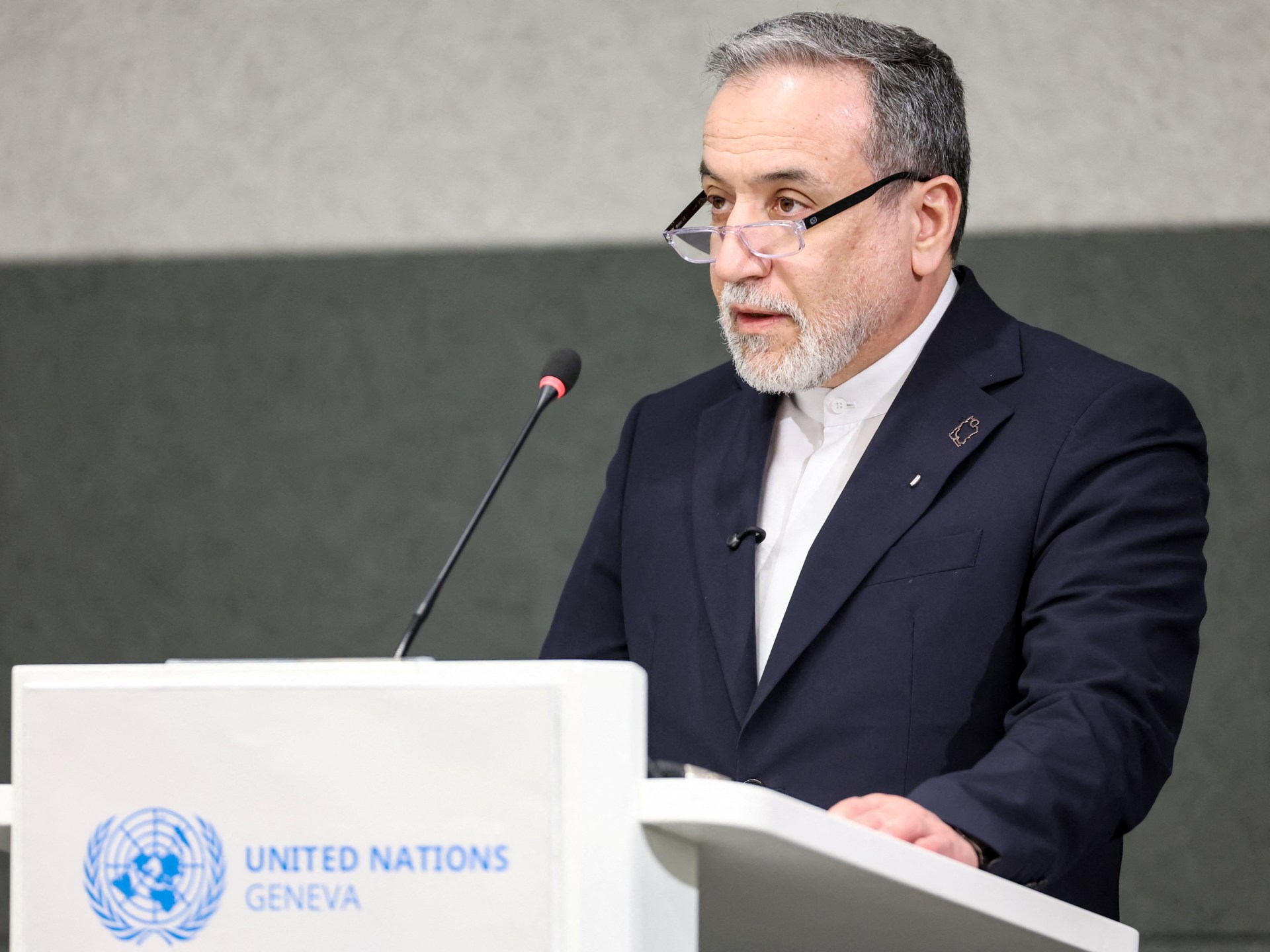
We are back at it — negotiations over Iran’s nuclear weapons, possibly with a limited or even a comprehensive war as the other means of dealing with the Islamic Republic. Whatever happens in the coming days and weeks, these negotiations and any resulting arrangement should not give the Tehran regime a license to kill its own population or continue destabilizing the region. To negotiate with Iran on the nuclear issue alone is to repeat the mistakes of the past, granting the regime legitimacy while ignoring the regional machinery of repression and proxy warfare that sustains it.
It has happened before. When a regime feels threatened, either by its own people or by international pressure, weapons of mass destruction become the perfect diversion. Saddam Hussein strung along UN inspectors in the 1990s while crushing uprisings. Muammar Qaddafi rehabilitated his image in the early 2000s by renouncing WMDs. Bashar Assad avoided US intervention in 2013 by agreeing to dismantle his chemical arsenal.
Then there was the Joint Comprehensive Plan of Action, or Iran nuclear deal, a version of which is now being revived. The pattern is simple: declaring readiness to negotiate over nuclear or chemical weapons immediately triggers an administrative reaction involving international organizations and bureaucracies with inspectors, fact-finding missions and rounds of technical negotiations. This gives regimes time and credibility and diverts attention from whatever else they do to their people.