The ceasefire is welcome but fragile. Friday’s talks in Islamabad must address Iran’s nuclear programme and avoid sidelining the rest of the region
T
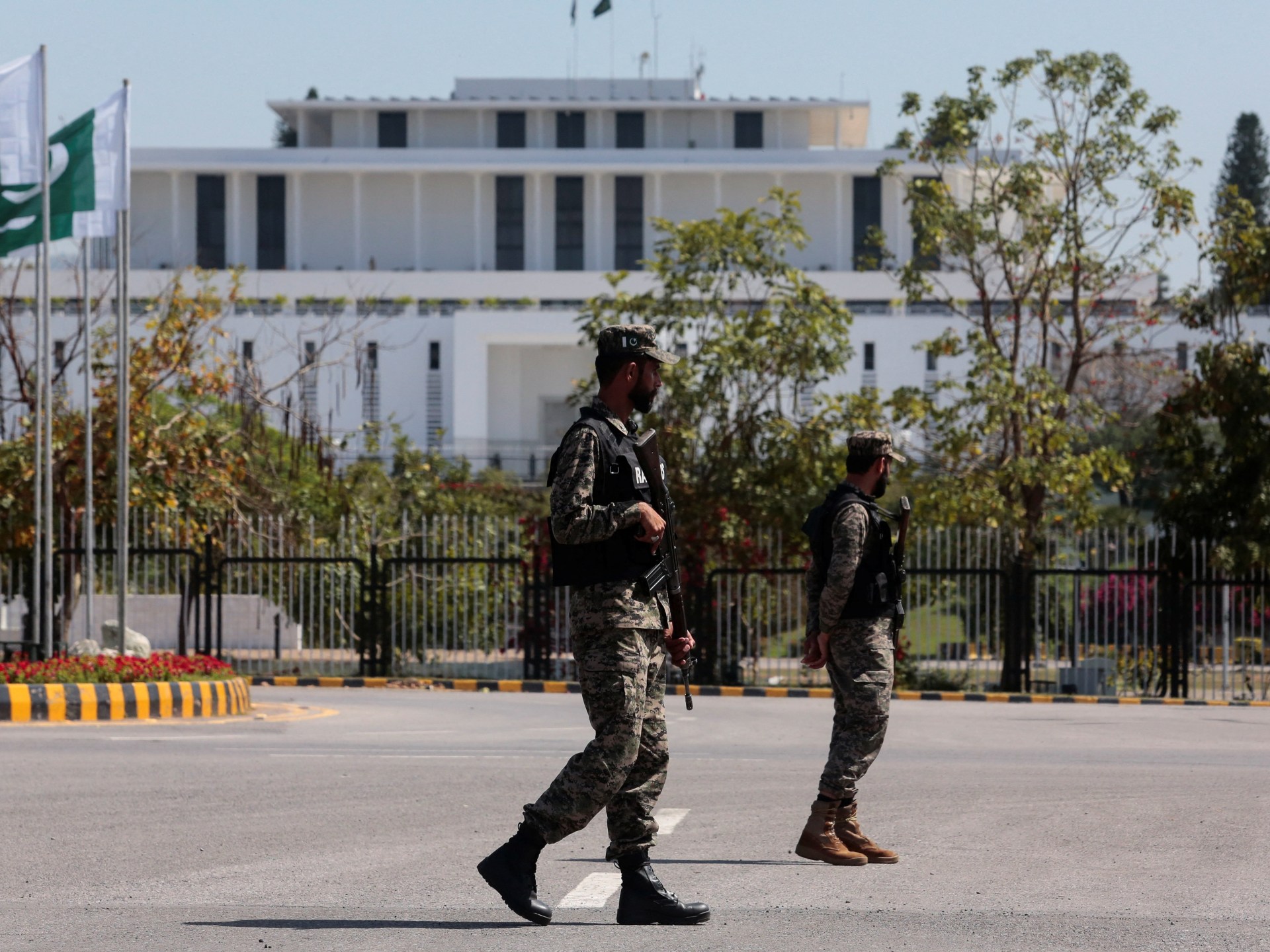
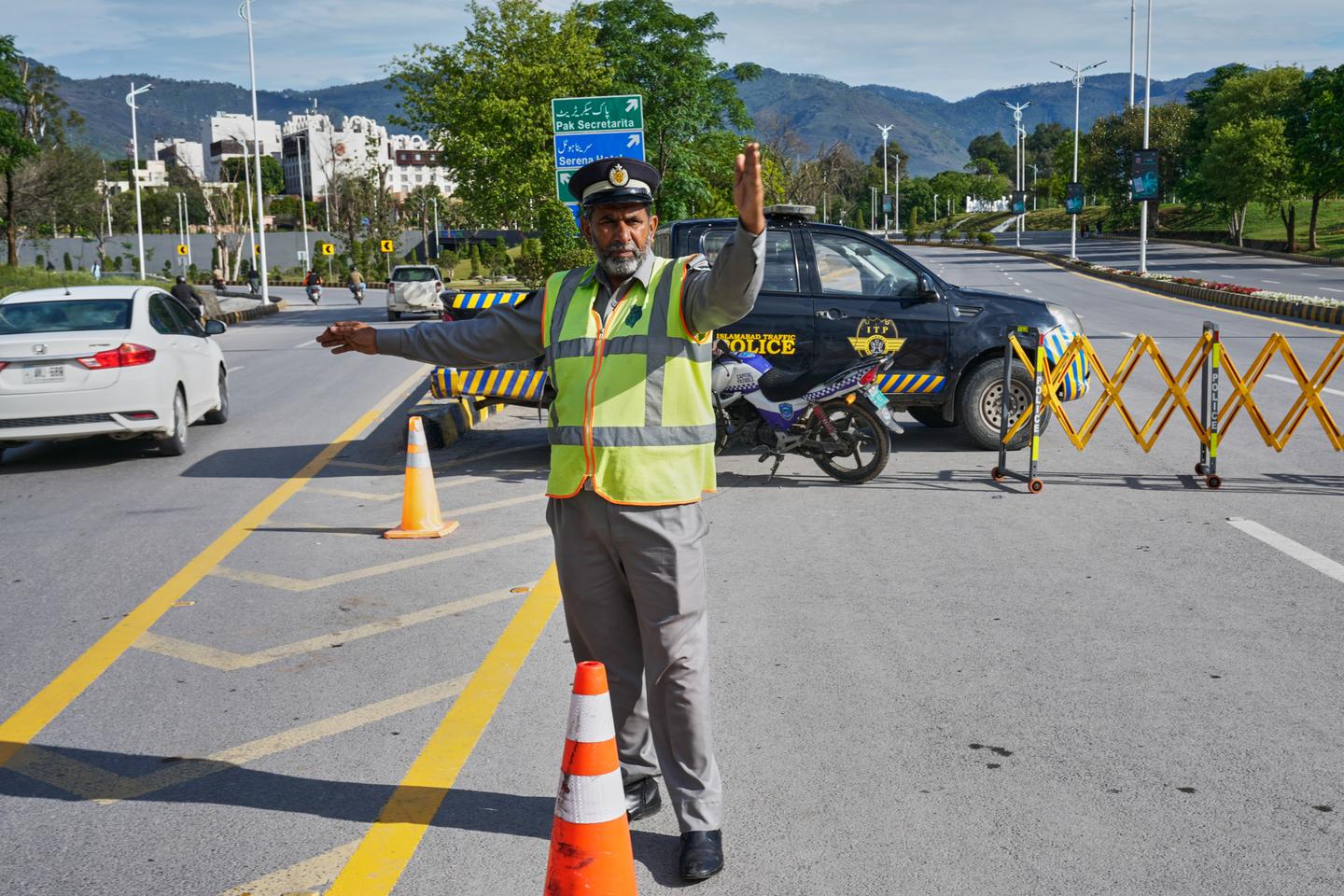
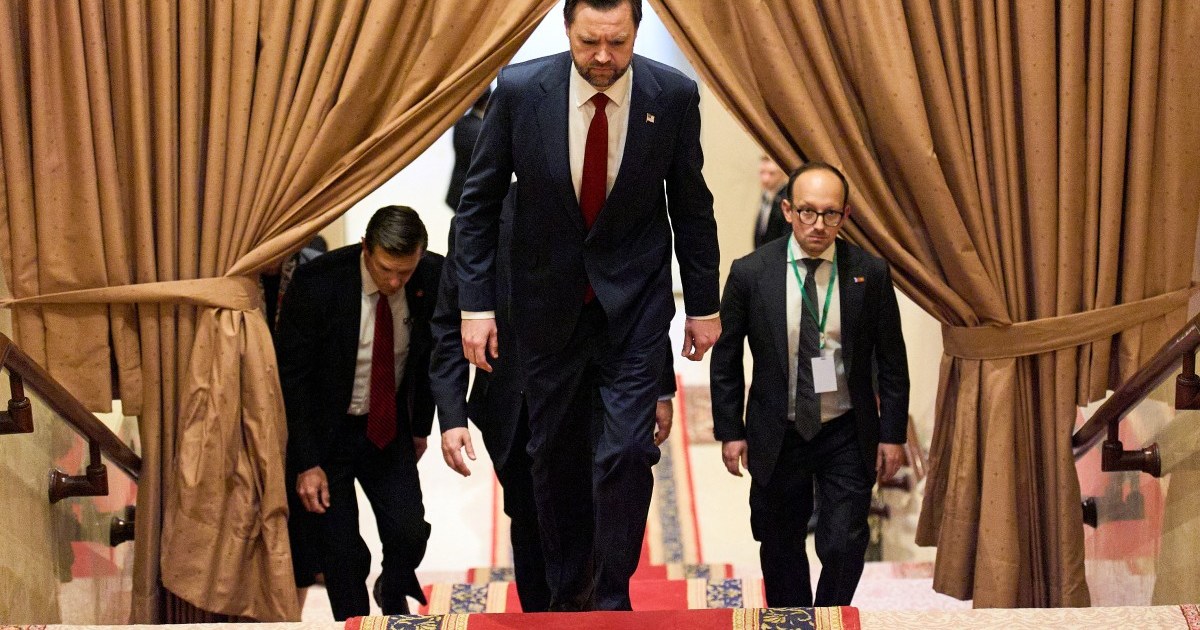
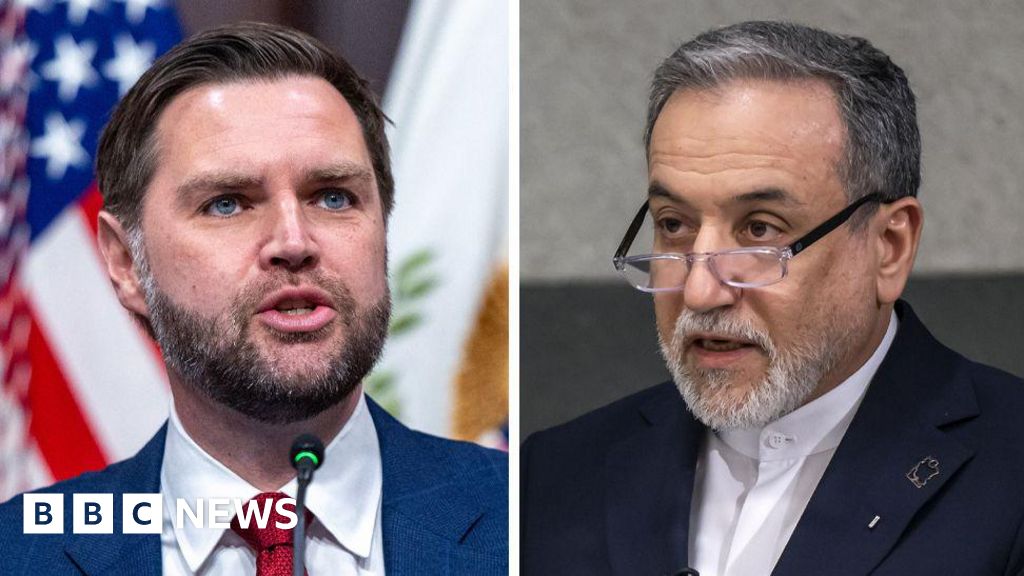
he ceasefire announcement between the US and Iran has been met with understandable relief. Talks are now set to take place in Islamabad on Friday, offering a chance to step back from the immediate danger of a wider war. This moment should not be mistaken for a resolution, but understood as a pause – an opportunity to test pathways towards a difficult but necessary political settlement.
Despite claims of success from all sides, the reality is that no party was winning the war. President Donald Trump has framed the conflict as both a military victory and a step towards regime change in Iran. Yet the war was ill-conceived, built on the assumption that it would be quick and decisive. Instead it proved far more costly and damaging to US credibility. It did not produce regime change. Rather, it led to the promotion and consolidation of new, untested harder-line leadership at the head of the same political system. The structure of the Islamic Republic remains intact, demonstrating its capacity to absorb shock and consolidate its authority.
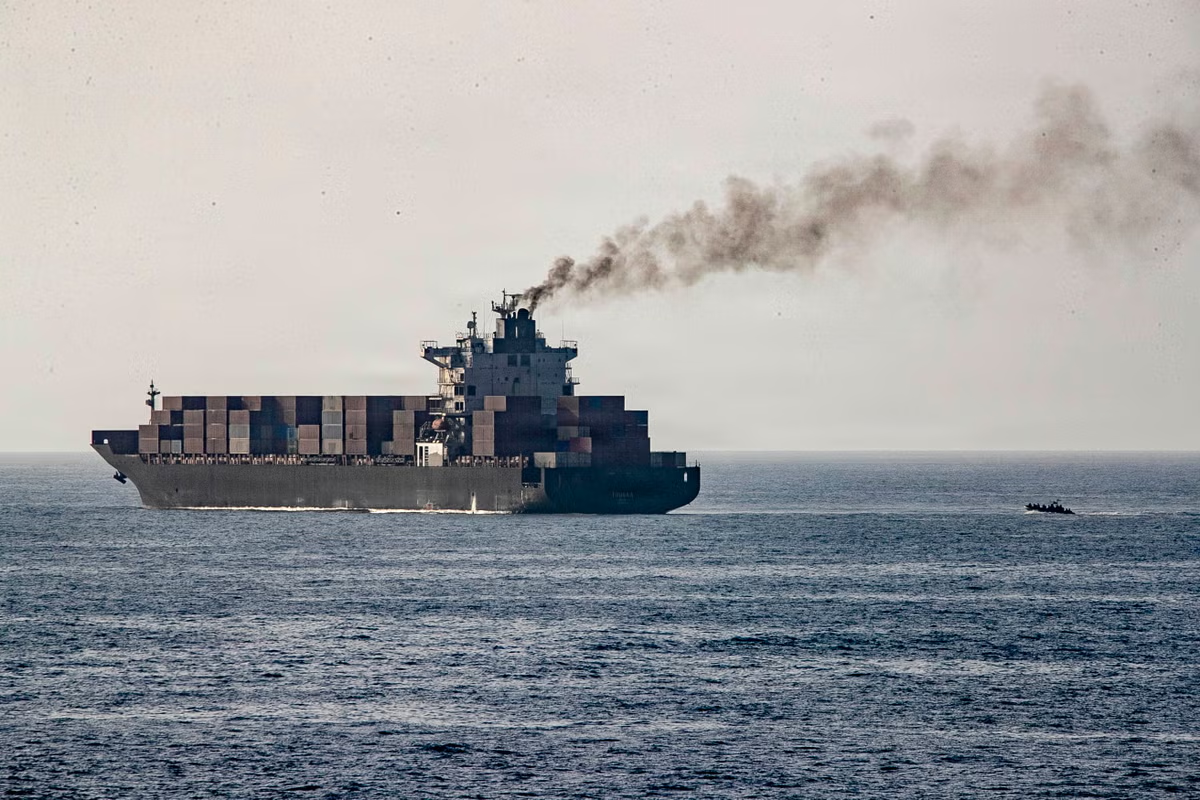
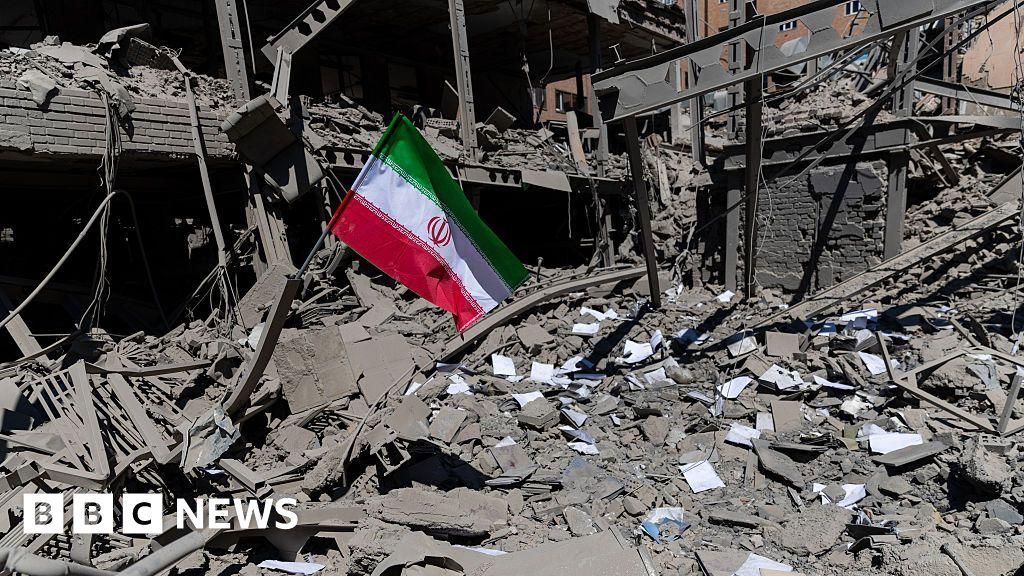
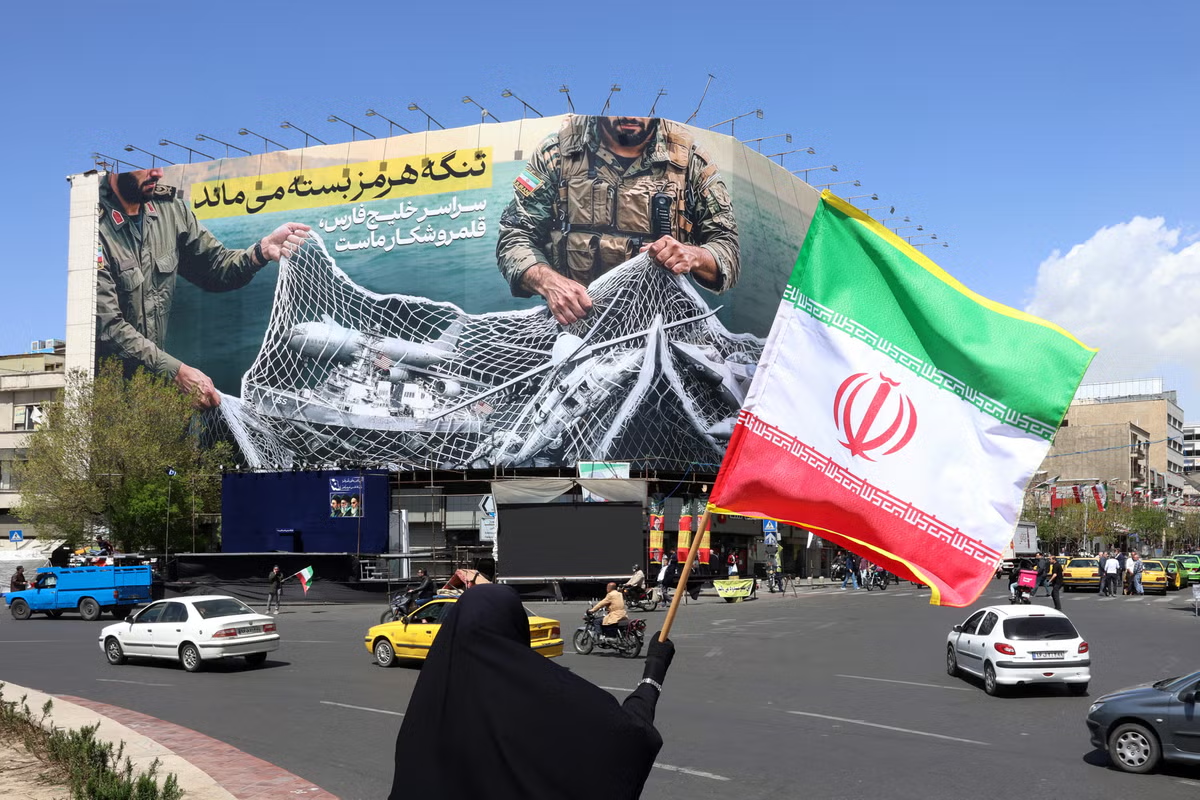
However, it would be equally misleading to suggest that Iran has emerged as a winner. The country and its military capabilities have been significantly damaged, but in Tehran degradation does not translate into defeat. Iran retains operational capacity and continues to pose threats across multiple domains. Its leverage over the strait of Hormuz, along with its missile and drone capabilities, ensures that it remains capable of inflicting damage and shaping events beyond its borders. But these gains have come at a cost: Tehran will now face monumental political and economic challenges from its traumatised population, and contend with anger from its neighbours, isolating it within the region.