W
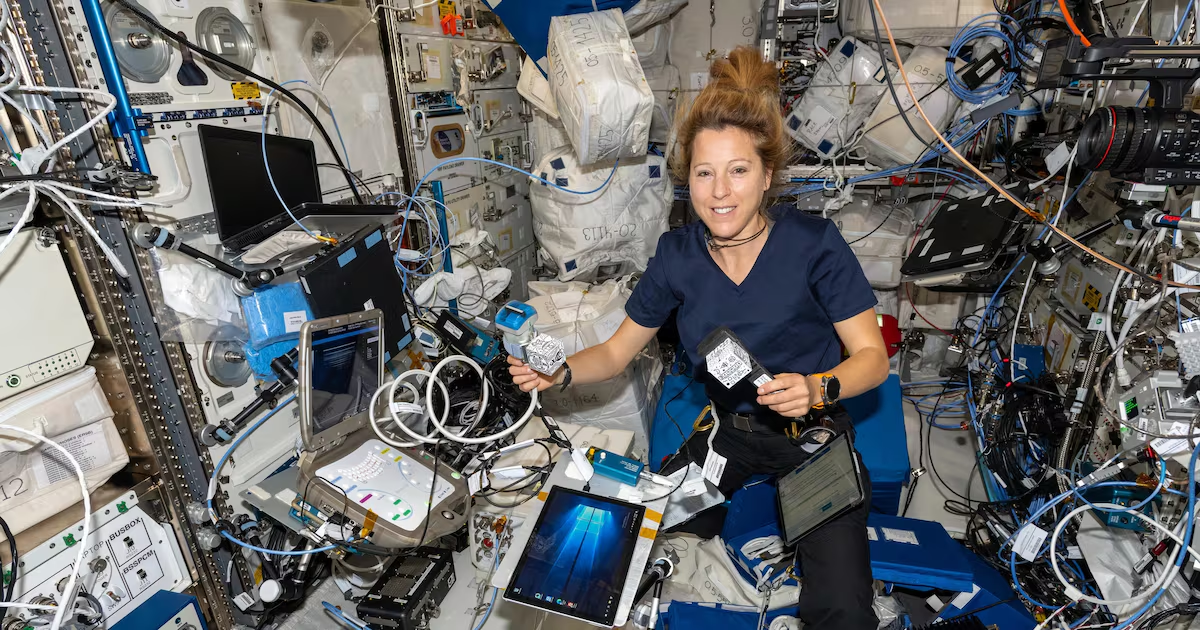
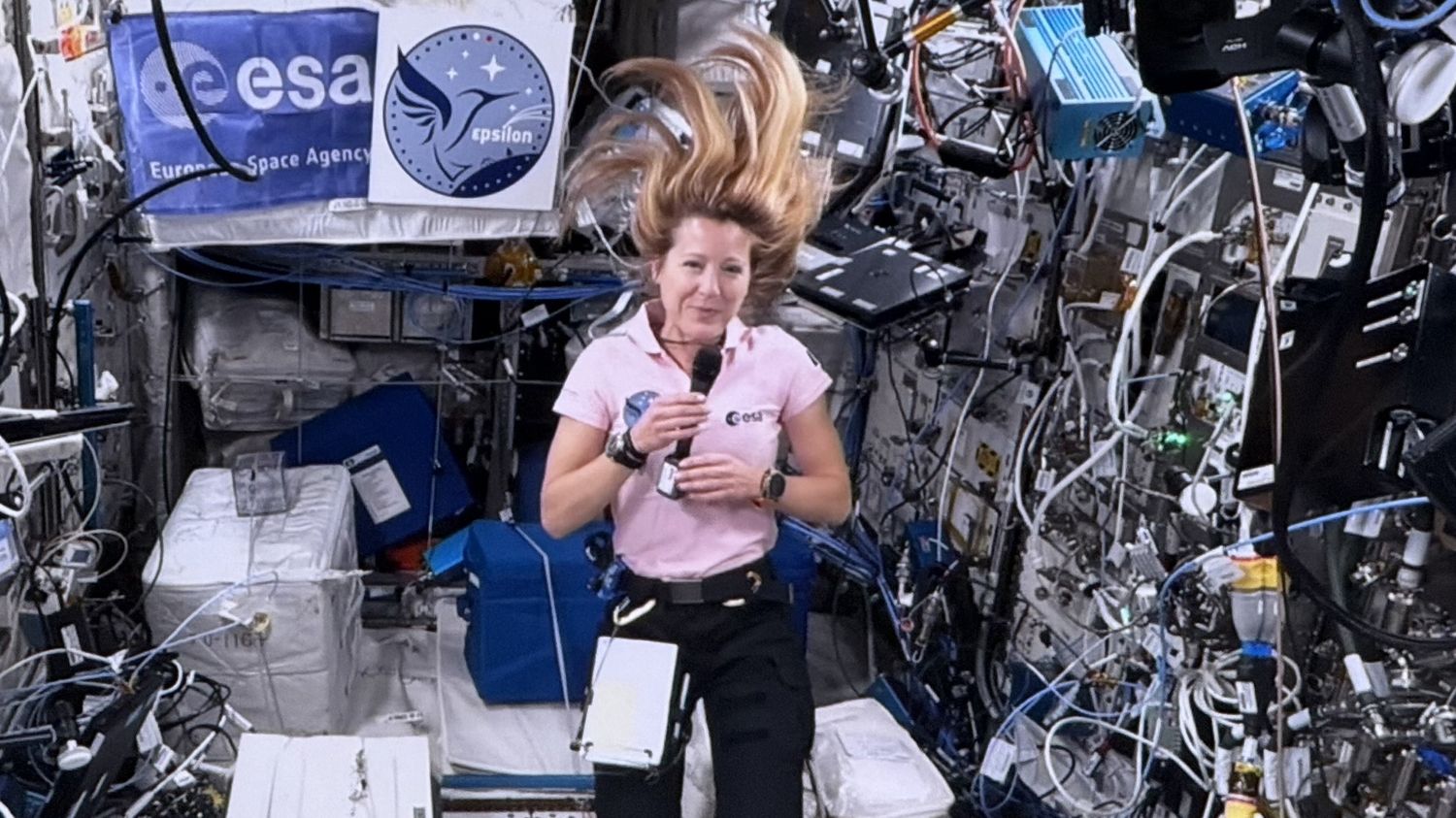
hen asked about the relevance of sending "a woman" into space, French astronaut Sophie Adenot replied: "I don't think exploration has a gender." This poorly-framed, even slightly misogynistic, question gives rise to a more interesting one: what is, ultimately, the point of sending humans into space? In reading Une histoire de la conquête spatiale ("A History of Space Exploration," 2024) by Irénée Régnauld and Arnaud Saint-Martin, six decades of orbital odysseys struggle to provide an answer to this costly question.
In the early 1960s, the first astronauts occupied a position not so different from the dogs and primates that preceded them. At one point, there was even consideration of drugging them and sending them under general anesthesia: both to spare them the jolts of liftoff and to prevent them from pressing the wrong button. The installation of a window in the first Mercury capsules was a matter of debate: engineers saw little point, since test pilots actually had nothing to pilot. Crewed flight served as a cover for the far more strategic intercontinental missile program. President Dwight Eisenhower was not fooled: When told about the Apollo project, he joked about the lack of American enemies on the Moon.