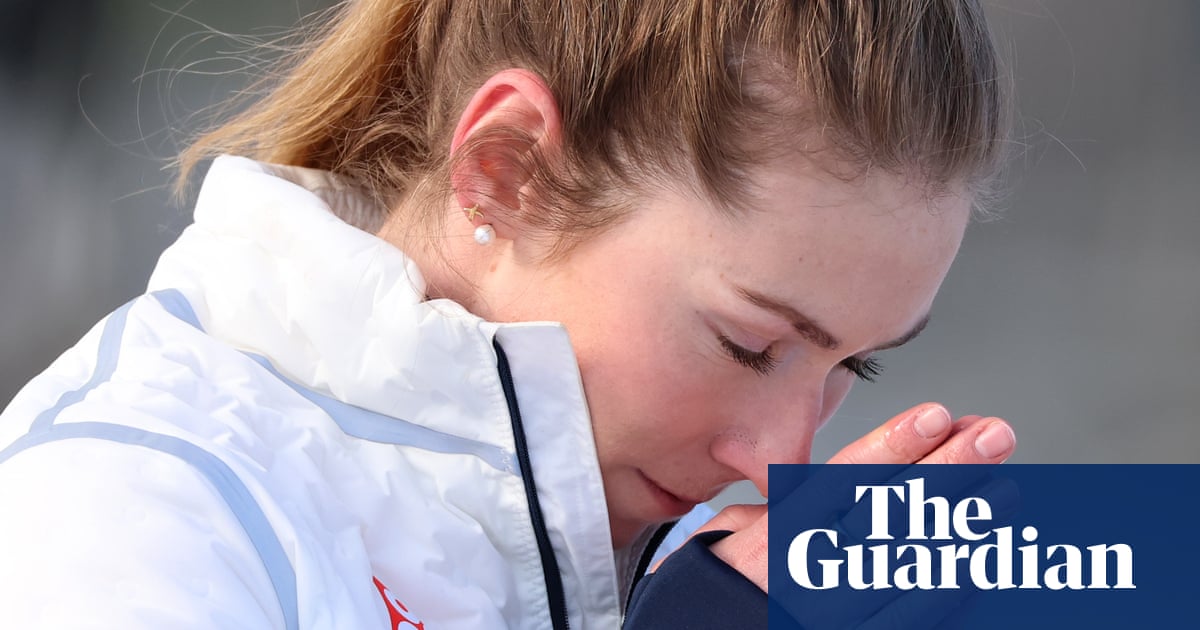
The greatest American skier of all time won her first Olympic medal in 2014. The 12 years in between have been marked by brutal ups and downs
A
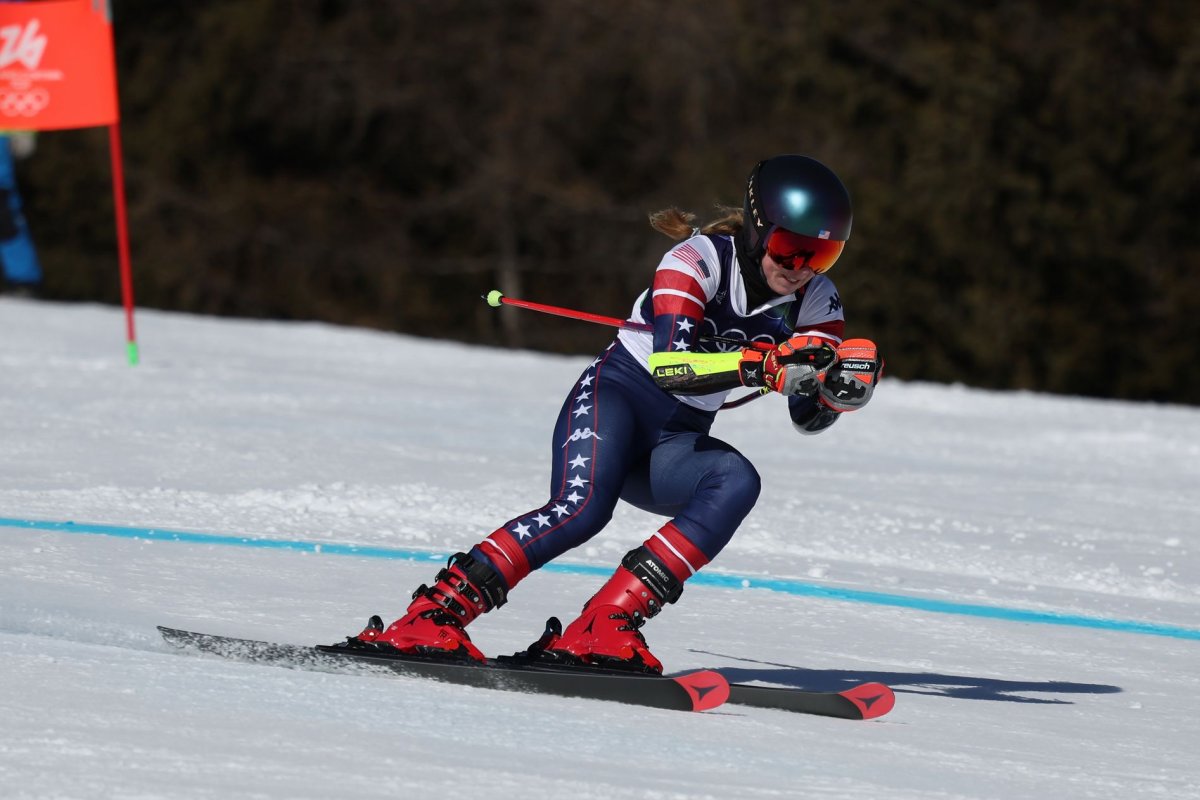
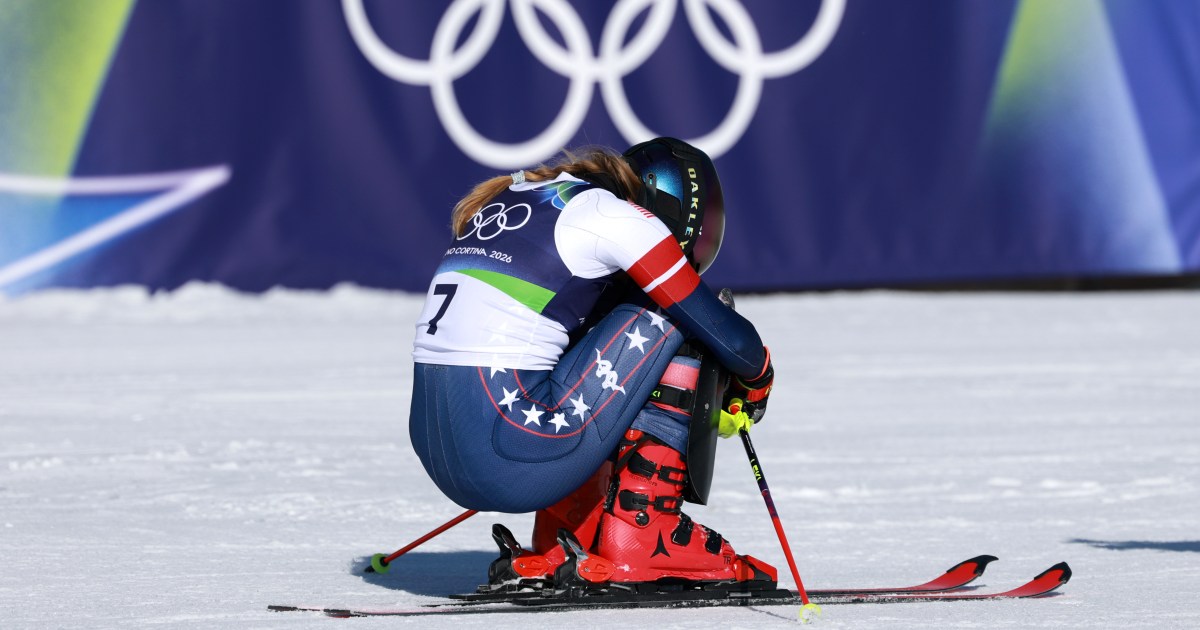
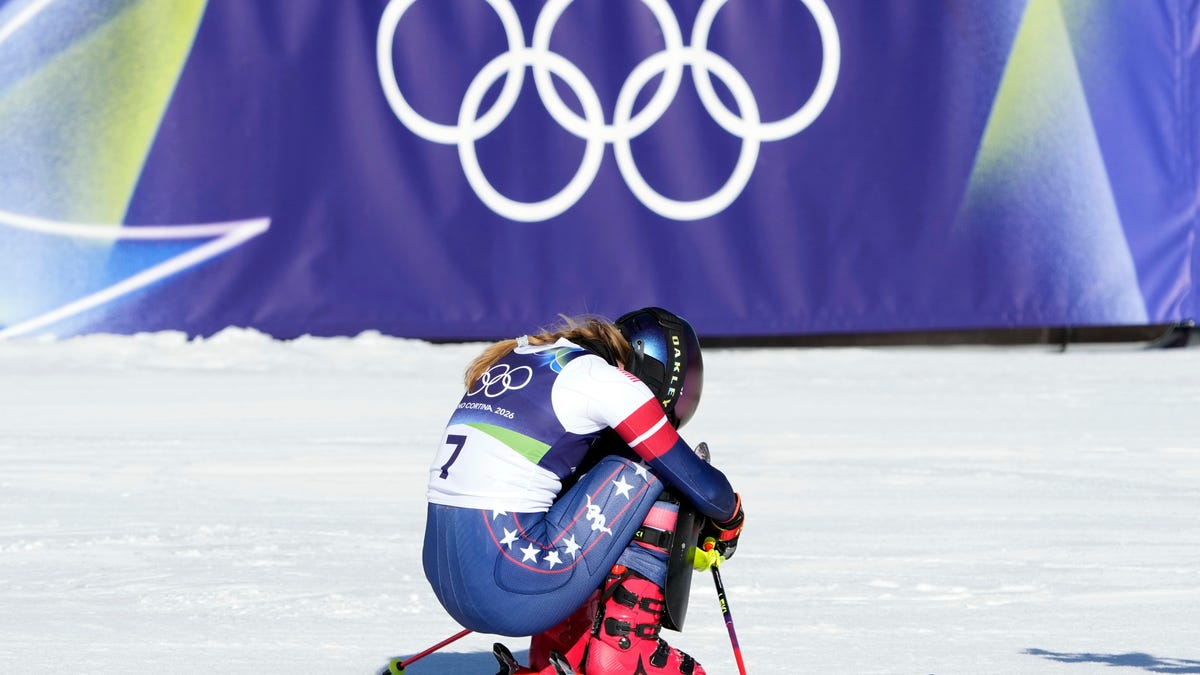
lot can happen in 12 years. If you’re Mikaela Shiffrin, as a teenager you can become the youngest ever person to win the Olympic slalom, stack a couple more medals at the next Olympics, become the most successful World Cup skier of all time with a record 108 victories, go 10 more Olympic races in a row over three Winter Games without reaching the podium, overcome the two biggest crashes of your career and subsequent battles with self-doubt and post-traumatic stress disorder and eroding trust in your own skiing, and then bring it all full circle with a second Olympic slalom gold.
You can also lose your dad.
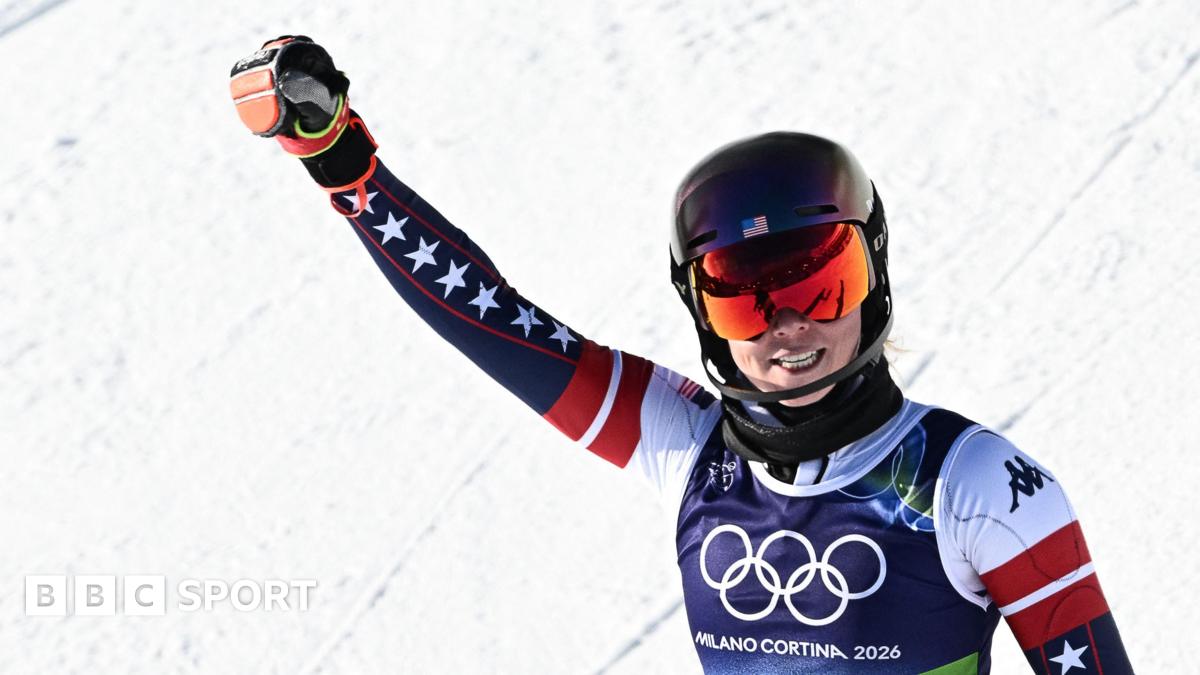
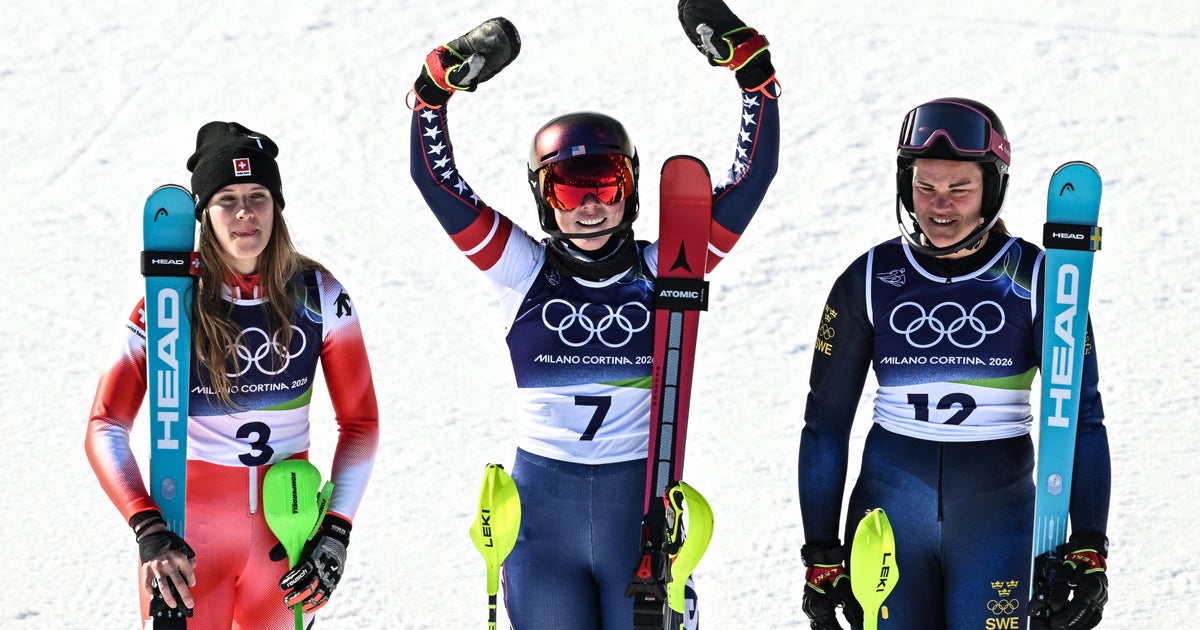
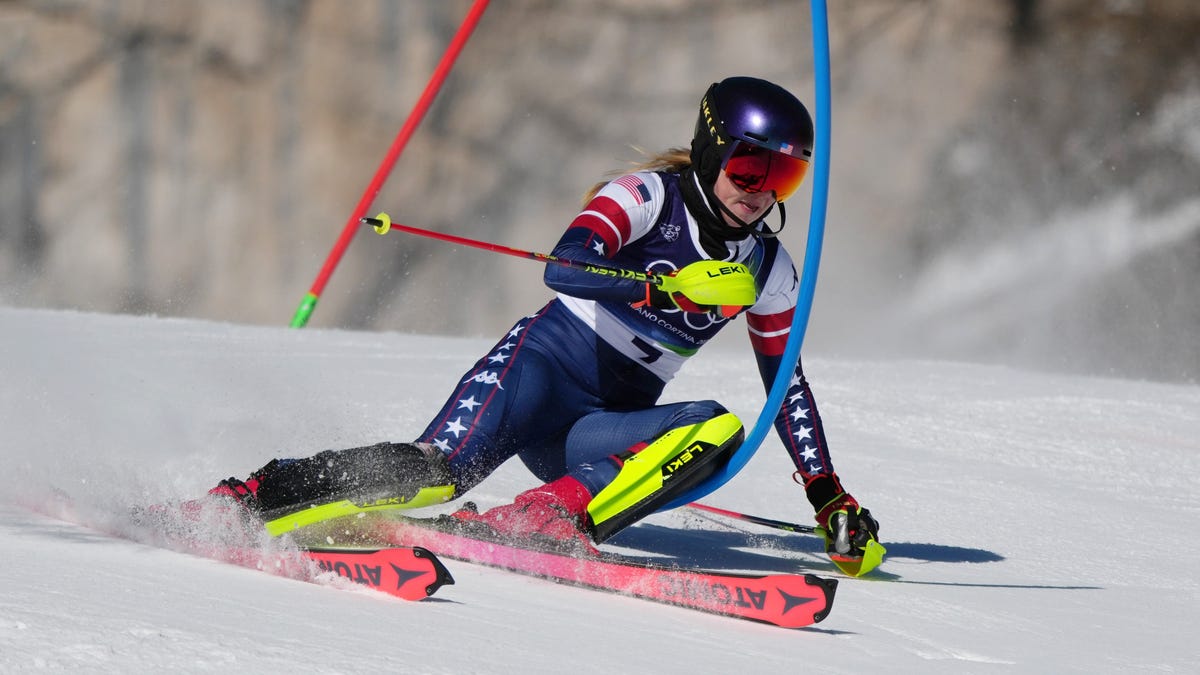
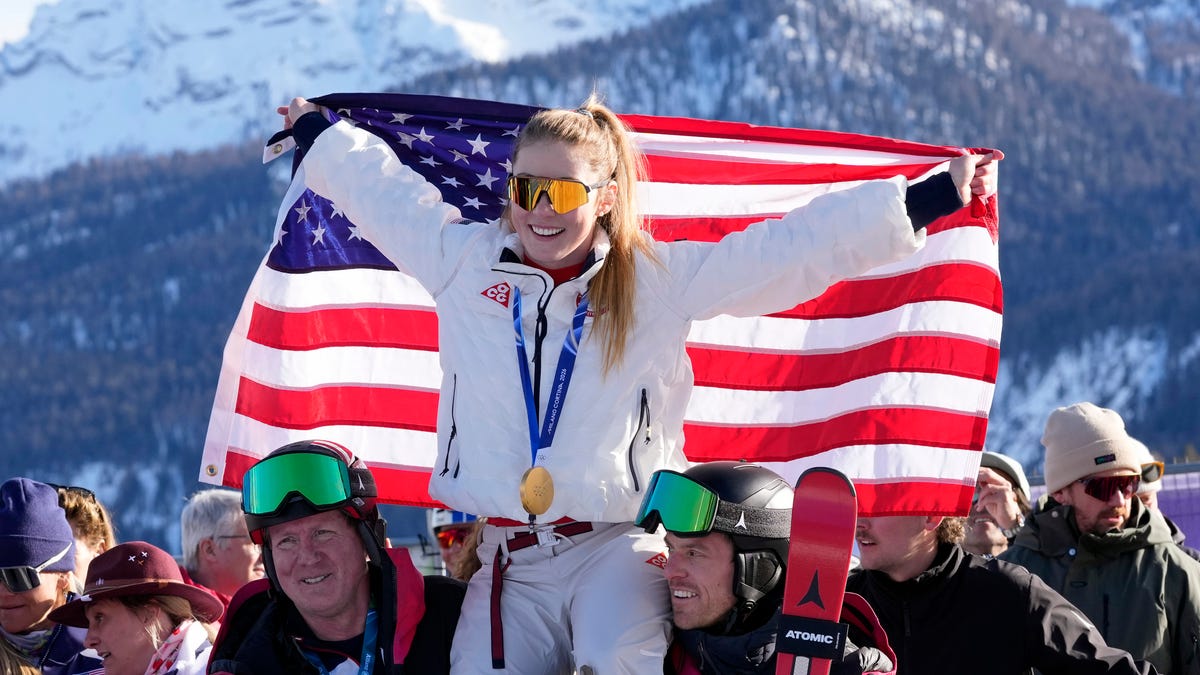
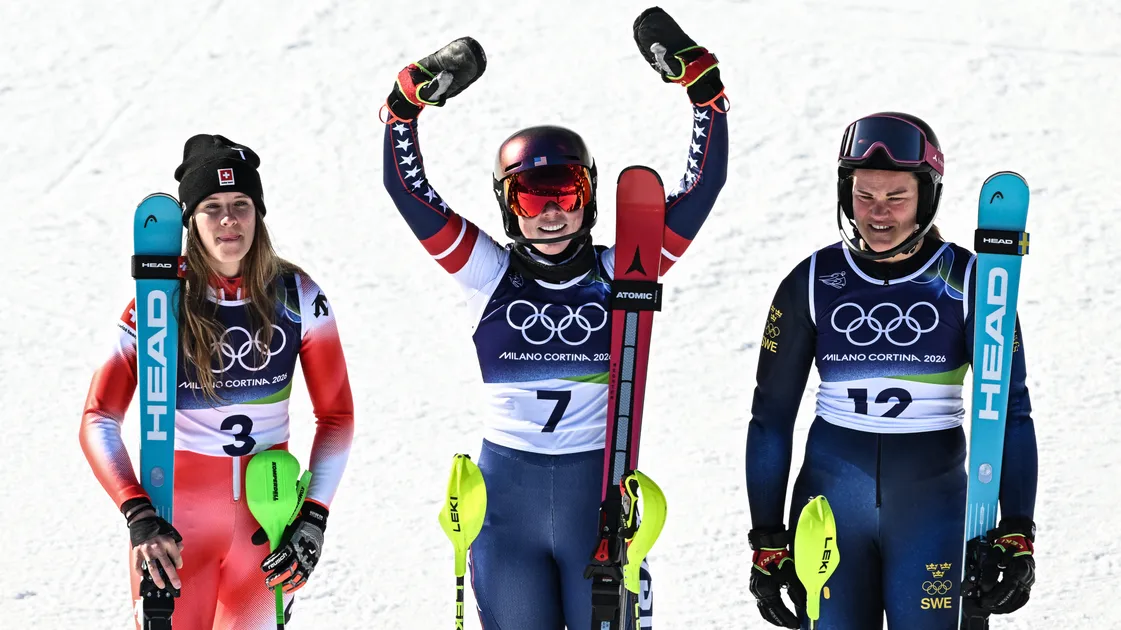
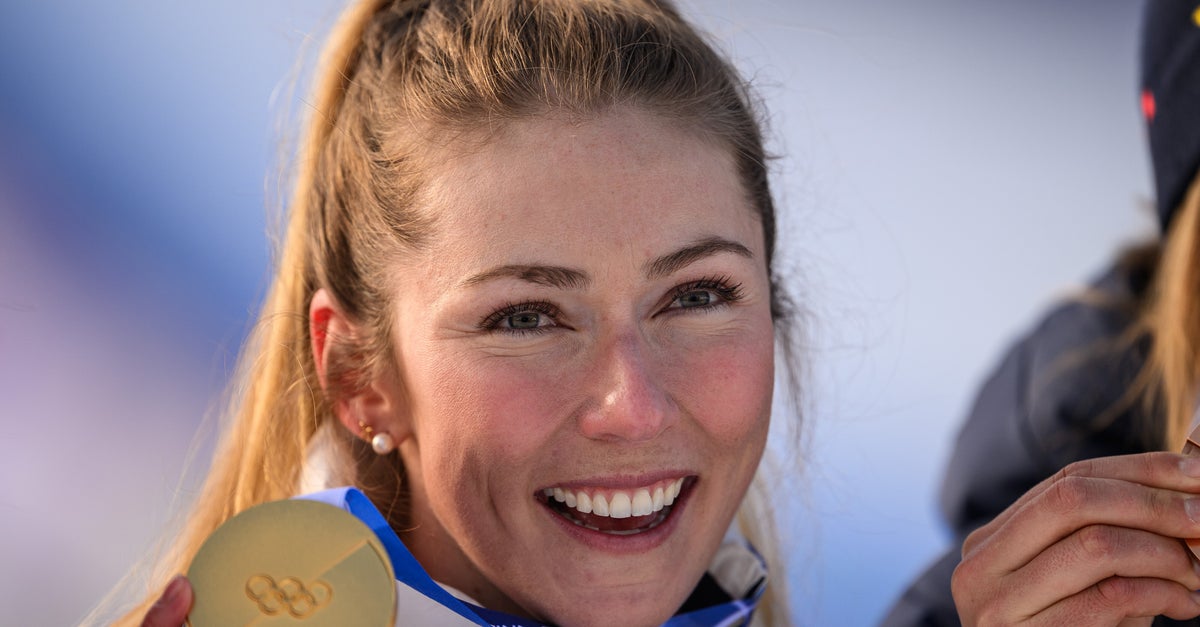
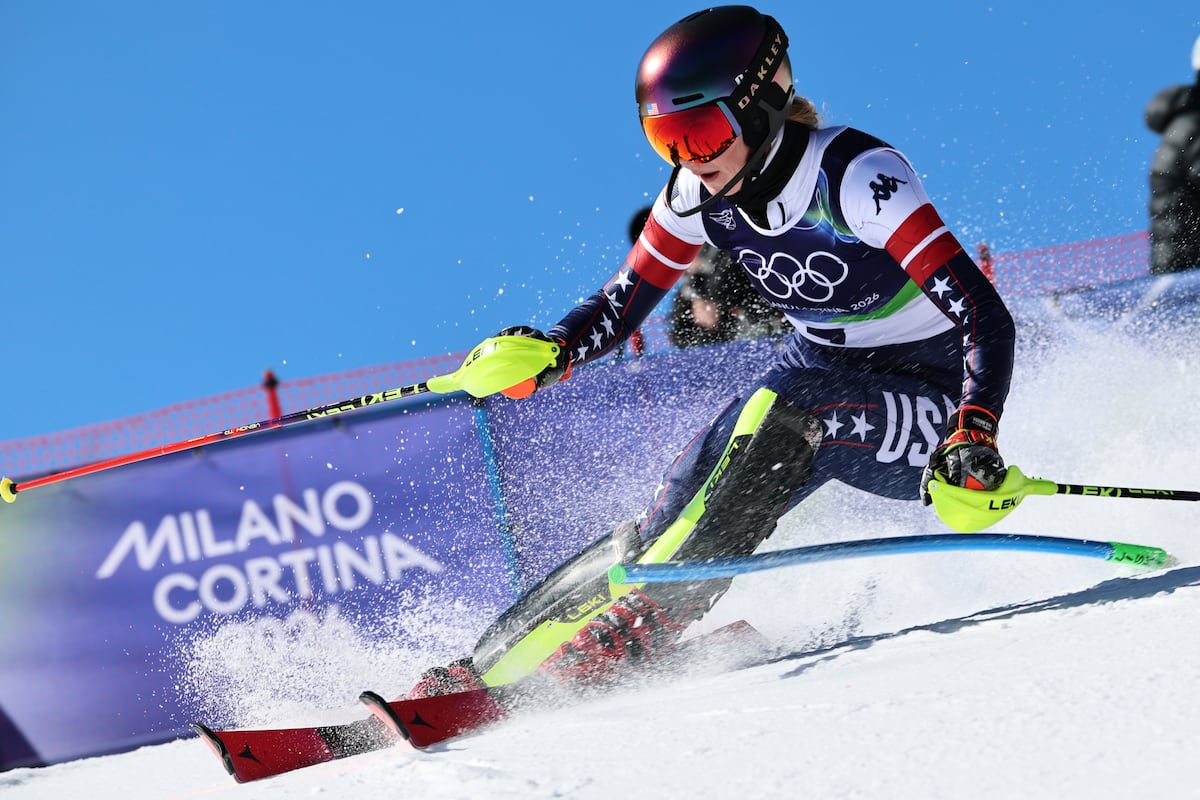
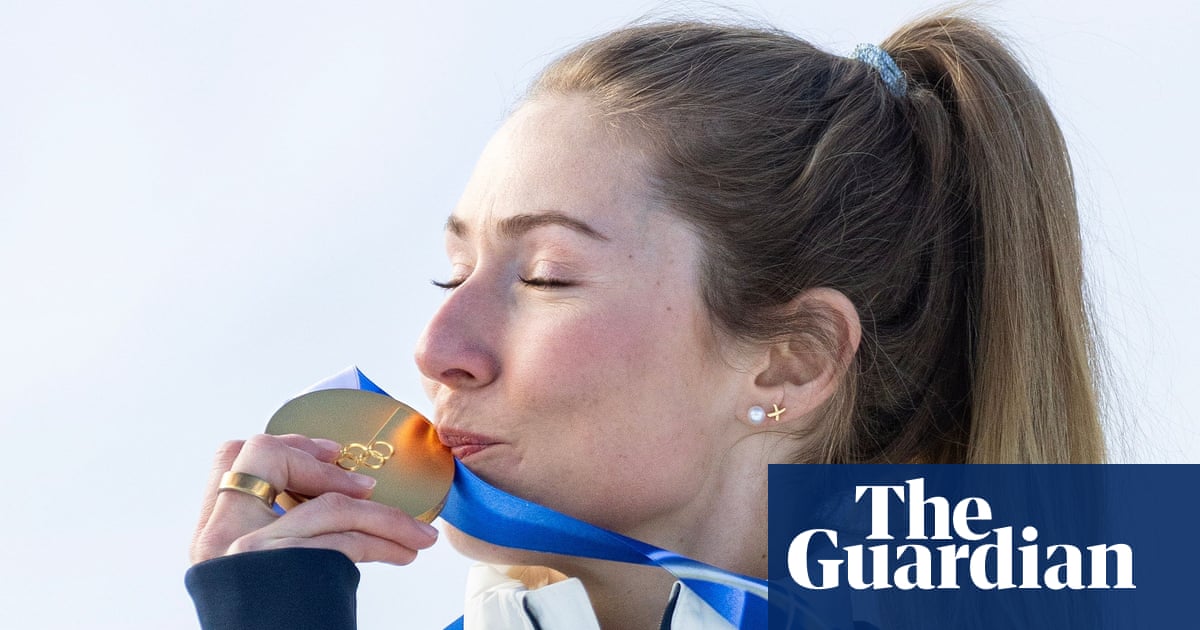
Shiffrin, considered by many the greatest alpine skier in history, saw her incandescent career come full circle on Wednesday beneath the jagged limestone peaks above Cortina d’Ampezzo, winning her signature race by 1.50sec – an eternity in slalom racing and the largest winning margin in any Olympic alpine skiing event in nearly three decades – to end an eight-year medal drought that had started to overtake the conversation. In 2014, at the age of 18, she became the youngest US woman ever to win Olympic gold in alpine skiing. Now, in 2026, she’s the oldest at 30.