A tense return to the disaster foregrounds the heroism of the ‘Fukushima 50’ while raising questions about corporate secrecy and nuclear safety
T
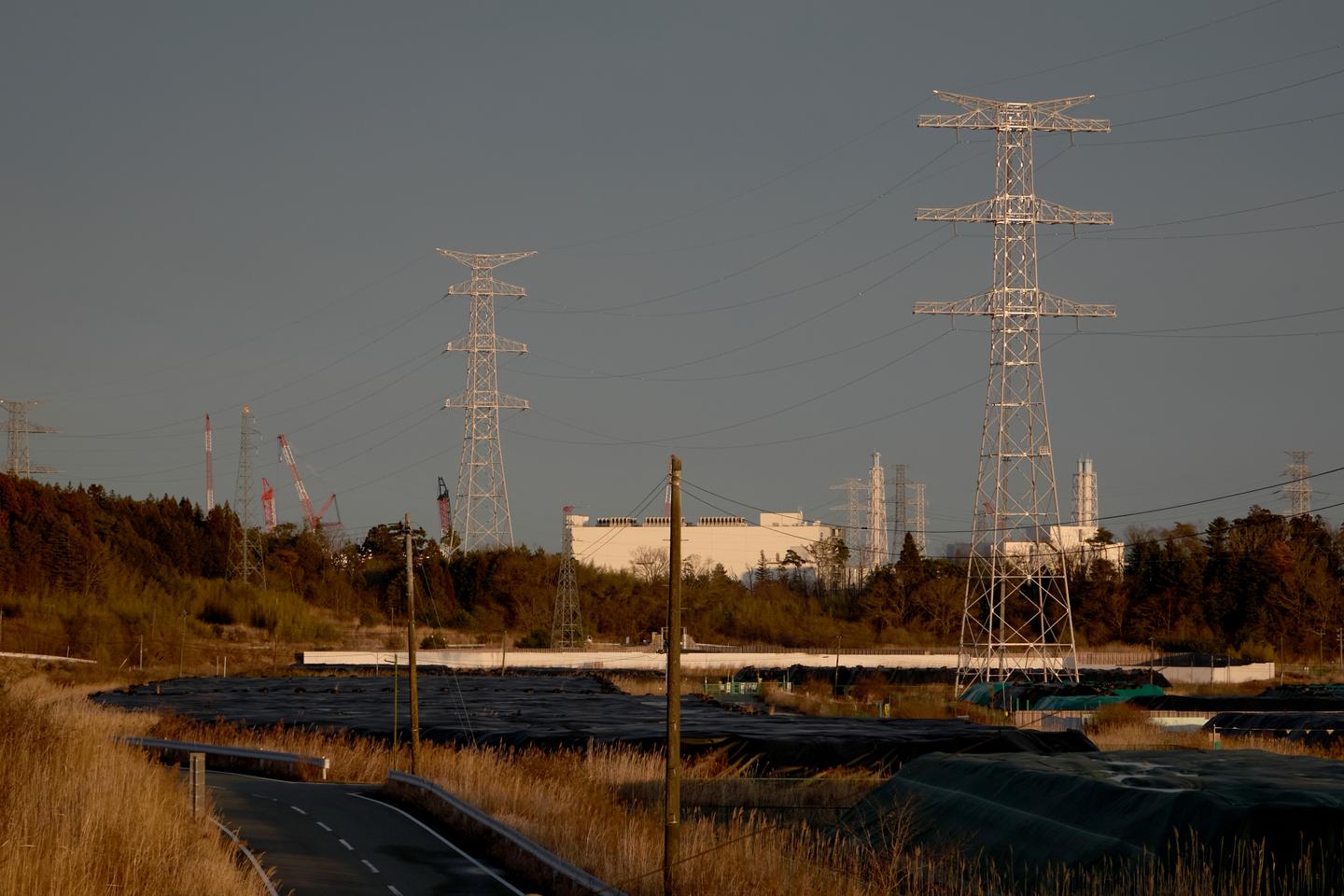
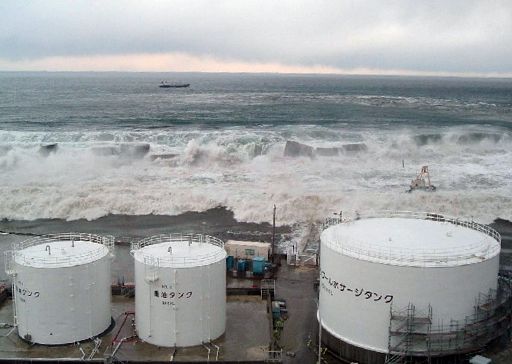
he terrifying story of Japan’s Fukushima nuclear accident of 2011, caused by a cataclysmic tsunami, is retold by British film-maker James Jones and Japanese co-director Megumi Inman. It was a natural and human-made disaster that left 20,000 dead and a further 164,000 displaced from the area, some with no prospect of return. The earthquake damaged the cooling systems that prevent meltdowns and caused three near-apocalyptic explosions, bringing the nation close to a catastrophe that would have threatened its very existence. Incredibly, the ultimate calamity was finally staved off by nothing more hi-tech than a committed fire brigade spraying thousands of tons of water on the exposed fuel rods.
The film plunges us into the awful story moment-by-moment, accompanied by interviews with the chief players of the time – prominently nuclear plant employee Ikuo Izawa, a shift supervisor and de facto leader of the “Fukushima 50” (actually 69 people) who became legendary in Japan and beyond for their self-sacrificial courage, staying in a nightmarish reactor when everyone else had been evacuated.