The morning air smells like wet rust and cigarette smoke. I balance my coffee on the porch railing and watch a woodpecker hammer against a dead tree. Down the road, an ATV roars awake. Someone’s rooster is late to the party. Out here, noise is how you remind the world you’re still alive.
They call it a holler, but most days it feels more like an echo.
Sound rolls through these hills and comes back smaller, thinner, as if even the mountains are tired of carrying bad news. Down here, the creek never stops talking, unless it dries up from lack of rain. The frogs don’t care who’s president. The trees whisper things older than prayer. And me — I’m still learning how to listen.
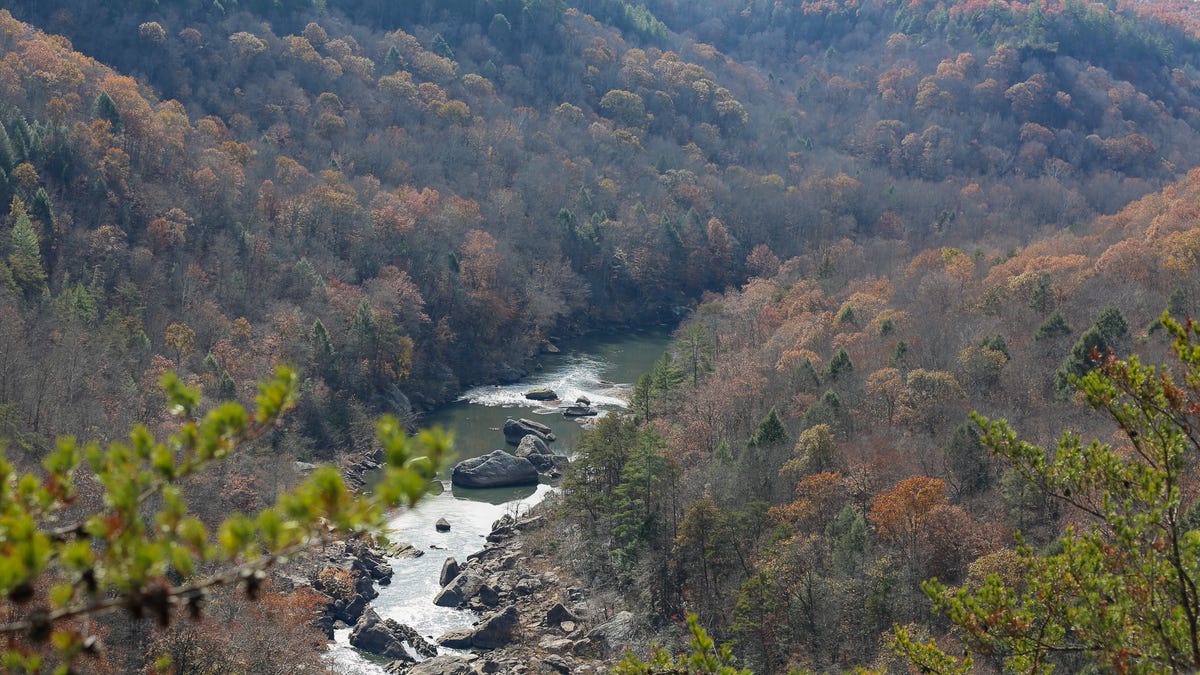
I live at the bottom of a hollow in Dickenson County, Virginia, where the mist hangs low and the past never really leaves. The dirt road winds down like a scar, the kind that healed wrong but still holds. Out here, everybody knows your business before you do. They remember what your mama said in ’86 and who you dated in high school, and they keep track of both like Scripture. Appalachia can love you, sure — but it also never forgets what it thinks you are.
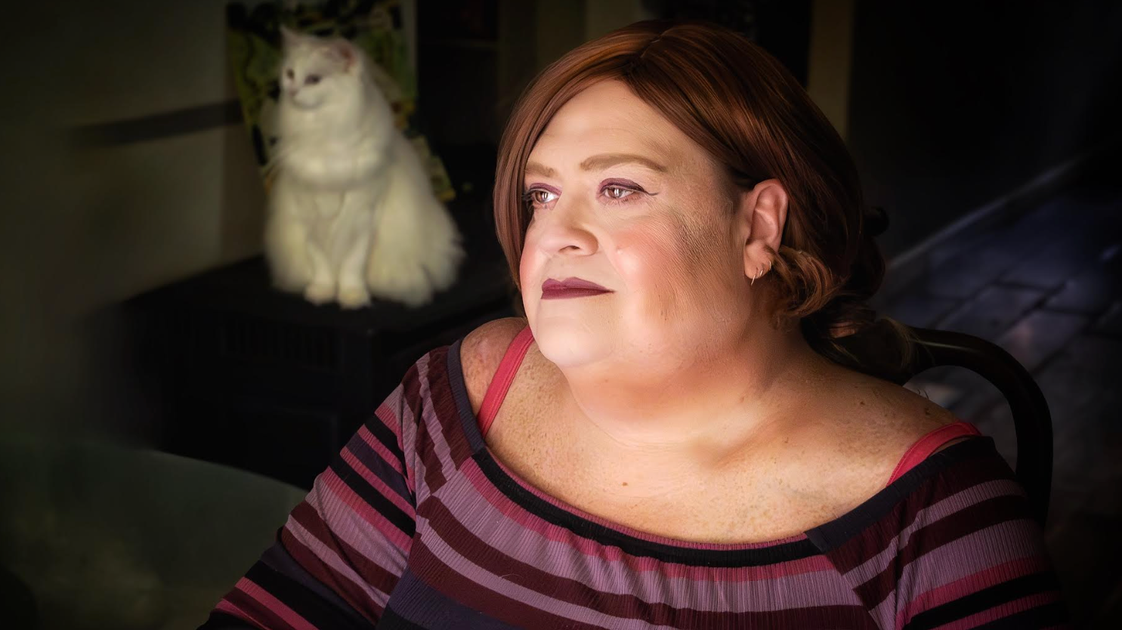
These days, they call me Maya. That still surprises a few folks, though it’s been over five years now. Sometimes I imagine the gossip spreading like kudzu, growing wild in the dark corners of convenience stores and shuttered diners. I came out as a transgender woman at 44, in the middle of the pandemic, in one of the reddest counties in the state. The world was falling apart on TV, and I was falling together at home.