In a country that doesn’t always reward difference, defiant Nigerian musicians are reawakening their country’s rock and giving those on the margins the space to feel seen
I
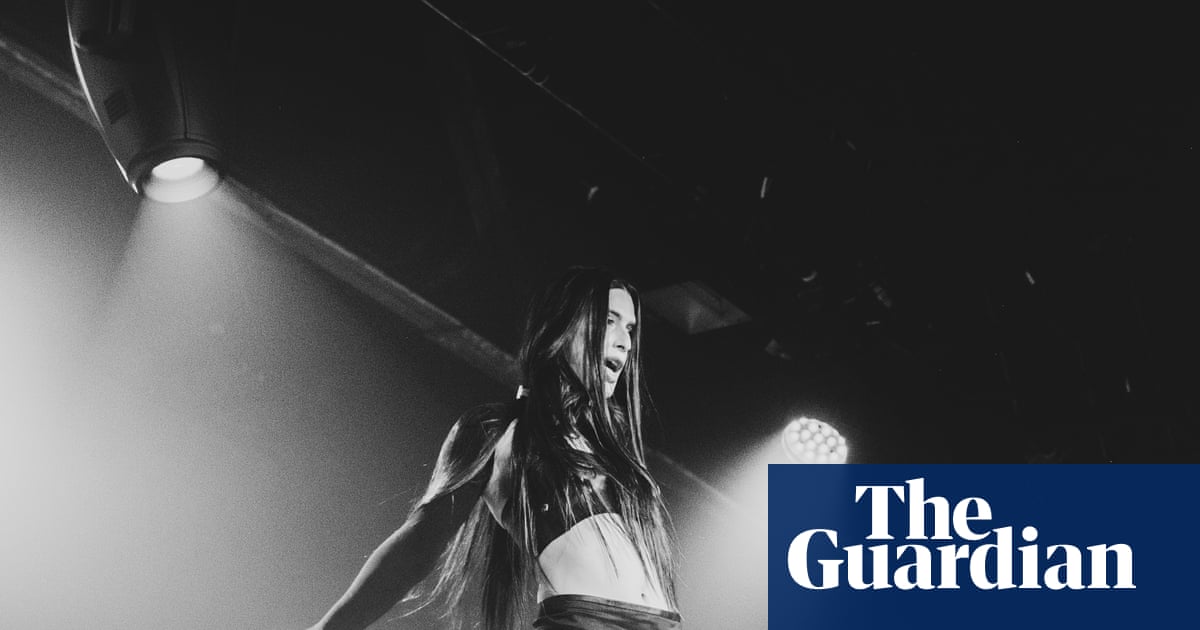
n the violet hush of a late-night doom scroll, I stumbled across her: a woman clad in lacquered leather and glinting chains, legs laced in harnesses. She stood mid-growl, clutching the mic as if to throttle it, her silhouette framed by a red LED screen that read “Rock Nights” along with the name of the artist: Clayrocksu.
Beneath the stage at Pop Landmark in Lagos, Nigeria, a sparse crowd of silver-studded misfits was filmed thrashing around in a trance. The performance provoked a small moral panic in the comments: cries of “demonic” and fears that Clayrocksu was “slipping into darkness”.
The darkness Clayrocksu and others move through isn’t occult, though – it’s obscurity. In the west, goth and emo subcultures offer outsiders a name, a tribe, but in Nigeria they barely exist. The industry here forgets itself every few decades, and since the rise of Afrobeat, and later Afrobeats, rock has been sealed off or paved over. But it’s kept alive by DIY shows such as Clayrocksu’s Rock Nights series, WhatsApp chats, shared gear, and today’s small scene – bands such as LoveSick, ASingerMustDie and the Recurrence – is raw and defiant.