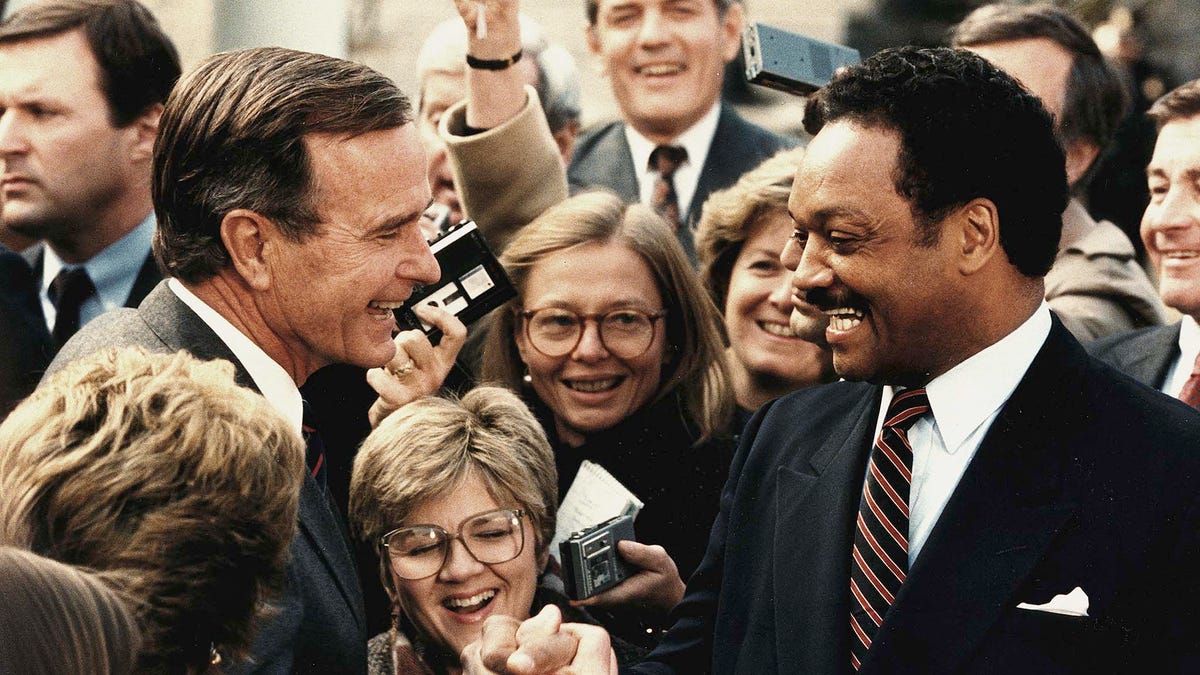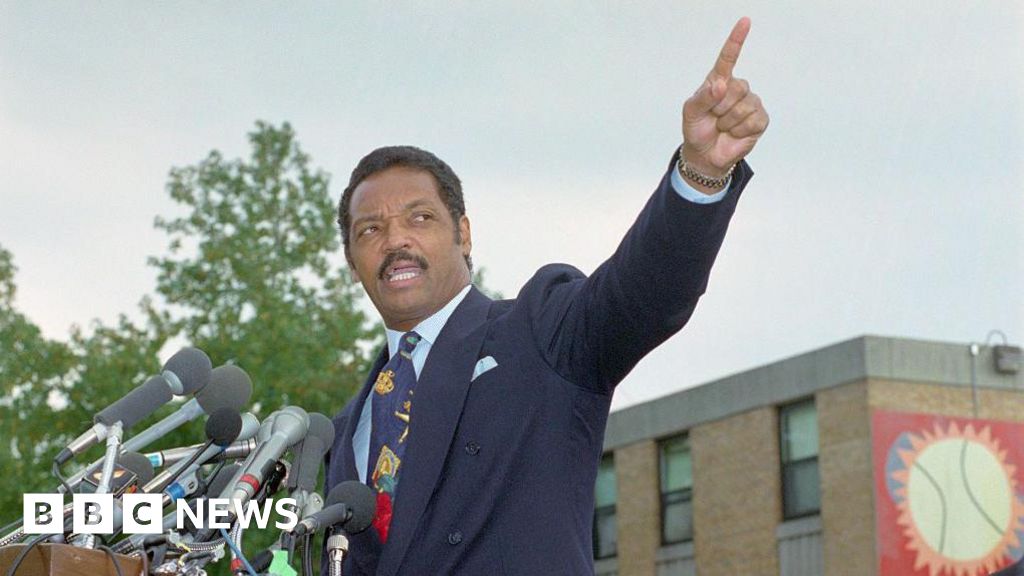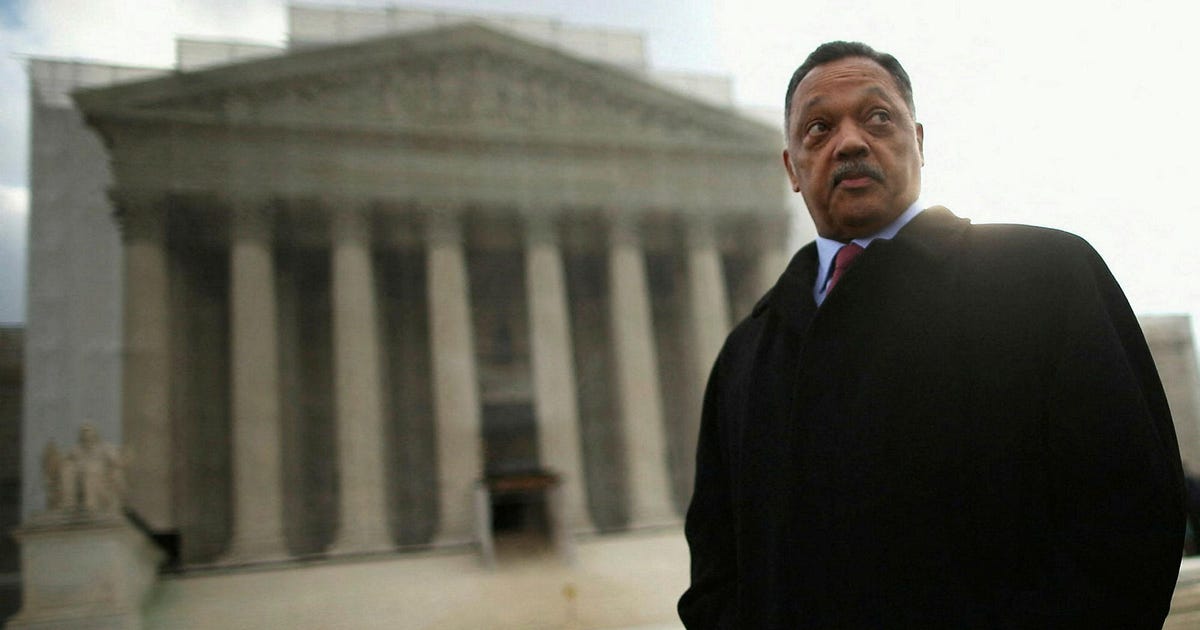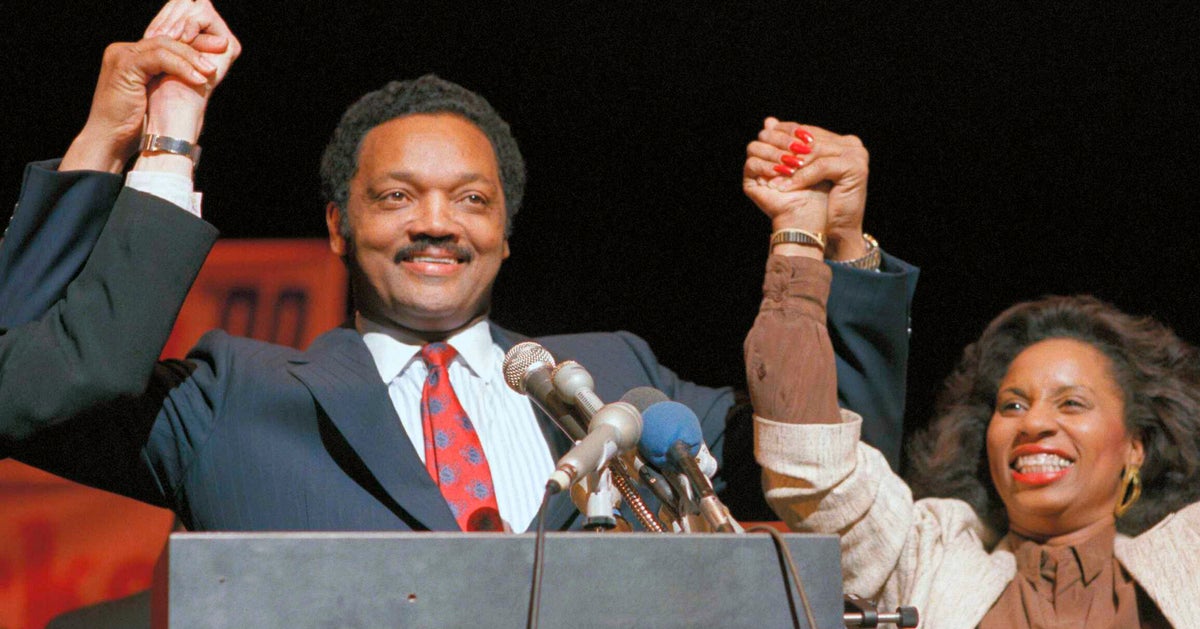
Holding hands with other prominent Black leaders, the Rev. Jesse Jackson crossed the Edmund Pettus bridge in Selma, Alabama, on March 9, 2025, to commemorate the 60th anniversary of “Bloody Sunday.” Like several survivors of that violent day in 1965, when police brutally attacked civil rights protesters, Jackson crossed the bridge in a wheelchair.
Jesse Louis Jackson was born Oct. 8, 1941, in Greenville, South Carolina, a town firmly entrenched in the racially segregated Deep South. This time and place aren’t footnotes to Jackson’s life, but rather key facts that shaped his civil rights activism and historic runs for the U.S. presidency. Jackson died on Feb. 17, 2026, at age 84.
Growing up in the segregated South shaped Jackson’s attitudes, opinions and outlook in ways that remain apparent today. While he lived in Chicago for most of his adult life, he remained a Southerner. And other Southerners viewed him as such.
Jackson biographer David Masciotra said the South gave Jackson “a sense of the oppression and the persecution that he wanted to fight.”
As scholars of Southern politics, we see Jackson’s Southern identity as essential to understanding his life. Southerners often identify with the region, even after leaving the geographic South. As sociologist John Shelton Reed once wrote, Southernness has more to do with attitude than latitude.