https://arab.news/nnu6t
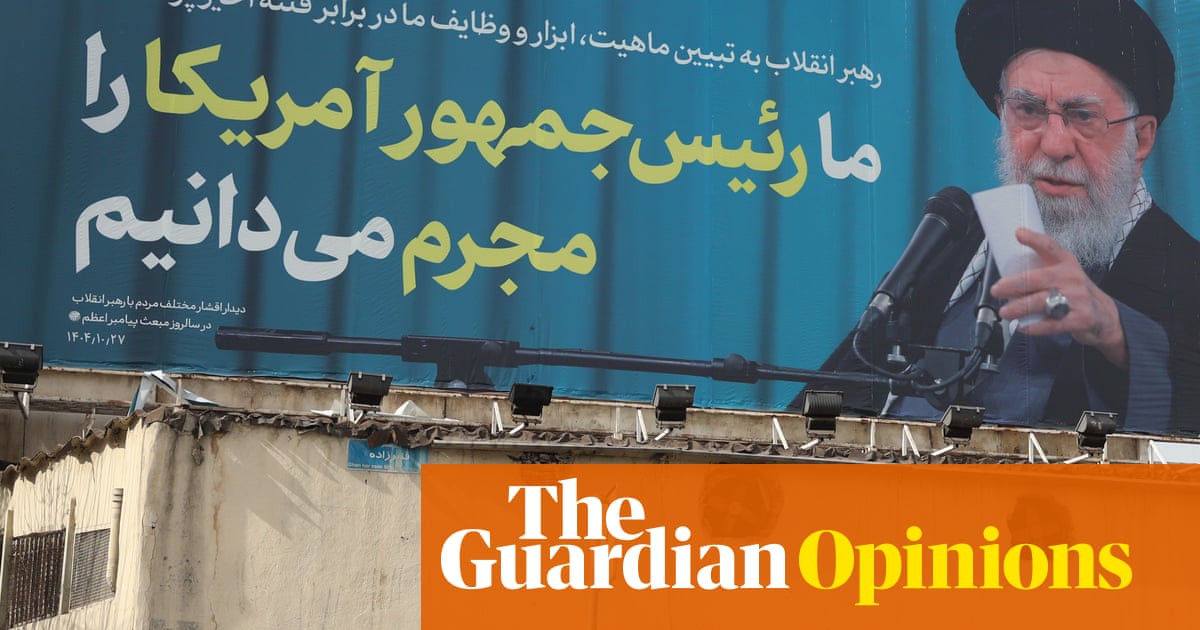
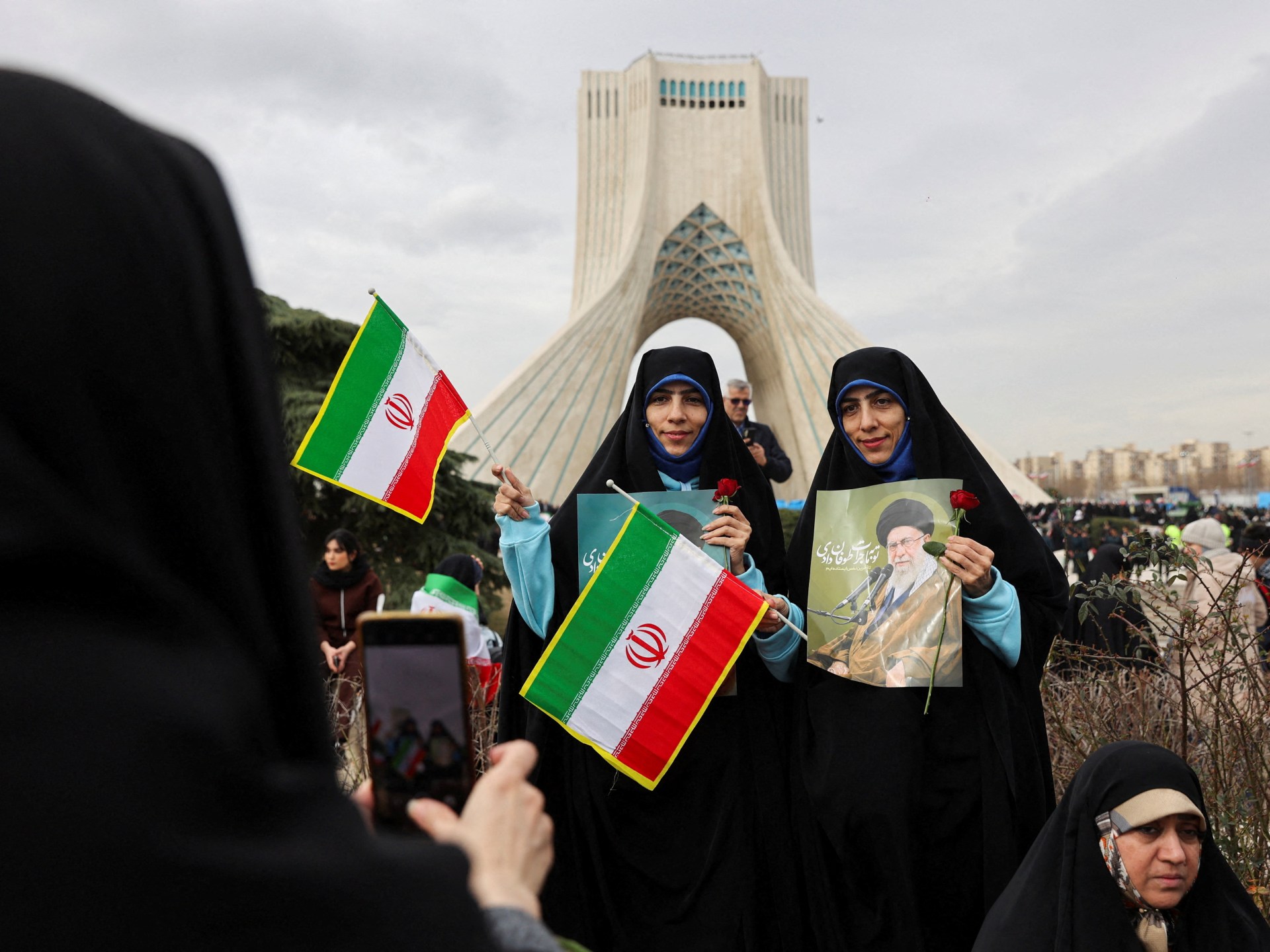
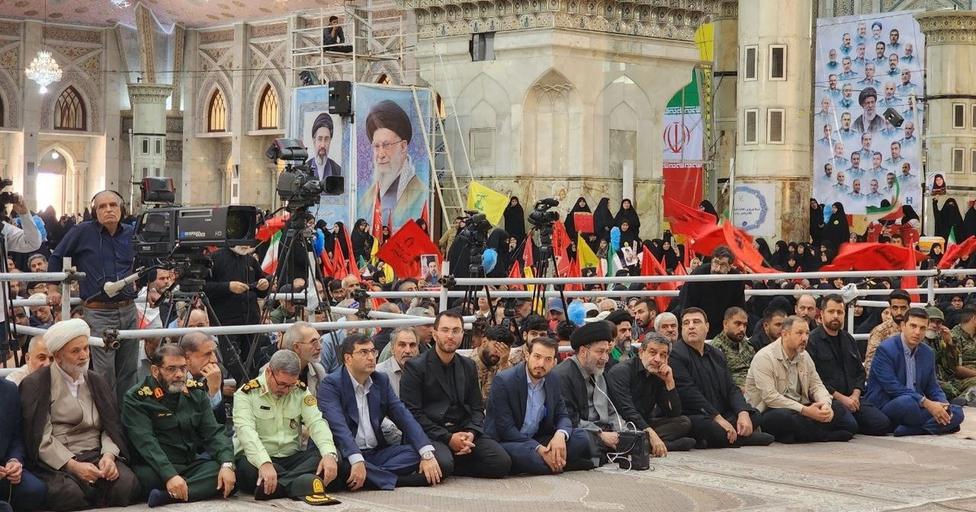
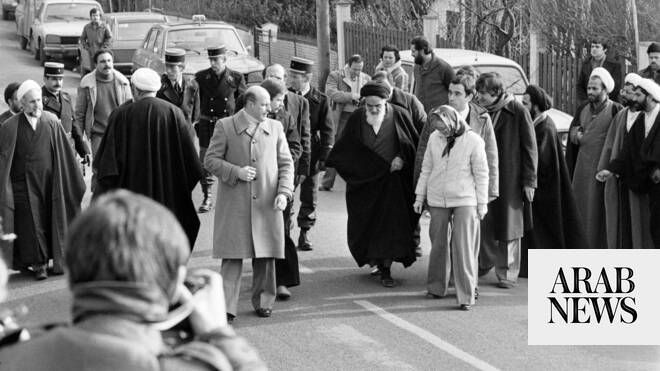
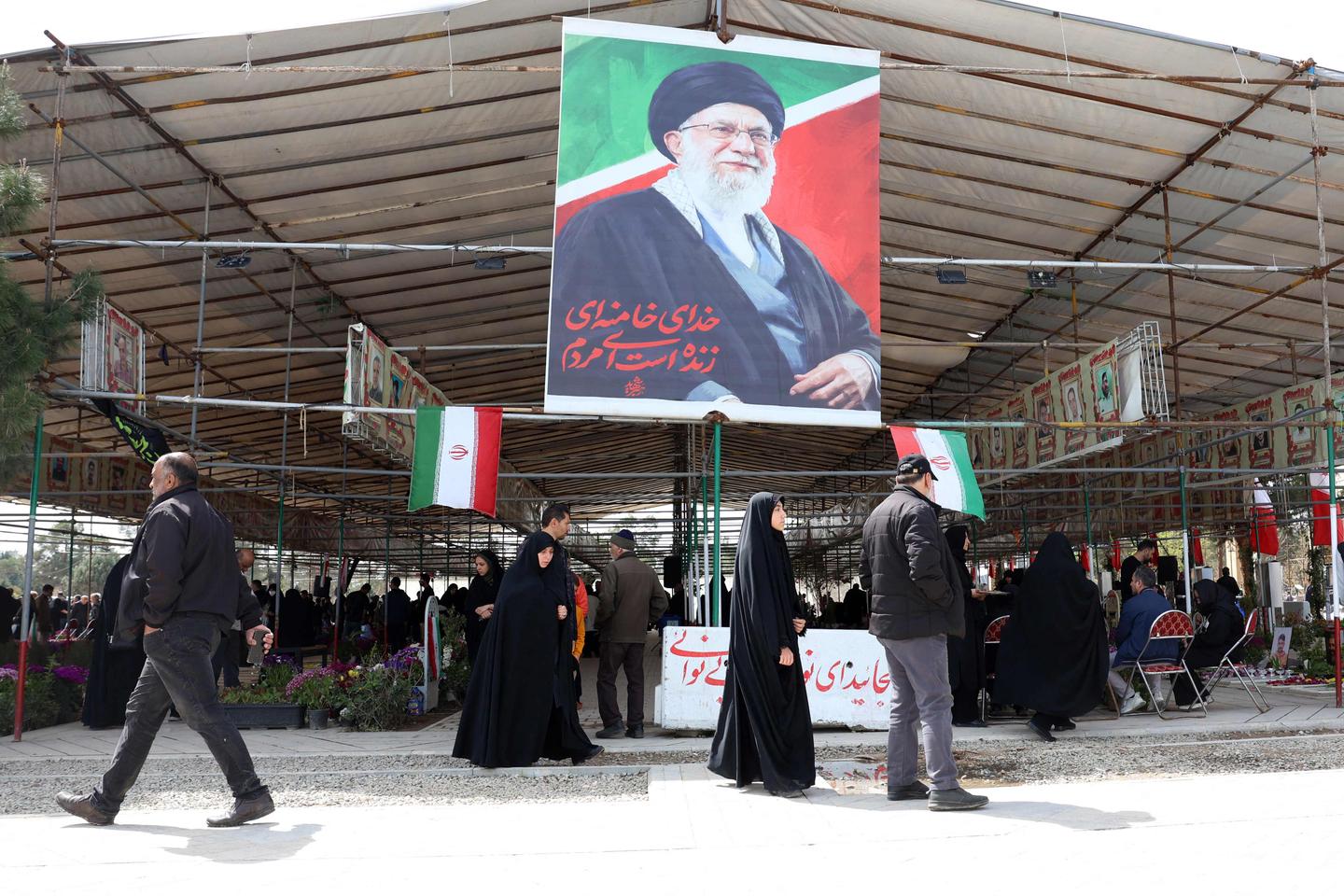
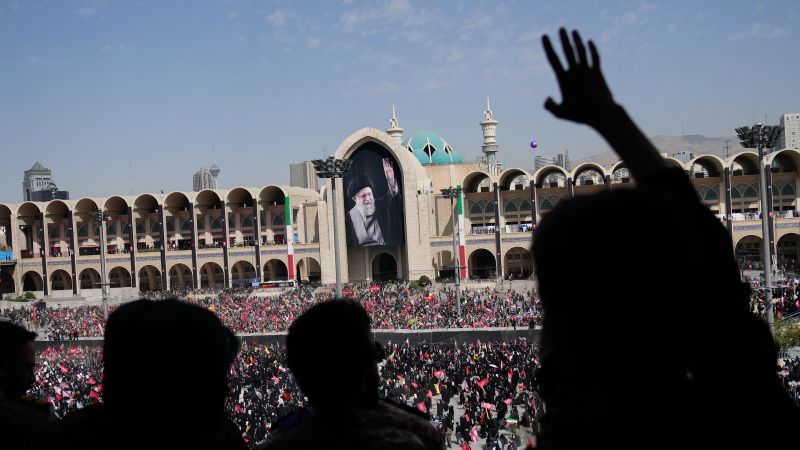
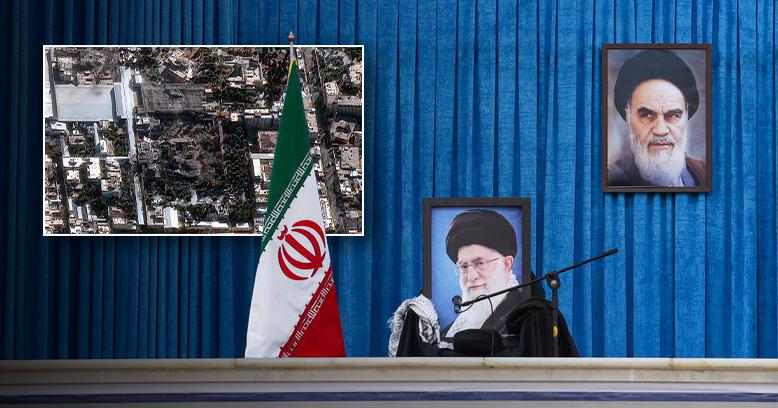
Having followed and observed the Islamic Revolution in Iran consistently and closely for several decades, I find that the 47th anniversary of Ruhollah Khomeini’s return to Tehran aboard an Air France flight is markedly different this year from those in the past. The occasion transcends its ceremonial character to pose serious questions about the fate of a system founded on a revolutionary doctrine that fundamentally reordered priorities and policies in the Middle East; one that replaced the crown of Mohammed Reza Pahlavi with Khomeini’s turban, and substituted alignment with Israel and the US with open hostility.
Today, Iran stands at a crossroads. The pressures it faces exceed its capacity to endure: an isolated economy, and US and international sanctions limiting its ability to invest, sell energy, and conduct trade in proportion to its true economic size. Internally, there are social problems stemming from rising costs of living and inflation that grows day by day. Protests erupt from time to time, some accompanied by unrest and violence. Nor can we overlook external infiltrations of the domestic arena, reflected in extensive intelligence exposure revealed during the 12-day conflict between Tel Aviv and Tehran, in which Mossad demonstrated its ability to operate either through direct elements or local agents to strike military and vital facilities and carry out assassinations that surprised the pillars of the Iranian regime.