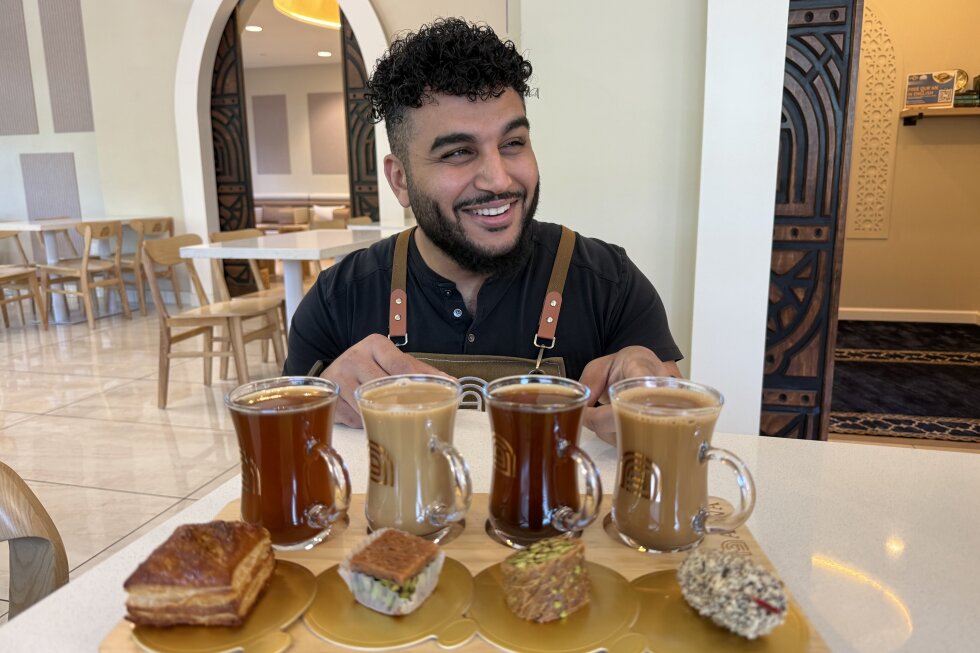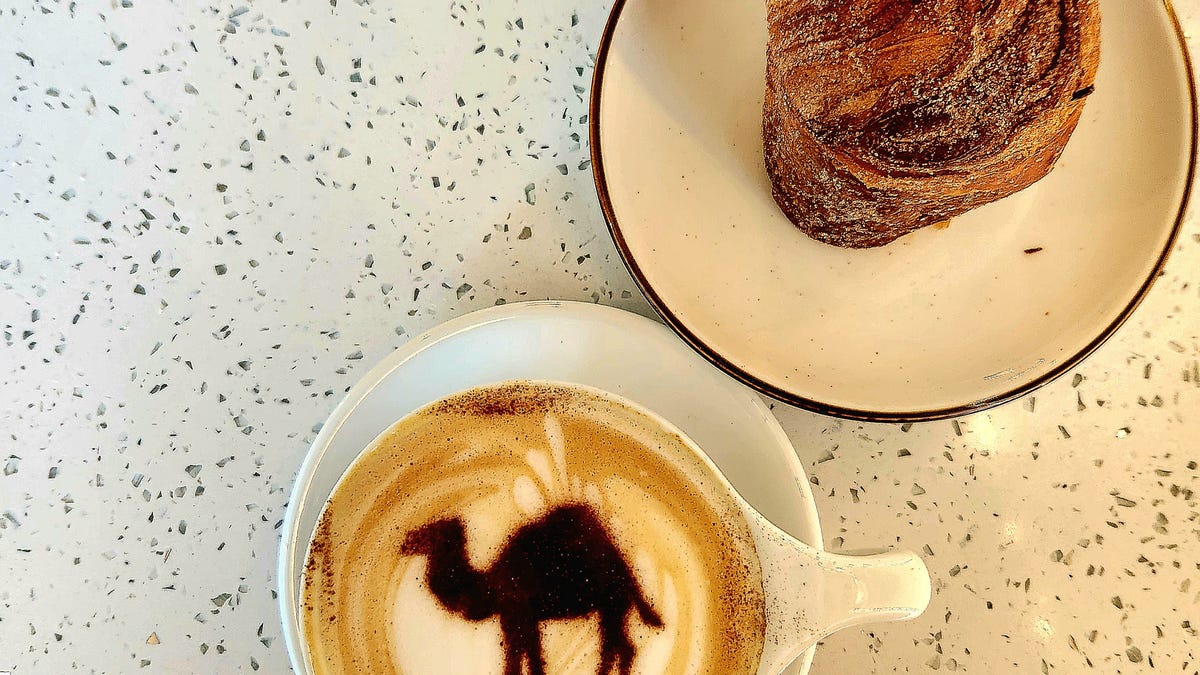
In some ways, Arwa is like most other coffeehouses, serving drip coffee, lattes and cappuccinos at its four locations in metro Dallas. But the foam on your latte might bear the business' signature image of a camel.
Arwa’s drink menu features beverages more common in the Middle East nation of Yemen: There’s mofawer, also known as mufawar, brewed coffee rich with spices and evaporated or condensed milk; and qishr, a tea-like, low-caffeine drink steeped with coffee cherry husks, cinnamon and ginger. Meanwhile, said co-owner Faris Almatrahi, a juban is somewhere in between, utilizing both husks and beans and named for the Yemeni region where it is popular.
“What sets Yemen apart is our use of spice, infused into the coffee during the brewing process,” Almatrahi said — spices that in addition to cinnamon and ginger include cardamom and clove.
From Dallas and Detroit to New York and North Carolina's Research Triangle, Yemeni coffeehouses are proliferating across America; early last year, Bon Appetit estimated about 30 distinct enterprises in the U.S., some with dozens of locations.
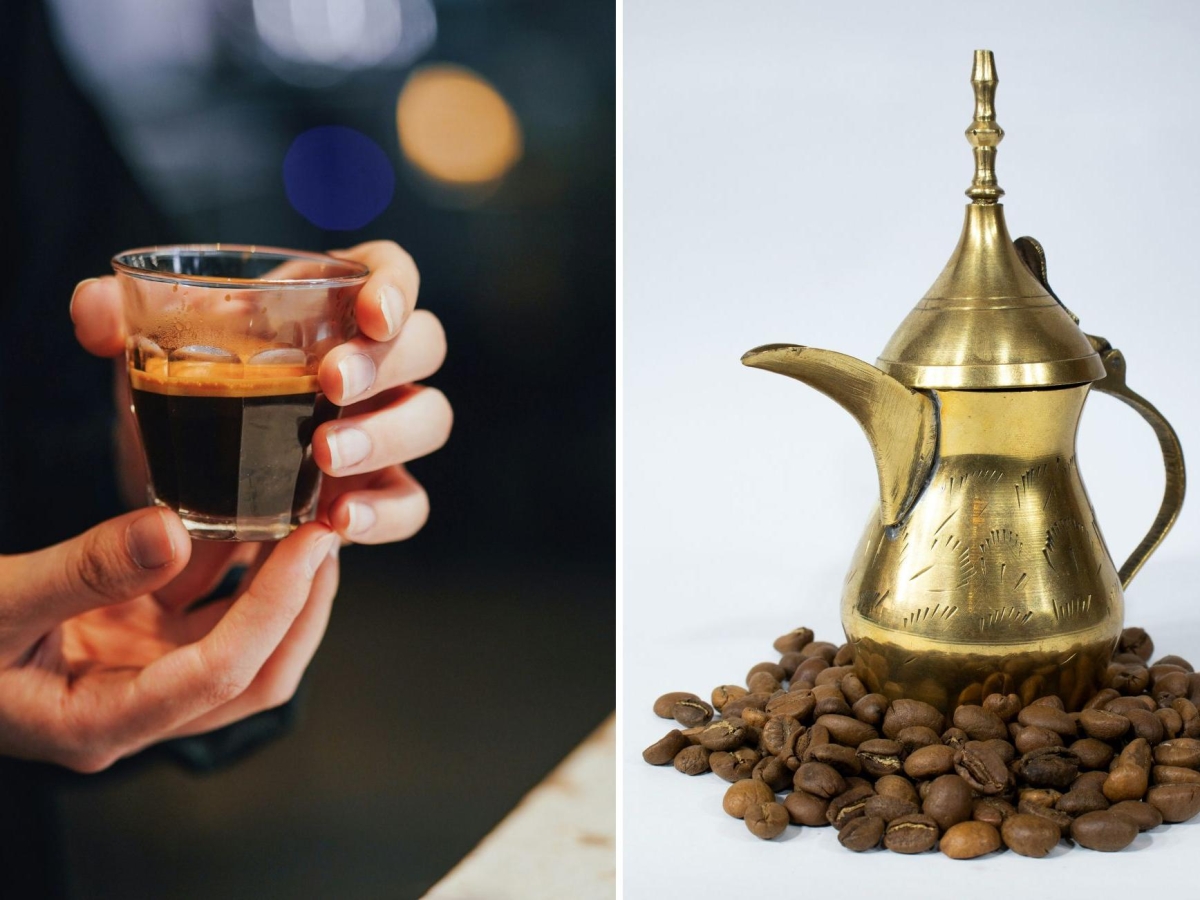
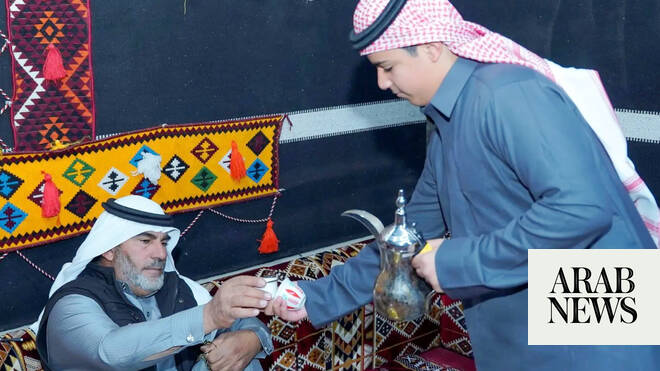
Aside from showcasing coffee beans from Yemen — the world’s first nation on record to roast and brew coffee — coffeehouses like Arwa, Moka & Co., Qahwah House and MoQana serve as both cultural reinforcement and outreach, reflecting the social nature of coffee drinking in Middle Eastern culture.