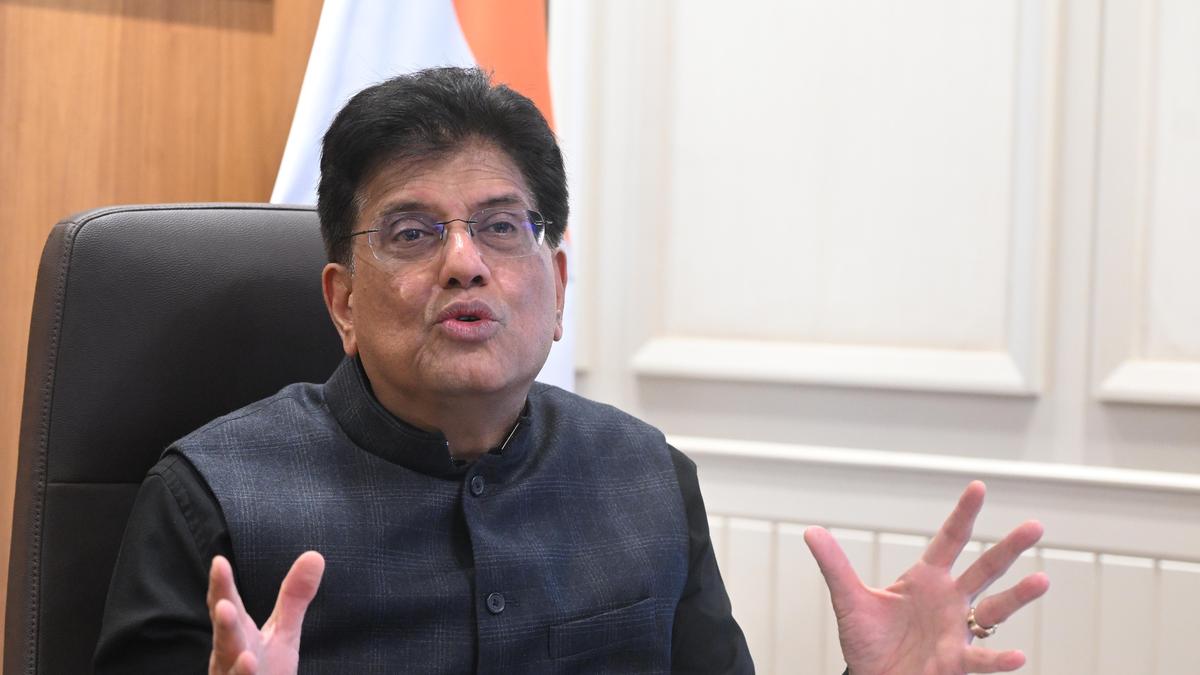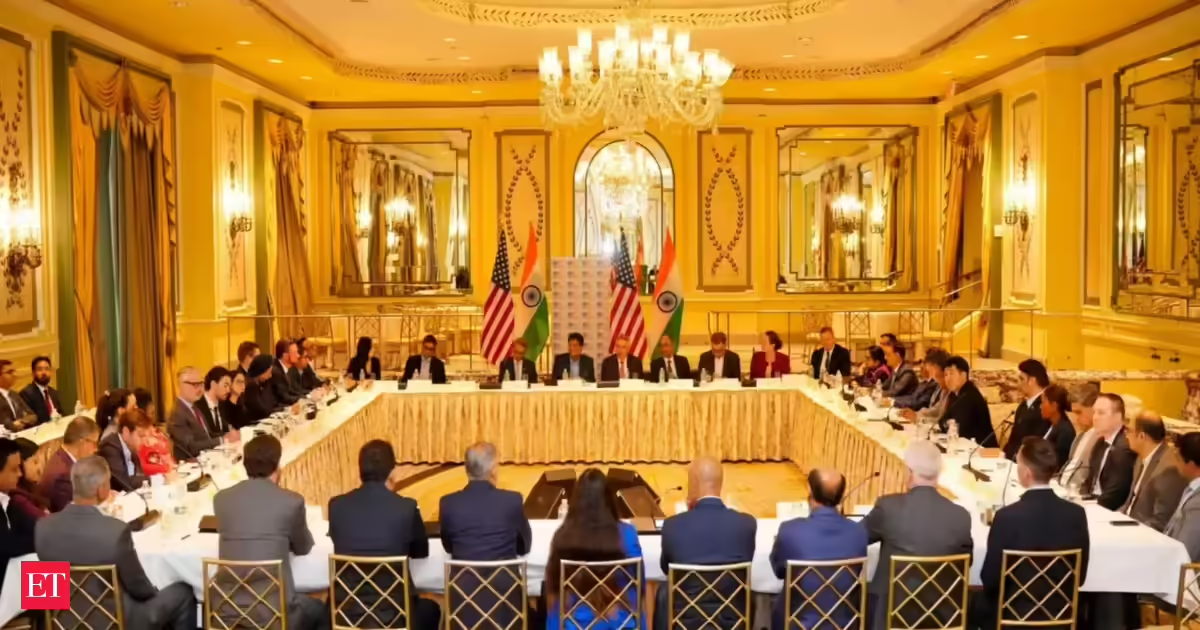
On a moderately hot afternoon at Delhi’s Vanijya Bhawan in 2025, journalists were eager to ask questions to the Commerce Minister about the fallout from the U.S.’s unilateral imposition of 50% tariffs on India. Piyush Goyal is no stranger to such questions. Reading the room with care, Mr. Goyal underlined that any trade deal India might secure would be anchored in principles of “mutually beneficial, reciprocal and equitable”.
But with the U.S. tariffs, the mood was different in the country. For the government, the move coincided with the Monsoon Session of Parliament, with the Opposition pressing for an immediate statement in a session already marred by repeated disruptions. Greeted with loud protests within hours of the tariffs announcement, Mr. Goyal assured the House that the government was examining the situation, and would safeguard national interests, before leaving amid continued uproar.
Jaishankar denies India has lost ‘strategic autonomy’
This was not the first time Mr. Goyal was caught in a storm.
In 2018, during his tenure as the Railway Minister, Mr. Goyal faced protests from candidates who had concluded their apprenticeship training over the removal of their 20% quota. His convoy was targeted during demonstrations in Uttar Pradesh. Protests later subsided after he appealed to the protesters to apply for the ongoing recruitment drive, whose deadline was nearing.