Annual remembrance in Neauphle-le-Château revives memories of short exile that reshaped Iran, but which locals would rather forget
Every February, members of the Iranian diaspora descend on an abandoned plot of land in an unremarkable street in the French town of Neauphle-le-Château, a 90-minute drive west of Paris.
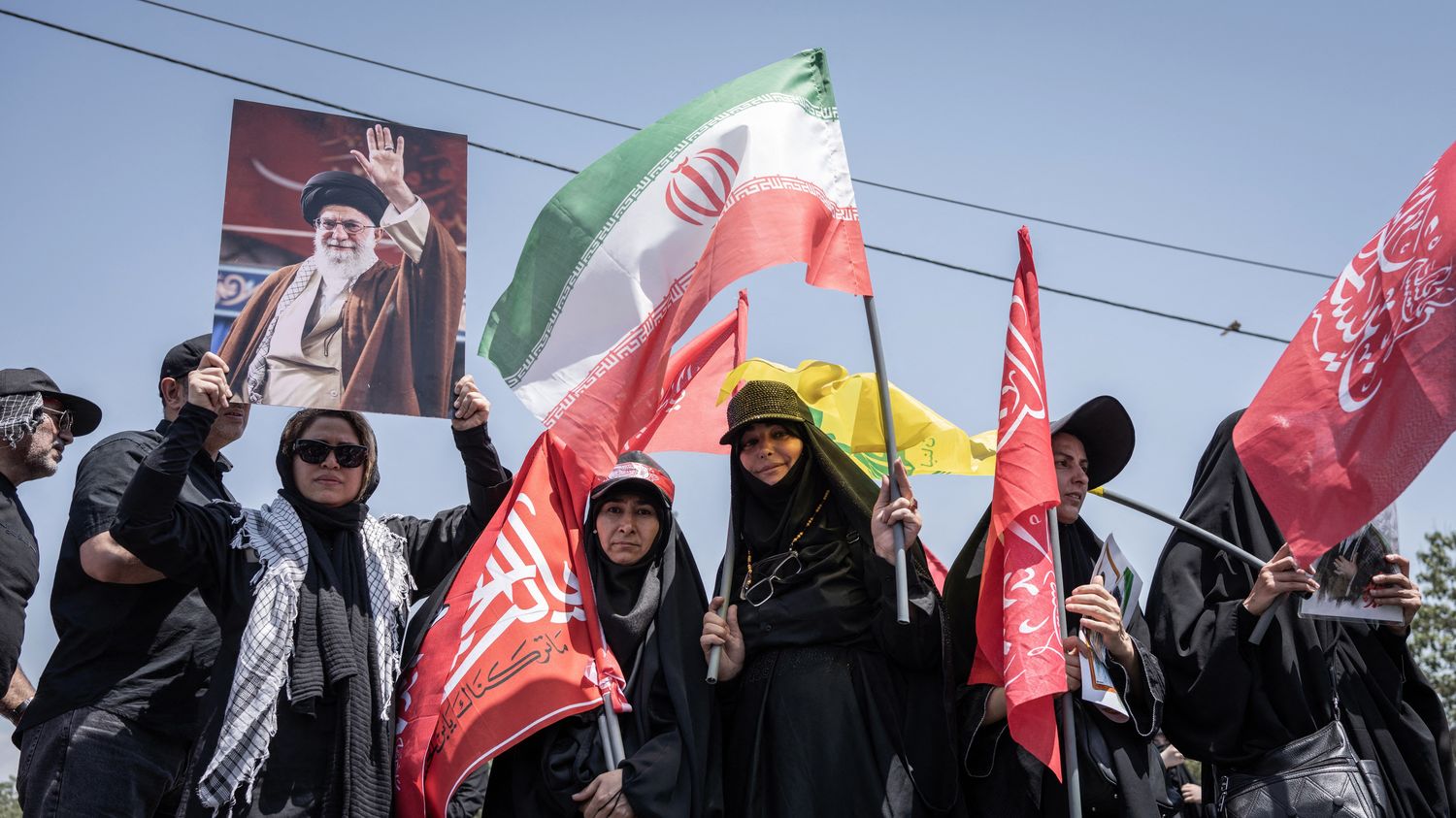
On the nominated Sunday, a marquee is hastily thrown up and framed photographs of the late Ayatollah Ruhollah Khomeini hung on the canvas. Green baize is laid on the muddy garden path between posts painted with equal bands of green, white and red, the colours of the Islamic republic’s flag.
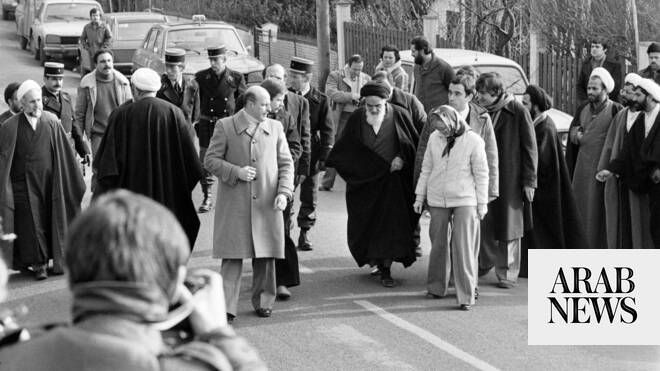
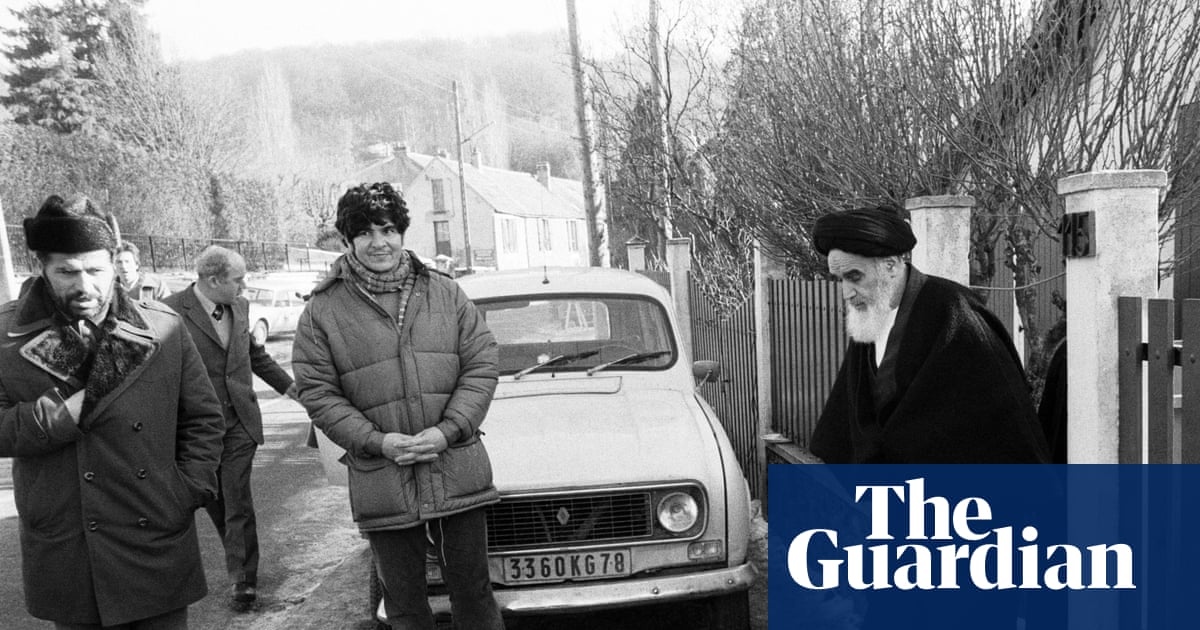
They come to remember the supreme leader who, in a chapter of history little known outside France, spent four months in the town in the late 1970s before his triumphant return to Tehran as the leader of the Islamic revolution.
The fact this is commemorated every year in a small town in Île-de-France evokes a deep grievance among local people, and particularly this year. That their home has become synonymous with a regime in Tehran accused of killing thousands, some say tens of thousands, in a continuing crackdown, feels, they say, like a betrayal. Rather than remembering, they would rather forget.