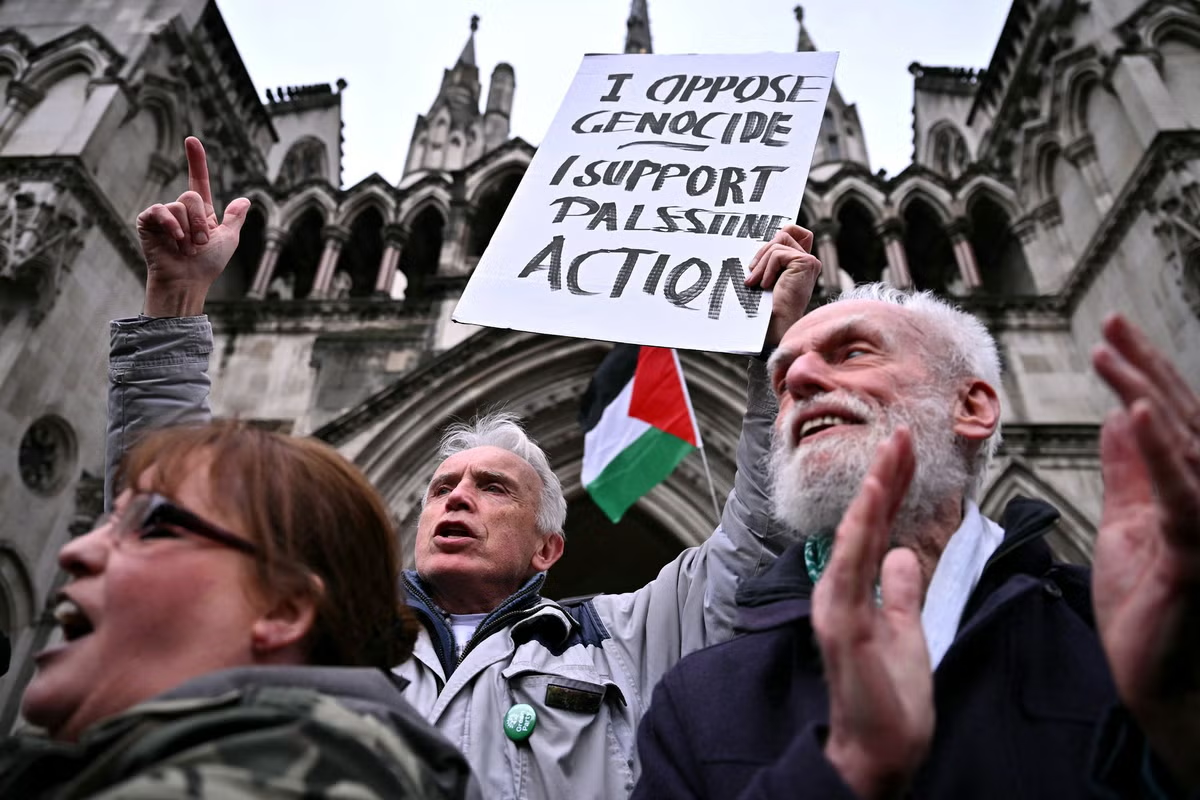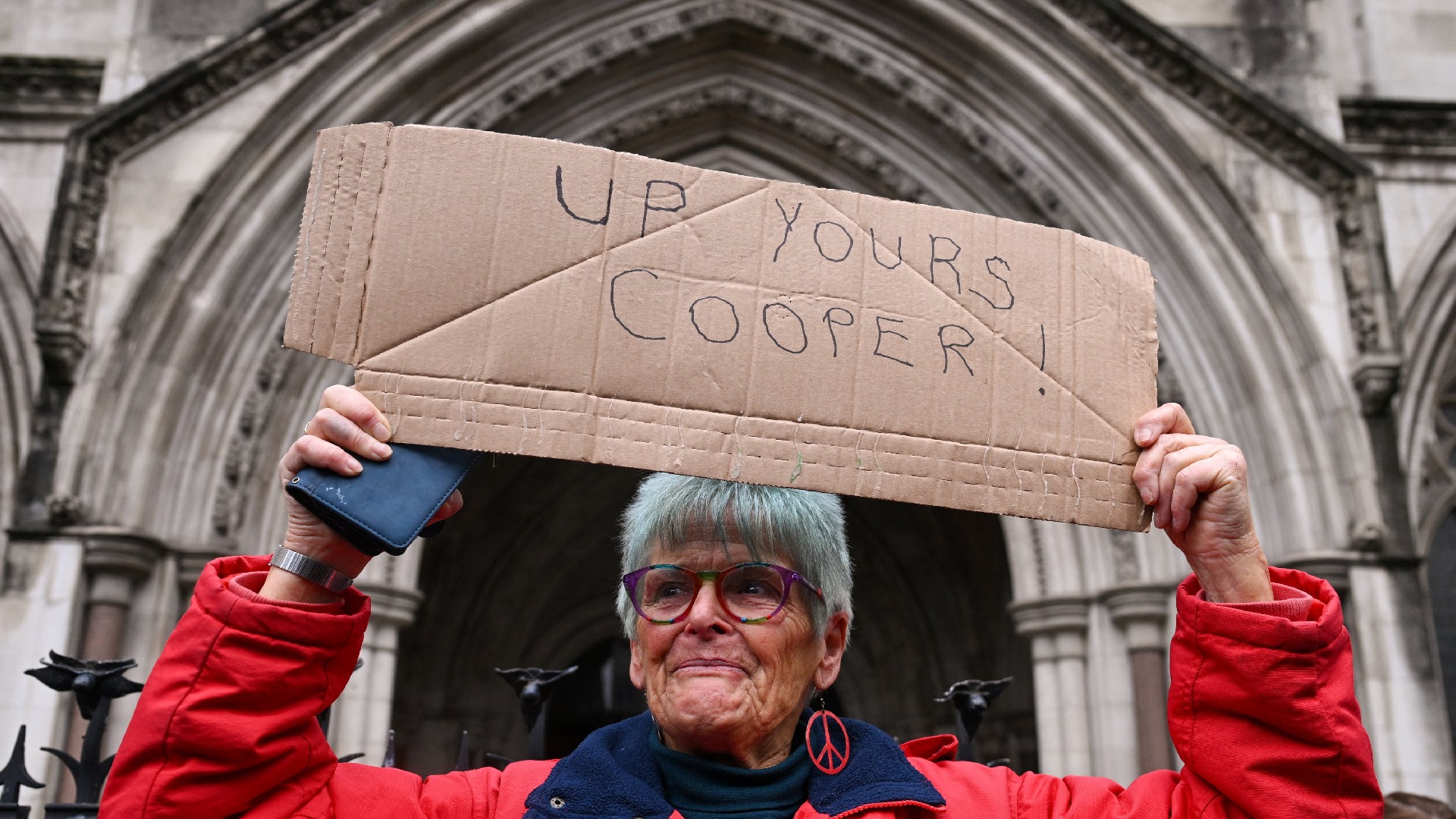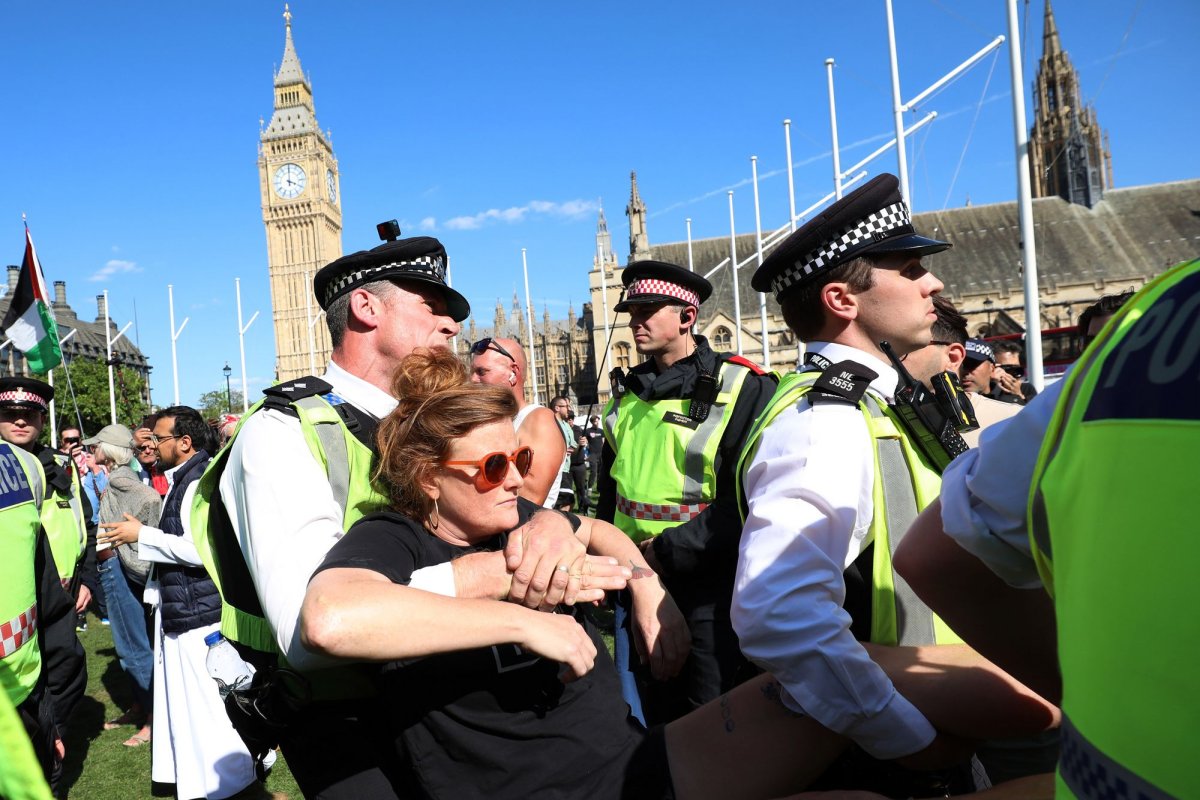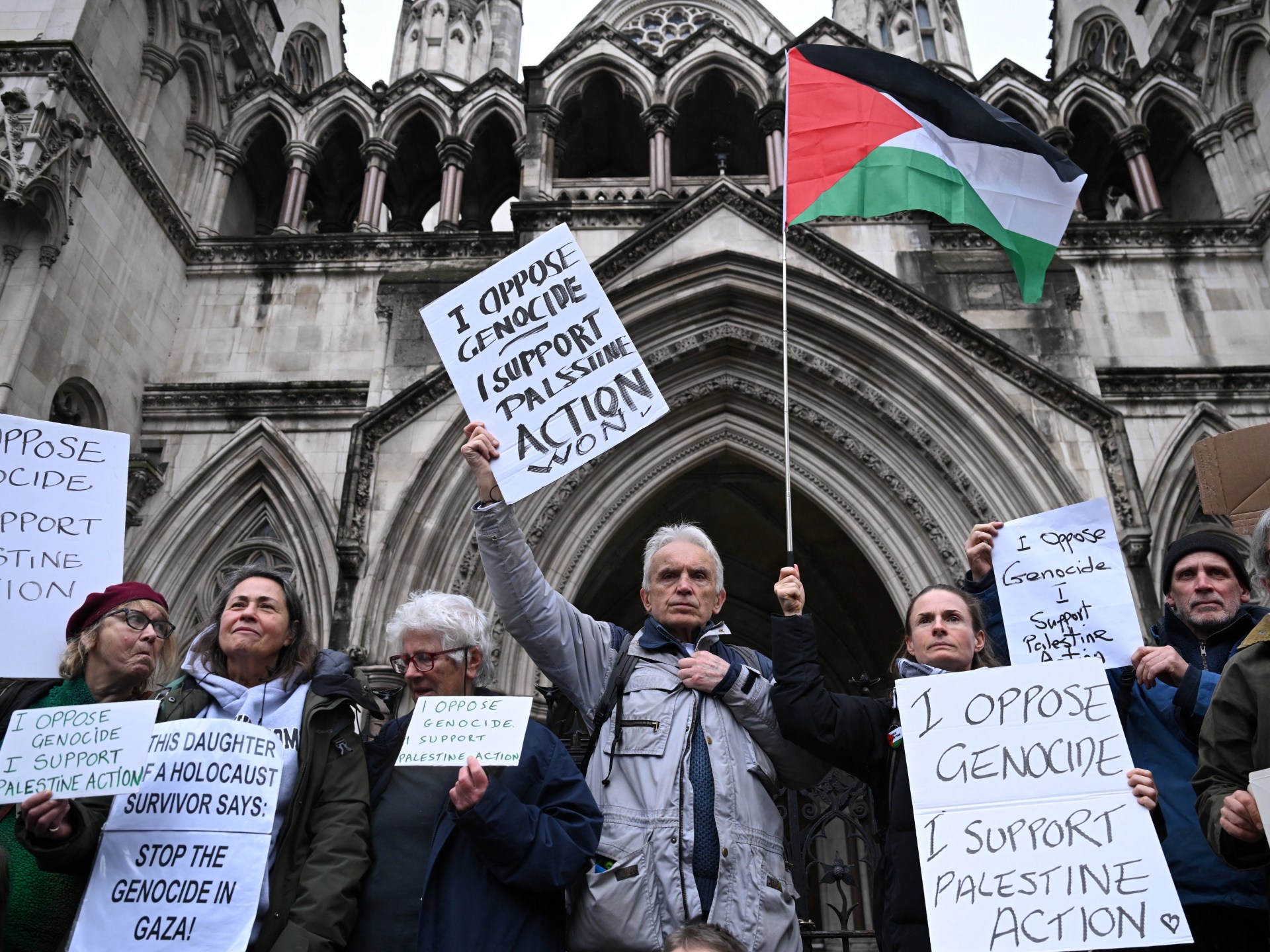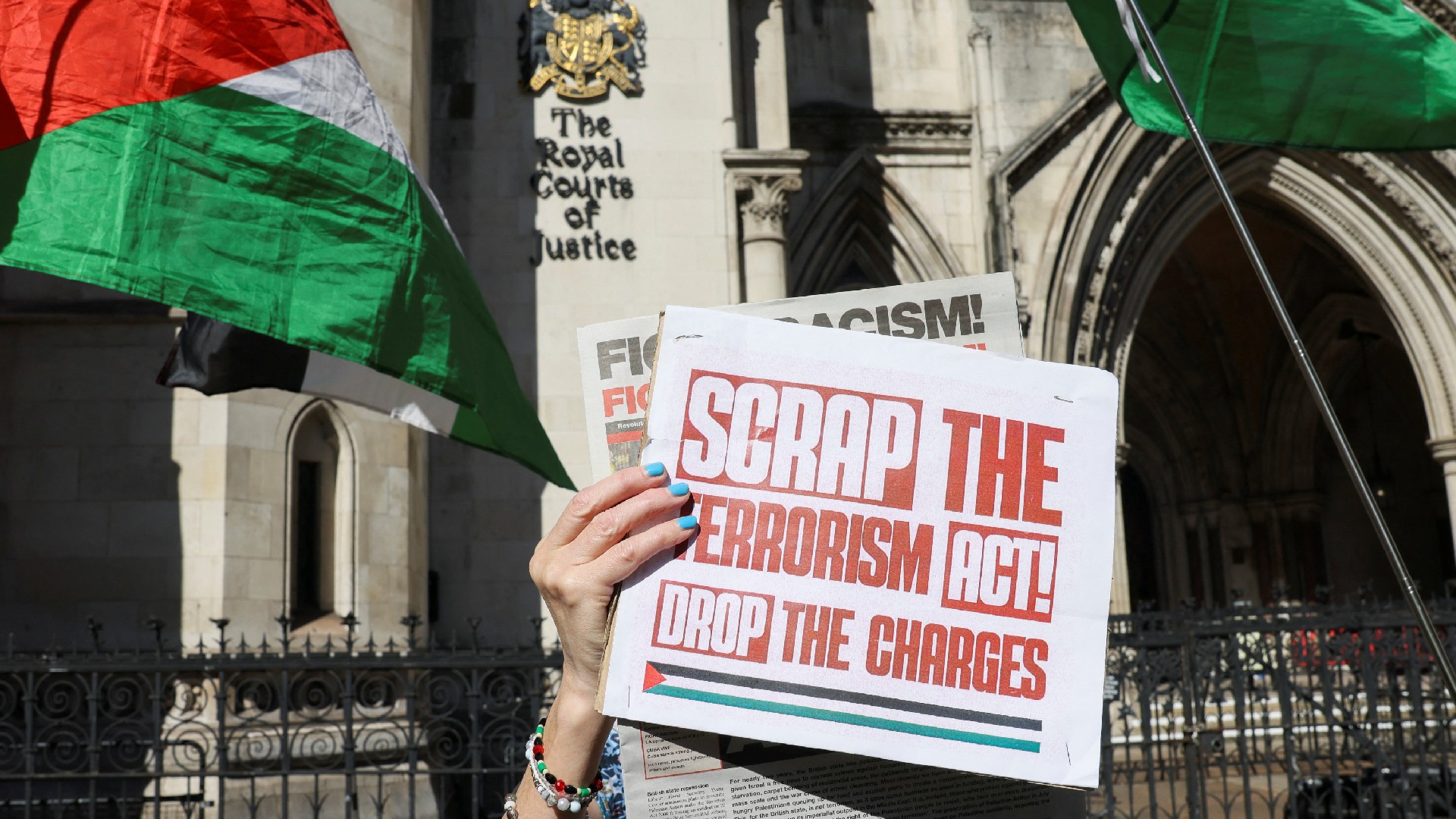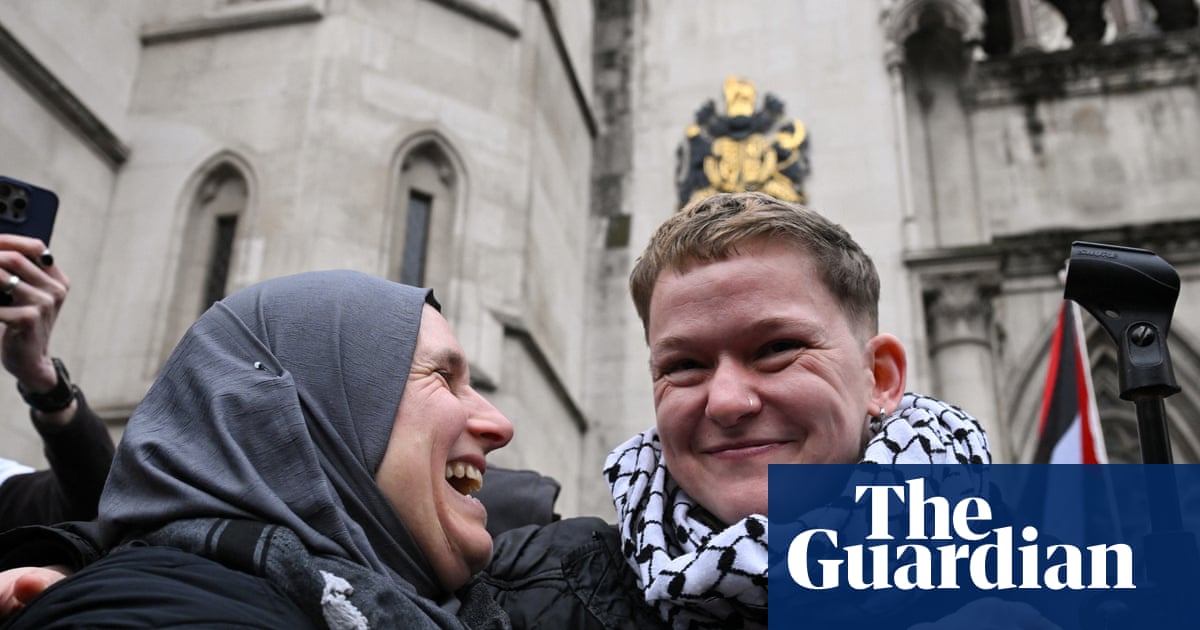
Proscription of British direct action group has been fiercely controversial from moment it was proposed last June
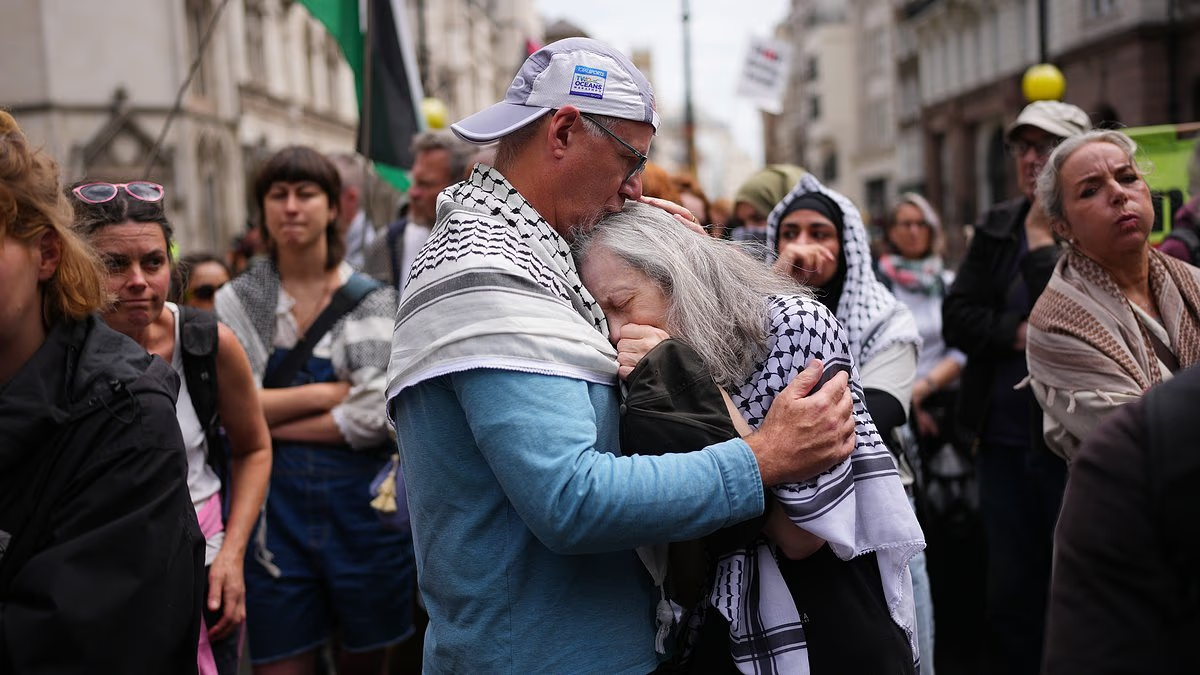
The list of those who criticised the ban on Palestine Action and its consequences was disparate to say the least, taking in a Trump administration official, a former director of public prosecutions, a former director of the security services, Home Office officials, politicians of different stripes, and UN experts, not to mention a host of NGOs.
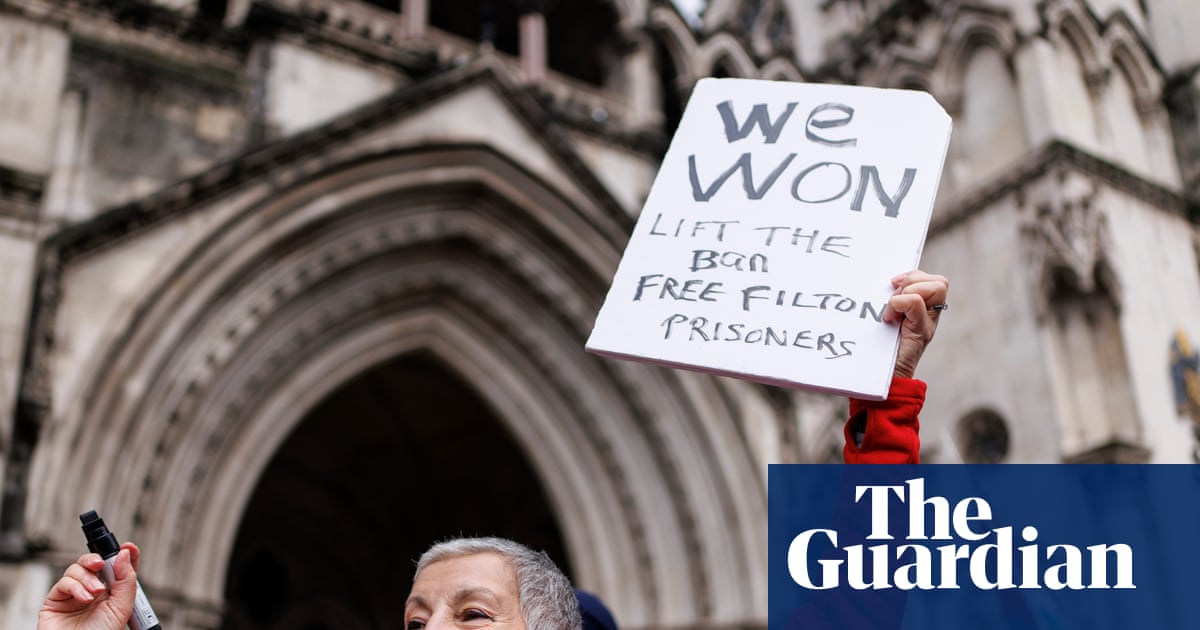
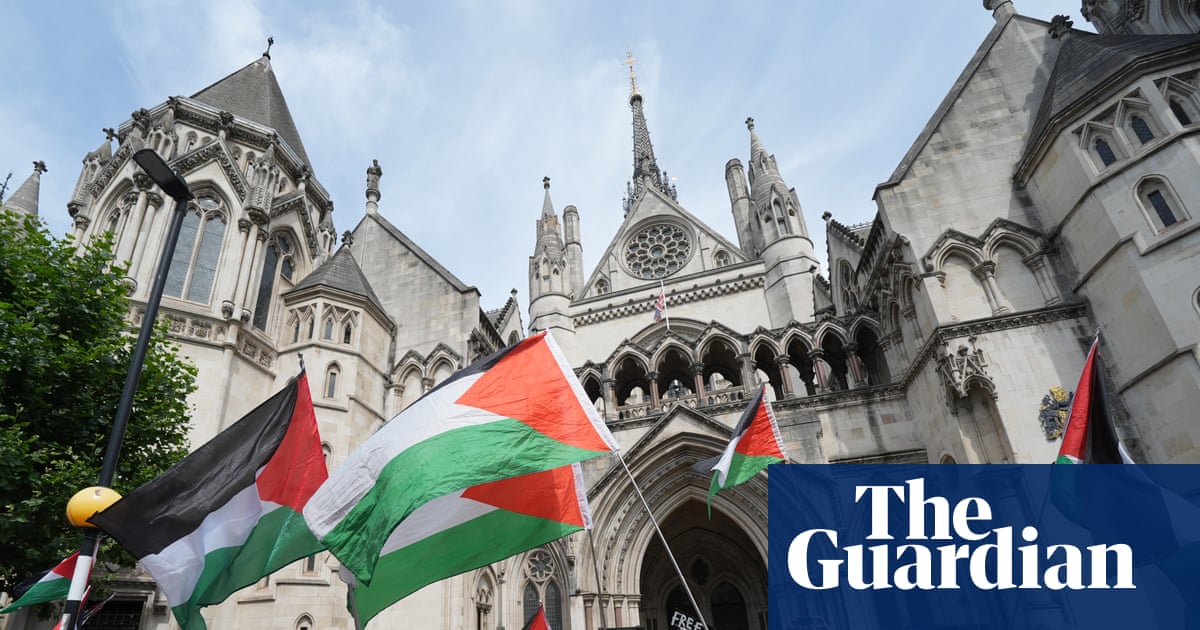
Now a trio of senior judges can be added to the list, after they deemed the ban to be “disproportionate” and impinging on freedom of speech and protest when the direct action group’s activities could be targeted under the existing criminal law.
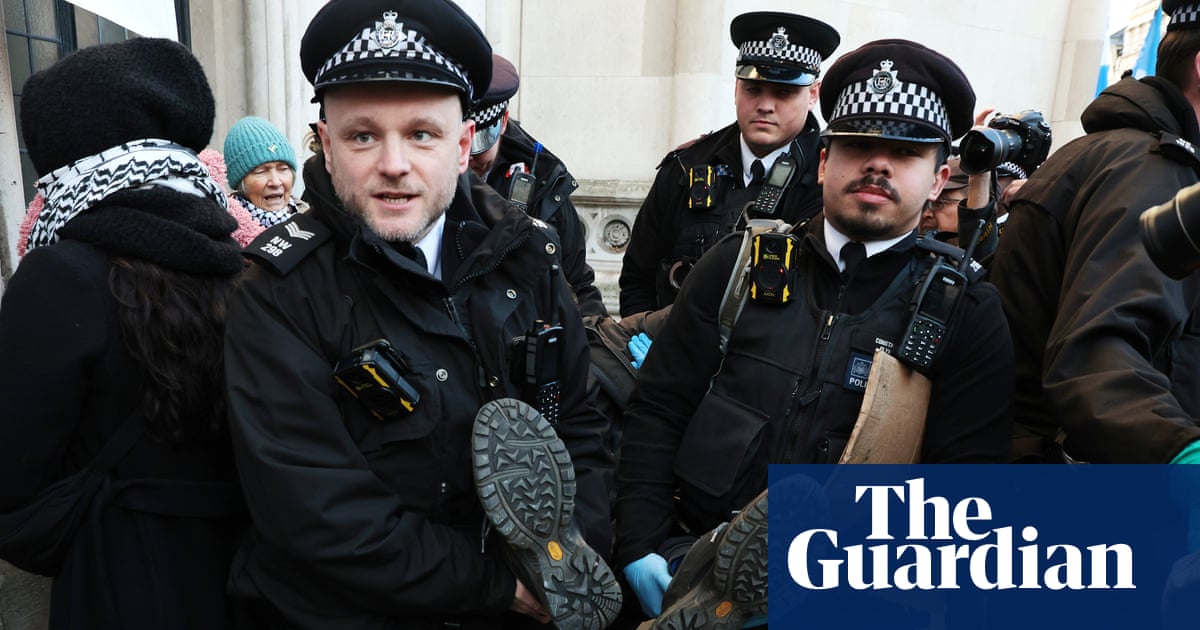
From the point in June last year when the then home secretary, Yvette Cooper, first announced her intention to proscribe Palestine Action, the ban has been hugely controversial.
While “serious property damage” is a criterion for a ban under the Terrorism Act 2000, the legislation had previously only been used on groups intent on violence to the person, such as Islamic State and Boko Haram.