The high court was right to rule that ministers overstretched terror laws in proscribing direct action. Protest should be policed by criminal law
T
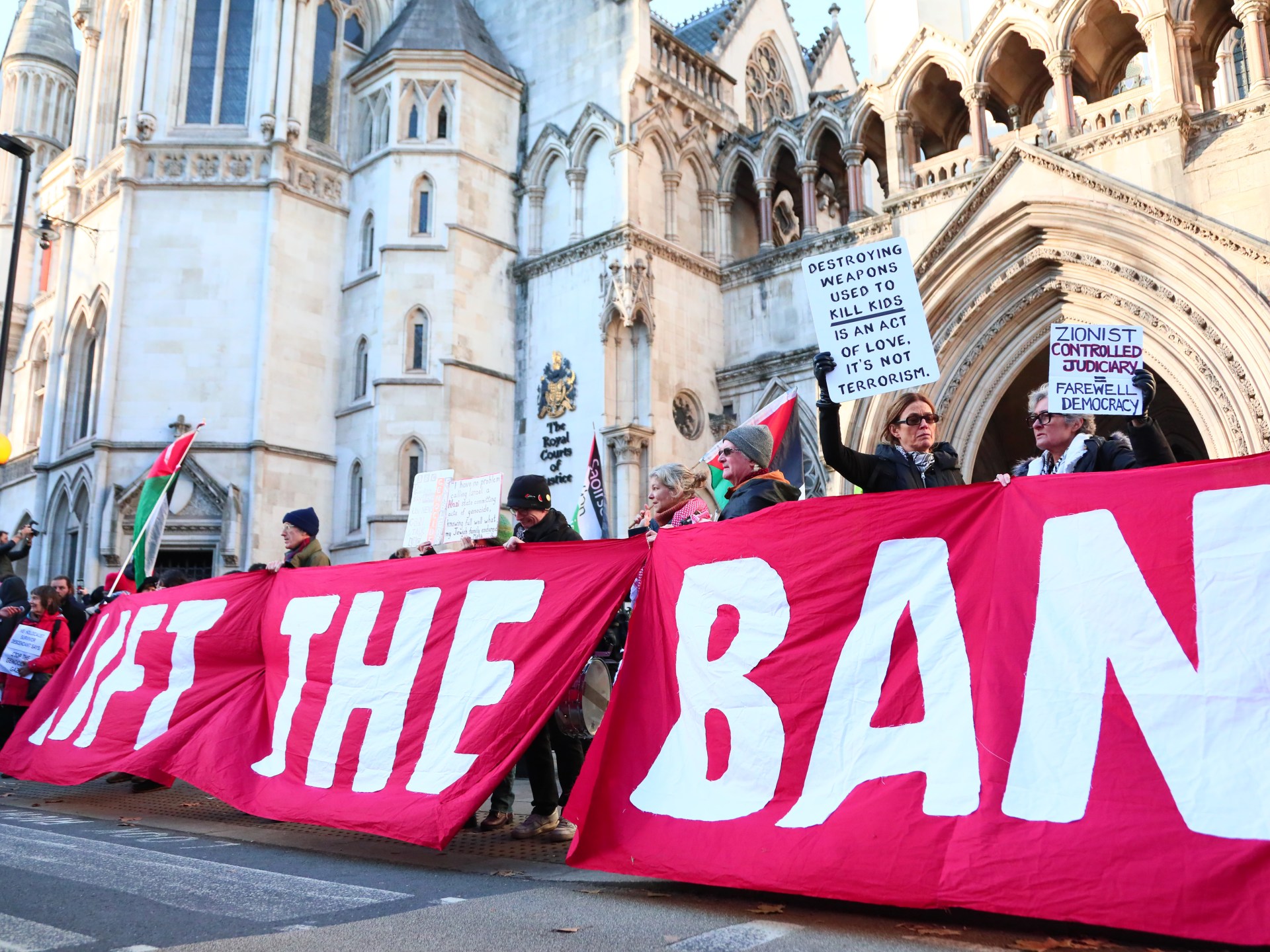
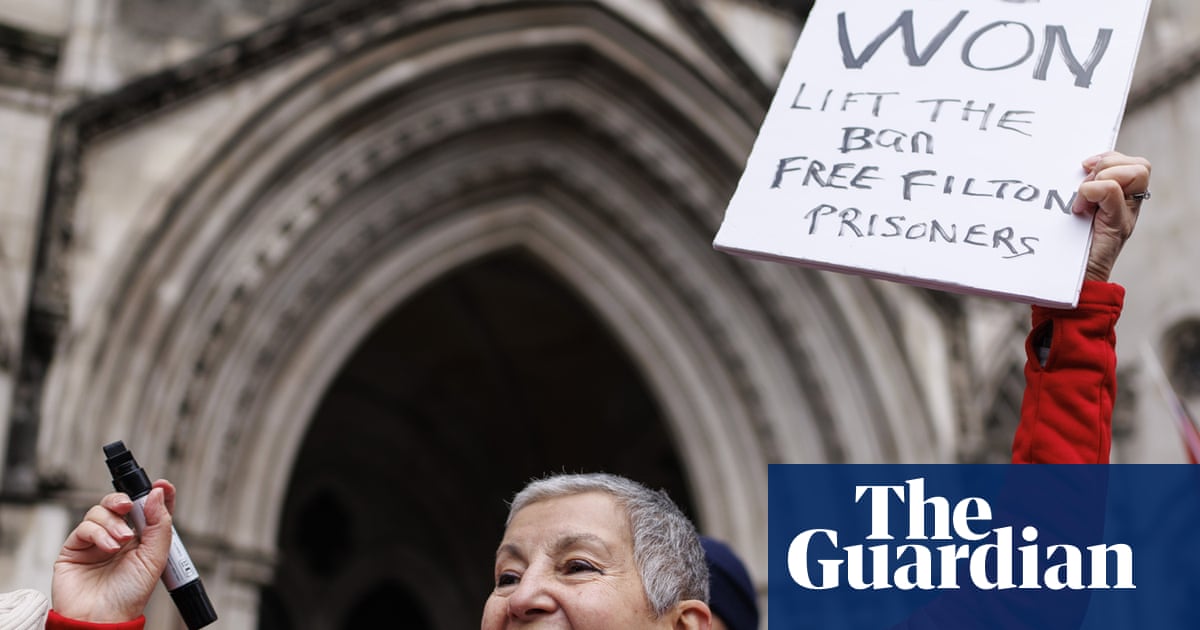
he high court ruled last week that the British government’s proscription of Palestine Action is unlawful and disproportionate. Its judgment, however, is hardly one in praise of militant protest. That makes it all the more awkward for ministers. The bench rejected Palestine Action’s claim that it was engaged in Gandhian civil disobedience. The judges also accepted that a number of incidents involved serious property damage that technically satisfied the statutory definition of terrorism.
But they were clear and correct: the existing criminal law “is available to prosecute those concerned”. This judicial distinction between terror and crime matters – and is devastating for the government. Ministers, the bench reasoned, can’t ban every organisation that meets the legal terror threshold just because it brings “significant disruptive benefits” to do so.
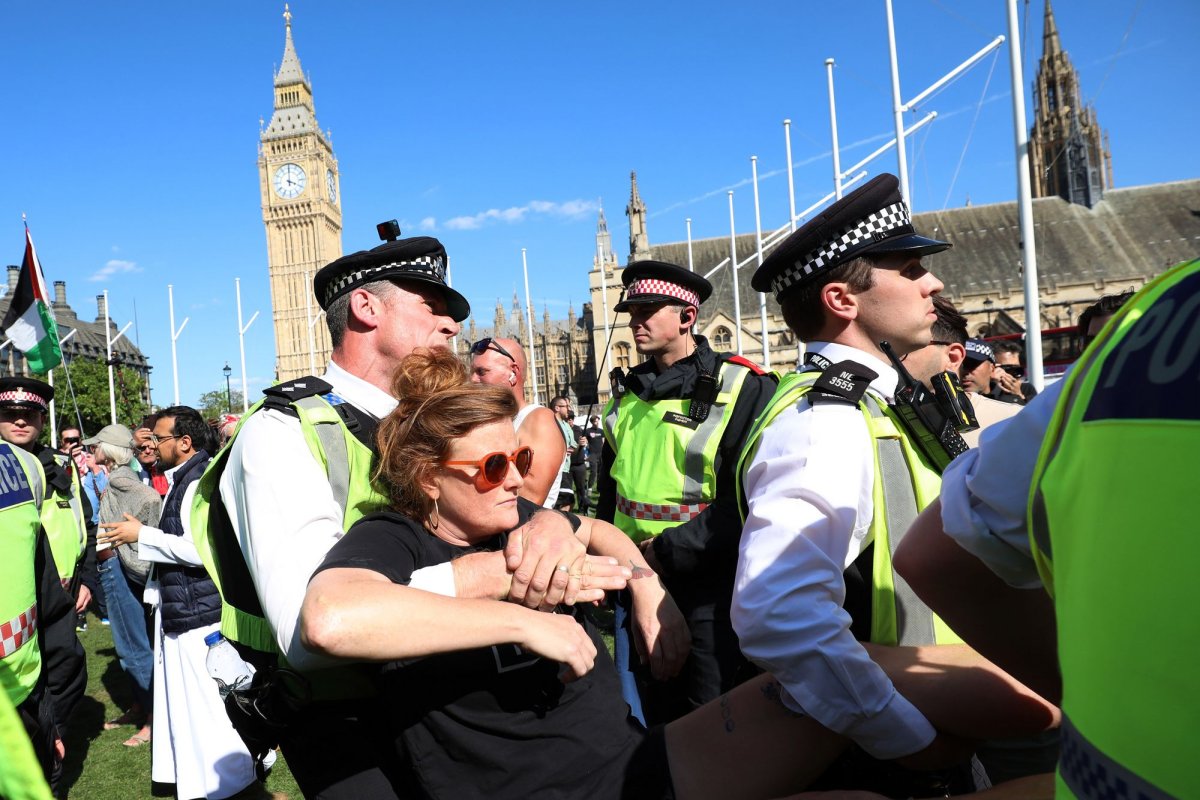
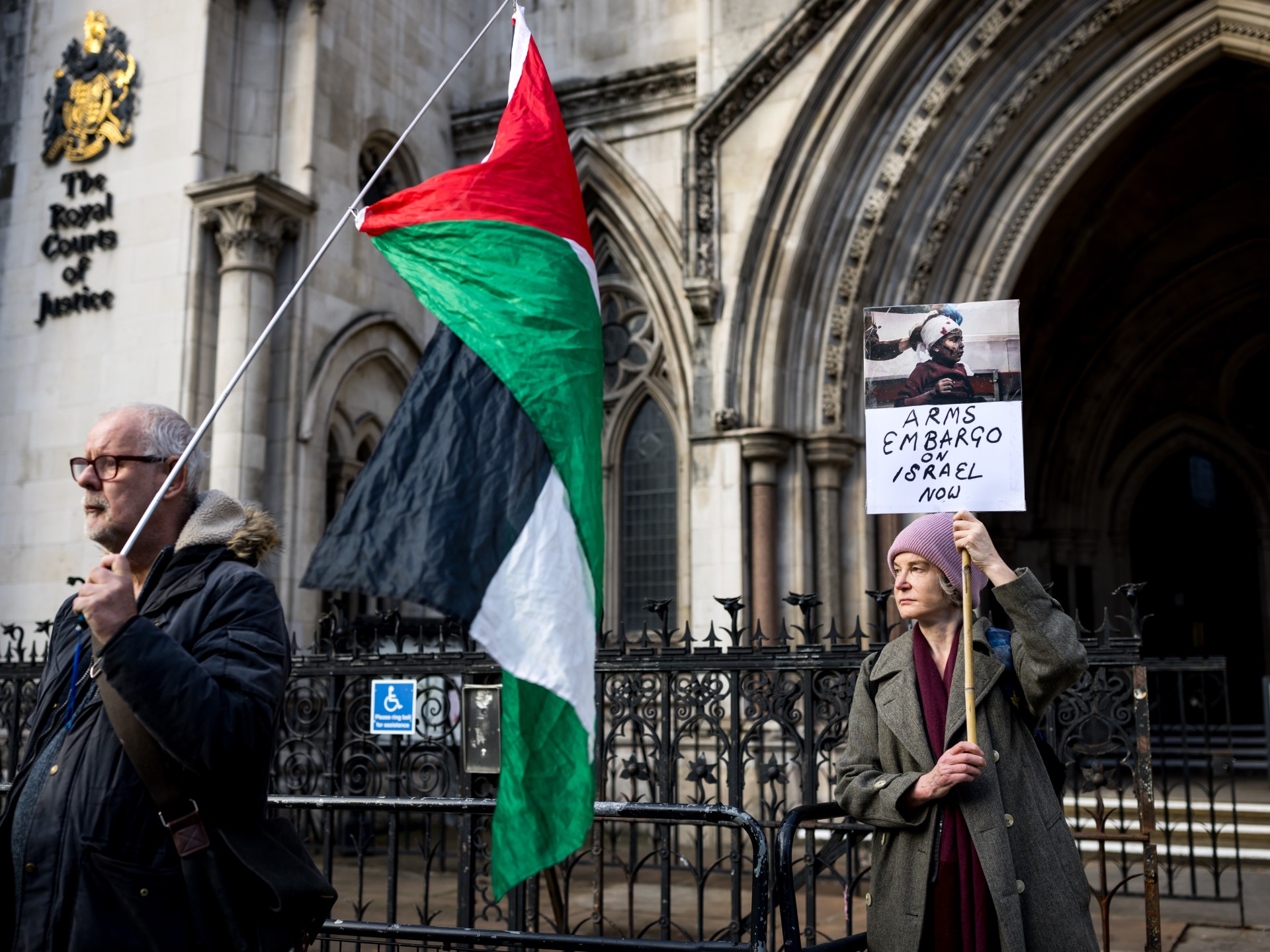
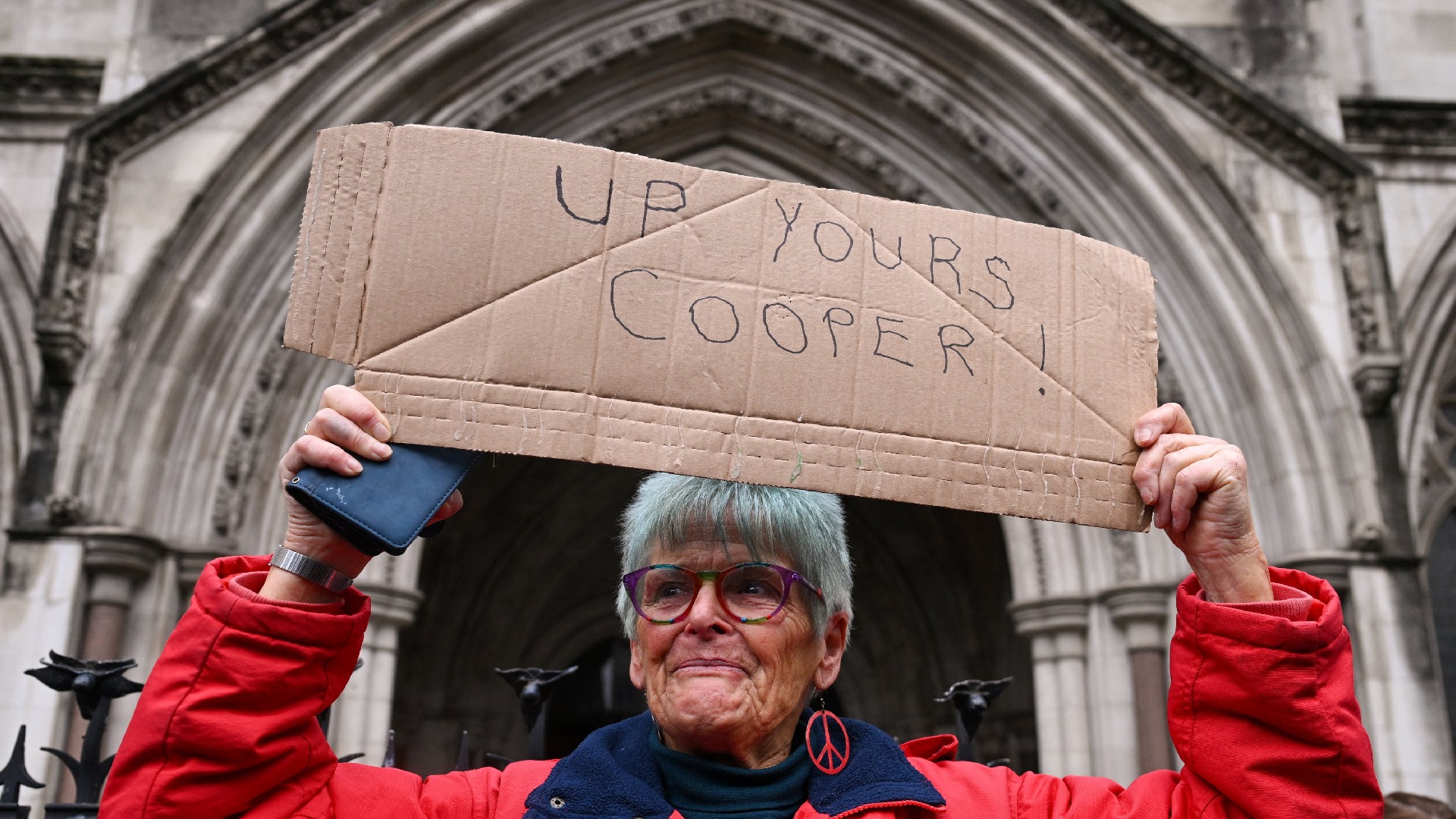
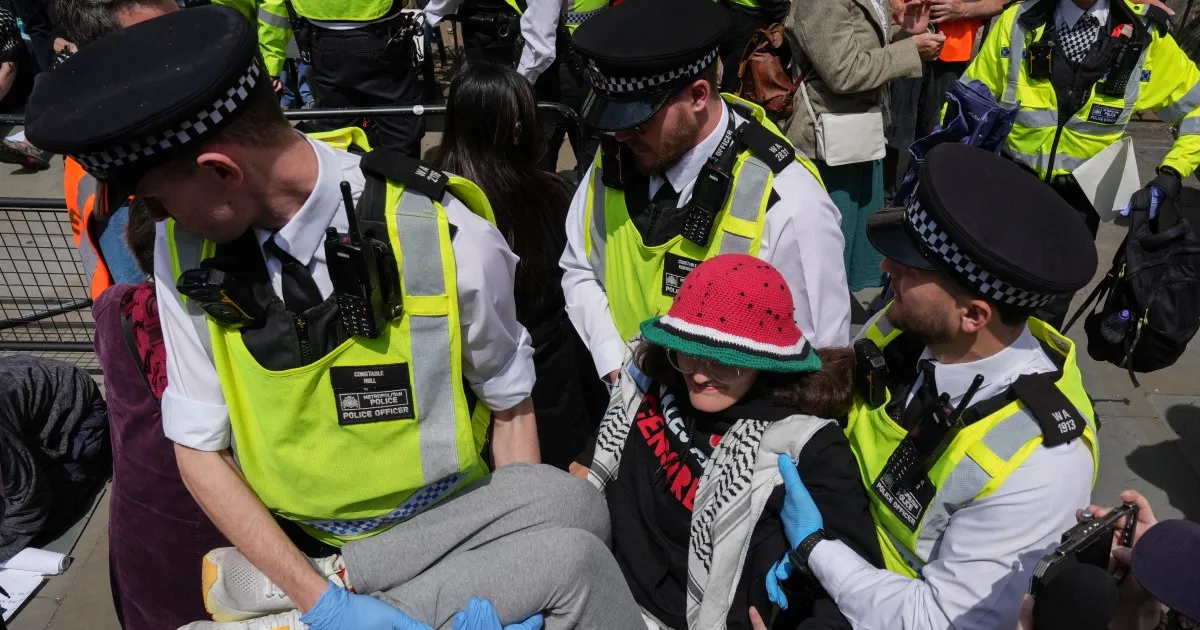
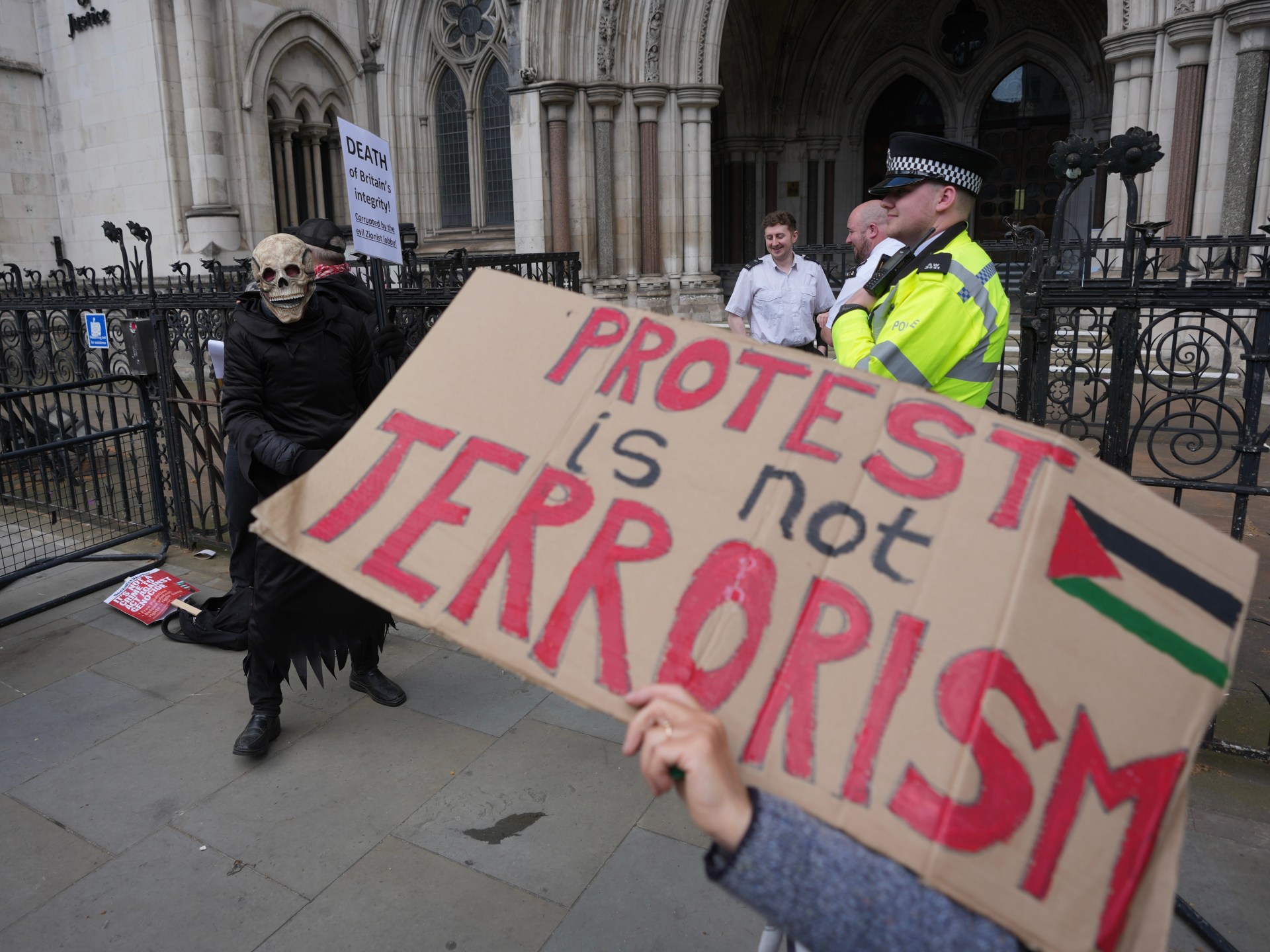
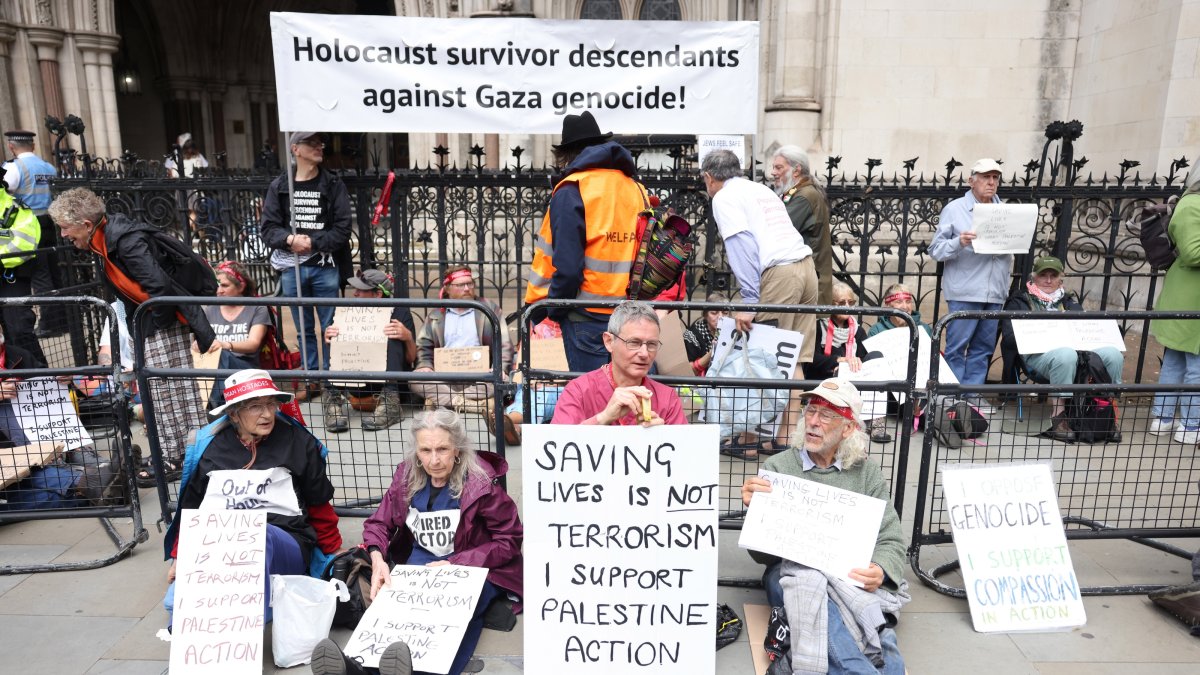
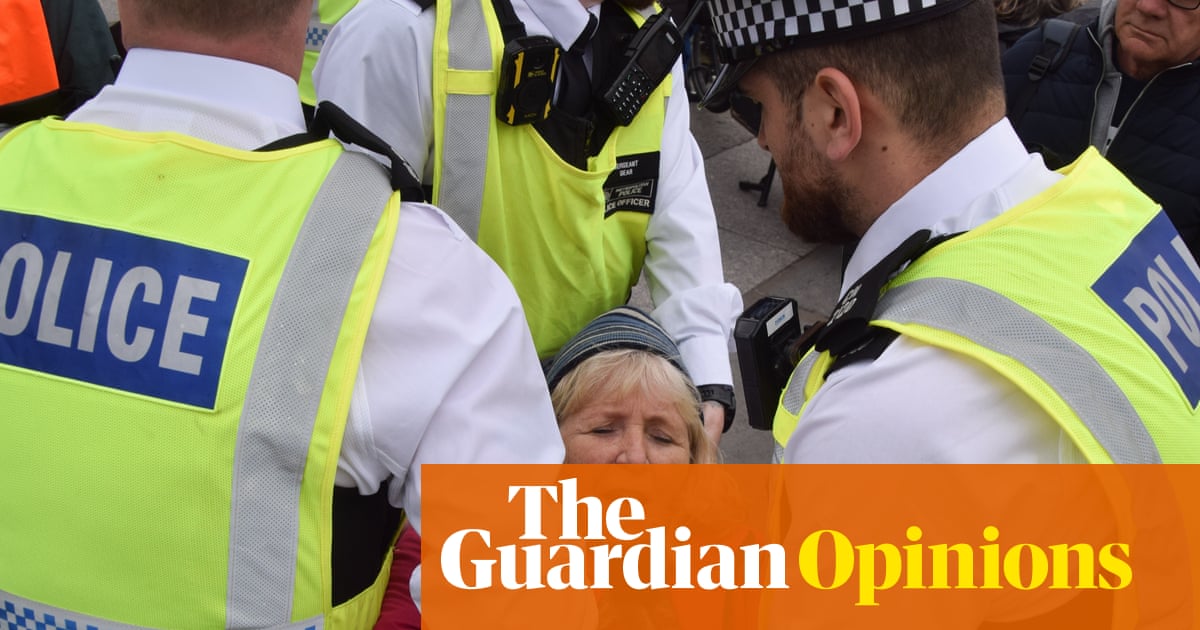
Crucially, the high court found against ministers because proscription amounted to disproportionate interference with the right to protest, which rests on the fundamental rights to freedom of expression and assembly. The judges obviously had a point: the ban did not merely punish acts; it also made it an offence to belong to Palestine Action, or even to speak in support of it. That is how more than 2,700 people found themselves arrested after the ban – mostly for waving placards. More than 500 of those arrested have been charged.