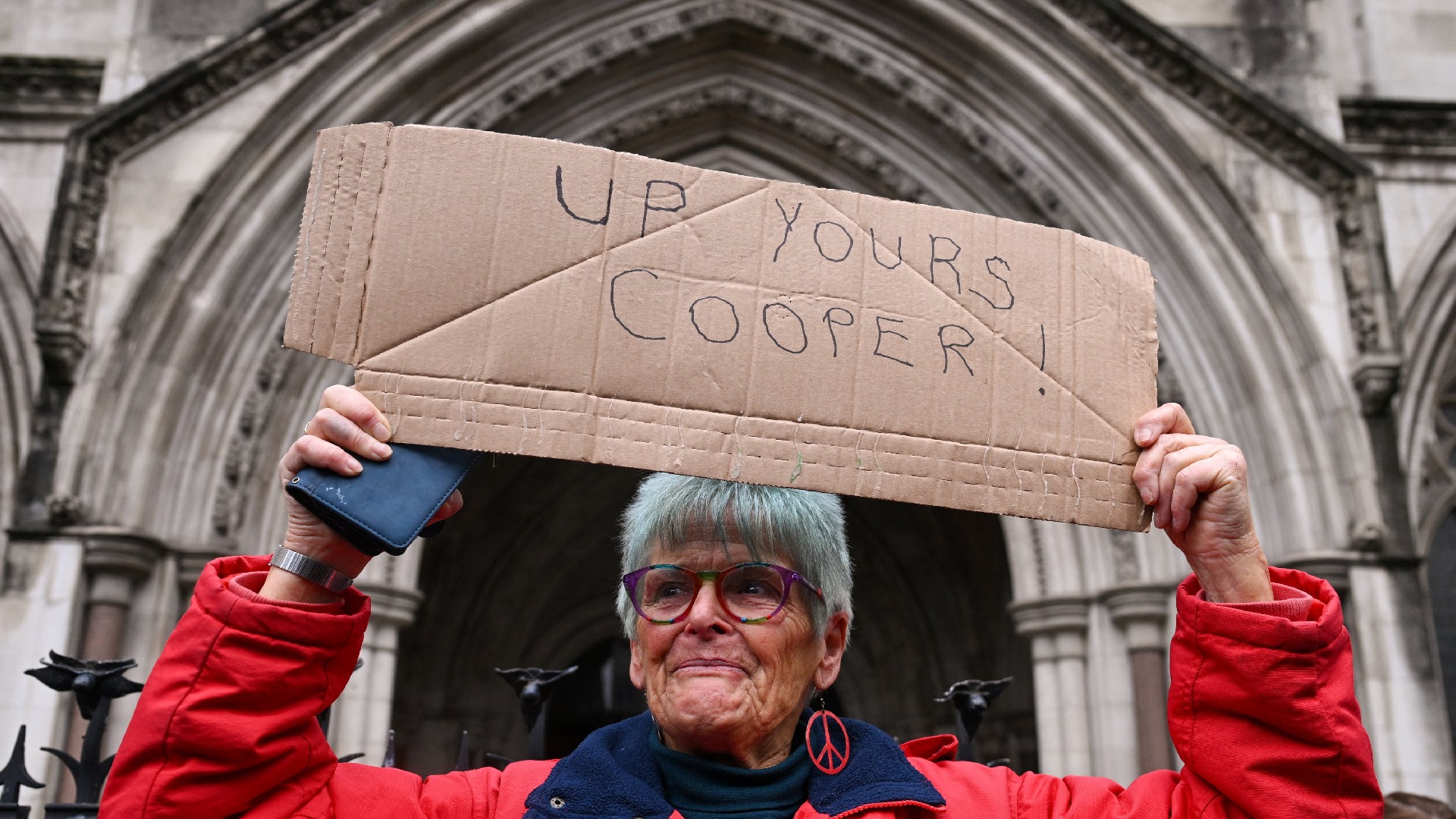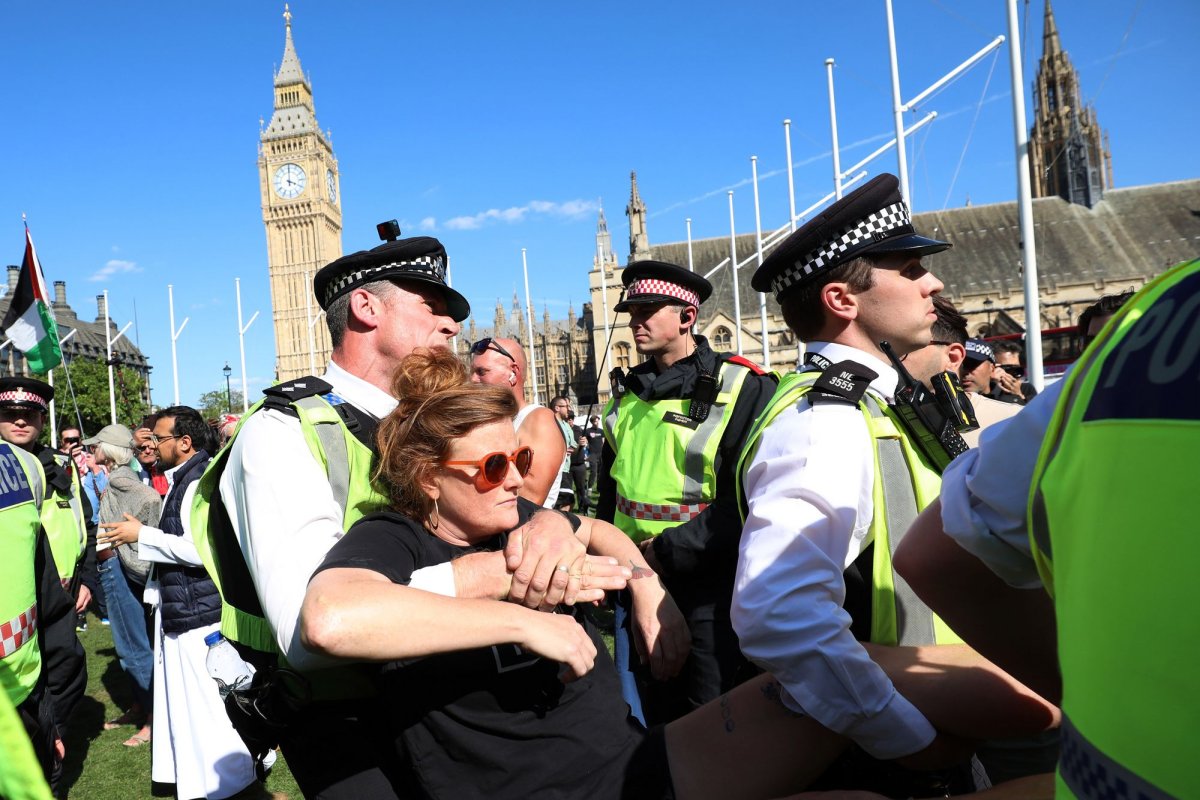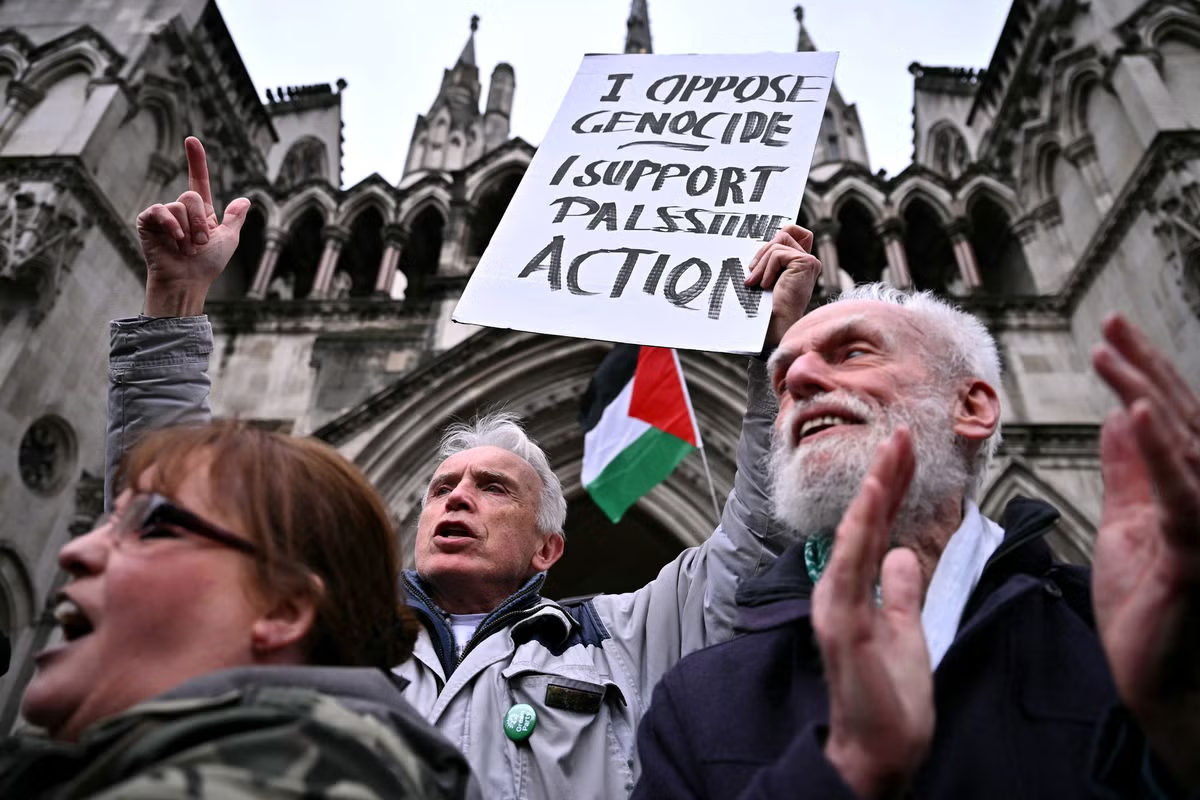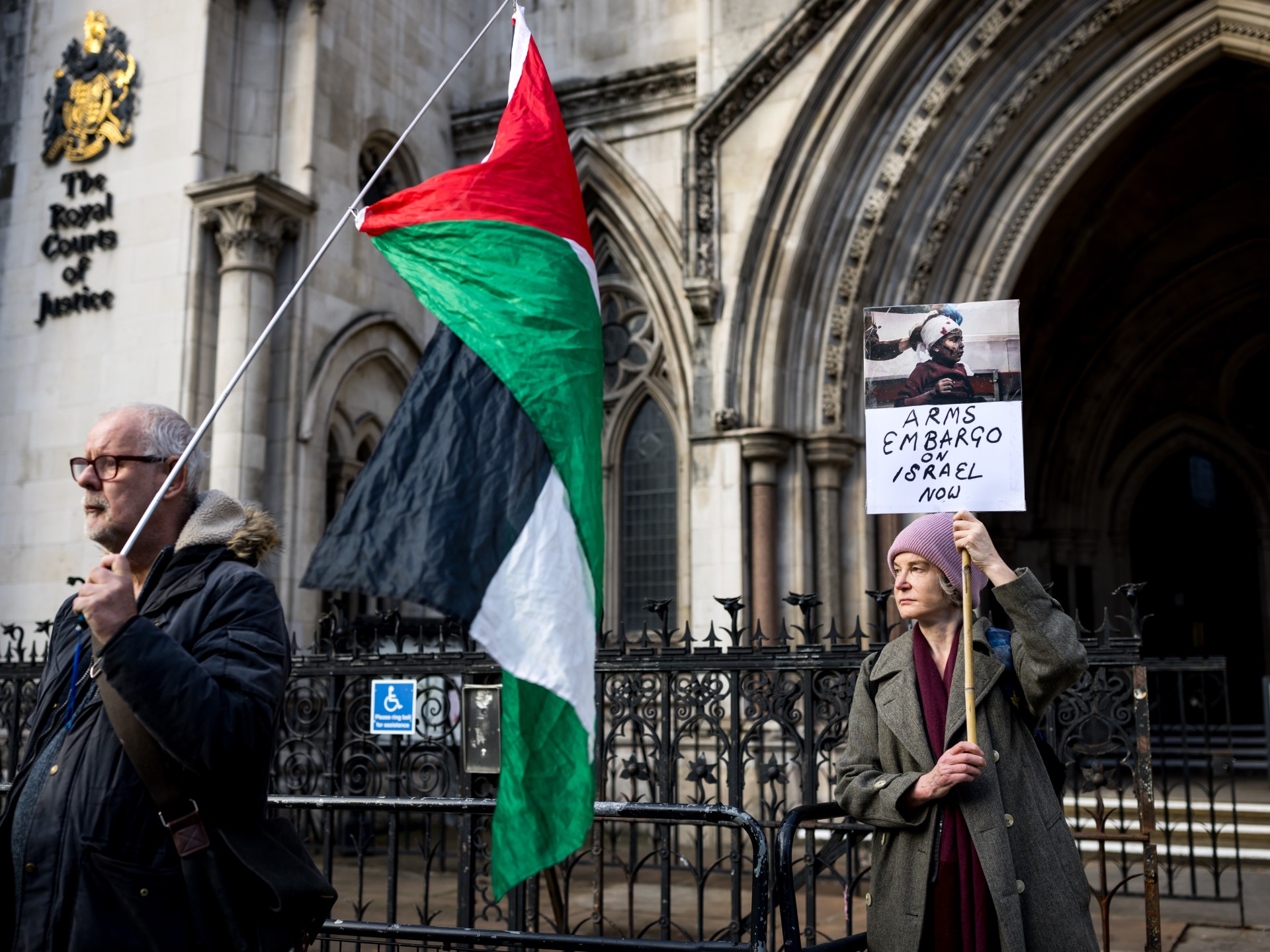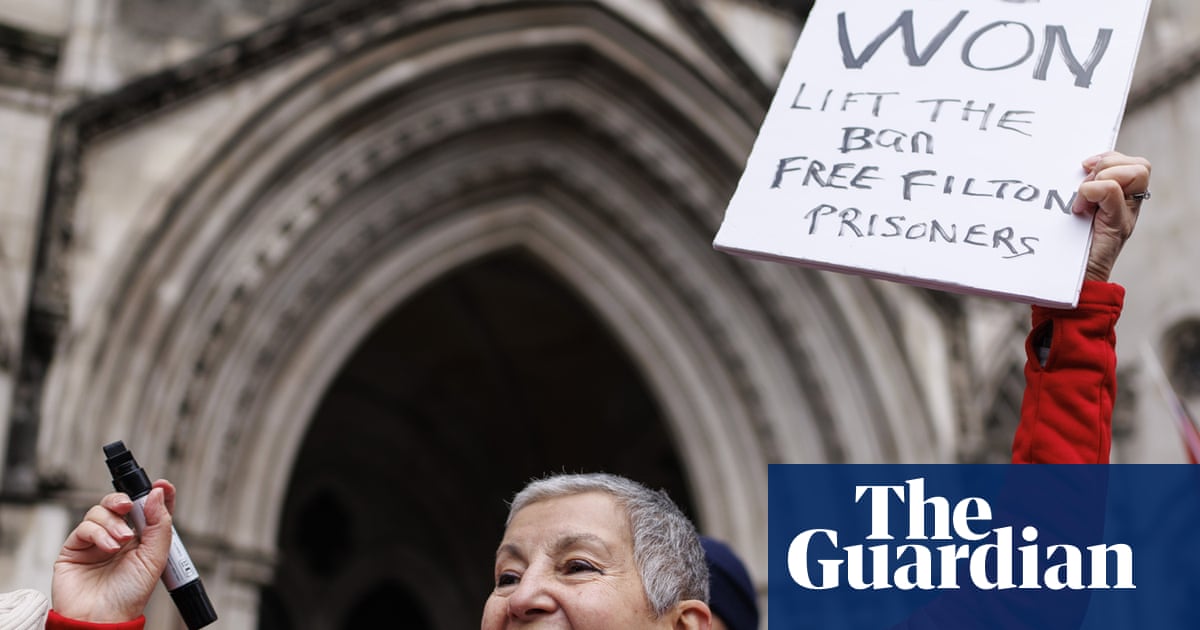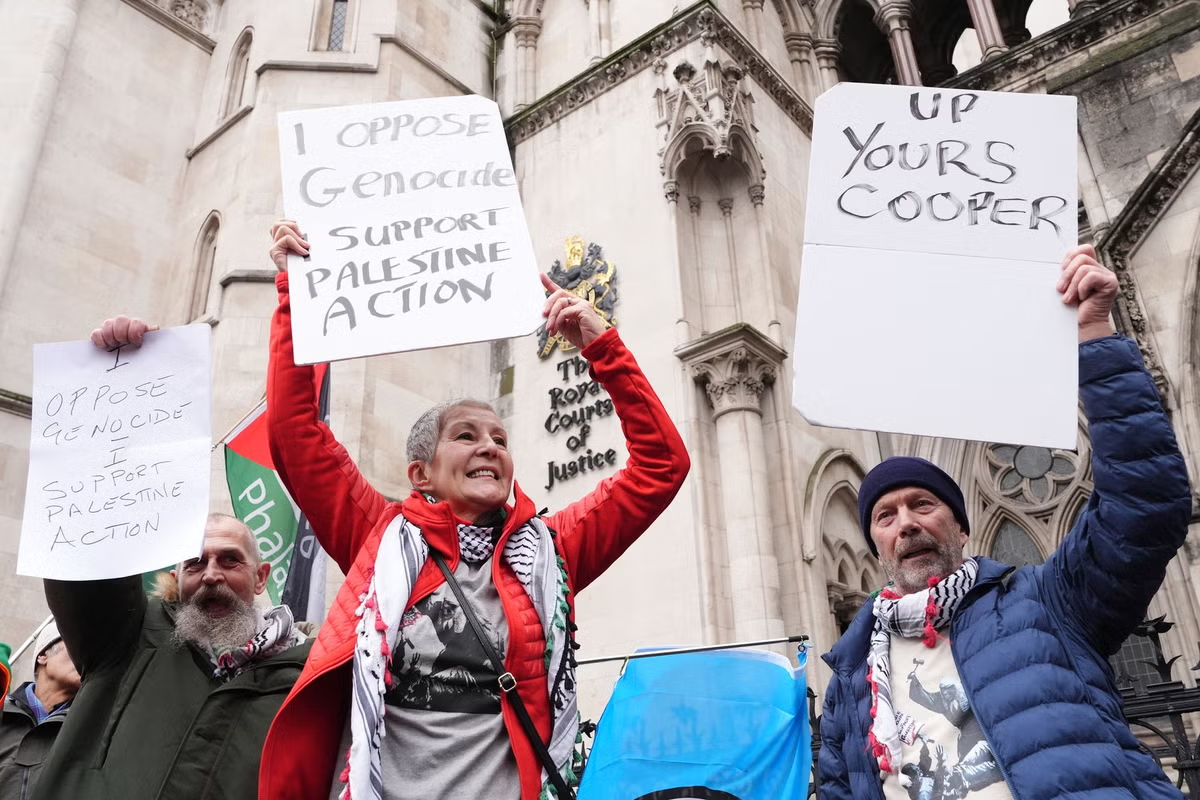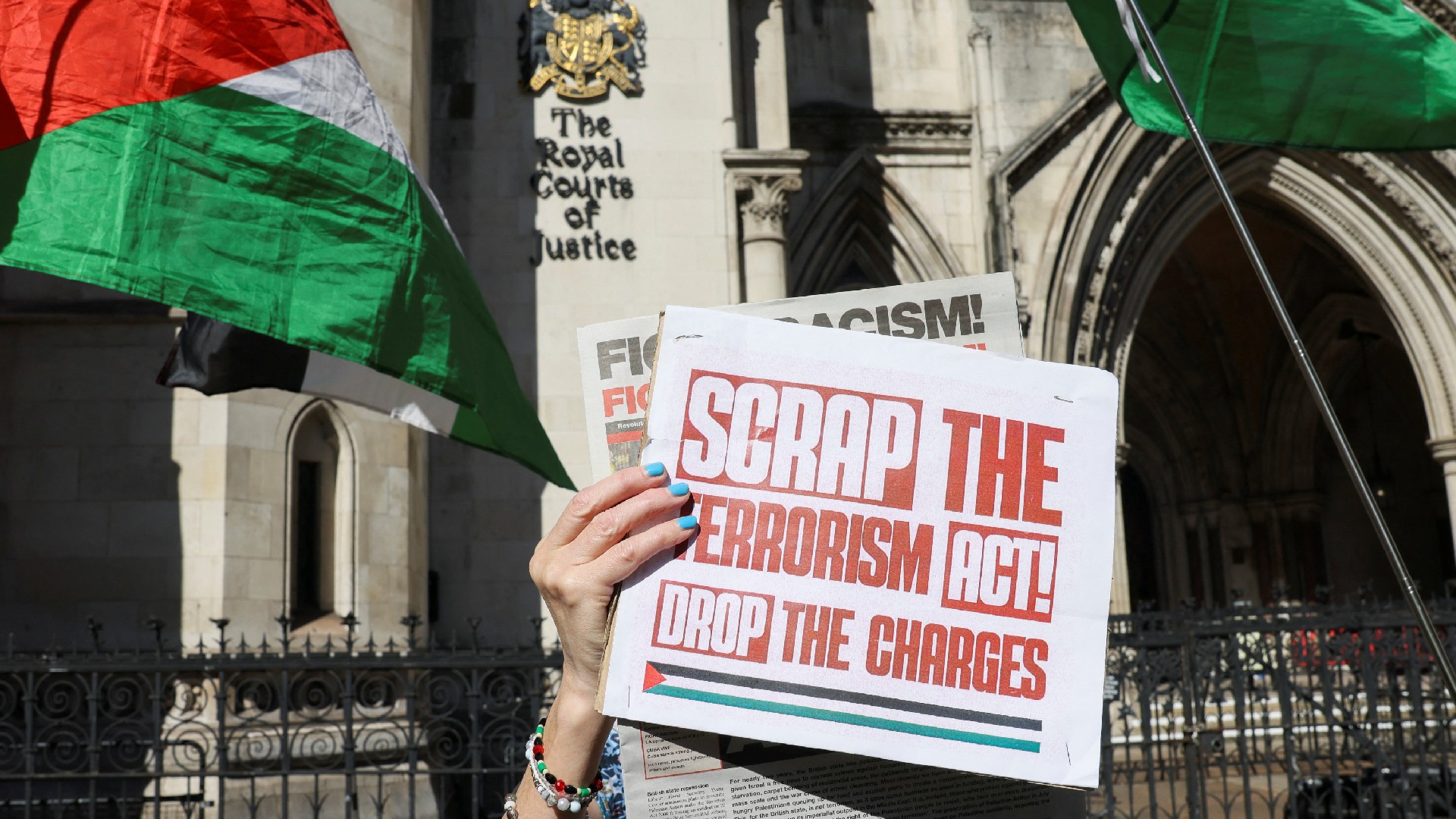
The ban is not yet quashed, and if permission to appeal is granted it could be months before the issue is resolved
The home secretary’s decision to ban Palestine Action under anti-terrorism laws has been ruled unlawful by three senior high court judges. Where does this leave the direct action group, its supporters and the government’s attempts to combat it?
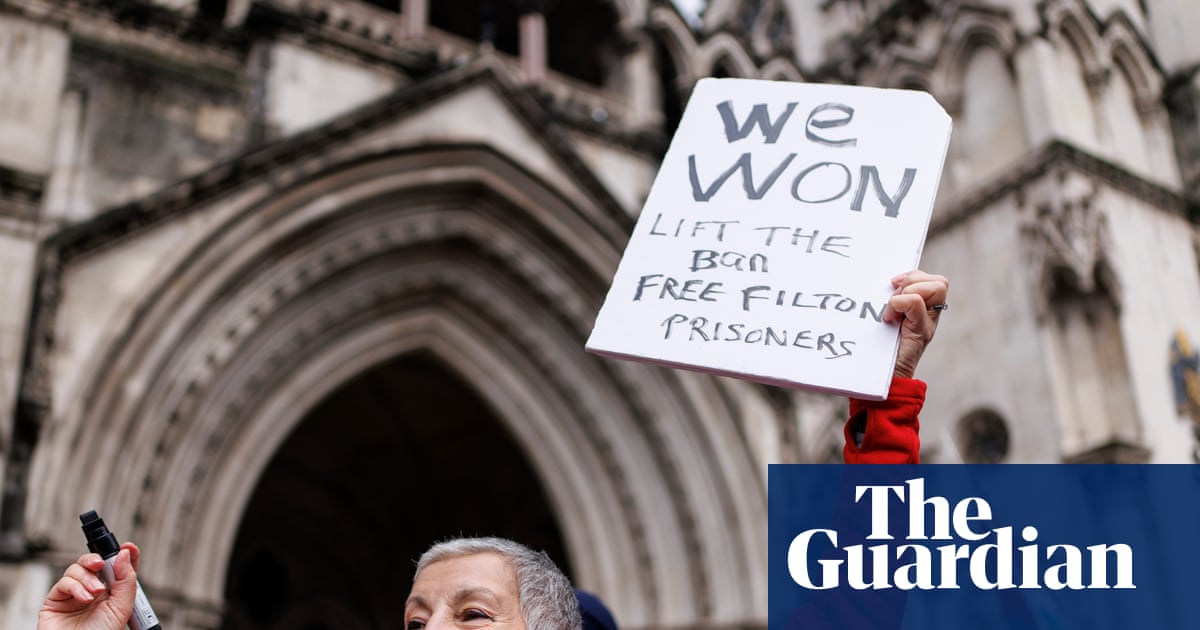
The three judges, led by the president of the king’s bench division, Dame Victoria Sharp, found that the decision to ban Palestine Action was unlawful on two grounds. Those grounds were that it was a “very significant interference” with the right to freedom of speech and freedom of assembly and that it was a breach of the home secretary’s own policy on proscription, which requires ministers to take into account factors including the nature and scale of the organisation’s activities, and the specific threat that it poses to the UK.
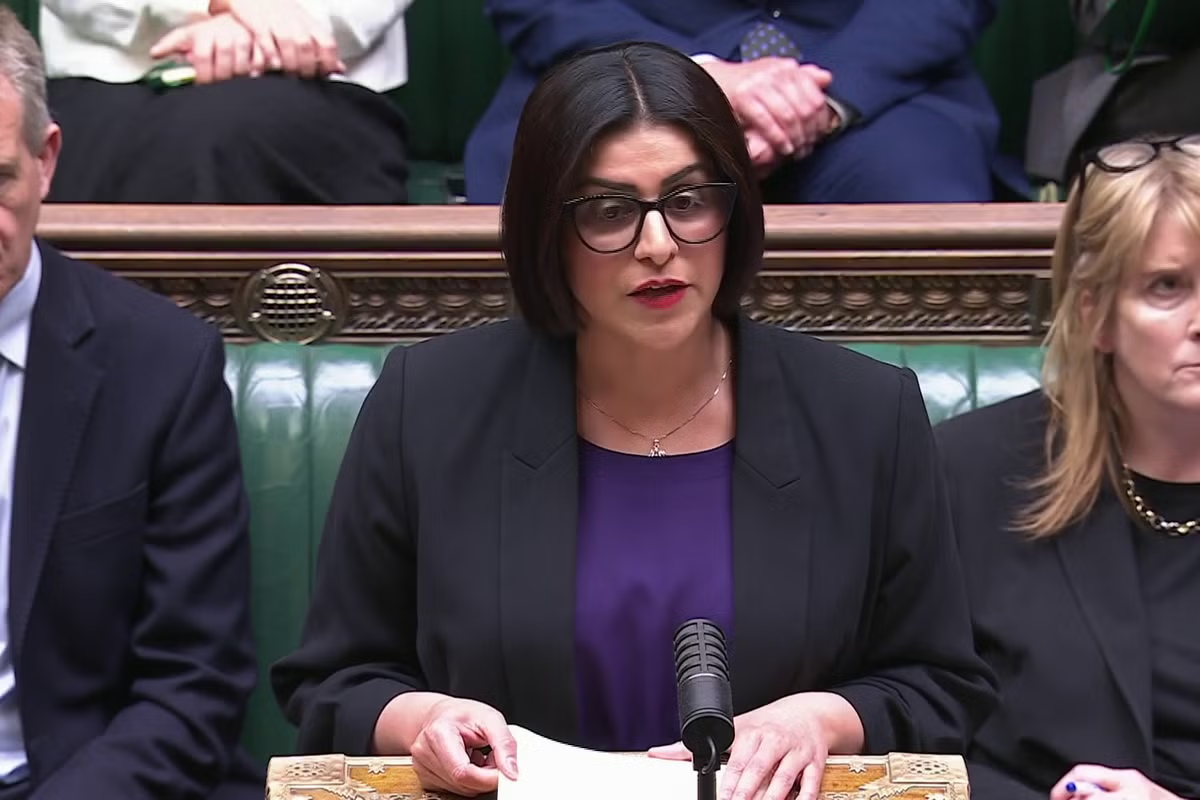
The ban has not been quashed yet. In Sharp’s judgment she said: “Subject to any further representations on relief, we propose to make an order quashing the home secretary’s decision to proscribe Palestine Action”. In court she clarified that there would need to be submissions from both parties as to whether or not the proscription order should remain in place pending any appeal by the home secretary. Home secretary Shabana Mahmood has indicated that she will appeal and her lawyers will undoubtedly wish the ban to remain in place pending an appeal (if permission is granted) but the co-founder of Palestine Action, Huda Ammori, who brought the successful challenge, urged the government “to respect the court’s decision and bring this injustice to an end without further delay.”