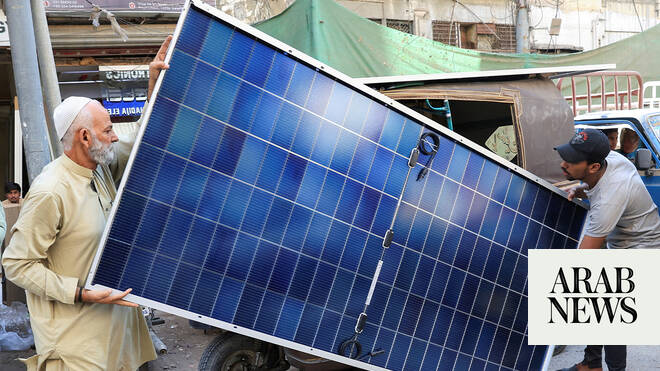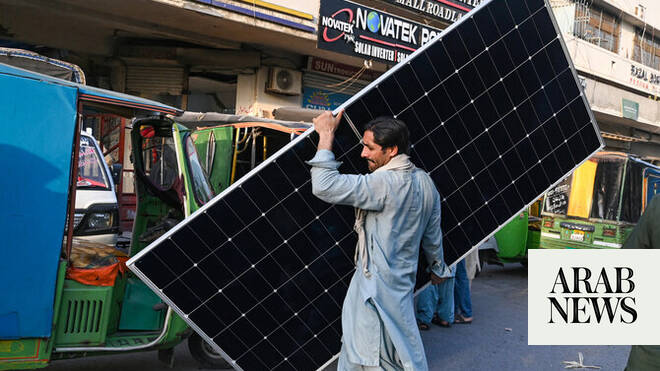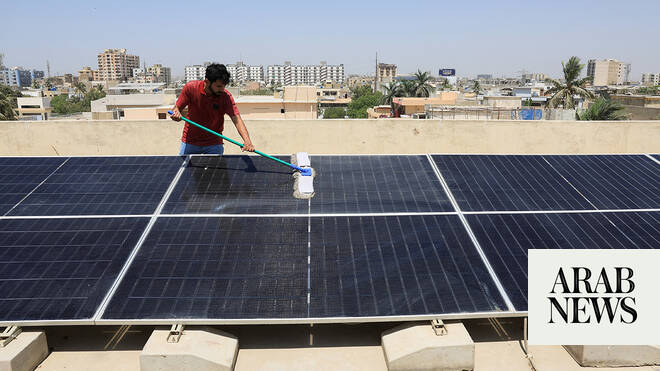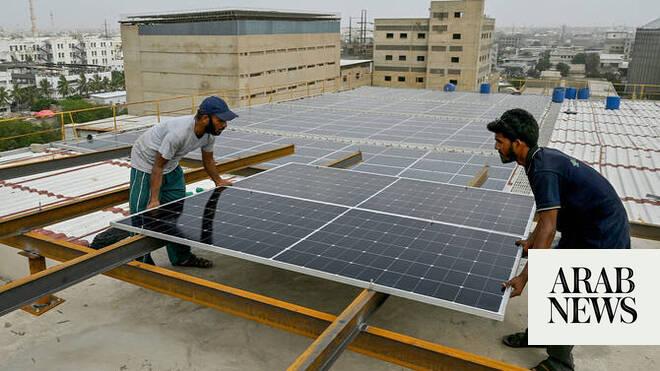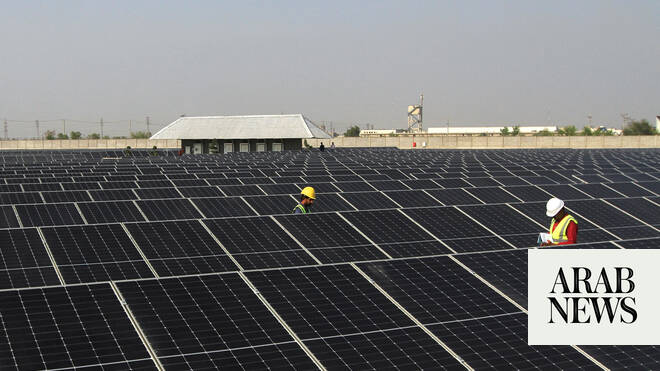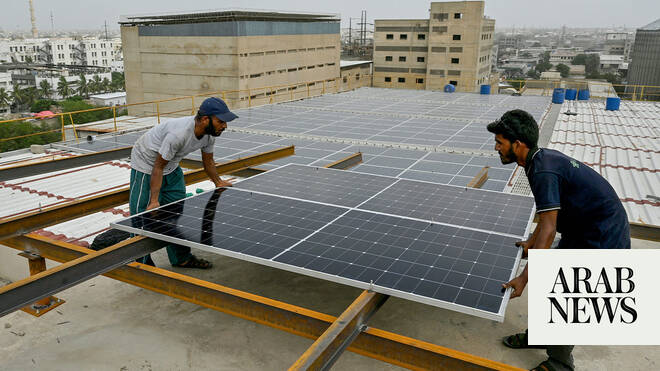
ISLAMABAD: Pakistan’s power minister on Thursday defended controversial changes to rooftop solar net-metering rules, arguing that generous returns for a small number of users were unfairly burdening millions of other electricity consumers, as Prime Minister Shehbaz Sharif ordered a review a day earlier.
The dispute centers on changes to the net-metering regime, under which households and businesses with rooftop solar panels can sell excess electricity to the national grid. The National Electric Power Regulatory Authority's (NEPRA) new compensation rules require consumers to pay full tariffs for electricity drawn from the grid while receiving a lower, market-linked rate for excess power they export.
Critics have called the revisions “anti-solar” and warned they would undermine renewable energy adoption and hurt household finances.
Power Minister Sardar Owais Ahmed Khan Leghari told the National Assembly that only 6,000-7,000 megawatts of Pakistan’s estimated 22,000 megawatts of installed solar capacity fall under net-metering, covering around 466,000 consumers out of 35.5 million nationwide electricity users.
“If a net-metering consumer earns a 50% return on his investment because of the savings he gets as a meter user, while IPPs [independent power producers] get 17% and bank deposits earn 8%, isn’t a 50% return a good rate,” he asked.