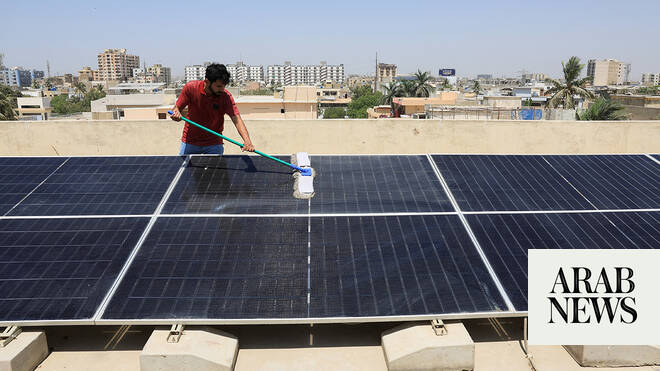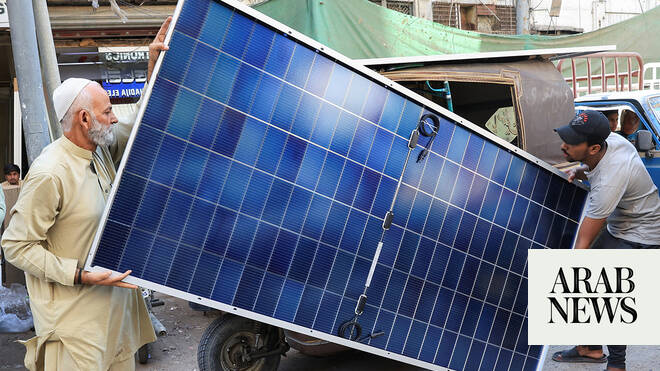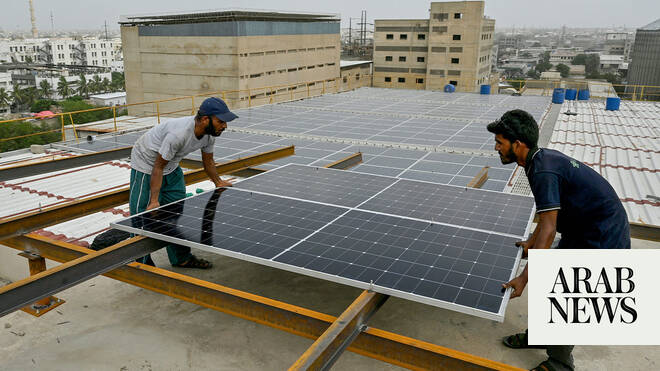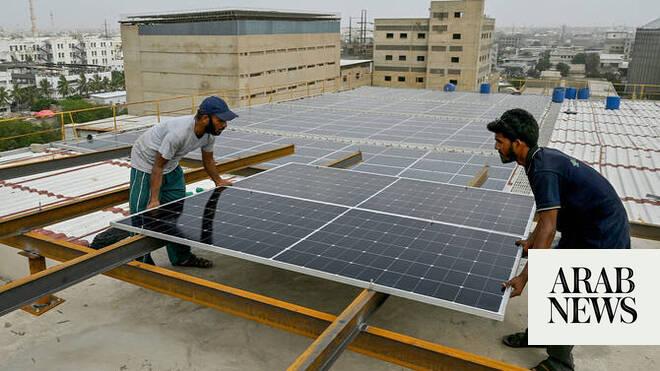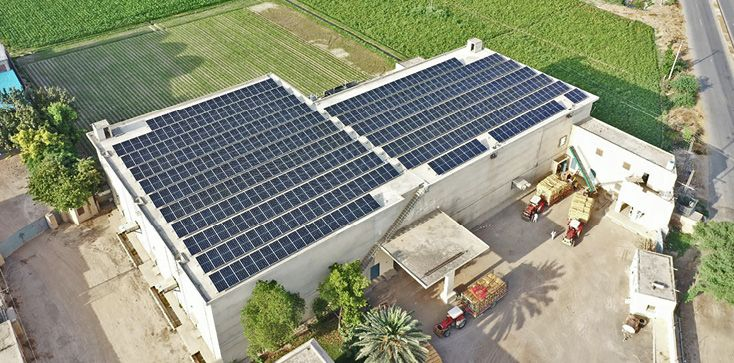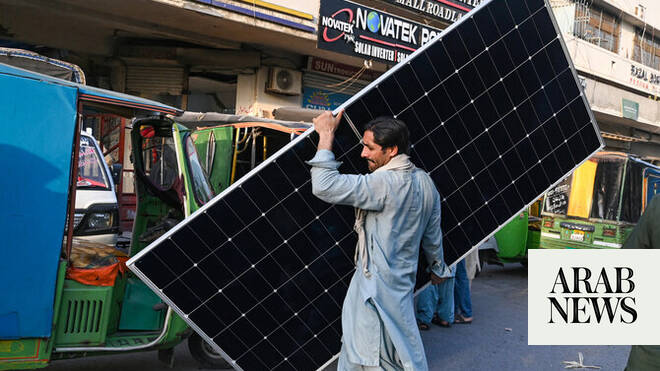
ISLAMABAD: Pakistan’s Power Minister Sardar Awais Leghari on Friday warned that the use of solar net-metering facility could add an extra burden of Rs3-4 per unit on consumers, if allowed to continue unchanged.
Solar net-metering is a policy that allows homeowners and businesses to generate power using solar panels and export excess energy to the national grid. In Pakistan, it is a billing system through which consumers receive credits or monetary compensation for the surplus power they sell to the grid.
Approved in 2017 to promote solar energy, Pakistan’s net-metering policy pays Rs21 per unit for surplus solar power, including a Rs1.90 subsidy. In April last year, the energy ministry said the subsidy burden falls on the government and other consumers to benefit affluent households with solar panels.
Around 0.6 percent of total electricity consumers in Pakistan are net-metering users out of which 80 percent belonged to affluent areas of major cities while the remaining 99.4 percent of electricity consumers bear the burden of the net-metering costs, the energy ministry said in January this year.
“As for the matter of net metering, if it is allowed to continue in the same manner, then 200,000 to 300,000 people will benefit from it while placing an additional burden of Rs3-4 on the entire nation,” Leghari said at a press conference in Lahore.