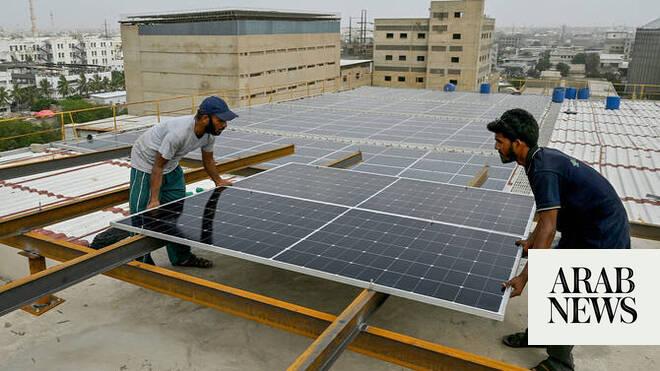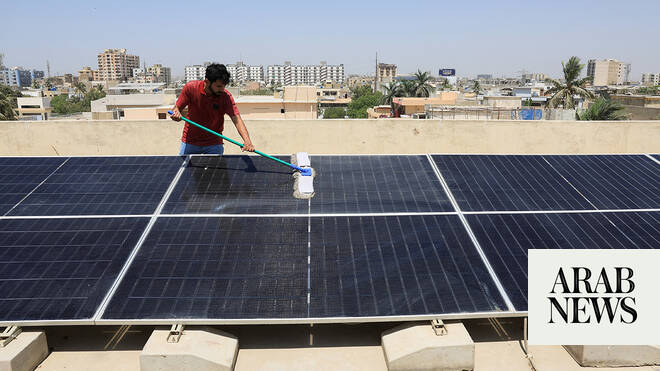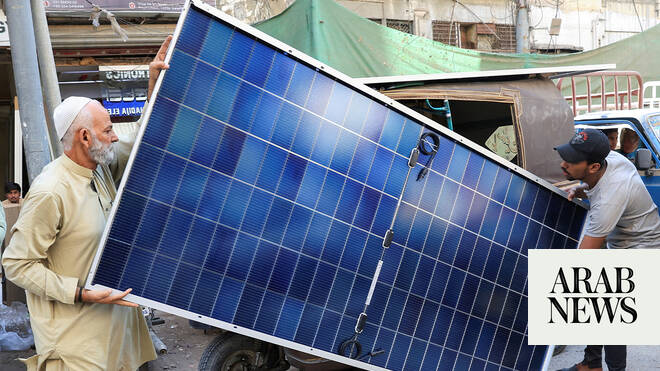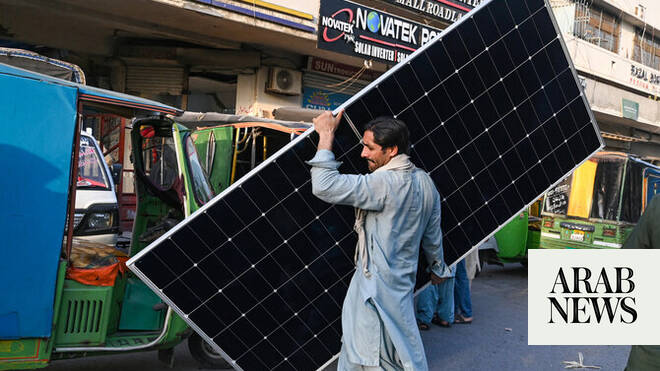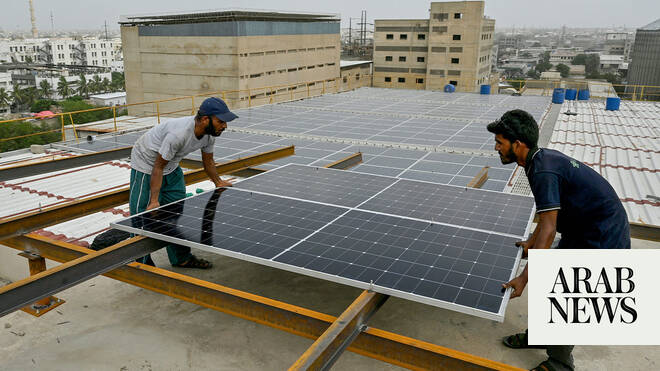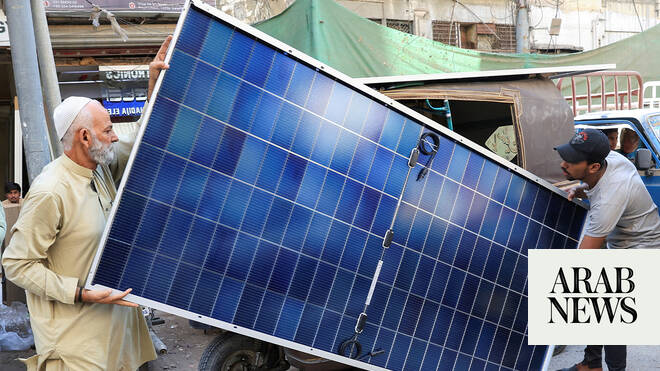
ISLAMABAD: Pakistan has sharply reduced the rate at which households and businesses are paid for excess electricity generated from rooftop solar systems, a move that lowers returns for consumers but is expected to ease financial pressure on state-run power utilities, according to new regulations notified this week.
The change shifts Pakistan from a net metering regime, under which solar users offset their electricity bills at the same rate they pay for grid power, to a net billing framework that separates buying and selling prices. Consumers will continue to pay full tariffs for electricity drawn from the grid while receiving a lower, market-linked rate for excess power they export.
Under new regulations notified by the National Electric Power Regulatory Authority (NEPRA) on Feb. 9, 2026, consumers exporting surplus electricity to the grid will no longer be compensated at retail tariffs.
“The power purchase price for electricity supplied by a prosumer to the distribution company shall be the national average energy purchase price,” the regulator said in the notification.
Pakistan has seen an unprecedented boom in rooftop solar over the past three years as households and businesses turned to private generation to escape record electricity prices, frequent outages and inflation-driven energy costs.