Club culture is notoriously hard to capture on film. Oscar-tipped director Oliver Laxe explains why he had to organise his own music festival in the Moroccan desert to find deeper meaning in dance-floor ecstasy
I
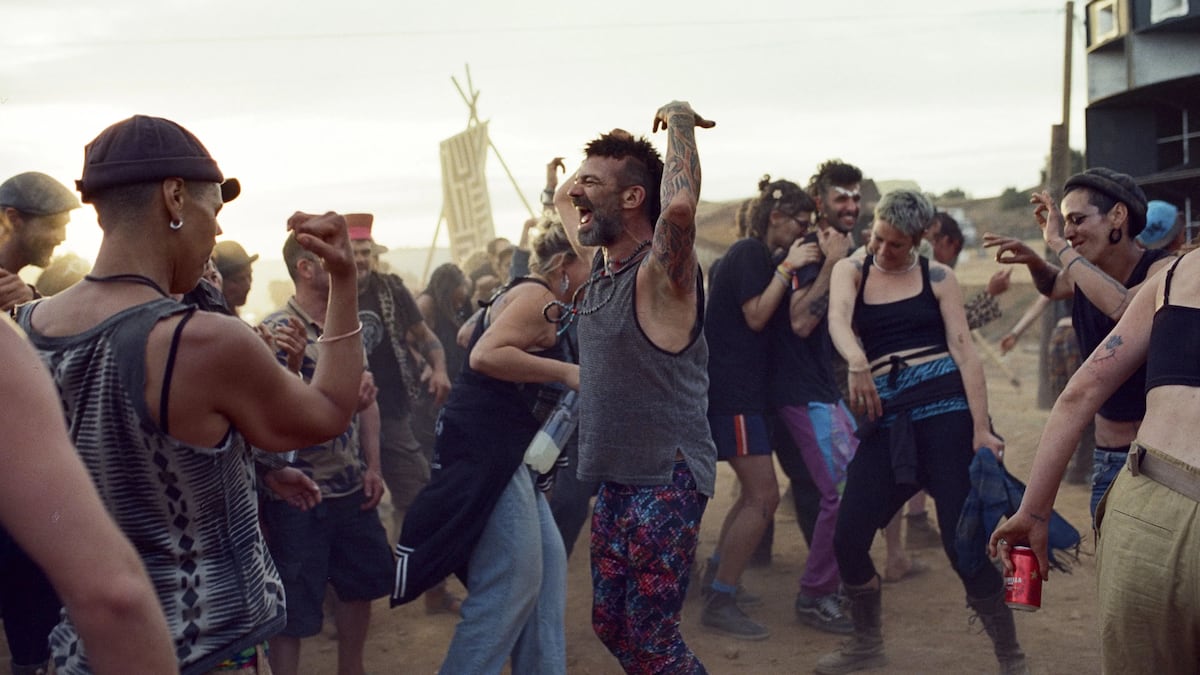
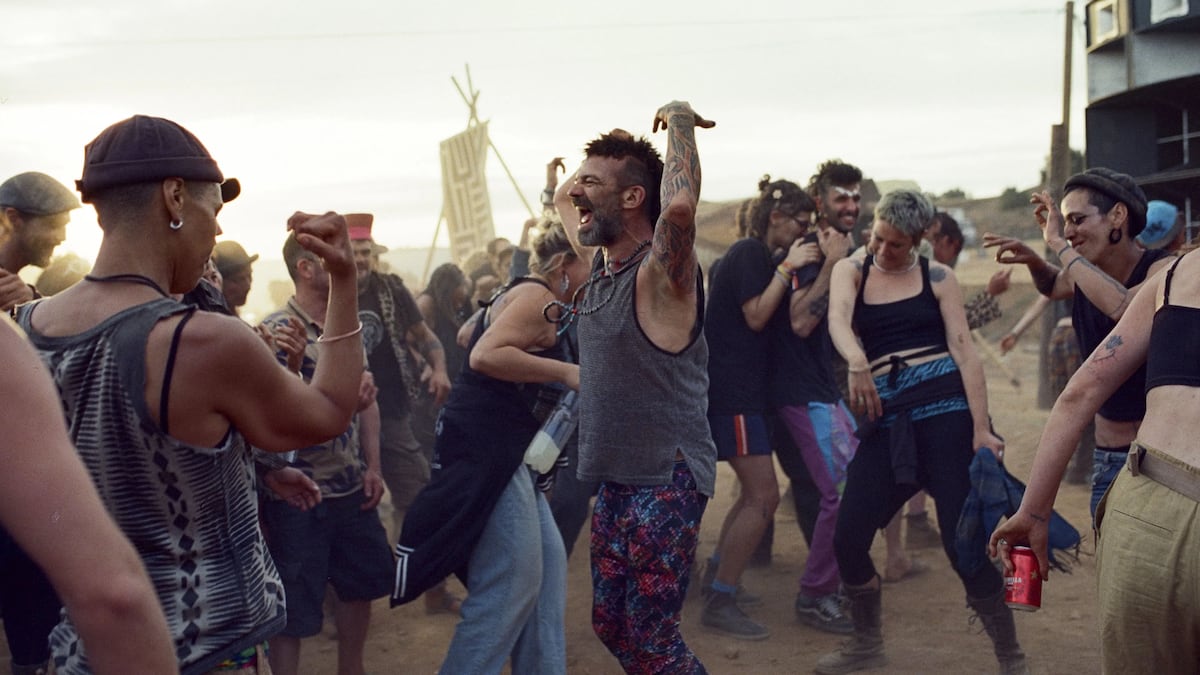
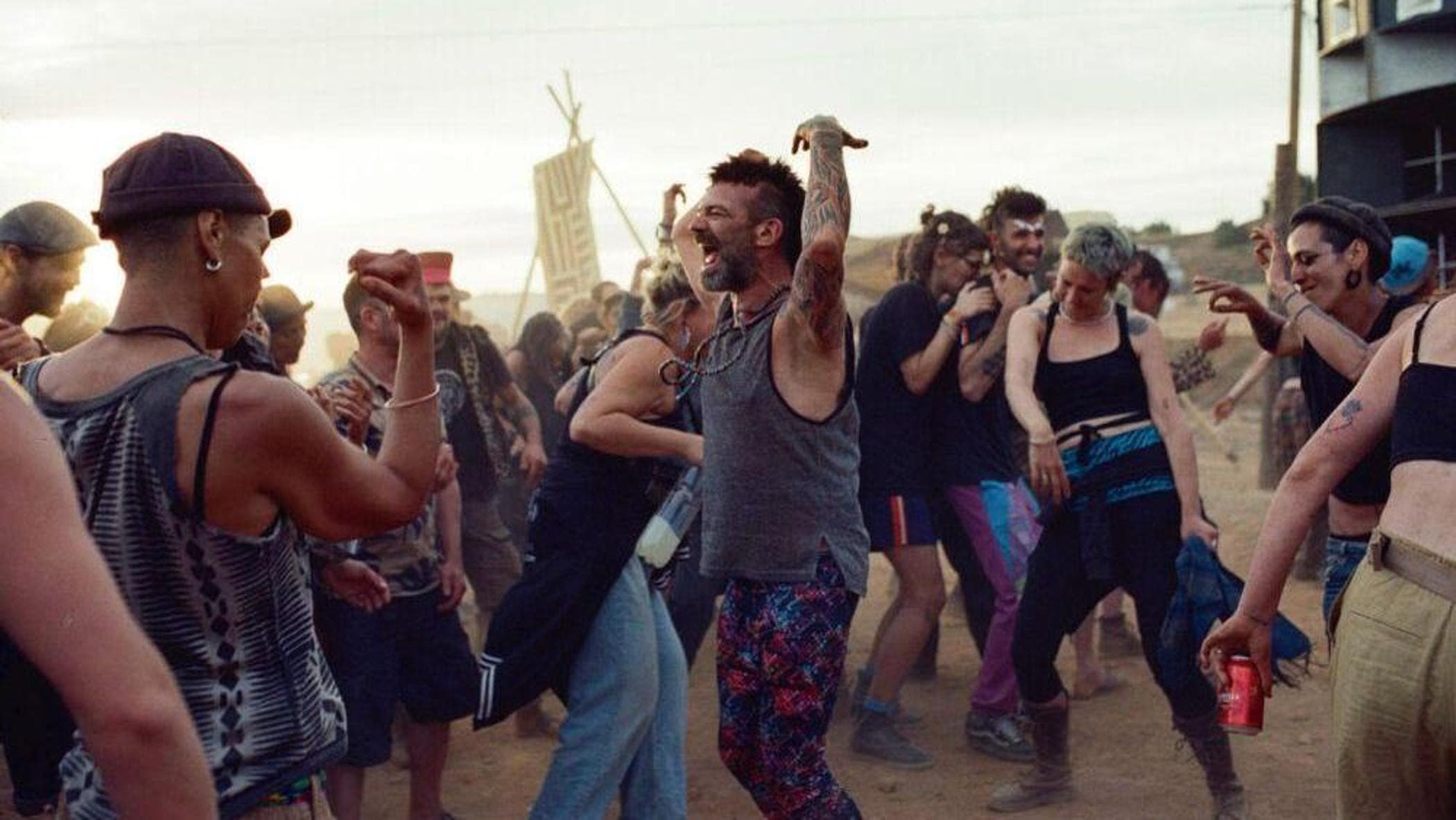
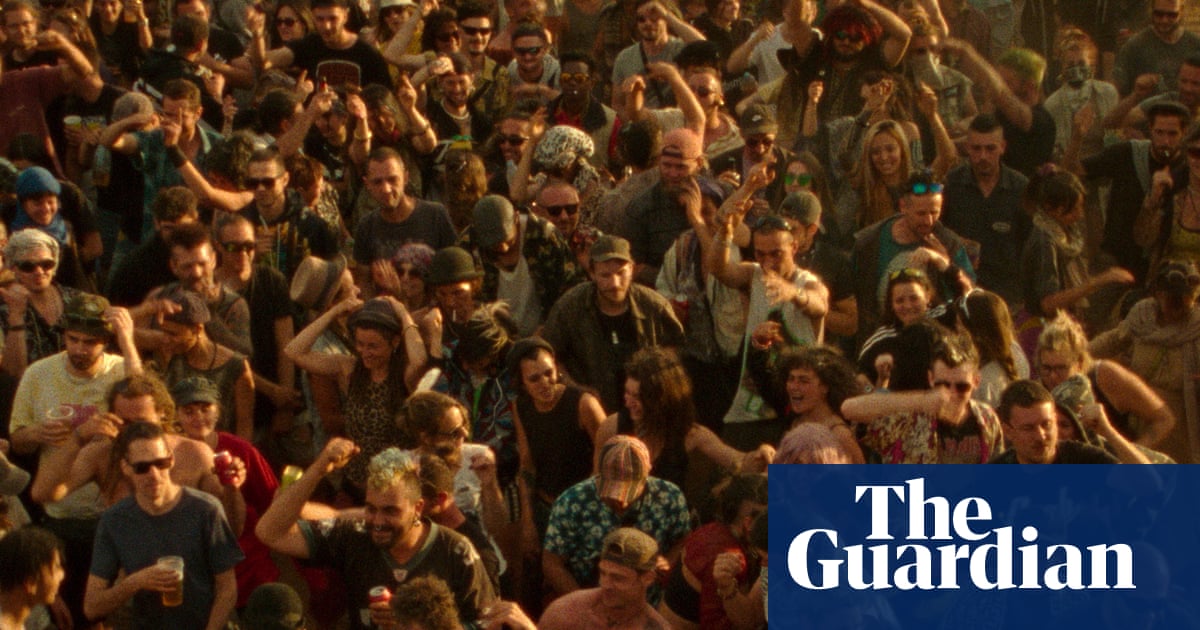
n the opening scene of Oliver Laxe’s existential mystery thriller Sirāt, a crowd of partygoers stack up a sound system for a rave in the southern Moroccan desert, where the paths of the film’s protagonists cross for the first time. Crucially, Laxe explains, the revellers were no ordinary extras. Most of them were committed, lifelong ravers who had travelled to the makeshift festival from across Europe. One of the DJs who played, Sebastian Vaughan AKA 69db, was a core member of Spiral Tribe, the pioneering British “free party” collective of the 1990s.
“In film, reality is usually made to adapt to the rules of cinema,” the French-born Spanish director tells me when we meet in Berlin. “But we do the opposite: we adapt cinema to reality.” When negotiating with the ravers how to best represent them in the film, he recalls, “they told us that the music cannot stop for three days. And we were really pleased with this idea”.
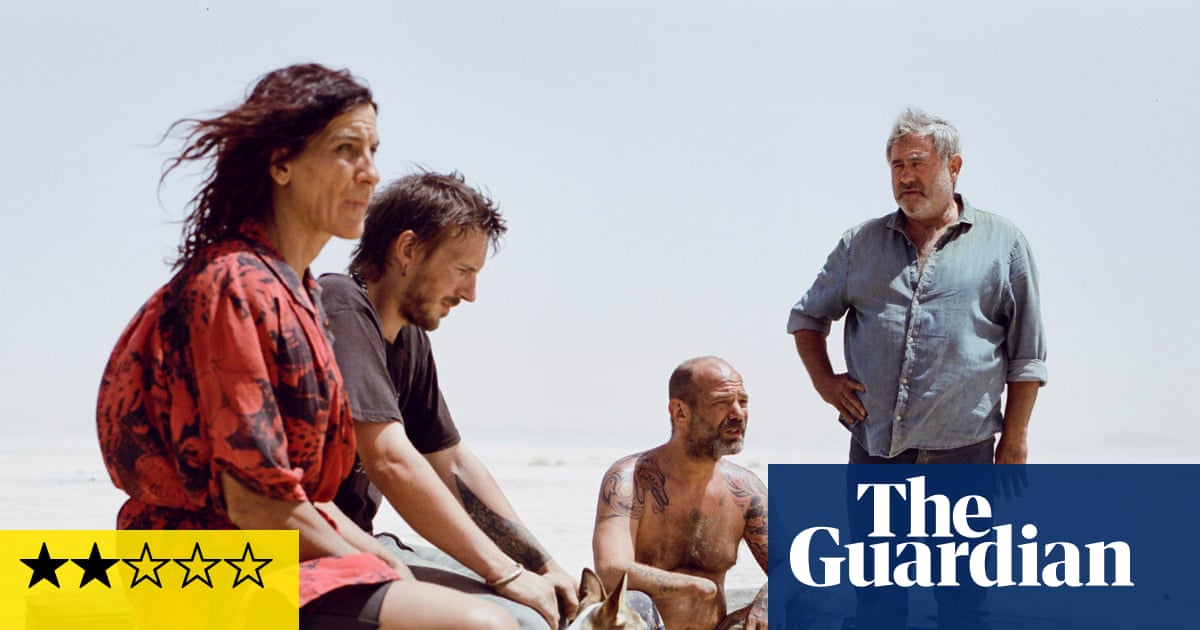
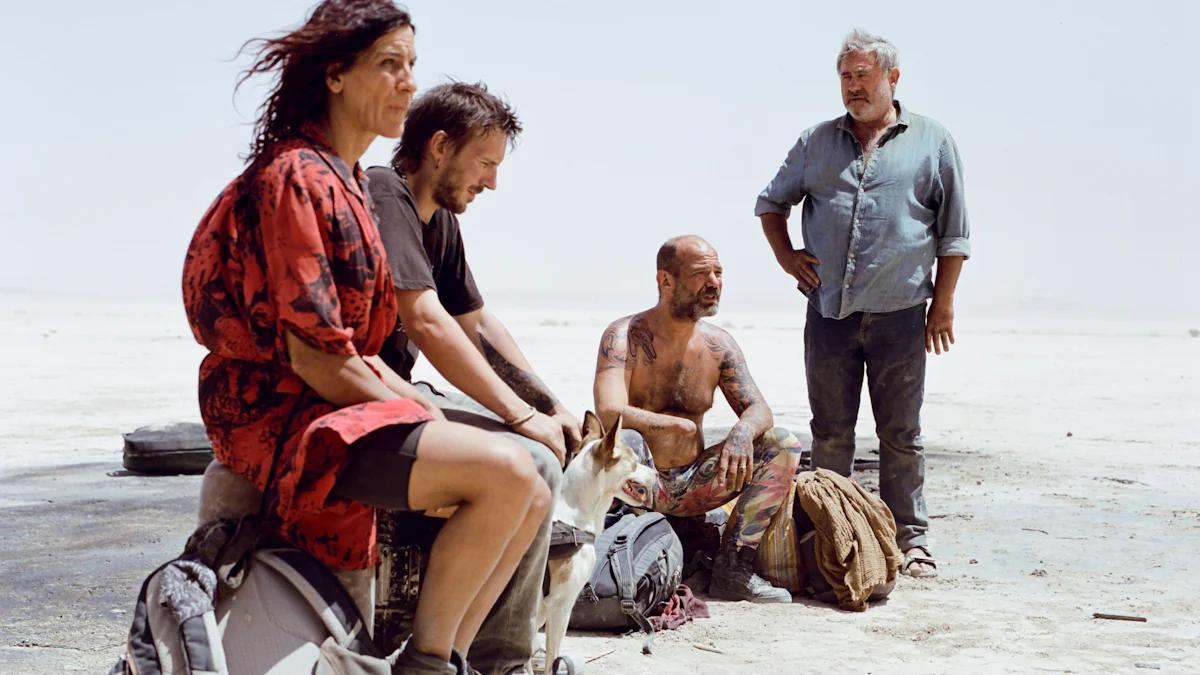
Sirāt promises to be one of the arthouse crossover hits of the year. After winning the Jury prize at Cannes last May, it will be released in UK cinemas in February and has a good chance of grabbing an Oscar or two in March, where it is shortlisted in five categories, including best international feature film. On the surface, Laxe’s film is a road movie about a modest family unit – patriarch Luis, his son Esteban and their dog Pipa – searching for a missing daughter, Mar. Their search is complicated when radio reports announce the outbreak of an armed conflict with the unnamed neighbouring country and the army arrives to break up the desert festival.