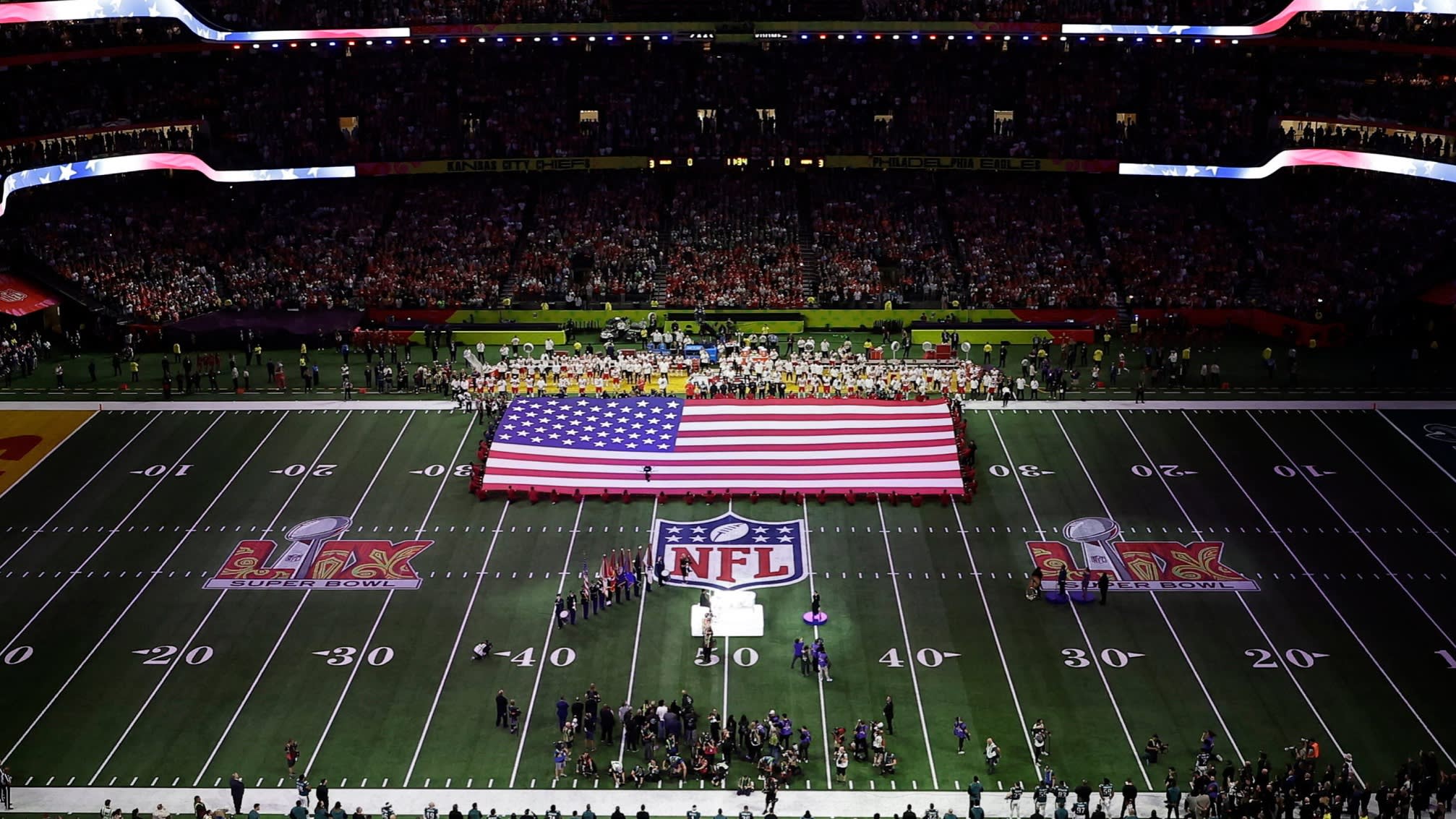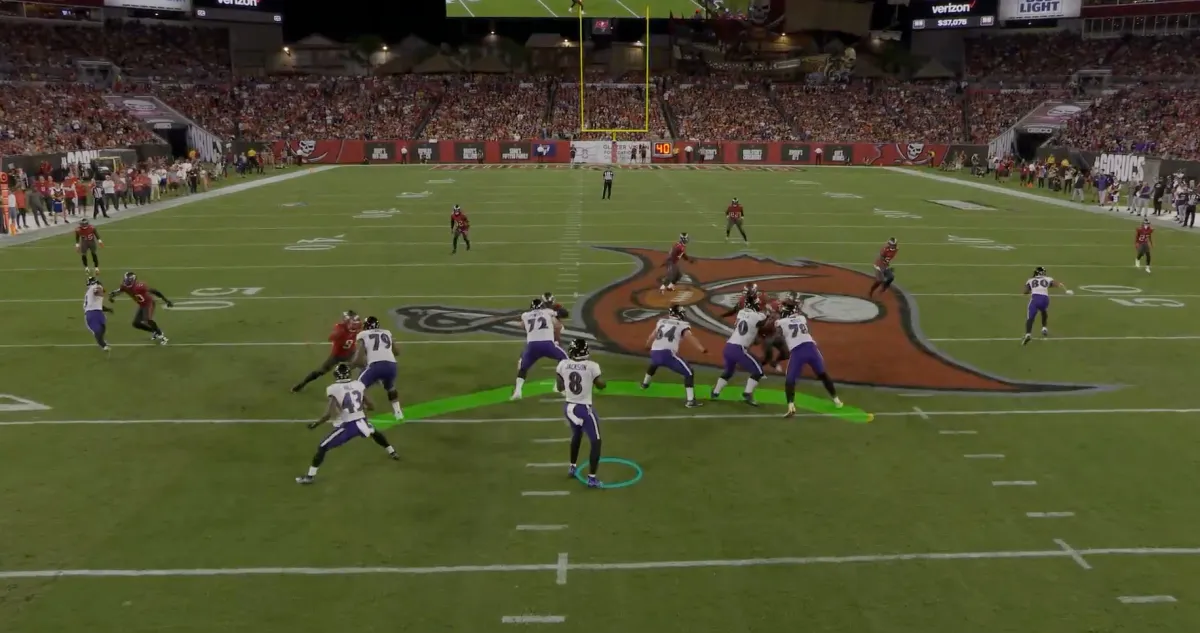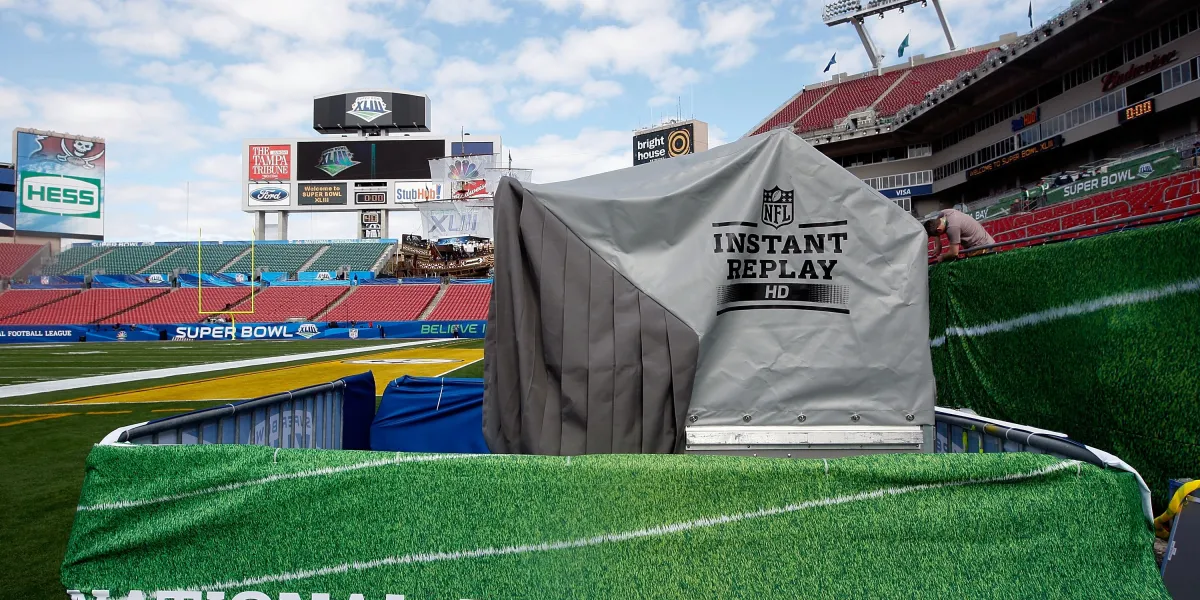
With Super Bowl LX quickly approaching, we’ve witnessed 60 years of technological advances on the football field and probably haven’t realized it. And the best is yet to come because of visual AI.
Most of us will watch the big game from our living rooms rather than shelling out thousands of dollars for a seat in Levi’s stadium. In exchange for not experiencing the thrill and excitement of watching a football game in person, those of us at home will get the benefit of experiencing the game with a few technological enhancements. Over the past few decades, visual AI has changed how viewers watch the game and how it’s officiated on the field.
The transformation has been remarkable and we’re honestly only at the beginning of what’s possible with visual AI. How fans experience the game and how referees decipher controversial calls will only get better as visual AI advances.
So, what is visual AI? Visual AI, also commonly known as computer vision in technical circles, focuses on extracting useful information from images and video. It detects objects, tracks motion, and measures positions. Visual AI builds on that foundation but goes further by incorporating context, reasoning, prediction, and decision support. Rather than simply answering what happened in a frame of video, visual AI asks what that information means, how confident we are, and what action should follow.