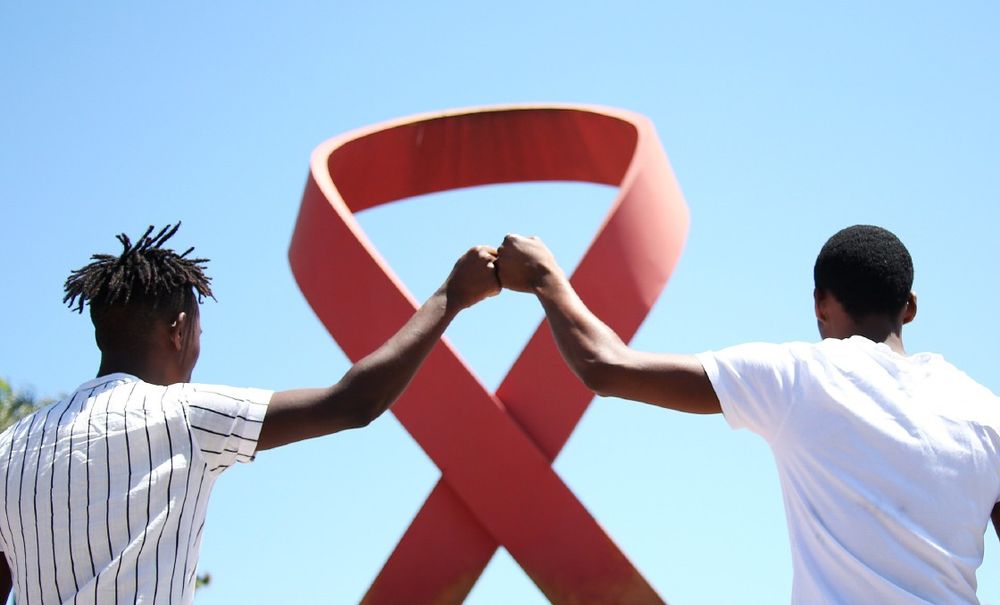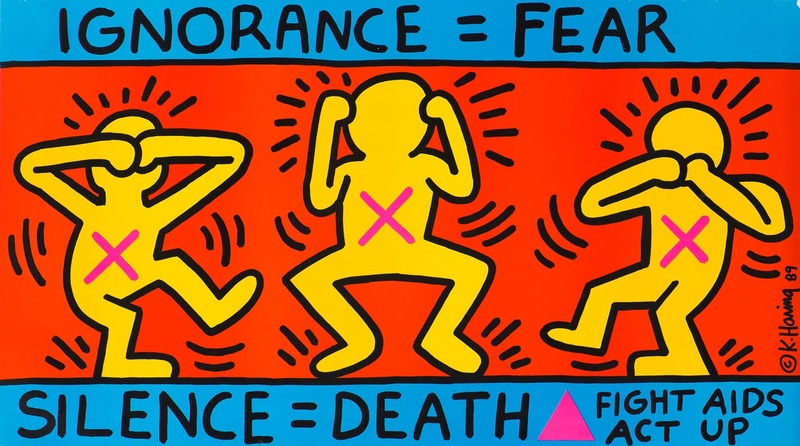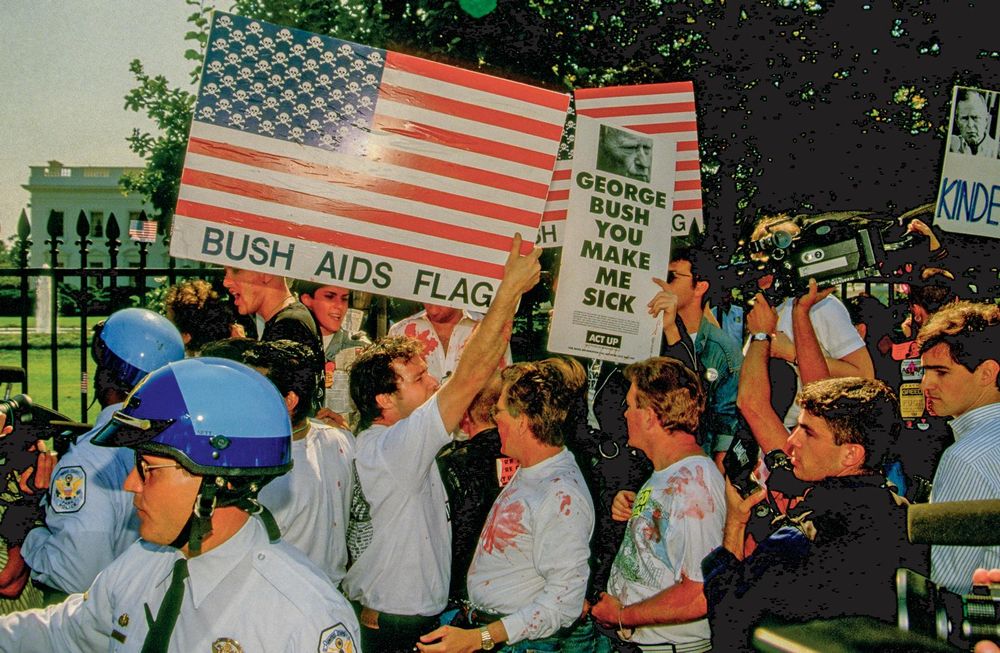
There was a time in the ’90s when it was pretty commonplace to hear a mention of HIV or AIDS in regular, everyday conversations. It wasn’t out of the ordinary for the subjects to come up in pop culture either — especially after public figures like Magic Johnson and Eazy-E came forward about their positive diagnoses, forcing many to confront an alarming crisis that had been unfolding since the early 1980s.
For much of the public, those moments were the wake-up calls that finally created a sense of urgency around HIV/AIDS and challenged the widespread misconception that the virus only affected gay men or intravenous drug users. At the same time, that heightened attention fueled an era of mass hysteria and paranoia that only intensified the stigma surrounding the chronic disease.
As an “elder millennial,” journalist and cultural critic Jamilah Lemieux remembers that panicked period quite vividly — how rappers began frequently referencing condom use in their lyrics and television PSAs (like BET’s “Rap-It-Up” campaign) took more initiative in spreading HIV and AIDS awareness.
“That fear that was instilled in the ’90s led a lot of us to be really responsible about our sexual behaviors,” Lemieux told HuffPost.