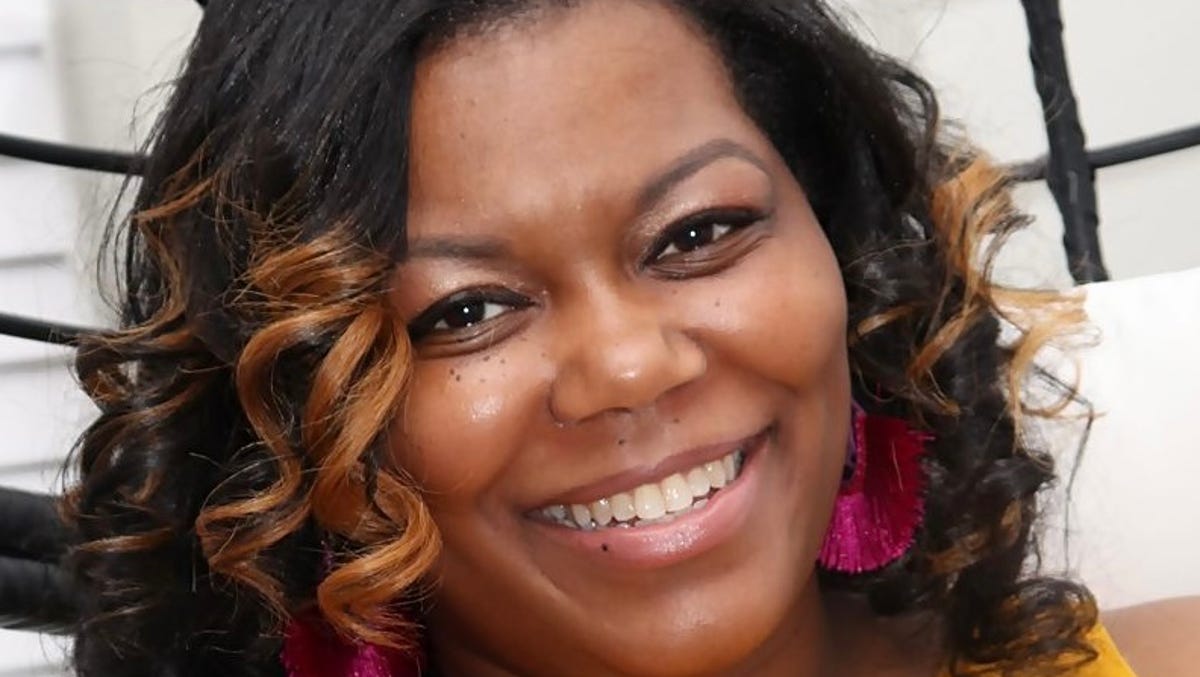
Masonia Traylor folded into a ball in the corner of the patient room. "No," the 23-year-old screamed, over and over again. She was HIV-positive.
It came as a surprise to the now 38-year-old from Decatur, Georgia. She built a rapport at her local OBGYN office and always stayed on top of her health as best she could. This included HIV testing; she always wanted to set a good example for her loved ones. A Black woman shared her story of almost dying from HIV complications at a school assembly years back. Someone who looked like her warned that anyone could get HIV – not just gay and bisexual men. Traylor thought, "You can't tell that girl got it. Like, she looks so pretty, healthy, everything.'"
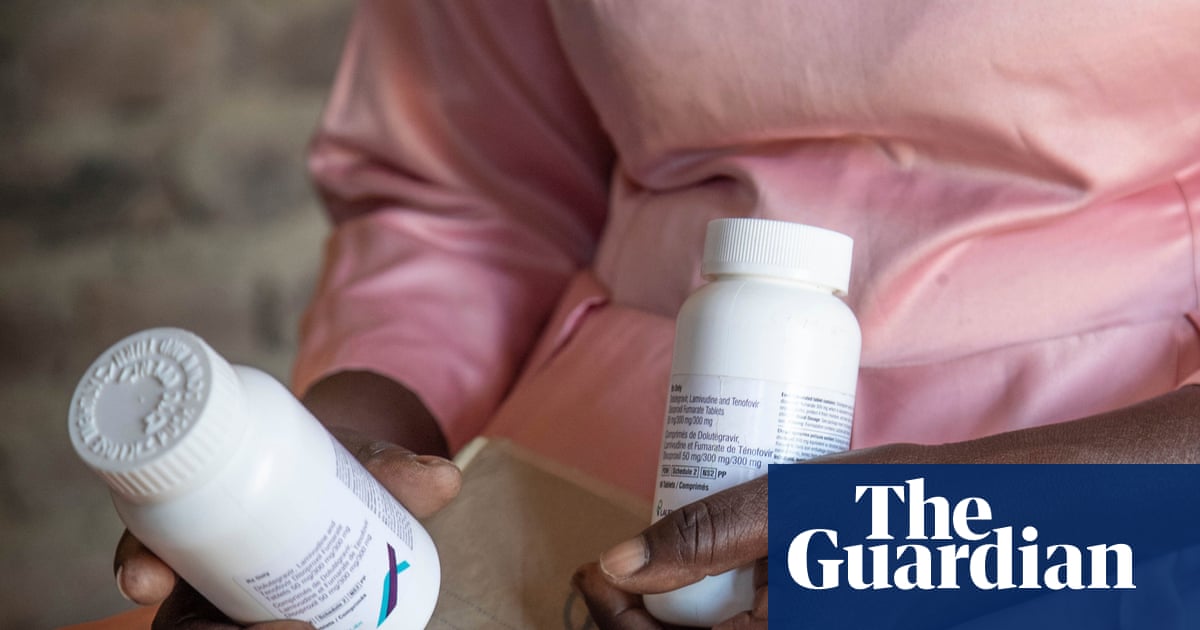
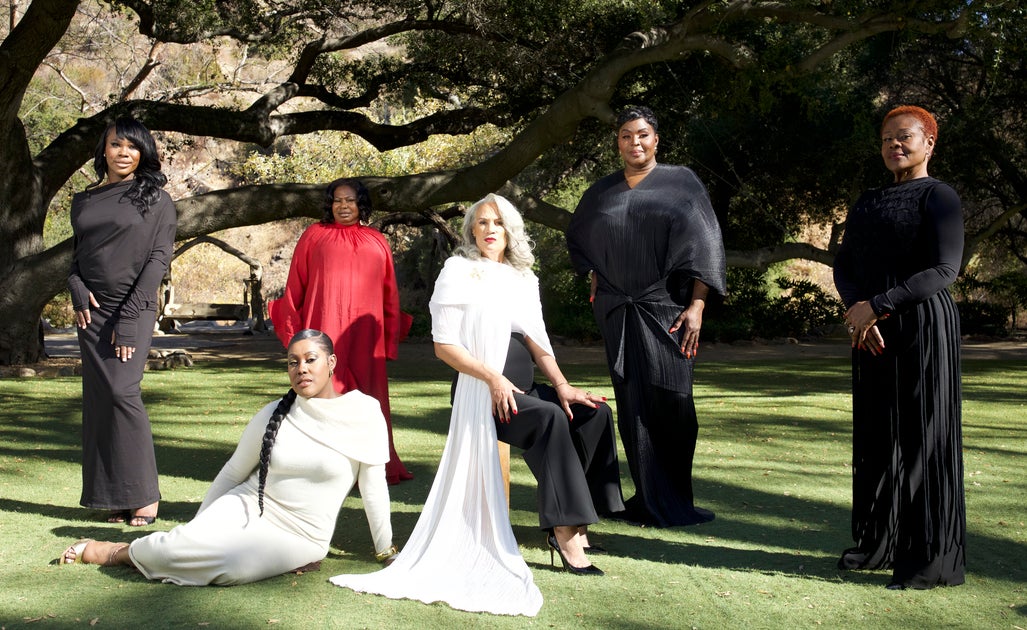
Despite novel developments in the treatment and prevention of HIV – people can live healthy, long lives with HIV undetectable in their bloodstream – tens of thousands of new cases are diagnosed in the United States each year. And a lot of those diagnoses occur in certain parts of the country and among certain populations. A group often forgotten about in the discussion of HIV – despite research pointing to an ongoing crisis – is Black women. Specifically those who live in the South. Why?
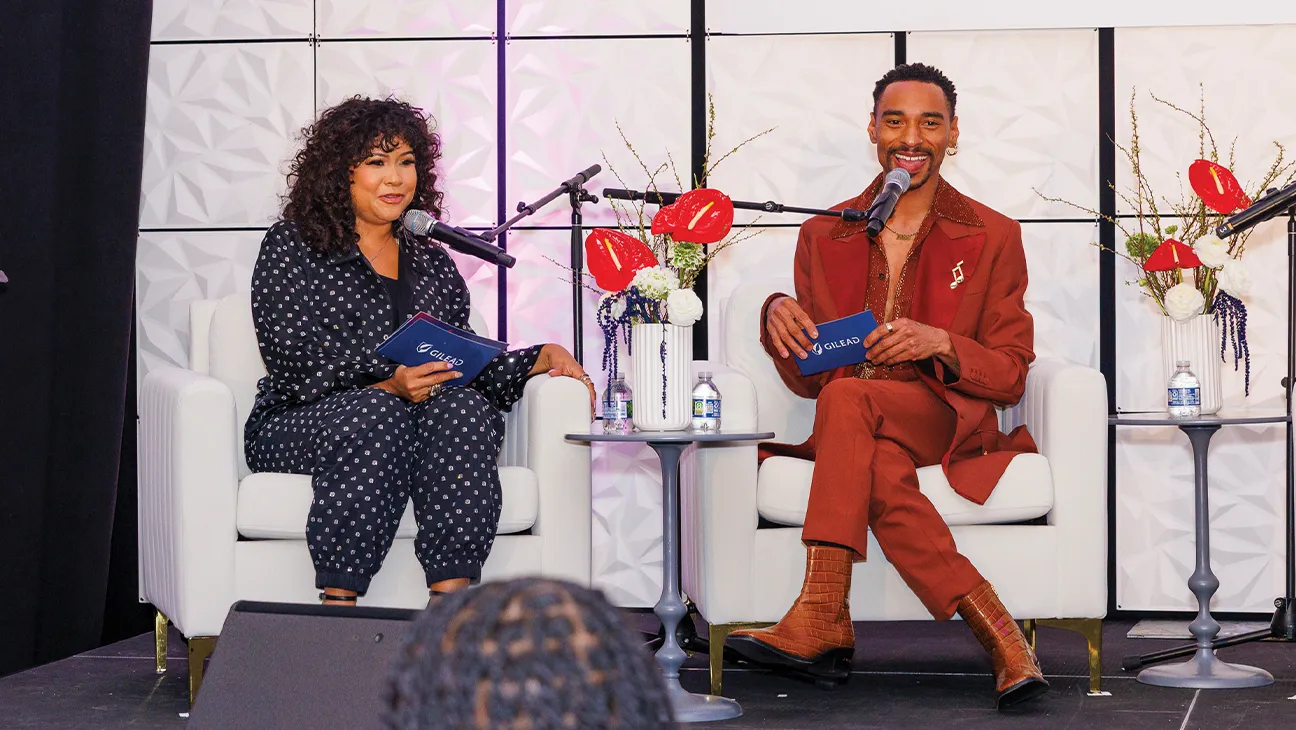
"The convergence of gender-based power dynamics, economic vulnerability and limited access to prevention resources creates a perfect storm of HIV risk," according to AIDSVu, an interactive online mapping tool from Emory University’s Rollins School of Public Health in partnership with Gilead Sciences. Gilead makes preexposure prophylaxis, or PrEP medications Truvada and Descovy, whose out-of-pocket costs can be tens of thousands of dollars. The Food and Drug Administration approved the company's twice-a-year injectable HIV prevention drug lenacapavir (Yeztugo) earlier in 2025.